


Trump White House Chief’s Alleged Role in Hemp THC Ban

Fast Facts
Who / Where: A former advisor to Health Secretary Robert F. Kennedy Jr., Susie Wiles, and the Trump White House
What changed: Allegations emerged that top administrative staff actively guided policy on the hemp THC ban
Effective / Key date: November 10, 2026
Status: Public reporting and ongoing administrative scrutiny
DMV impact: Potential shifts in federal hemp enforcement could indirectly influence regional delta-8 and delta-9 THC compliance markets across Washington DC, Maryland, and Virginia
The bottom line: Susie Wiles, President Trump's former chief of staff, allegedly meddled in federal hemp THC ban policies according to a former advisor to Health Secretary Robert F. Kennedy Jr., reported by MJBizDaily on November 10, 2026, creating waves across the regulatory landscape for hemp-derived cannabinoids.
Federal cannabis and hemp policy rarely proceeds in a straightforward manner, and recent revelations regarding executive intervention have added yet another layer of complexity to an already tangled regulatory web. As the industry navigates the consequences of shifting executive priorities, questions surrounding executive overreach and inter-agency influence are taking center stage. Understanding the intersection of federal oversight and state-level cannabis laws requires vigilance in tracking decisions made behind closed doors, where even minor political shifts can dramatically reshape market access overnight.
According to a report from MJBizDaily, a former advisor to Health Secretary Robert F. Kennedy Jr. has accused Susie Wiles, President Trump's former chief of staff, of directly influencing White House policy regarding the controversial hemp THC ban. This type of behind-the-scenes intervention highlights the intense friction between health officials focused on public safety and political strategists managing executive priorities. For consumers, business owners, and operators in the DMV area who depend on clear, consistent regulatory guidelines, these revelations emphasize just how unpredictable federal cannabinoid policy can remain when administrative directives bypass established rulemaking processes.
The accusations throw a spotlight on the broader institutional tug-of-war within the federal government over cannabinoid classification. While federal health departments like the Department of Health and Human Services (HHS) and the Food and Drug Administration (FDA) are tasked with evaluating public health impacts based on scientific data, executive policy decisions are frequently shaped by political maneuvering and competing economic interests. When high-level White House personnel intervene in these determinations, the regulatory signals sent to state lawmakers, law enforcement agencies, and commercial operators become muddied, leaving a multi-billion-dollar industry suspended in legislative limbo.
How Does This Federal Intervention Affect Hemp-Derived THC Rules?
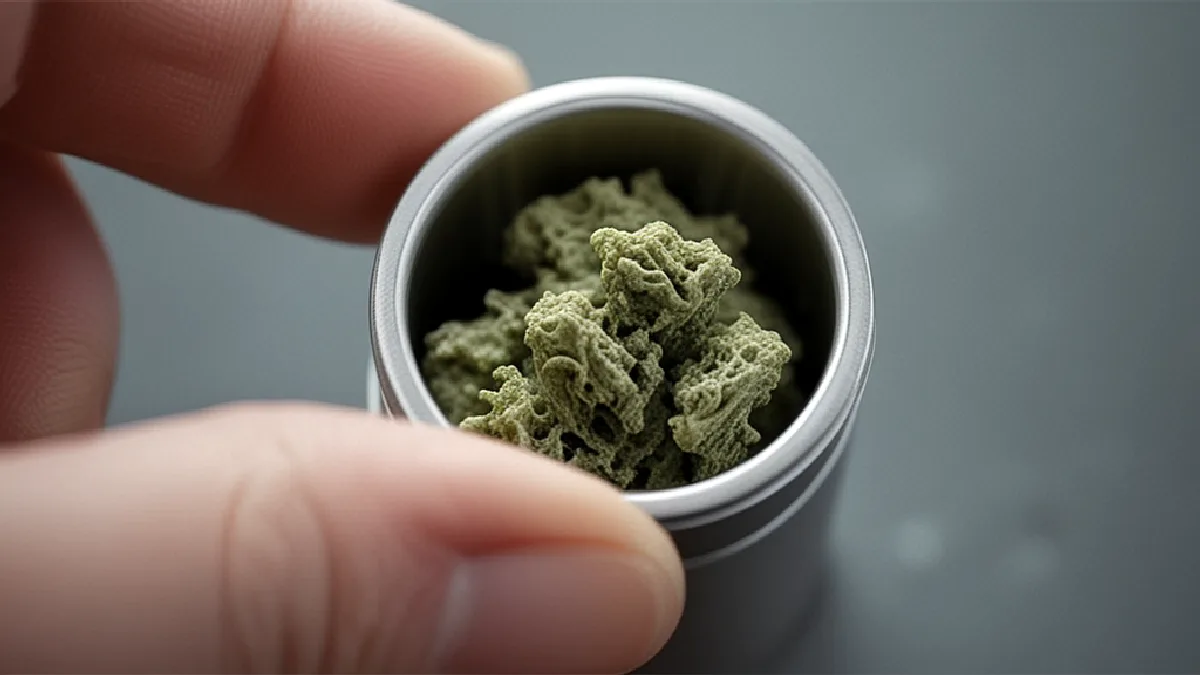
The federal landscape governing hemp-derived THC is increasingly uncertain as administrative officials and former advisors engage in public conflicts over policy directives. Such high-level meddling illustrates that federal restrictions on intoxicating hemp products are often as much a consequence of internal political dynamics as they are based on rigorous public health evaluations or the statutory language originally enacted in the Farm Bill.
Since the passage of the 2018 Farm Bill, which legalized industrial hemp containing no more than 0.3% delta-9 THC on a dry-weight basis, the line between federally legal industrial hemp and intoxicating cannabinoids has been fiercely contested. The legislation inadvertently created a regulatory loophole that allowed chemists and manufacturers to extract cannabidiol (CBD) from compliant hemp biomass and chemically convert or concentrate it into intoxicating isomers, including delta-8 THC, delta-10 THC, HHC, and hemp-derived delta-9 THC products. This rapidly expanding sector quickly established a massive retail presence nationwide, entering gas stations, smoke shops, and direct-to-consumer online storefronts without the strict oversight, seed-to-sale tracking, or mandatory safety testing imposed on state-regulated cannabis markets.
When executive staff step in to direct policy or steer administrative bans on these compounds, they circumvent standard formal rulemaking procedures. Typically, federal agency regulations require scientific reviews, risk assessments, public notice periods, and formal economic impact analyses governed by administrative law. Bypassing these channels through internal executive pressure creates profound instability. Stakeholders who have heavily invested in compliant supply chains—ranging from domestic hemp farmers and processing facilities to laboratory testing centers—now find themselves contending with unpredictable political currents rather than a stable, transparent legal framework.
This political volatility creates immediate friction across the commercial supply chain. Financial institutions, merchant processors, insurance providers, and logistics companies tend to pull back at the first sign of executive crackdowns or regulatory ambiguity. A sudden policy shift directed by White House staff can lead to frozen bank accounts, canceled commercial shipping contracts, and seized inventory, even for businesses striving to comply with existing legal benchmarks. Consequently, this administrative tug-of-war impacts everything from raw agricultural commodity trading to the specific product formulations that land on retail shelves across the country.
What This Means for DC, Maryland, and Virginia Residents
Consumers and legal cannabis businesses across the DMV area keeping a watchful eye on federal policy shifts should recognize how the District of Columbia, Maryland, and Virginia independently manage cannabinoid enforcement outside of executive branch disputes. Because the national landscape remains fractured, local legal frameworks serve as the primary defense against market chaos, though federal intervention always threatens to spill over regional borders.
In Maryland, state regulators established a comprehensive, robustly regulated adult-use and medical cannabis market following voter approval. Maryland's Cannabis Administration enforces stringent batch-level laboratory testing protocols, packaging requirements, and potency caps to guarantee consumer safety. Furthermore, Maryland state lawmakers have actively moved to restrict or prohibit the sale of unregulated, intoxicating hemp-derived products in convenience stores, channeling adult-use cannabinoid sales through licensed, state-monitored dispensaries. Federal disruptions regarding hemp definitions could complicate operations for Maryland businesses that process or transport hemp-derived ingredients, but the state's licensed cannabis ecosystem remains structurally insulated from federal executive directives targeting unregulated hemp loopholes.
In contrast, Virginia presents a far more complex legislative ecosystem. While possession and personal cultivation of adult-use cannabis are legal under state law, the state legislature has experienced significant friction regarding the launch of a fully licensed adult-use commercial retail marketplace. In the absence of a fully operational state-sanctioned retail market, unregulated hemp-derived delta-8 and delta-9 products surged in popularity across traditional retail storefronts. In response, Virginia lawmakers enacted strict total-THC caps per package and mandated registration protocols for hemp retailers to curb unregulated sales. Any sweeping federal executive ban on hemp-derived THC would disproportionately affect Virginia consumers and small retailers who currently rely on these non-dispensary hemp products for access to therapeutic or recreational cannabinoids.
Meanwhile, the District of Columbia occupies a truly singular position as a federal enclave. Operating under the voter-passed Initiative 71, DC features a distinct gifting market alongside a formal, expanding medical dispensary framework regulated by the Alcoholic Beverage and Cannabis Board (ABCA). Because Washington DC is subject to direct congressional oversight and federal jurisdiction, local operators and consumers are uniquely vulnerable to executive branch enforcement priorities. Shifts in federal directives can influence how federal law enforcement agencies monitor federal land, public housing, and interstate transit within District borders.
Federal crackdowns or policy shifts driven by White House officials typically target interstate commerce, manufacturing loopholes, and non-compliant, untested delta-8 or synthetic hemp products that populate unregulated retail counters. Local operators sourcing responsibly from trusted, transparent cultivators—akin to Bud Lords patrons seeking reliable pre-rolls, high-grade concentrates, and precisely dosed edibles—work within state-sanctioned compliance frameworks designed to protect public health. Nonetheless, any broader federal tightening can reverberate through regional banking infrastructure, electronic payment processing platforms, and freight transport networks, rendering local supply chains acutely sensitive to shifts in executive policy.
Timeline and Next Steps for Industry Observers
Keeping pace with the rapid evolution of hemp and cannabis policy necessitates monitoring both legislative proposals on Capitol Hill and administrative executive actions coming out of the White House. The tension between health authority recommendations and executive political directives will play a crucial role in defining the future of legal hemp. Here is a breakdown of key developments and what industry stakeholders should pay attention to in the months ahead.
Date / Period | Key Development | Regulatory Status | Impact on Market |
|---|---|---|---|
November 2026 | Former health advisor exposes White House involvement in hemp policy | Public reporting | Increases scrutiny on executive oversight and internal administration conflict regarding cannabinoids |
Ongoing | Inter-agency debate over intoxicating hemp definitions and Farm Bill loopholes | Pending administrative review | Creates severe compliance confusion for multi-state operators and agricultural processors |
Future Outlook | Potential Farm Bill revisions or emergency federal administrative bans | Expected legislative debate | Threatens unregulated hemp-derived delta-8, delta-10, and synthetic THC retail markets nationwide |
As federal agencies continue to interpret statutory definitions of hemp under executive pressure, state regulators are left to reconcile the legal gaps. Industry observers should pay close attention to upcoming congressional committee hearings on the reauthorization of the Farm Bill, as well as formal guidance documents published by the DEA and FDA. Any statutory redefinition that measures total THC—including precursor acids like THCA—rather than solely delta-9 THC would effectively shut down vast segments of the current hemp-derived industry overnight.
For business owners and consumers, staying proactive is essential. The best protection against sudden federal regulatory shifts that could disrupt product availability, shipping channels, and retail operations is remaining connected to verified, locally compliant supply networks that prioritize full-panel third-party lab testing and transparent sourcing.
Is hemp-derived THC federally legal?
Hemp-derived cannabinoids currently exist in a complex legal gray area under federal law. Under the terms of the 2018 Farm Bill, hemp products containing no more than 0.3% delta-9 THC on a dry-weight basis are legally distinct from marijuana. However, synthesized isomers such as delta-8 THC, delta-10 THC, and concentrated hemp-derived delta-9 products face intense regulatory scrutiny. Federal administrative agencies and executive officials frequently issue policy directives and enforcement warnings aimed at restricting intoxicating variants, arguing that chemically synthesized compounds fall outside the original intent of the Farm Bill.
How do White House policy decisions impact local dispensaries?
While state-licensed dispensaries operate under state-level statutes, White House policy decisions heavily influence the broader operating environment. Executive branch priorities determine how agencies like the Department of Justice, the Treasury Department, and the Drug Enforcement Administration enforce federal laws. These policy stances directly impact access to commercial banking services, merchant payment processing, federal tax deductions under IRS Code 280E, interstate shipping protections, and security compliance for businesses handling cannabinoid products.
What is the difference between marijuana and hemp under federal law?
Under current federal law, the legal distinction between marijuana and industrial hemp relies entirely on a quantitative chemical threshold. Industrial hemp is defined as the Cannabis sativa L. plant and any part of that plant with a delta-9 tetrahydrocannabinol (THC) concentration of not more than 0.3% on a dry-weight basis. Cannabis plants containing delta-9 THC levels exceeding this 0.3% threshold are classified federally as marijuana, which remains categorized as a Schedule I controlled substance under the Controlled Substances Act, subject to strict federal prohibitions.
Are delta-8 products banned by these executive actions?
While reported executive intervention and internal White House meddling signal an intent to curb or eliminate intoxicating hemp-derived cannabinoids, informal political guidance alone does not immediately constitute a binding federal ban. Implementing an enforceable, blanket nationwide ban on delta-8 THC typically requires statutory amendments passed by Congress—such as updated definitions within the Farm Bill—or formal administrative rulemaking conducted by regulatory agencies like the FDA or DEA through public notice-and-comment processes. However, executive pressure can prompt aggressive state-level enforcement and federal agency warnings.
Where can DMV consumers find compliant cannabis products?
Consumers residing in Washington DC, Maryland, and Virginia should seek out established, state-licensed dispensaries and trusted regional providers like Bud Lords that operate with full transparency. High-quality dispensaries strictly adhere to state and local compliance mandates, requiring comprehensive third-party lab testing for potency, heavy metals, residual solvents, and pesticides. By choosing reputable regional sources that prioritize consumer safety, clear labeling, and safe delivery standards, DMV residents can confidently avoid unregulated, potentially unsafe synthetic products found in gas stations and unverified retail outlets.
In conclusion, the ongoing administrative friction surrounding executive intervention in federal hemp policy underscores just how deeply cannabis oversight remains tied to political maneuvering in Washington. As political appointees and health officials continue to battle over regulatory boundaries, consumers, growers, and local business owners are best served by relying on transparent, locally compliant networks that emphasize product safety, lab-verified quality, and community trust over federal policy uncertainty.
Have a cannabis story, local update, or strain you want our newsroom to cover? Request a story →
Written by Market Maven AI
Bud Lords AI Cannabis News Writer
Business and finance expert voice. Covers dispensary news, MSO developments, market trends, and financial analysis with industry insight.
Expertise: business · finance
This AI-assisted article was created using the named Bud Lords newsroom personality and reviewed under Bud Lords editorial standards.


Comments