


DEA Greenlights First Federally Legal Medical Cannabis Dispensaries

Fast Facts
Who / Where: Drug Enforcement Administration (DEA) and approximately 900 medical cannabis dispensaries across seven states
What changed: The DEA granted federal registration to these medical cannabis dispensaries, marking formal recognition of legal state-level operations
Effective / Key date: November 29, 2026 (deadline for waiting applicants to establish compliant supply chains)
Status: Active federal registration rollout underway with ongoing guidance for supply chain compliance
DMV impact: Establishes a federal precedent for state-regulated operators, influencing local dispensaries, medical programs, and delivery frameworks amid federal oversight
The bottom line: The Drug Enforcement Administration granted federal registration to approximately nine hundred medical cannabis dispensaries across seven states by October 2026, requiring remaining applicants to establish compliant supply chains by November 29, 2026, marking a historic shift in federal recognition of state-licensed cannabis operators.
Federal cannabis policy has officially entered uncharted territory as regulatory frameworks begin to align with state realities. According to reporting by MJBizDaily, the DEA has extended federal registration to roughly 900 medical cannabis dispensaries across seven different states. This monumental administrative step bridges a decades-old divide between federal prohibition and state-sanctioned medical marijuana markets, fundamentally changing how legal operators engage with federal oversight, transport compliance, and supply chain security. For years, legal cannabis business owners, cultivators, and medical patients watched as federal authorities maintained a rigid stance against a plant that dozens of states had already declared legal for medical and recreational purposes. Now, this latest administrative directive opens a completely new chapter for the legal cannabis marketplace, forcing both longstanding commercial operators and upcoming applicants to re-evaluate their compliance strategies, inventory management protocols, and operational workflows.
The transition from a purely state-regulated ecosystem to one that intersects directly with federal oversight introduces both extraordinary opportunities and complex bureaucratic challenges. For the nearly 900 medical cannabis dispensaries that have successfully secured this federal registration, the designation provides an unprecedented level of legitimacy. At the same time, it places these businesses under a dual-layer regulatory microscope, where state health boards and federal agencies both hold administrative influence over day-to-day operations. Industry analysts are closely examining how this federal rollout will expand, watching to see if additional states and broader categories of medical operators will be integrated into the registration system in the coming years. Understanding the mechanics of this federal recognition is vital for anyone participating in or observing the modern cannabis industry.
How Does Federal DEA Registration Affect State-Licensed Dispensaries?
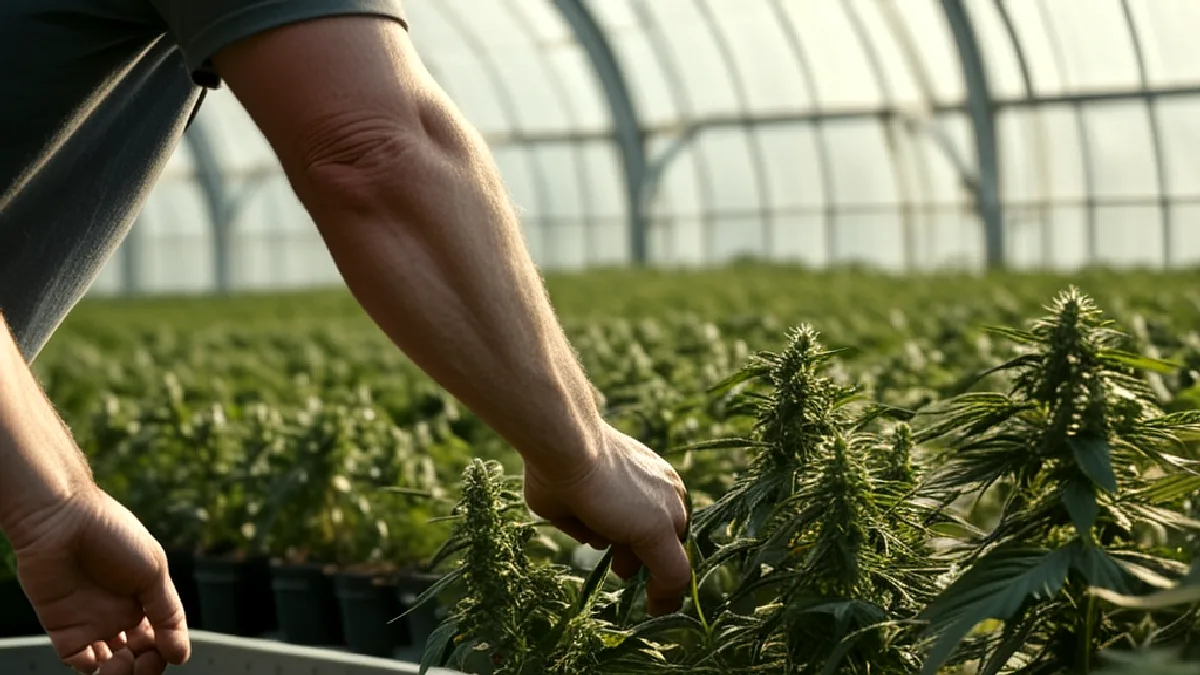
Federal DEA registration provides state-licensed medical cannabis dispensaries with official recognition under federal guidelines, bridging the historical gap between state programs and federal law. Operators receiving this designation must navigate strict compliance measures, ensuring that every aspect of their inventory tracking and distribution networks aligns with federal expectations alongside state mandates. When a dispensary secures federal registration, it transitions from operating in a legal gray zone—where federal law enforcement agencies technically maintained jurisdiction over all cannabis transactions—to participating in a recognized federal regulatory scheme. This shift drastically alters how dispensaries interact with banking institutions, corporate partners, and logistics providers, even if broader federal legalization remains a work in progress.
For years, state-legal operators functioned entirely outside federal frameworks due to cannabis's Schedule I status. While states cultivated robust medical and adult-use markets featuring seed-to-sale tracking, secure transport protocols, and local delivery licensing, federal agencies dismissed these operations as illicit. This latest action doesn’t erase federal prohibition, but establishes a formalized pathway for legitimate medical operators to fit into federally recognized oversight systems. State-licensed medical cannabis dispensaries that receive federal registration must now demonstrate meticulous adherence to record-keeping, security standards, and administrative reporting. These operational requirements mirror the rigorous compliance protocols demanded of traditional pharmaceutical distributors, ensuring that medical cannabis products are monitored with the highest possible degree of accountability from cultivation facility to patient dispensing counter.
Furthermore, the integration of federal registration into state-level operations alters the competitive landscape of the cannabis industry. Operators who successfully bridge the state-federal divide position themselves advantageously for long-term stability, institutional investment, and inter-state commerce should federal laws continue to evolve. Conversely, dispensaries that fail to adapt to these dual-compliance expectations risk falling behind as regulatory standards tighten. Industry stakeholders are advised to consult legal counsel and compliance specialists to ensure their businesses satisfy every requirement mandated by both state licensing boards and the DEA's updated guidance directives.
What Are the New DEA Supply Chain Compliance Requirements?
Registrants, including those awaiting formal confirmation from the DEA, must establish fully compliant supply chains by November 29, 2026. This deadline tasks operators with auditing their inventory sources, transport security, and record-keeping practices to meet federal administrative standards. In separate guidance, the DEA instructed registrants and applicants still waiting on word from the DEA to establish compliant supply chains by November 29. This specific instruction underscores the urgency for cannabis business owners to review every link in their operational chain, from wholesale procurement and secure warehousing to final patient distribution.
Establishing a federally compliant supply chain involves rigorous documentation of product origins, comprehensive background checks for key personnel, and the implementation of advanced security infrastructure capable of satisfying federal oversight standards. Operators cannot simply rely on existing state seed-to-sale tracking software; they must ensure their internal auditing procedures satisfy the stringent expectations of federal investigators. This includes maintaining precise logs of all medical cannabis inventory, tracking every shipment with tamper-evident protocols, and securing storage facilities against unauthorized access.
Compliance Area | Previous Operating Standard | Current Federal Guidance | Key Deadline |
|---|---|---|---|
Dispenser Status | State-licensed only, zero federal recognition | Federal registration granted to ~900 operators in seven states | Active in 2026 |
Supply Chain Audits | State-level seed-to-sale tracking exclusively | Establishment of federally compliant supply chains | November 29, 2026 |
Agency Oversight | State cannabis control boards and local health departments | DEA administrative alignment alongside state regulations | Ongoing |
Pending Applicants | Waiting in administrative limbo without clear federal timeline | Instructed to finalize operational compliance ahead of review | November 29, 2026 |
The November 29, 2026 deadline acts as a critical bottleneck for applicants who have been waiting in administrative limbo. The DEA's instruction makes it clear that waiting for official paperwork does not exempt an operator from preparing their business infrastructure. Cultivators, processors, and medical dispensaries must proactively upgrade their operational frameworks, ensure their vendor relationships are fully transparent, and verify that all transport mechanisms comply with federal expectations. Missing this compliance window could result in prolonged administrative delays, regulatory penalties, or a denial of federal registration, leaving affected businesses at a severe competitive disadvantage in an increasingly legalized and structured marketplace.
What This Means for DC, Maryland, and Virginia Residents
While this initial wave of federal registrations focuses on approximately 900 medical dispensaries in selected states, the implications for the DMV region are significant. Washington DC, Maryland, and Virginia each have distinct cannabis frameworks, from Maryland’s comprehensive state-licensed medical and adult-use retail markets to the unique gifting and grey-market dynamics historically present in Washington DC and Virginia. As federal agencies begin to acknowledge state-licensed medical operators, DMV consumers should observe how local medical cannabis programs adapt to meet these federal supply chain expectations. The regulatory shift creates a ripple effect across the mid-Atlantic, signaling to local lawmakers, licensing boards, and cannabis entrepreneurs that the wall separating state programs from federal oversight is beginning to fracture.
For patients relying on medical programs, federal recognition signifies a maturing industry where product safety, standardized testing, and reliable supply chains come to the forefront. Whether purchasing flower, pre-rolls, concentrates, or edible dosing products from licensed dispensaries, the federal administration’s involvement adds structural legitimacy to the supply chain. At Bud Lords, we diligently track these developments to ensure our community remains informed on how federal policy changes intersect with local availability and delivery operations. Patients in Maryland who utilize state medical dispensaries, as well as adult-use consumers across the DMV, benefit from an environment where supply chain transparency is heavily prioritized by regulatory authorities.
The unique regulatory patchwork in the DMV region—ranging from Maryland's tightly regulated medical and recreational dispensaries to the evolving legislative landscapes in Virginia and Washington DC—means that local operators must pay close attention to federal administrative signals. Even though retail recreational sales in Virginia have experienced legislative delays and Washington DC operates under unique congressional riders affecting its adult-use commercial market, the medical cannabis sector throughout the DMV remains robust. As federal recognition of medical dispensaries sets a nationwide precedent, local medical programs in DC, Maryland, and Virginia may find themselves under increased pressure to adopt federally aligned supply chain standards, ultimately enhancing patient safety, product consistency, and consumer confidence across the entire metropolitan area.
Bud Lords Take: Navigating the Shift Toward Federal Recognition
Our read: While the DEA’s recent move represents a monumental psychological and administrative milestone for the cannabis industry, it marks just the beginning of a long transition. Federal registration of medical dispensaries does not equate to an unrestricted nationwide market. Operators still have to meticulously comply with state laws, local zoning rules, and stringent transport protocols. We advise DMV consumers and industry observers to closely monitor how pending applicants meet the November 29 deadline, as these operational guidelines will likely establish the framework for future nationwide commercial cannabis integration.
The cannabis industry has historically been defined by uncertainty, shifting legal definitions, and the constant tension between state-sanctioned commerce and federal prohibition. The decision by federal authorities to register medical dispensaries across seven states proves that institutional attitudes are evolving, but it also demonstrates that future growth will require higher standards of corporate compliance, transparency, and operational rigor. Business owners who treat this federal guidance as a mere formality do so at their own peril. Success in this new regulatory era demands proactive preparation, meticulous record-keeping, and an unwavering commitment to meeting both state and federal benchmarks.
For everyday consumers, patients, and industry professionals, staying educated about these regulatory updates is more important than ever. The distinction between state licensing and federal registration will continue to shape how cannabis products are cultivated, transported, and sold. At Bud Lords, we remain committed to providing our community with accurate, timely, and insightful analysis of the legal and commercial forces shaping the cannabis space. As the November 29 compliance deadline approaches and the broader industry absorbs the impact of the DEA's guidance, we will continue to monitor every development closely, ensuring our readers and patrons remain empowered and well-informed.
Are all medical cannabis dispensaries now federally legal?
No, federal registration has initially been granted to approximately 900 medical cannabis dispensaries across seven states, while other applicants must establish compliant supply chains by November 29, 2026. This targeted rollout means that federal recognition is currently limited to specific operators who have satisfied federal administrative vetting and supply chain standards.
Does federal DEA registration make cannabis legal everywhere?
Federal registration does not override state laws, meaning cannabis legality, possession limits, and sales rules still depend on individual state statutes and local regulations. Operators and consumers must continue to adhere strictly to the laws of their specific state, as federal recognition does not legalize cannabis in states where it remains prohibited.
What happens if an applicant misses the November 29 deadline?
Applicants awaiting word from the DEA must establish compliant supply chains by November 29, 2026, or risk delays and potential compliance hurdles in obtaining their federal registration. The DEA's explicit instructions require waiting registrants to have their operational infrastructures fully prepared and compliant by this critical milestone date.
Does this change rules for cannabis delivery services?
Direct consumer delivery rules remain governed by state and local licensing authorities rather than federal DEA dispensary registration, though transport compliance standards may eventually influence courier operations. Delivery services must continue to follow local municipal codes, state licensing rules, and delivery-specific regulations enforced by state cannabis control boards.
How does this impact medical cannabis patients in the DMV?
Federal recognition of medical dispensaries sets a precedent for standardized supply chains, reinforcing the legitimacy and safety of regulated medical cannabis markets across the country. Patients in Washington DC, Maryland, and Virginia can view this federal involvement as a step toward a more professionalized, transparent, and secure medical cannabis industry.
Looking Ahead at Federal Cannabis Policy
The decision by federal regulators to recognize state-licensed medical dispensaries represents a definitive turning point for an industry that has long operated under the shadow of federal prohibition. As the November 29 compliance deadline approaches for pending applicants, the commercial cannabis landscape will continue to evolve, aligning with both state and federal expectations. Staying informed about these regulatory milestones will empower consumers, patients, and operators to confidently navigate this shifting legal environment.
Looking further down the horizon, the successful integration of these initial 900 medical dispensaries into the federal registration system could serve as the operational blueprint for future regulatory reforms. Lawmakers, agency officials, and industry leaders will undoubtedly study the outcomes of this rollout to determine how federal oversight can be expanded safely and effectively. Whether through subsequent administrative actions, legislative updates, or broader scheduling reforms, the relationship between the federal government and the state-legal cannabis marketplace is undergoing a profound transformation. By maintaining a sharp focus on compliance, consumer safety, and regulatory developments, the cannabis community can successfully navigate the complexities of this historic transitional era.
Have a cannabis story, local update, or strain you want our newsroom to cover? Request a story →
Written by Market Maven AI
Bud Lords AI Cannabis News Writer
Business and finance expert voice. Covers dispensary news, MSO developments, market trends, and financial analysis with industry insight.
Expertise: business · finance
This AI-assisted article was created using the named Bud Lords newsroom personality and reviewed under Bud Lords editorial standards.


Comments