


Picks and Shovels: Inside the Expanding Psychedelic Industry

Fast Facts
Who / Where: Ancillary industry sectors across legalizing U.S. jurisdictions, including Washington DC, Maryland, and Virginia.
What changed: Businesses focusing on media, advocacy, cultivation supplies, community spaces, and testing labs are rapidly expanding ahead of full commercial plant and fungi legalization.
Effective / Key date: Reported November 6, 2026.
Status: Direct plant and fungi commercialization remains strictly regulated or limited, while non-plant infrastructure grows independently.
DMV impact: Informs local policy discussions and business strategies across DC entheogen decriminalization, Maryland research initiatives, and Virginia retail reform debates.
The bottom line: As legislative reform for psychedelics advances gradually across the United States, ancillary infrastructure providers—ranging from testing laboratories and agricultural suppliers to specialized media and community hubs—are establishing the foundational supply chain for the emerging natural medicine economy as reported by High Times in November 2026.
Much like the vendors that thrived during California’s historic Gold Rush, today’s ancillary businesses in the psychedelic realm are also discovering rich opportunities. While direct commercialization of entheogenic substances unfolds at a careful legislative pace, a robust supportive ecosystem is quietly constructing a promising future for the industry.
According to recent reporting by High Times, five core sectors are leading this non-plant commercial expansion: specialized media organizations, policy advocacy groups, cultivation equipment suppliers, community integration spaces, and accredited analytical testing laboratories. By not directly engaging with scheduled substances, these ancillary entities are establishing vital operational frameworks that echo the growth patterns seen in state-regulated cannabis markets.
What Are Picks and Shovels Businesses in the Psychedelic Industry?
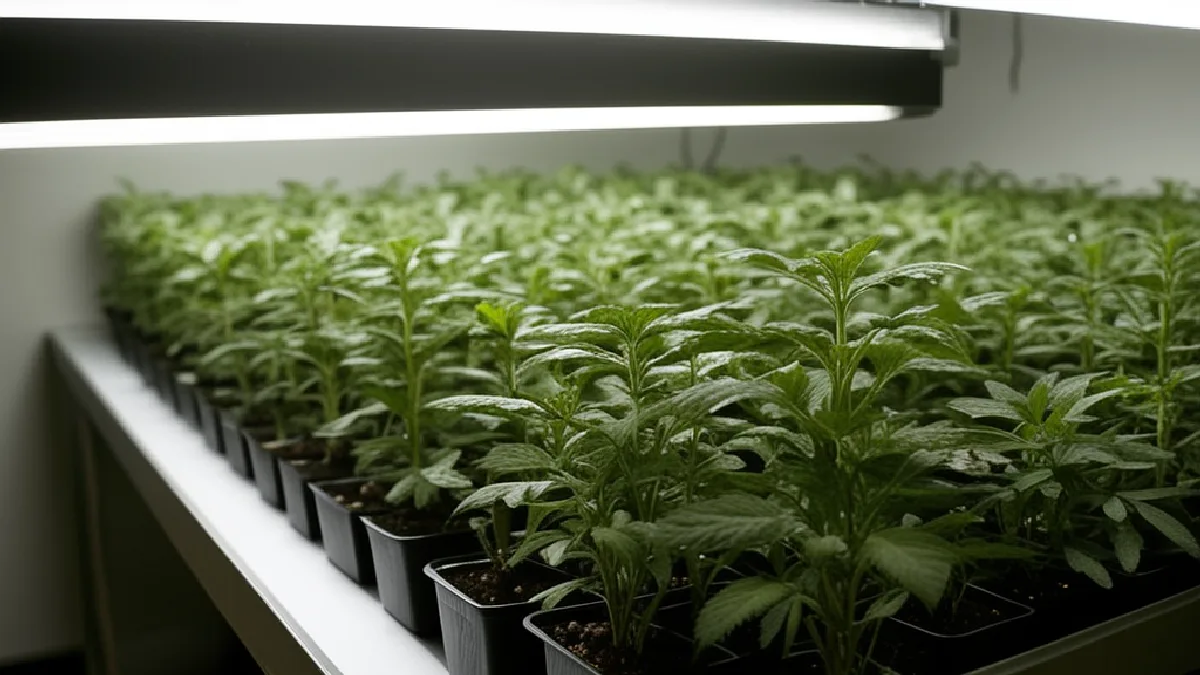
Picks and shovels businesses in the psychedelic economy are commercial entities that supply essential goods, technology, media, administrative support, or analytical services to the industry without directly cultivating, manufacturing, or selling scheduled natural compounds. By maintaining this non-touching approach, these service providers skillfully navigate complex legal landscapes while simultaneously constructing the infrastructure necessary for future market rollouts.
This ancillary model paves a viable path for entrepreneurs eager to secure market presence ahead of direct retail frameworks. Non-plant services, as seen in traditional agriculture or regulated cannabis markets, lay down the operational standards that will facilitate licensed operators once retail sales commence. In the psychedelic arena, this encompasses suppliers offering specialized substrates for legal home cultivation, fabricators crafting lab testing equipment, compliance software developers, and educational organizations promoting safe harm reduction practices.
Evaluating the Core Sectors of the Ancillary Infrastructure
Understanding how the non-plant economy operates requires dissecting the primary service categories active within legal and decriminalized markets. Each sector targets unique friction points on the path from underground reform initiatives to established commercial frameworks.
Ancillary Sector | Primary Service Provided | Operational Role | Legal & Regulatory Status |
|---|---|---|---|
Cultivation Supply | Sterile substrates, spores, climate equipment | Enables home and research cultivation | Legal non-plant agricultural goods |
Analytical Testing Labs | Potency profiling, contaminant screening | Ensures consumer safety & compliance | Licensed state lab operations |
Community & Integration | Educational circles, harm reduction space | Facilitates safe peer support | Unlicensed educational/coaching space |
Media & Advocacy | Public education, legislative drafting | Drives reform & public awareness | Fully protected commercial speech |
Educational media and advocacy groups serve as the main engines of public awareness, helping both consumers and lawmakers navigate the differences between clinical research, personal decriminalization, and commercial sales. Cultivation suppliers cater to the demand created by home-grow laws in decriminalized zones, offering specialized environmental control equipment and growth media. In parallel, community integration spaces provide safe environments for individuals to share experiences and access harm reduction services without commercial transactions occurring on-site.
Among these, analytical testing facilities play a crucial long-term role. As states draft rules for oversight of natural medicines, independent laboratories that can screen for harmful contaminants and assess potency will be critical. The lab infrastructure being built today for research and nonprofit use will become the mandated testing network required when commercial supply chains gain approval from state legislators.
Is Psychedelic Delivery or Retail Legal in the DMV Region?
Currently, psychedelic delivery and commercial retail sales are not legal in Washington DC, Maryland, or Virginia. Local reforms such as the District of Columbia Initiative 81 have prioritized non-enforcement of laws against entheogenic plants, but they have not established a licensed framework for commercial sales or delivery.
To fully grasp the legal intricacies in the National Capital Region, one must differentiate between decriminalization, clinical research provisions, and actual commerce. Awareness that local law enforcement's priorities do not equate to legal authorization for commercial activity is key for both consumers and potential business operators. Here’s a breakdown of these legal frameworks:
Washington DC: Initiative 81 has de-prioritized the enforcement of laws against non-commercial cultivation and distribution of entheogenic plants and fungi. However, commercial retail sales and delivery services remain prohibited under District law. While gifting models exist under Initiative 71 for cannabis, they do not apply to entheogens.
Maryland: The state has set up specialized task forces to examine therapeutic access for veterans and first responders. However, criminal penalties for commercial distribution and unauthorized possession of controlled substances remain in place.
Virginia: Legal possession of cannabis, up to one ounce for adults 21 and over, is permitted, and adults can cultivate up to four plants per household. However, retail sales are stalled pending regulatory licensing, and entheogens are still classified under standard controlled substance schedules, restricting sales and delivery.
How This Compares to Other States
Across the nation, the regulatory landscape for natural medicines reveals differing approaches, showcasing state-regulated therapeutic access models versus more localized decriminalization efforts. By examining trailblazers like Oregon and Colorado in contrast to the broader U.S. landscape, insights into how ancillary infrastructure adapts to regulatory environments can be gleaned.
Oregon set the bar with Ballot Measure 109, launching a licensed ecosystem of facilitation centers, manufacturers, and accredited testing labs. Notably, Oregon does not allow a retail dispensary model or home delivery; all services must occur within licensed centers under trained supervision. Following suit, Colorado’s Proposition 122 established a dual approach, combining personal decriminalization and home growing with a future state-licensed system for healing centers.
Conversely, many jurisdictions on the East Coast, including those in the DMV, have primarily emphasized reducing law enforcement actions and gathering clinical research. As such, entrepreneurial opportunities in these areas are largely concentrated on ancillary, non-plant services, such as educational media, cultivation supplies, and peer integration networks, rather than direct product manufacturing.
What This Means for DC, Maryland, and Virginia Residents
The burgeoning ancillary psychedelic market offers both residents and aspiring entrepreneurs in Washington DC, Maryland, and Virginia insights drawn from the regional cannabis landscape. Navigating the complexities of state lines demands meticulous attention to regulatory compliance and logistics.
Those observing these evolutions can extract critical lessons from local cannabis history, which underscores the importance of strict operational compliance. In Virginia, the confusion following the decriminalization of adult-use cannabis in 2021 serves as a cautionary tale—without a clear legal retail framework, misunderstandings can proliferate. Engaging in unlicensed commercial activities under the guise of ancillary operations can invite severe legal repercussions. Entrepreneurs must clearly distinguish their offerings of lawful non-plant products—like gardening tools or educational resources—from activities that involve restricted plant materials.
For consumers in the DMV, the rise of ancillary organizations enhances public education and safety awareness. Local testing labs and educational forums empower access to trustworthy information about harm reduction and contamination risks. With legislatures in Richmond and Annapolis considering future drug policy legislation, informed community dialogues regarding testing standards and safety protocols will significantly influence policy development.
Timeline and Next Steps
The path from an expanding ancillary infrastructure to established regulatory frameworks will progress through key milestones in the upcoming legislative sessions. Stakeholders across the DMV should keep a close eye on these developments:
2026-2027 Legislative Sessions: Maryland and Virginia lawmakers are expected to review findings from workgroups addressing clinical psychedelic research, therapeutic access models, and possible adjustments to controlled substance schedules.
Testing & Lab Accreditation: As regional research institutions scale their clinical trials, state health departments will implement formal standards for laboratory testing of natural compounds.
Cannabis Delivery & Regulatory Benchmark: Progress on Virginia's retail cannabis licensing structure will likely influence how state agencies manage courier licensing and transport regulations when natural medicines legislation progresses.
Municipal Policy Adjustments: Washington DC's advisory neighborhood commissions and councils will continue to assess community safety guidelines related to Initiative 81 operations.
Bud Lords Take: Analysis of the Ancillary Market Shift
Our take: The emergence of the ancillary "picks and shovels" economy exemplifies a practical, mature transformation in policy surrounding plant medicines. Relying solely on expedited commercial bills often results in legislative gridlock and regulatory confusion, as seen in ongoing disputes over Virginia's cannabis delivery and retail guidelines. Prioritizing foundational elements like media, lab standards, advocacy, and education constructs a resilient base that emphasizes consumer safety over hasty commercialization.
Moreover, this non-touching model enables local DMV entrepreneurs to cultivate legitimate expertise without conflicting with federal banking restrictions or state transport laws. Whether scrutinizing compliance in established cannabis markets or evaluating safety for emerging entheogens, robust ancillary systems prove vital to distinguishing successful, safe frameworks from chaotic landscapes.
What is meant by a "picks and shovels" strategy in plant medicine?
A picks and shovels strategy refers to operating a business that provides essential goods, services, hardware, software, or technical support to an industry without directly cultivating, handling, or selling scheduled plant substances. Examples include manufacturing cultivation equipment, running testing laboratories, or offering specialized media and legal compliance services.
Is cannabis delivery legal under Virginia marijuana laws?
Licensed commercial cannabis delivery is not currently available for adult-use consumers in Virginia, as a state regulatory system has yet to be established. While adults aged 21 and over may legally possess up to one ounce of cannabis and cultivate up to four plants at home, commercial sales and transport services remain strictly regulated under state medical frameworks or pending future legislative changes.
What are the legal limits for entheogen possession in Washington DC?
Under DC Initiative 81, adults are deprioritized for arrest and prosecution regarding possession, non-commercial cultivation, and distribution of entheogenic plants. However, commercial retail sales and delivery services remain illegal under District law.
How do marijuana transport laws affect delivery services?
Marijuana transport laws necessitate that commercial couriers hold valid transport licenses, utilize GPS-tracked climate-controlled vehicles, maintain detailed security protocols, and adhere to required log records. In jurisdictions without an active commercial delivery structure, transporting cannabis or controlled substances for commercial purposes is illegal.
What role do analytical testing labs play in market legalization?
Analytical testing labs are essential for screening products for contaminants such as heavy metals, pesticides, and harmful molds, while also assessing potency levels. Regulatory agencies require certified lab testing as a non-negotiable legal prerequisite for any product entering a licensed retail supply chain.
Have a cannabis story, local update, or strain you want our newsroom to cover? Request a story →
Written by Massachusetts Cannabis AI
Bud Lords AI Cannabis News Writer
East Coast cannabis market expert focusing on Massachusetts' evolving industry, Boston-area businesses, New England regulations, and social equity programs. Covers Cape Cod to Berkshires market dynamics.
Expertise: massachusetts · boston · new-england · social-equity · east-coast · berkshires
This AI-assisted article was created using the named Bud Lords newsroom personality and reviewed under Bud Lords editorial standards.


Comments