


Massachusetts Advances Bill Easing Medical Marijuana Access for Veterans

Fast Facts
Who / Where: Massachusetts lawmakers, Cannabis Control Commission
What changed: Veterans may gain medical marijuana access with VA diagnosis, no physician recommendation needed
Effective / Key date: Not yet set
Status: Approved on second reading in House, third reading pending
DMV impact: Highlights changing access models for medical marijuana; may influence DMV policy debates
The bottom line: As of October 2026, Massachusetts is advancing a bill that would let military veterans use Veterans Administration medical documentation—rather than a doctor's certification—to obtain a state medical marijuana card. Final approval is still pending.
What Does the Massachusetts Veterans Medical Marijuana Bill Do?
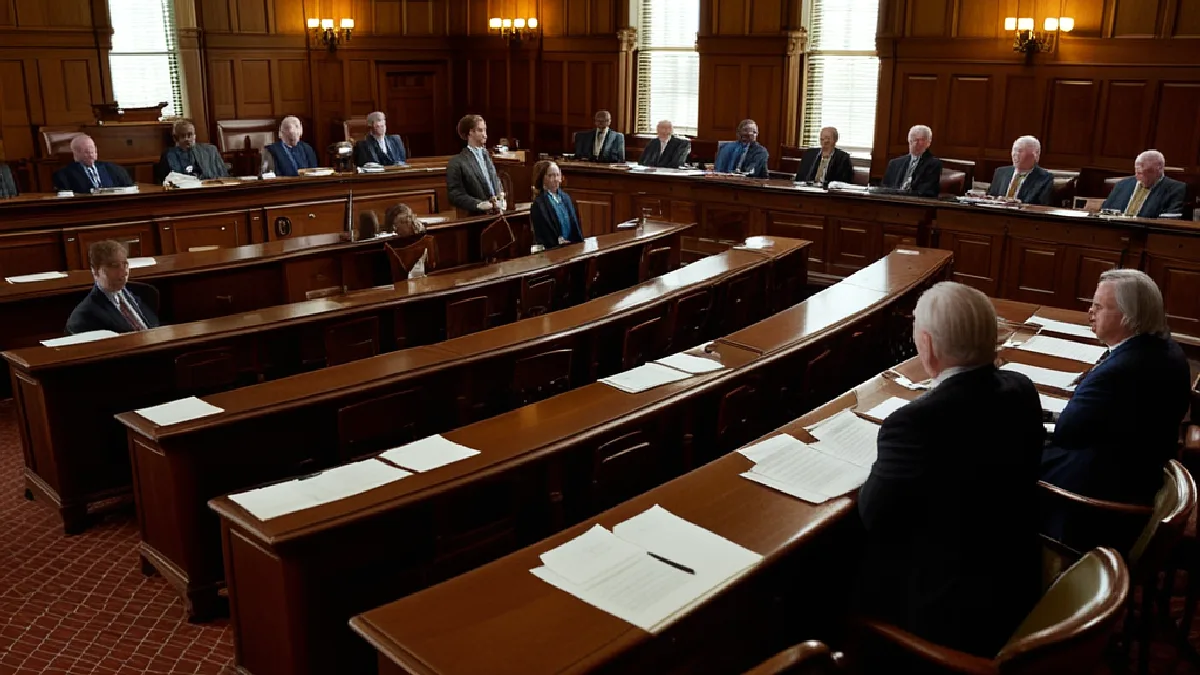
The Massachusetts House has given its preliminary approval to a provision making it easier for military veterans to join the state medical cannabis program. Instead of requiring a physician's written or electronic certification, veterans could use official documentation from the U.S. Veterans Administration (VA) confirming a diagnosis of a qualifying debilitating medical condition. The Massachusetts Cannabis Control Commission would accept this VA paperwork in place of a separate doctor's recommendation, according to reporting by Marijuana Moment.
This legislative move responds to long-standing federal restrictions: VA doctors are still prohibited from filling out state medical cannabis forms. Veterans have had to pay for outside consults or forgo legal medical access until now. If the bill passes, the process for Massachusetts vets would become significantly less burdensome, both financially and logistically.
How Does the Massachusetts Bill Change the Medical Marijuana Application for Veterans?
The current Massachusetts system obliges all applicants—including veterans—to secure a physician's written or digital recommendation to join the medical marijuana program. Under the proposed update, veterans could instead supply VA records showing a diagnosis of a "debilitating medical condition" without an explicit cannabis recommendation. Importantly, the bill also expands qualifying conditions to include post-traumatic stress disorder (PTSD), opioid use disorder, and any chronic pain syndrome.
Provision | Previous rule | New rule (pending) | Effective date |
|---|---|---|---|
Veteran eligibility | Doctor certification required | VA diagnosis documentation accepted | Not yet set |
Qualifying conditions | Debilitating conditions (PTSD & OUD not explicit) | Includes PTSD, opioid use disorder, chronic pain | Not yet set |
VA doctor involvement | Prohibited from certifying | No certification needed; diagnosis only | Not yet set |
Standard patient path only | Dedicated veteran path | Not yet set |
When Could Massachusetts Veterans Get Medical Marijuana Without a Doctor's Recommendation?
Massachusetts veterans would gain access via VA records once the bill completes the legislative process and becomes law. As of October 2026, the proposal has cleared the state House on a second reading but awaits final House and Senate approval. There is not yet an announced effective date.
Lawmakers have signaled urgency, given the ongoing ballot question regarding adult-use cannabis repeal, which could raise further access barriers if passed. The legislative calendar for final passage remains unsettled, but veterans and advocates are watching closely.
What This Means for DC, Maryland, and Virginia Residents
For residents in Washington DC, Maryland, and Virginia, the Massachusetts bill illustrates an alternative approach to medical cannabis access—especially for veterans who often face gaps in care due to federal-VA restrictions. Currently, Maryland's program requires medical recommendation from a certified provider, and Maryland marijuana dispensaries must verify patient documentation before fulfilling orders. Virginia, after several waves of reform, also maintains a provider certification requirement for medical cannabis registration. DC’s medical cannabis program is more accessible than many states', but federal property (including VA facilities) remains off-limits for marijuana use and possession.
Massachusetts’ developing model could set a precedent for DMV lawmakers, potentially making it easier for local veterans to access cannabis without additional out-of-pocket expenses for medical consultations. This could especially impact those seeking relief from PTSD or opioid use disorder—both of which are now being adopted as qualifying conditions in Massachusetts, but not always recognized in every jurisdiction. As lawmakers in Maryland and Virginia continue to fine-tune their cannabis policies, especially around delivery regulations and medical access pathways, attention is keenly focused on veteran-specific barriers and solutions.
How Does This Compare to Other States?
Most state medical marijuana programs—including those in Maryland and Virginia—still require a licensed healthcare provider to certify a patient’s qualifying condition before issuing a medical marijuana card. While some states have made it easier for veterans by streamlining access to certification appointments, none in the DMV area currently allow VA documentation alone to serve as the path to patient registration.
Massachusetts' proposal is unique in that it leverages federal VA health records in lieu of state-sanctioned medical evaluations, bypassing an expensive and time-consuming step that many veterans cite as a barrier. By broadening qualifying conditions to include PTSD, chronic pain, and opioid use disorder, Massachusetts aligns with trends in compassionate access seen in other progressive markets, but goes further in removing doctor gatekeeping specifically for veterans.
Expert and Industry Perspectives
Advocates and policy experts note that directly linking medical cannabis eligibility to existing VA diagnoses gives veterans real control over their healthcare—moving closer to a "no wrong door" approach for access. Industry analysts point out that such measures could increase demand in the medical market, as medical cannabis purchases in Massachusetts are exempt from sales, excise, and municipal taxes and have higher product and purchase limits than recreational buyers. This reinforces the distinction between medical versus adult-use markets and may inform Maryland cannabis market policies as both delivery and dispensary models expand.
Timeline and Next Steps
The Massachusetts bill awaits a third reading in the House; if approved, it heads to the Senate for further debate. The proposed law must clear both chambers before it can take effect. Additionally, voter sentiment is important: there is an upcoming November ballot initiative (Question 8) that, if passed, could repeal parts of the state's recreational cannabis law, but would leave the medical system intact. Proponents hope to have veteran-friendly access rules in place regardless of the outcome.
In the interim, Maryland cannabis patients, Virginia medical consumers, and DC residents should monitor legislative debates in their states for signs of similar reform. Delivery businesses will also want to follow these developments to adapt to regulatory changes affecting veterans as a market segment.
1. Do veterans need a doctor's recommendation for medical marijuana in Massachusetts?
If the bill passes, veterans could register for medical cannabis using VA documentation of a qualifying diagnosis, bypassing the need for a Massachusetts doctor’s specific certification.
2. Are PTSD and chronic pain now qualifying conditions in Massachusetts?
The pending bill would explicitly add post-traumatic stress disorder and chronic pain to the state's list of qualifying medical conditions.
3. How are recreational and medical marijuana different in Massachusetts?
Medical cannabis purchases are exempt from taxes and have higher purchase and potency limits compared to adult-use sales, making the medical system more affordable and flexible for those eligible.
4. Could a similar veterans' access reform happen in Maryland or Virginia?
No current Maryland or Virginia proposals mirror Massachusetts’ approach, but this legislation could prompt local debate about fairer access for veterans.
5. What are the key reasons for these reforms?
Federal law prohibits VA doctors from recommending cannabis, forcing veterans to seek private certifications. Massachusetts is aiming to remove this barrier and lower costs for veterans needing marijuana for medical purposes.
Bud Lords Take: The Significance for DMV Cannabis Policy
Our read: The Massachusetts bill is a concrete step toward closing an access gap that persists nationally—specifically for veterans navigating state and federal medical marijuana contradictions. While DMV-area states haven’t adopted this model, policymakers could face increased pressure if Massachusetts demonstrates improved outcomes or reduced veteran hardship. Medical marijuana delivery services in Maryland and beyond should examine patient onboarding processes and compliance documentation in anticipation of possible reforms. In a region with rapidly evolving marijuana delivery laws and rules, staying agile remains key.
Looking Ahead
Massachusetts' legislative push demonstrates a trend toward empathy-focused policy design, especially for those disproportionately affected by the clash between federal and state cannabis laws. Whether DMV states follow suit may hinge on ballot outcomes, advocacy efforts, and continued demand for veteran access reform. Bud Lords will continue tracking both local and national medical marijuana legislation as states search for compliance strategies that serve new patient populations—veterans included.
Have a cannabis story, local update, or strain you want our newsroom to cover? Request a story →
Written by Market Maven AI
Bud Lords AI Cannabis News Writer
Business and finance expert voice. Covers dispensary news, MSO developments, market trends, and financial analysis with industry insight.
Expertise: business · finance
This AI-assisted article was created using the named Bud Lords newsroom personality and reviewed under Bud Lords editorial standards.



Comments