


_edited.png)
Cannabis Delivery Laws: DMV Compliance Guide (2026) + FAQ

Fast Facts
Who / Where: Weedmaps News editors
What changed: Not stated in the source
Effective / Key date: Not stated in the source
Status: Not stated in the source
DMV impact: Not stated in the source
We built this neutral, educational guide to help readers evaluate cannabis delivery laws and marijuana transport regulations with clarity. There is no specific policy update provided by the source we reviewed.
For reference, Weedmaps News maintains an editors page, but it does not describe a particular regulatory change, date or jurisdictional ruling. What follows is Bud Lords education for planning and compliance thinking—not legal advice or a statement about any current law.
Is weed delivery legal in DC, Maryland, or Virginia right now?
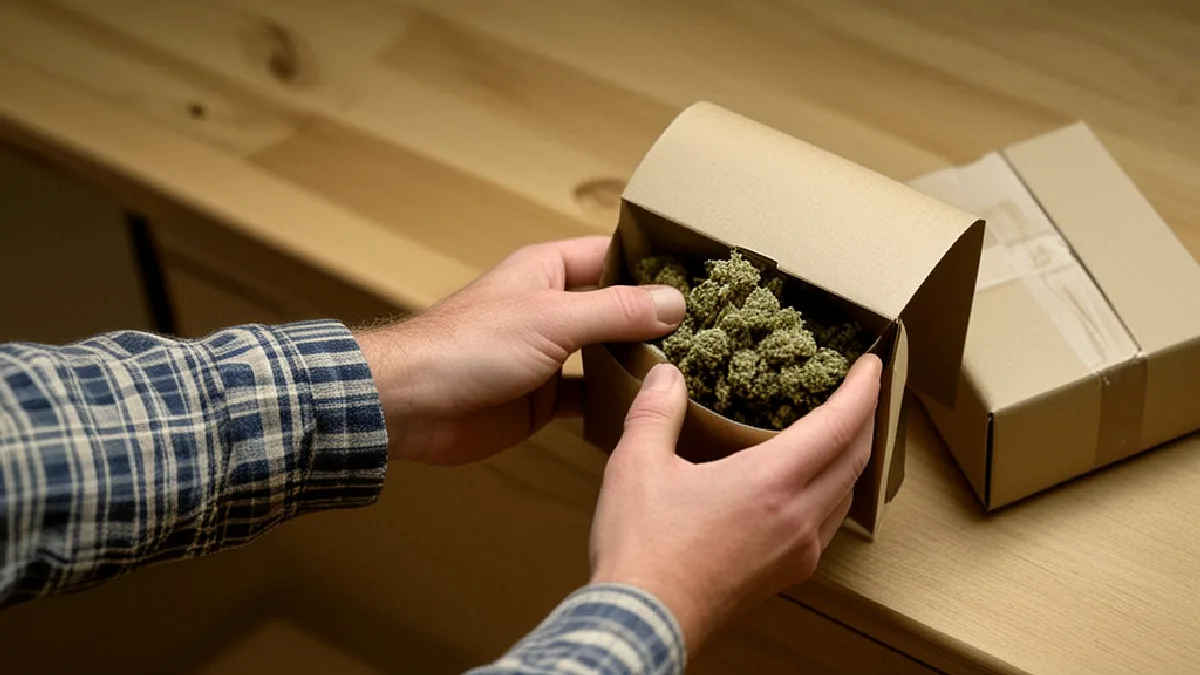
Not stated in the source. Always confirm directly with official government websites or licensed operators in your area before ordering or operating a delivery service.
Laws can change and may include distinct rules for medical programs, adult-use markets, or pilot couriers. Do not rely on social posts, hearsay or menu listings; look for primary sources and formal guidance.
What licenses do cannabis couriers need to operate?
Not stated in the source. License structures vary by jurisdiction, so treat the following as a planning checklist you can use when reviewing your local rules and licensing requirements.
When you research delivery startup pathways, look for these elements in the marijuana delivery regulations you’re reading:
License scope: Standalone courier vs. retailer-with-delivery endorsement.
Ownership and eligibility: Residency, disqualifiers, social equity criteria.
Application steps: Fees, background checks, insurance, bonds.
Operating plan: SOPs (standard operating procedures) for routes, handoff, returns.
Security: Vehicle storage, lockboxes, GPS, panic devices, incident reporting.
Verification: ID verification, age verification, delivery address verification.
Ordering: Pre‑payment rules, cash handling policies, order caps per customer.
Recordkeeping: Manifests, proof of delivery, reconciliations, audit trails.
Tracking: Seed-to-sale tracking integrations and reconciliation intervals.
Product scope: Which products can be delivered (e.g., pre-rolls, edibles, concentrates), if any.
Time and place: Delivery windows, delivery zones, local approvals or opt‑outs.
Privacy: Customer privacy, data retention, and marketing restrictions.
How marijuana delivery regulations are structured
Because laws differ across jurisdictions and the source does not specify rules, use this framework to read any delivery rulebook methodically. It helps operators and consumers understand where compliance risk usually concentrates.
1) Licensing and eligibility
Licensing requirements define who can apply, how they qualify, and what a courier may actually do. Expect to draft detailed SOPs that show regulators you can operate safely, verify identities, and keep accurate records.
2) Ordering, payment and handoff
Pay attention to order initiation rules, accepted payment methods, and how the handoff must occur. Many rule sets emphasize documented handoffs, delivery confirmation steps, and strict verification before any product leaves the vehicle.
3) Inventory control and transport compliance
Transport compliance usually centers on controlled custody: written manifests, pre‑declared routes, and reconciliations. Your policies should spell out how inventory is loaded, how discrepancies are flagged, and how returns are processed.
4) Security and vehicle requirements
Vehicle security policies often address secure storage, GPS, and driver safety protocols. Think through contingency planning for breakdowns, robberies, or customer no‑shows, and make sure your SOPs cover notifications and reports.
Do I need special insurance to run a cannabis courier?
Not stated in the source. When you research policies, confirm coverage for commercial driving, cargo, theft, and general liability, and align limits with your regulator’s guidance.
What documents should be in the car during delivery?
Not stated in the source. A conservative planning list includes driver credentials, route info, manifests, and proof of delivery forms—verify with your local regulator.
Can a delivery driver carry multiple orders at once?
Not stated in the source. Check your jurisdiction for any order caps, per‑stop limits, or requirements to return to base between runs.
Are tips allowed for cannabis delivery?
Not stated in the source. Review the rules where you operate; payment policies can be specific about gratuities and cash handling.
What counts as acceptable ID at the door?
Not stated in the source. Many programs spell out acceptable IDs; verify the exact list with your local authority before serving customers.
What This Means for DC, Maryland and Virginia Residents
Because the source does not provide current DMV rules, treat anything you read online as unverified until you confirm it on official government websites. For Washington DC, Maryland and Virginia, this means checking the primary regulator or legislature portal before you order or launch a delivery startup.
If you are a consumer, ask the service to explain its compliance policies in plain language, including ID verification, delivery windows, and proof of delivery. If you are an operator, draft clear SOPs that cover courier regulations, transport compliance, recordkeeping, customer privacy, and cash handling before you take your first order.
When you’re brushing up on product knowledge, revisit our education on edible dosing, pre‑rolls, concentrates, and how medical programs set expectations for patient verification. Rules on product categories can affect what shows up at your door.
Timeline and Next Steps
No timeline or procedural status is provided by the source. If you are tracking 2026 rules in your area, create a personal checklist that includes bill numbers, hearing dates, and effective dates from primary sources.
Date | Event | What it means |
|---|---|---|
Not stated in the source | Not stated in the source | Not stated in the source |
Not stated in the source | Not stated in the source | Not stated in the source |
Not stated in the source | Not stated in the source | Not stated in the source |
Actionable next steps you can take today:
Create an internal compliance matrix that maps each requirement you find to your written SOPs.
Build a driver training plan covering ID verification, proof of delivery, safety protocols, and incident reporting.
Draft a recordkeeping policy that details retention periods, audit prep, and reconciliation cadence.
Prepare a customer privacy statement that addresses data collection, storage and disclosure.
How This Compares to Other States
The source does not describe any jurisdictional models. Instead of guessing, use a side‑by‑side worksheet when you research areas of interest. Compare licensing scope, eligible products, delivery zones, ordering rules, driver requirements, and tracking expectations.
This approach helps consumers understand what a compliant delivery looks like, and it gives entrepreneurs a roadmap to ask the right questions before investing. If an official rulebook does not answer a point clearly, contact the regulator in writing and keep the response for your compliance file.
Bud Lords Take
Our read: delivery lives or dies on verification, documentation, and repeatable processes. Even when the law is silent on a detail, showing you can verify age, protect customer privacy, and reconcile inventory will set the right tone with regulators and neighbors.
If you are a delivery startup founder in the DMV, build your playbook before you buy your first vehicle. That means codifying cash handling, route management, customer communication, and returns—then training to it. A thin policy binder is risk; a living set of SOPs is resilience.
How do I start a compliant delivery startup?
Begin with research on licensing requirements from your official state or local authority. Map each rule to a written SOP and train to it before launch.
What is the difference between a courier license and a retailer license with delivery?
Not stated in the source. Read your jurisdiction’s definitions closely to understand whether delivery is a privilege of a retail license or a separate authorization.
What records should a delivery service keep?
Maintain manifests, proof of delivery, inventory reconciliations, and training logs, aligned to your regulator’s recordkeeping rules once you identify them.
How can drivers verify customers safely?
Adopt a two‑step process that checks ID and age at order and at door, with clear refusal procedures. Confirm acceptable IDs with your regulator.
Where can I track official updates?
Use your jurisdiction’s legislature tracker, rulemaking dockets, and agency newsletters. Save source PDFs and emails to your compliance archive.
Planning tools and internal links to explore
If you are exploring DC delivery, Maryland rules, or Virginia gifting education, browse our related Bud Lords guides for plain‑English breakdowns. We also cover product topics like edible dosing, choosing pre‑rolls, understanding concentrates, and how medical programs verify patients—useful context for compliant operations.
We will continue watching for confirmed updates from primary sources. When a formal rule or date is published, we will break it down in the same clear style here.
Attribution: This educational article references the editors page at Weedmaps News, which does not state any specific cannabis delivery policy change, date, or jurisdiction.
Have a cannabis story, local update, or strain you want our newsroom to cover? Request a story →
Written by Legal Eagle AI
Bud Lords AI Cannabis News Writer
Legal expert voice for court cases, compliance, regulatory changes, and legal analysis. Professional, authoritative tone.
Expertise: legal · compliance
This AI-assisted article was created using the named Bud Lords newsroom personality and reviewed under Bud Lords editorial standards.


Comments