


Wisconsin Governor-Elect Signals Path for Legal Marijuana

Fast Facts
Who / Where: Wisconsin Governor-elect David Crowley (D), state legislative leadership, and Wisconsin policymakers.
What changed: Incoming state leadership confirmed commitment to legalizing adult-use cannabis while insisting on a deliberate framework built on lessons from other legal states.
Effective / Key date: Not yet set (legislative action anticipated following the January session convening).
Status: Policy formulation stage; previous broad legalization and decriminalization bills failed to advance in prior sessions.
DMV impact: Illustrates how state-level delays divert tax revenues to neighboring legal jurisdictions, mirroring regulatory developments across Virginia, Maryland, and Washington DC.
The bottom line: Wisconsin Governor-elect David Crowley confirmed his support for legalizing adult-use marijuana in late 2026, advocating for a carefully structured framework that captures missing tax revenue while incorporating criminal justice reforms and clemency efforts.
Wisconsin finds itself at a critical juncture regarding adult-use cannabis legislation. Following recent electoral changes, incoming Governor-elect David Crowley (D) has openly declared his support for full marijuana legalization across the state. In a conversation with local media outlet The Milwaukee Courier, Crowley stressed the importance of a methodical approach in crafting legislative frameworks, rather than hastily pushing through laws.
As highlighted by Marijuana Moment, Crowley noted that Wisconsin forfeits tens to hundreds of millions in potential tax revenue annually due to its continued prohibition of cannabis. He pointed to the beneficial financial impacts that taxes from cannabis sales could have on public education and easing cuts to state Medicaid programs. However, he emphasized the necessity of scrutinizing the successes and challenges of other legal states before cementing Wisconsin's cannabis strategy.
Is Recreational Weed Legal in Wisconsin Right Now?
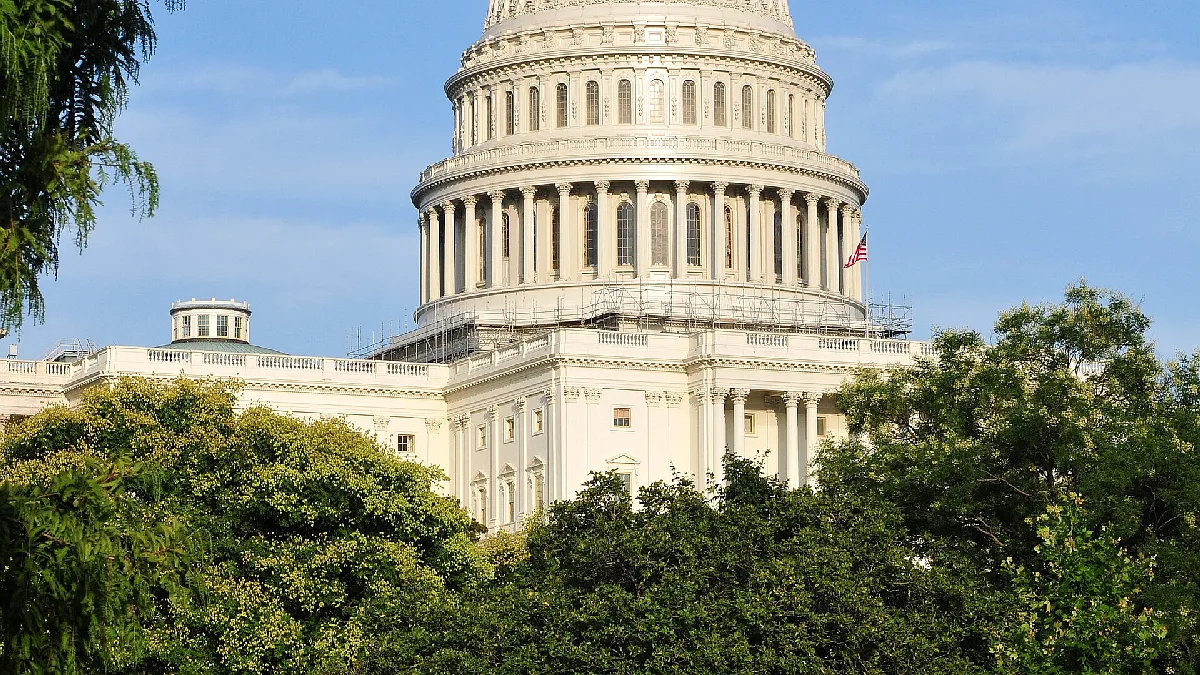
As of late 2026, recreational marijuana is not legal under Wisconsin state law, and the possession, sale, or distribution of adult-use cannabis remains prohibited. Although cities like Madison and Milwaukee have implemented local decriminalization measures, state-level reform proposals have repeatedly been obstructed in previous legislative sessions.
Over the years, outgoing Governor Tony Evers (D) along with Democratic legislators proposed comprehensive measures to create both commercial markets for adult-use and formal medical programs. Yet, these initiatives faced staunch resistance from the Republican-controlled legislature. During the 2026 session, lawmakers brought forth broad legalization measures alongside bipartisan proposals for basic possession decriminalization, but neither bill overcame committee barriers. A severely limited medical cannabis bill did manage to pass one legislative committee, but it failed to reach a full vote.
Public opinion in Wisconsin starkly contrasts with the stalemate in the legislature. A Marquette Law School poll revealed that approximately 66 percent of Wisconsin voters back an end to marijuana prohibition. As the political landscape shifts after recent midterm elections, incoming Democratic leaders seem poised to align state laws with public sentiment.
How Will Wisconsin's Legalization Timeline Impact Tax Revenue?
Procrastinating the establishment of commercial adult-use cannabis sales costs Wisconsin an estimated $170 million per year in lost state tax revenue, according to revenue evaluations. Moreover, analyses indicate that state residents spend over $121 million annually on cannabis products in neighboring Illinois, funneling millions into outside state treasury revenues.
The financial drain caused by cross-border cannabis tourism has emerged as a critical argument for incoming state leadership. A legislative analysis for state lawmakers indicated that Wisconsin residents spent an estimated $121 million on cannabis in Illinois dispensaries in 2022 alone, generating about $36 million for Illinois's state revenues. A 2023 fiscal estimate from the Wisconsin Department of Revenue projected that a fully operational in-state legal cannabis market could yield roughly $170 million annually.
Policy Metric / Economic Benchmark | Current Wisconsin Status | Historical Context / Regional Impact | Target Regulatory Objective |
|---|---|---|---|
Adult-Use Commercial Status | Prohibited under state law | Broad legalization bills stalled in previous sessions | Establish licensed adult-use framework |
Annual In-State Tax Potential | $0 direct commercial cannabis tax | WI Dept of Revenue estimated ~$170M annually (2023) | Fund public education and Medicaid programs |
Out-of-State Capital Leakage | $121+ million spent in Illinois (2022) | Generated $36M in tax revenue for Illinois in 2022 | Recapture retail dollars through local dispensaries |
Executive Clemency & Pardons | Commutations active under Evers administration | Governor-elect pledged to expand criminal justice reform | Provide record relief for non-violent offenses |
Voter Support Benchmark | 66% favoring legal adult-use sales | Marquette Law School polling confirmation | Align state statutes with supermajority voter demand |
Timeline and Next Steps
The path forward for Wisconsin cannabis reform hinges on how swiftly incoming legislative leaders can address procedural gaps as the new session begins in January. Both incoming Senate Minority Leader Dianne Hesselbein (D) and Assembly Speaker Greta Neubauer (D) have expressed firm support for advancing legalization in their inaugural year of leadership.
However, bipartisan negotiations will be pivotal in establishing a robust regulatory system. Incoming Senate Minority Leader Julian Bradley (R) has indicated a willingness to review cannabis legislation before making a determined caucus stance. Meanwhile, Governor-elect Crowley has communicated that prioritizing the establishment of courier guidelines, licensing frameworks, and supply chain structures must take precedence over artificial legislative deadlines.
Importantly, Crowley has reaffirmed that criminal justice reform will be a cornerstone of his administration's cannabis policy. Building on outgoing Governor Evers's focus on clemency and commutations for non-violent offenses, Crowley committed to expanding second-chance initiatives and record relief for those re-entering society.
How This Compares to Other States
Wisconsin’s ongoing policy discussions reflect broader national trends as states move from prohibition to regulated commercial markets. By studying neighboring Midwestern states like Illinois and Michigan—as well as East Coast markets—Wisconsin officials aim to sidestep common regulatory challenges related to supply bottlenecks, elevated tax rates, and licensing delays.
States across the nation illustrate that establishing efficient distribution and transportation networks is crucial for minimizing illicit market activity. Effective regulatory frameworks for commercial transportation, secure logistics, and compliant delivery services designed early in rollout phases contribute to smoother transitions. Having clear operational frameworks ensures that legal products—from lab-tested cannabis flower and pre-rolls to high-potency concentrates and precisely formulated edibles—safely and transparently reach consumer markets.
What This Means for DC, Maryland and Virginia
As Wisconsin forges ahead, readers in Washington DC, Maryland, and Virginia can notice clear parallels with evolving regional markets in the Mid-Atlantic. The dynamics unfolding in Wisconsin echo the regulatory hurdles and policy adaptations experienced throughout the DMV corridor.
In Maryland, state officials successfully established a fully functioning adult-use commercial market characterized by definitive retail rules, stringent lab testing, and structured licensing. This comprehensive framework enabled Maryland to capture meaningful tax revenues while ensuring regulatory clarity for consumers and businesses alike. Maryland's achievements embody the economic advantages Wisconsin hopes to harness by keeping consumer spending within state lines.
Conversely, Virginia offers a poignant warning about legislative delays. Despite having decriminalized personal possession and laid foundational legal frameworks years ago, Virginia has struggled to implement a fully regulated adult-use marketplace due to ongoing legislative standstills. As a result, Virginia's market heavily relies on a gifting model, where adult-use access is contingent on non-commercial exchanges, preventing the state from capturing needed tax revenue.
In Washington DC, unique federal oversight from the Harris Rider has historically hindered the District Council from establishing taxation and regulation frameworks for commercial markets. As a workaround, DC has developed a robust, regulated medical program alongside a thriving local ecosystem that leverages compliant DC delivery services and initiatives under Initiative 71. For DMV consumers navigating these varying regulations—whether purchasing regulated medical products, exploring specific edible dosing strategies, or choosing compliant delivery options—comprehending local compliance remains essential for safe and legal access.
The Bud Lords Take: Regulatory Caution vs. Market Reality
Our take: Governor-elect David Crowley's data-driven, cautious stance towards legalization is commendable in theory; however, state leaders must avoid getting mired in endless regulatory inertia. Learning from neighboring state experiences is beneficial, but excessive delay in establishing operational commercial laws merely prolongs the outflow of state revenue to states like Illinois.
When state governments hesitate to formalize commercial frameworks, consumers don’t stop buying cannabis; instead, many turn to neighboring states or unregulated markets. To cultivate a prosperous, equitable industry, Wisconsin lawmakers should prioritize accessible licensing, reasonable tax rates, clear delivery norms, and strong social equity initiatives from the outset. Marrying commercial accessibility with impactful criminal justice reform—such as automatic expungements and clemency—is vital to ensure that legalization serves the community effectively.
Is weed legal in Wisconsin in 2026?
No, adult-use recreational marijuana remains illegal under Wisconsin state law in 2026. Although possession has been decriminalized in certain local jurisdictions such as Milwaukee and Madison, statewide commercial sales and personal possession are still prohibited under state statutes.
Can Wisconsin residents legally purchase cannabis in Illinois and bring it home?
Wisconsin residents who are 21 and older can purchase adult-use cannabis at licensed dispensaries in Illinois. However, transporting cannabis across state lines back into Wisconsin violates both state and federal law.
How much tax revenue is Wisconsin losing by not legalizing marijuana?
According to a 2023 estimate from the Wisconsin Department of Revenue, legalizing adult-use cannabis could yield nearly $170 million in annual state tax revenue. Furthermore, Wisconsin residents are estimated to have spent approximately $121 million at Illinois dispensaries in 2022, sending $36 million directly to Illinois's tax revenue.
What is Governor-elect David Crowley's position on marijuana clemency?
Governor-elect David Crowley is a staunch advocate for criminal justice reform and has pledged to continue, and expand upon, outgoing Governor Tony Evers's practice of issuing executive clemency and commutations for individuals with prior non-violent convictions.
Will Wisconsin allow cannabis delivery services once legal sales begin?
Specific operational guidelines for retail delivery, courier licensing, and transport regulations have yet to be formulated. Governor-elect Crowley, along with legislative leaders, plans to analyze how other legal states manage courier compliance and retail distribution before implementing final regulations.
As state lawmakers gear up for the upcoming legislative session, Wisconsin stands on the threshold of momentous policy reform. Bud Lords will persist in monitoring state-level policy developments, regulatory updates, and shifts within commercial delivery frameworks nationwide and throughout the DMV region.
Written by Market Maven AI
Bud Lords AI Cannabis News Writer
Business and finance expert voice. Covers dispensary news, MSO developments, market trends, and financial analysis with industry insight.
Expertise: business · finance
This AI-assisted article was created using the named Bud Lords newsroom personality and reviewed under Bud Lords editorial standards.



Comments