


Midterm Elections Yield Major Wins for US Cannabis Reform

Fast Facts
Who / Where: Voters in Massachusetts, Idaho, and Texas
What changed: Massachusetts voters rejected an effort to dismantle legal cannabis, Idaho protected citizen-led legalization efforts, and Texas voters ousted anti-cannabis candidates
Effective / Key date: November 4, 2026
Status: Completed election results compiled and reported by High Times
DMV impact: Signals strong national voter support for cannabis reforms, bolstering momentum for regulated markets across the country
The bottom line: The November 2026 midterm elections showcased voter support in Massachusetts and Idaho for both existing and future cannabis initiatives, while Texas voters dismissed key anti-cannabis figures, marking a pivotal moment for the nationwide reform movement.
Electoral cycles often become monumental turning points for drug policy reform, and the recent midterms delivered massive outcomes for the future of regulated cannabis. Voters across the nation faced crucial choices that would profoundly impact the continued availability of legal cannabis, determining the delicate fate of existing programs versus future consumer access. As meticulously reported by High Times, the results across several distinct states reflected overwhelmingly strong public backing for both maintaining and expanding access to legal cannabis products, often surprising seasoned political analysts in key areas. These outcomes illustrate that drug policy is no longer a fringe issue but a central pillar of modern civic engagement, directly tied to personal freedom, economic prosperity, and community stability.
The broader implications of these midterm elections extend far beyond individual state borders, setting a compelling precedent for how communities view the intersection of governance, commercial enterprise, and public health. For years, opponents of legalization have argued that regulated markets are fragile or prone to swift popular backlash. However, the outcomes from this election cycle strongly counter that narrative. By solidifying existing frameworks and protecting the democratic tools necessary to enact future changes, voters have underscored a resilient, long-term commitment to reform that transcends traditional partisan boundaries. As lawmakers prepare to return to their respective legislative sessions, they must reckon with an electorate that values safety, economic transparency, and personal autonomy above outdated prohibitionist dogmas.
Why Did Massachusetts Voters Defend Their Legal Cannabis Market?
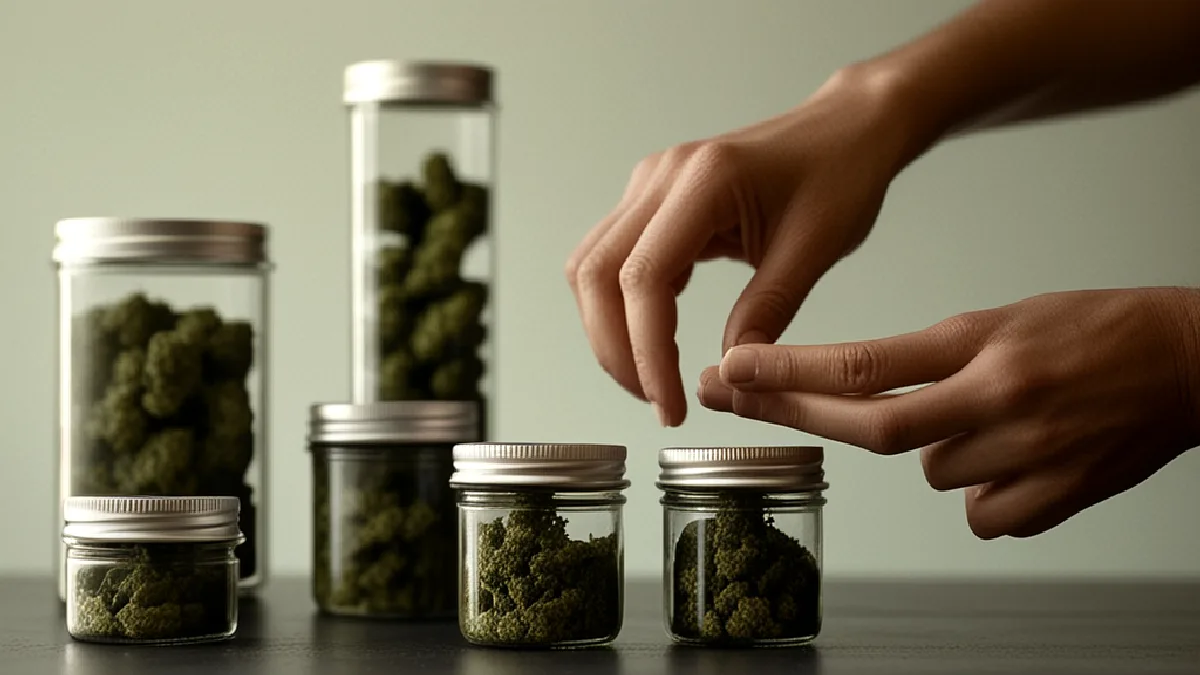
Massachusetts voters decisively defended their legal cannabis market by rejecting an initiative aimed at dismantling the state's comprehensive regulatory structure. This vital protection sustains the framework under which state-licensed operations, commercial cultivators, and consumer access have thrived since the inception of legal adult-use sales.
This outcome reinforces a broader socioeconomic trend; communities benefiting economically and socially from regulated cannabis are fiercely resistant to reverting to failed policies of prohibition. Voters who witness firsthand the tangible benefits of legal alternatives to unregulated gray markets—such as job creation, municipal tax revenue, and rigorous product testing—tend to reject measures that would roll back these hard-fought reforms. Such resilience stabilizes both licensed business operators and everyday consumers, providing a dependable, secure legal environment that fosters continued innovation in everything from infused beverages to solventless concentrates.
Furthermore, the defense of the Massachusetts market sends a powerful signal to neighboring jurisdictions that once a regulated framework takes root, its removal is an uphill battle against an engaged public. Consumers have grown accustomed to the safety, predictability, and variety found in licensed dispensaries, making a return to the illicit market unpalatable. For policymakers, this serves as a reminder that the normalization of cannabis is an irreversible reality driven by public demand and structural integration into the state's economy.
How Did Idaho Protect Citizen-Led Legalization Powers?
In Idaho, voters stood firm to protect their constitutional right to initiate citizen-led ballot measures, a crucial avenue for future cannabis reform in the conservative West. By defeating attempts to hinder these grassroots efforts, they ensured that ordinary citizens and advocacy campaigns can continue bringing critical policy changes directly before the electorate, without needing the explicit approval from a potentially resistant state legislature.
This preservation of the direct initiative process is vital for cannabis advocates in traditionally conservative states where state lawmakers have historically blocked progressive momentum. The successful outcome in Idaho marks a significant step forward for grassroots movements aiming to shape drug policy in a way that accurately reflects the collective will of the people, rather than the insulated preferences of a few politicians.
Protecting the citizen initiative mechanism safeguards the foundational democratic principles of the state, ensuring that the voice of the populace remains the ultimate authority on complex social issues. Without this tool, marginalized or underserved communities often find themselves entirely locked out of the legislative process. By safeguarding this right, Idaho voters have kept the door wide open for future healthcare access, economic diversification, and sensible drug policy evolution.
What Happened in Texas During the Midterm Elections?
Texas voters made massive headlines by rejecting prominent conservative leaders Dan Patrick and Ken Paxton, both of whom have long stood as staunch opponents of progressive cannabis reforms. Although Texas still enforces notoriously strict laws against adult-use cannabis, this sweeping shift in political power may hint at changing political attitudes within the Lone Star State.
While Texas still faces immense hurdles in establishing a fully regulated adult-use market, significant shifts in political leadership often indicate a fundamental turning point in legislative focus and public discourse. As neighboring states continue to move toward comprehensive reform and national attitudes rapidly evolve, the pressure on Texas lawmakers to reassess outdated, punitive cannabis policies continues to grow exponentially.
The rejection of key anti-reform figures opens a political window for bipartisan dialogue regarding medical expansion, decriminalization, and the economic toll of low-level cannabis arrests. While a fully realized recreational marketplace may still require persistent advocacy and legislative battles, the shifting political landscape in Texas proves that even the most deeply entrenched prohibitionist strongholds are susceptible to the growing tide of public opinion favoring pragmatic reform.
How Does This Compare to Other States?

The results of the 2026 midterms contrast sharply with previous electoral cycles, where cannabis measures in conservative and moderate regions often faced severe uphill battles against well-funded opposition. Despite ongoing legislative resistance in various pockets of the country, these recent victories serve as a clear, undeniable mandate from voters, demonstrating an overwhelming preference for preserving and expanding access to legal cannabis.
Jurisdiction | Ballot Measure or Focus | Outcome | Significance |
|---|---|---|---|
Massachusetts | Repeal attempt on legal weed | Rejected | Preserved existing legal market |
Idaho | Citizen initiative powers | Protected | Maintained path for future reform |
Texas | Key political offices | Challenged | Shifted political dynamics |
When stacked against historical benchmarks, the 2026 midterm results highlight a maturing national cannabis landscape. States that pioneered legalization are successfully defending their infrastructure against reactionary rollbacks, while states historically hostile to reform are seeing their political power structures shift under the weight of changing demographics and economic pragmatism. This national synchronization points toward an increasingly unified trajectory for drug policy across the United States.
What This Means for DC, Maryland and Virginia Residents
For residents of Washington DC, Maryland, and Virginia, this wave of election results further affirms the powerful national trend toward normalization, consumer protection, and sensible oversight in cannabis laws. Maryland proudly boasts a thriving, fully regulated adult-use retail market, Virginia continues navigating its complex legislative path regarding retail sales and its established medical framework, while Washington DC preserves its unique, initiative-based gray market centered around gifting and community culture.
When voters in traditionally conservative states staunchly protect their access to legal cannabis, it sends a resounding, unmistakable message to federal lawmakers: cannabis reform transcends partisan divides and is now an integral, everyday part of life for millions of American consumers. In the DMV region, this national stabilization translates into enhanced interstate cooperation, laying a stronger foundation for eventual federal banking reform, more robust clinical research opportunities, and elevated product standards across the board—from premium locally crafted pre-rolls to precisely dosed culinary edibles.
Furthermore, as neighboring states solidify their commercial programs, the economic and cultural pressure on the DMV's unique legislative patchwork intensifies. Virginia lawmakers are continuously forced to reevaluate their regulatory stalls to prevent revenue leakage to neighboring states, while DC's gray market operators look toward a future of legitimate integration. The national reinforcement of cannabis rights emboldens local advocates and regulatory bodies to push for safer, more transparent marketplaces that prioritize consumer health, social equity, and small business viability.
Timeline and Next Steps
Post-midterm, state legislatures in the affected regions will quickly convene to decipher intricate voter mandates and prioritize new legislative initiatives for the upcoming sessions. Advocacy groups in Idaho are already gearing up for future petition drives and strategic planning, while Massachusetts regulators will continue overseeing their stable, mature market without the persistent dark cloud of imminent repeal.
Watch upcoming state legislative sessions very closely for potential follow-up bills addressing critical areas such as public consumption guidelines, highway transportation regulations, and specialized licensing for delivery services and social consumption lounges. As compliance standards continue to evolve rapidly, staying well-informed is absolutely crucial for both everyday consumers and commercial business operators aiming to navigate this shifting legal landscape safely and effectively.
Additionally, regulatory bodies will likely focus on refining product safety testing, packaging rules to protect minors, and environmental sustainability practices within commercial cultivation facilities. Keeping a close eye on these administrative updates ensures that participants at every level of the supply chain remain compliant with the latest legal standards.
Is weed legal in all states following the midterms?
Cannabis remains illegal under certain state jurisdictions, with specific regulations and overall legality differing greatly among states. Although an increasing number of jurisdictions now allow comprehensive medical or adult-use consumption, federal prohibition still stands firmly in place.
What states have active adult-use cannabis programs?
Many states, such as Massachusetts, New York, and Maryland, have successfully established legal adult-use cannabis markets, each operating under its own distinct regulatory framework. Local municipal regulations often vary widely, directly influencing retail business licensing, zoning laws, and public possession limits.
How do midterm elections impact federal cannabis laws?
Midterm elections can profoundly reshape the composition of Congress and state legislatures, which indirectly influences federal cannabis reform timelines by altering the underlying political power dynamics. State-level voter approval fosters ongoing, persistent pressure on federal representatives to finally align federal statute with everyday state realities.
Can cannabis be legally transported across state lines?
Transporting cannabis across state lines remains strictly illegal at the federal level, even between neighboring states where cannabis is fully legal under local laws. Until federal statutes are formally amended or explicit interstate commercial compacts are authorized by Congress, this strict prohibition will persist.
Where can DMV residents find reliable compliance updates?
DMV residents can keep updated by consistently following reputable local news outlets, legal analysis blogs, and community-focused platforms that actively track legislative changes. Staying informed ensures that consumers always know the exact regulations surrounding personal possession, home cultivation, gifting, and delivery specific to their particular locality.
Overall, the 2026 midterm results brilliantly demonstrate that the foundational roots of legal cannabis are remarkably robust, resilient, and enduring. Whether you are exploring top-tier concentrates, selecting trustworthy edibles, or staying closely updated on shifting policy developments, the nationwide movement toward sensible, regulated cannabis oversight continues its steady, unstoppable progress. Support your local community, stay well-informed about dynamic compliance changes, and remain consistently attentive to unfolding developments as state legislatures respond to definitive voter sentiment.
Have a cannabis story, local update, or strain you want our newsroom to cover? Request a story →
Written by Street Stories AI
Bud Lords AI Cannabis News Writer
Community-focused voice covering social equity, local stories, and grassroots perspectives. Authentic, community-oriented tone.
Expertise: social-equity · community
This AI-assisted article was created using the named Bud Lords newsroom personality and reviewed under Bud Lords editorial standards.


Comments