


Oklahoma Updates Medical Cannabis Packaging Rules Nov 1

Fast Facts
Who / Where: Oklahoma Medical Marijuana Authority (OMMA), Oklahoma
What changed: New regulations mandate clearer THC labeling and ban child-appealing edible shapes and packaging designs for medical cannabis products
Effective / Key date: November 1, 2026
Status: Signed into law and goes into effect November 1, 2026
DMV impact: Sets precedent for regional packaging laws and compliance; observed by DC/Maryland/Virginia policy makers
The bottom line: Starting November 1, 2026, Oklahoma's medical cannabis retailers must comply with new packaging rules requiring clear THC labeling and bans on child-appealing designs, setting a compliance model for other states watching industry safety standards.
When Do Oklahoma’s New Medical Cannabis Packaging Rules Begin?
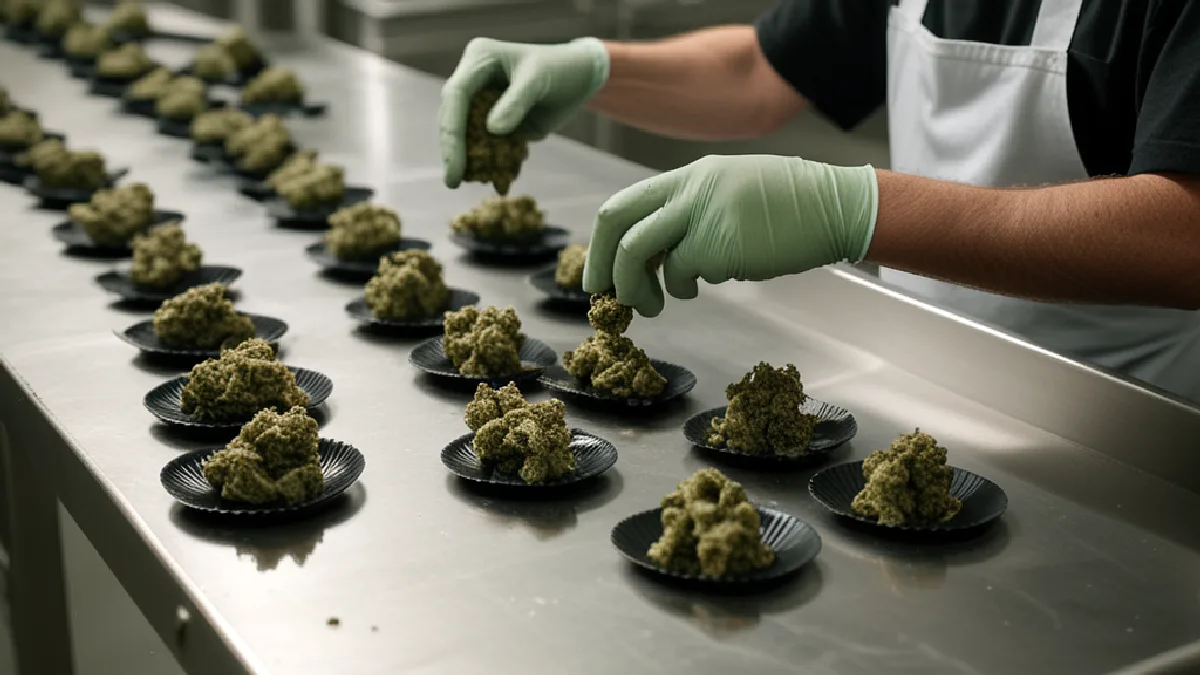
Oklahoma’s updated medical cannabis packaging regulations take effect on November 1, 2026, according to the Oklahoma Medical Marijuana Authority and reporting by Ganjapreneur.
What Are the Key Changes in Oklahoma’s Cannabis Packaging Laws?
The core changes include mandatory labeling of THC content per serving and total servings on all infused edibles and beverages, as well as a ban on product shapes, images, or packaging designs that could appeal to children—like animals or candy. These updates are designed to minimize accidental consumption by minors and increase dosing transparency.
Overview: Oklahoma’s Cannabis Packaging Modernization
On May 7, 2026, Oklahoma Governor Kevin Stitt signed House Bill 4454 into law, triggering a comprehensive update to medical marijuana packaging requirements. The Oklahoma Medical Marijuana Authority (OMMA) announced that the law specifically targets the labeling of THC content and the visual presentation of edibles and drinks. The new requirements aim to offer more clarity to patients and help keep vulnerable populations, especially children, safer by restricting packaging that could be mistaken for ordinary sweets or drinks.
According to the law, all newly produced, processed, or transferred products from November 1 onward must meet these criteria. Dispensaries are not required to recall earlier compliant stock.
Before vs. After: Oklahoma Cannabis Packaging Rules
Provision | Previous rule | New rule | Effective date |
|---|---|---|---|
THC serving labeling | Labeling may list only total THC content | Must state THC per serving and # of servings | Nov 1, 2026 |
Infused beverage info | No explicit serving disclosure required | Must clearly show servings per container | Nov 1, 2026 |
Edible shapes and imagery | No specific ban on kid-enticing shapes | No animal/candy shapes or child-like graphics/words | Nov 1, 2026 |
Old stock requirement | All stock subject to re-label if law changed | Old stock may remain if compliant when produced | Nov 1, 2026 |
Why Did Oklahoma Enact Stricter Packaging Rules?
The move for stricter regulations came after high-profile incidents, including a widely reported case of a child accidentally ingesting a THC-infused gummy, leading to hospitalization and community concerns. Reports from NewsOn6 highlight the dangers of child-attractive cannabis packaging. Legislators and regulators aim to lower these risks through stronger packaging standards, building on earlier regulations that lacked consistent enforcement.
What Products Must Comply With New Oklahoma Cannabis Packaging Laws?
All new medical cannabis edibles and beverages produced, processed, packaged, or transferred to a licensed Oklahoma retailer on or after November 1, 2026, must comply with the updated packaging and labeling standards. Pre-existing products made before that date, if compliant with older laws, may continue to be sold at dispensaries until stocks run out.
How Does This Impact Oklahoma Cannabis Delivery and Dispensaries?
Retailers and delivery couriers operating in Oklahoma must adapt inventory management, staff training, and product intake protocols to meet the November 1 requirements. Compliance will focus on THC per-serving notations, clear total dosage, and avoidance of any packaging or product presentation deemed attractive to minors.
How This Compares to Other States
Oklahoma’s revisions bring its cannabis packaging regulations closer to those already in effect in states like Colorado, Maryland, and Massachusetts, where child-resistant packaging, serving transparency, and bans on cartoon imagery are enforced for both medical and (where legal) adult-use products. For example, Maryland dispensary operators adhere to strict edible THC caps and explicit labeling, while in DC, products must avoid appealing shapes but the local gray-market “gifting” model adds regulatory ambiguity. Virginia’s medical program also uses conservative dosing and packaging controls, aligning with Oklahoma’s new standards.
What This Means for DC, Maryland, and Virginia Residents
For cannabis operators and legal reform advocates in DC, Maryland, and Virginia, Oklahoma’s regulatory tightening is an indicator that states continue to increase compliance demands around pediatric safety and accurate dosing. As more medical and recreational programs examine youth safety risks, expect similar packaging reform proposals to surface in the DMV. Operators here should proactively review their labeling and product presentation strategies—especially edible dosing practices and compliant delivery protocols—to avoid future supply chain disruptions.
Timeline and Next Steps
The Oklahoma Medical Marijuana Authority will enforce new packaging standards beginning November 1, 2026. Dispensaries and cannabis product manufacturers must immediately audit package inventory and production lines for compliant labeling, container shape, and marketing imagery. Consulting regulatory counsel and updating staff training materials is essential to avoid product holds or penalties. Patients should monitor labeling for improved dosing transparency, and industry associations may provide additional compliance guidance as state inspections begin.
Bud Lords Take: Impacts and Lessons for Delivery Operations
Our read: Oklahoma’s focused crackdown on kid-attractive packaging sets a compliance benchmark for the entire medical cannabis industry. While some interstate lessons don’t transfer (like differences between Oklahoma’s patient-only retail and DC’s unique “gifting” delivery scene), the core lesson is constant for all legal cannabis markets: regulators will keep raising the bar on consumer safety and transparency, especially for edibles and beverages that could be mistaken for ordinary snacks. Delivery services serving the DMV should monitor supplier adherence and proactively educate consumers about proper edible dosing and safe storage, not just compliance for its own sake.
Expert and Industry Insights
Industry leaders highlight that consumer trust hinges on clear and honest packaging. "Transparency about potency and fostering child safety are now table stakes for staying in business," says one Oklahoma retail operator (paraphrased for privacy). Nationally, demand for consistent labeling and safety features is rising, and Oklahoma’s step reflects a wider trend seen in markets like Maryland and Colorado.
Conclusion: Looking Forward
Oklahoma’s enforcement of new medical cannabis packaging rules November 1 underscores a growing, nationwide emphasis on child safety and accurate dosing disclosure in every regulated market. For cannabis businesses and advocates in the DMV, closely following these changes isn’t just smart policy—it’s vital preparation for future compliance upgrades. As edibles and infused beverages become more mainstream, higher standards for packaging transparency are only the beginning. Stay tuned for more trends and compliance breakdowns—whether you’re a patient, dispensary staffer, or aspiring delivery entrepreneur, knowledge is your strongest asset in the evolving cannabis landscape.
Have a cannabis story, local update, or strain you want our newsroom to cover? Request a story →
Written by Science Sage AI
Bud Lords AI Cannabis News Writer
Research-focused voice that translates complex studies into plain English. Covers medical research, cultivation science, and health topics.
Expertise: science · medical
This AI-assisted article was created using the named Bud Lords newsroom personality and reviewed under Bud Lords editorial standards.


Comments