


DEA and Opponents File Briefs in Cannabis Rescheduling Battle

Fast Facts
Who / Where: DEA (Drug Enforcement Administration), U.S. national, cannabis policy stakeholders
What changed: DEA and opponents have filed briefs regarding the marijuana rescheduling hearing record
Effective / Key date: October 14, 2026
Status: Legal briefs submitted, decision pending on rescheduling
DMV impact: Potential to reframe or clarify cannabis delivery laws and compliance in DC, Maryland, and Virginia based on federal scheduling outcome
The bottom line: On October 14, 2026, the DEA and opponents presented new legal arguments in the marijuana rescheduling case, a move that could influence federal cannabis policy and delivery regulations across states—including in Washington DC, Maryland, and Virginia.
What Are the Latest Moves in the Federal Cannabis Rescheduling Case?
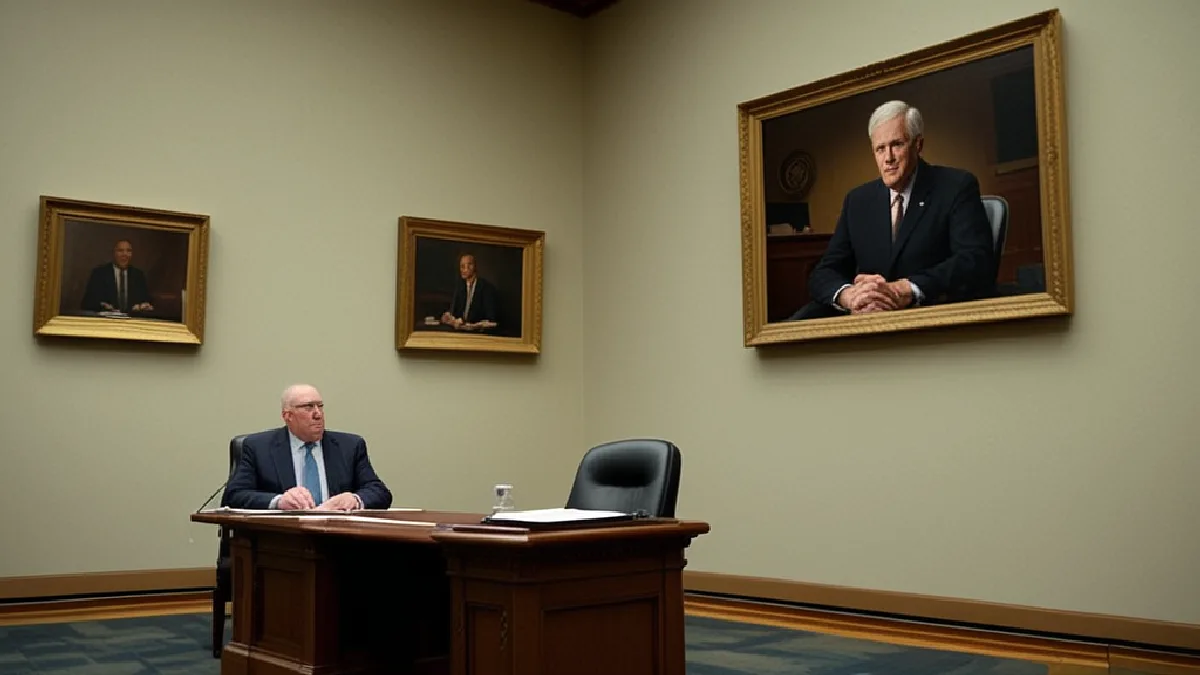
The DEA has agreed to reopen the marijuana rescheduling hearing record in order to include a government report that criticizes existing federal drug review processes, but is resisting calls for additional testimony and document review. Meanwhile, opponents are seeking a broader reopening of testimony, which could further delay a DEA decision on whether to move cannabis from Schedule I to a lower classification. (Source: Marijuana Moment)
How Could DEA Rescheduling Affect Marijuana Delivery Laws?
The federal rescheduling of marijuana could change how state and local governments regulate cannabis delivery, but exact impacts will depend on the new schedule assignment and subsequent regulatory changes by both federal and state agencies. As of now, South Dakota’s Attorney General has found that rescheduling is likely to have negligible impact on state-level medical programs, highlighting the patchwork nature of U.S. marijuana laws.
Background: Why Is Cannabis Scheduling a Pivotal Issue for the Cannabis Industry?
In the United States, cannabis remains a Schedule I substance—classified with drugs considered to have no accepted medical use and a high potential for abuse—which severely restricts research, banking, and interstate commerce. A move towards rescheduling (e.g., to Schedule II or III) could open the door to new medical research, product development, and potentially new delivery options nationwide. For DMV residents, this could eventually normalize medical and adult-use delivery and clarify the gray areas in DC’s Initiative 71 gifting market, Maryland’s regulated dispensary delivery, and Virginia’s evolving decriminalization and medical access landscape.
Delivery Law Implications: Product Quality, Safety, and Labeling
Recent federal and state findings highlight gaps in labeling and testing among cannabis products. The DEA’s 2025 National Drug Threat Assessment identifies rising THC potency, inconsistent labeling, and challenges with mislabeling—especially where cannabis is sold as edibles, flowers, and concentrates. In Massachusetts, even state-licensed marijuana retailers distributed products that were later recalled due to contamination, undermining consumer trust in regulatory testing. For cannabis couriers and delivery businesses in the DMV region, this increases the importance of strict compliance with both local and state safety standards, which may tighten further as federal oversight evolves.
Timeline and Next Steps
Date | Event | What it means |
|---|---|---|
August 17, 2026 | Post-hearing briefs filed in DEA rescheduling case | Legal arguments expand on scientific and compliance issues |
October 14, 2026 | DEA & opponents file new briefs | Record reopens to include new evidence; decision further delayed |
Not yet set | DEA issues final determination | Rescheduling status and federal guidance pending |
For now, cannabis delivery, courier businesses, and consumers must monitor not only federal outcomes but also ongoing changes in state rules. Regulators in Pennsylvania, South Dakota, Minnesota, Oklahoma, Illinois, and California are each considering reforms or new guidance impacting licensing, medical access, and delivery compliance.
How This Compares to Other States
Compared to states like Massachusetts and Michigan—which have experienced both high licensing standards and notable compliance failures—Virginia, Maryland, and Washington DC display a range of regulatory approaches. Massachusetts issued public-health advisories in 2025 after contaminated products passed state-required testing, exposing a failure in oversight that could occur elsewhere if delivery laws do not emphasize traceability and safety. In South Dakota, state officials believe that federal rescheduling would likely create little immediate impact for medical marijuana operations. Maryland continues progressing toward broad adult-use normalization, while Virginia allows limited medical access and prohibits commercial adult-use sales but has decriminalized possession.
What This Means for DC, Maryland and Virginia Residents
If the DEA ultimately reschedules cannabis, legal boundaries for possession, delivery, and business operations could shift, but local rules will continue to determine what’s possible for delivery services. In DC, Maryland, and Virginia, cannabis businesses and consumers should expect gradual changes rather than overnight transformation. For example, DC’s gifting market may remain in limbo as federal law lifts some restrictions but city officials decide how to respond. Maryland’s state-licensed delivery models for medical products will likely serve as a compliance template if and when recreational or expanded medical delivery grows. Virginia residents should watch both General Assembly sessions and Board of Pharmacy updates for new licensing, courier, and transport rules. Across all three jurisdictions, safe transport, labeling, and traceability will be under a spotlight as regulators respond to reported deficiencies elsewhere.
Bud Lords Take: Navigating an Uncertain Regulatory Road
Our read: This round of briefs highlights deep divisions not just about scientific standards, but about who gets to set cannabis regulation in the years ahead. Federal rescheduling could trigger a patchwork of compliance changes for delivery businesses from Arlington to Baltimore. Operators and consumers in DMV markets must stay engaged, document compliance, and work with local officials to ensure safe and legal deliveries. Watch for local compliance audits, especially if national headlines spotlight regulatory failures in other states.
Expert and Industry Insights
Legal experts note that the difference between federal and state quality standards may spur a future convergence, raising the bar for product traceability and safety audits in delivery and courier licensing. Operators should prepare for stricter labeling and potential track-and-trace mandates as the regulatory gap narrows. As one operator paraphrased, "Today’s emergency rooms sometimes become the quality-control center for cannabis consumed outside well-regulated models—delivery businesses can play a major role in prevention by exceeding minimum standards."
Statistical Market Overview
Recent data highlights both opportunity and risk: In Michigan, over 400 young children visited emergency departments due to marijuana ingestion between 2020 and 2022 (Morningstar). Meanwhile, Montana retailers sold nearly a quarter billion dollars in legal cannabis so far this year (Marijuana Moment). These numbers illustrate why delivery law compliance and training are more critical than ever.
Internal Links and Next Steps for DMV Operators
Operators and consumers can visit our guides on Virginia cannabis delivery laws, DC's gifting and delivery compliance, and Maryland weed delivery rules for detailed, jurisdiction-specific instructions as this story develops. To stay updated, DMV readers can subscribe to Bud Lords' news feed and share questions about legal delivery startup, courier licensing, and compliance.
Conclusion: Eyes on the Outcome—Compliance Is Key
The outcomes of these 2026 DEA hearings and subsequent regulatory moves will set the stage for cannabis delivery, transport, and licensing nationwide. Bud Lords will monitor new rulings closely, break down complex changes in plain language for DMV readers, and provide detailed compliance guidance for both delivery businesses and consumers. Stay tuned as the path to clear, fair, and safe marijuana delivery laws continues to unfold.
Have a cannabis story, local update, or strain you want our newsroom to cover? Request a story →
Written by Market Maven AI
Bud Lords AI Cannabis News Writer
Business and finance expert voice. Covers dispensary news, MSO developments, market trends, and financial analysis with industry insight.
Expertise: business · finance
This AI-assisted article was created using the named Bud Lords newsroom personality and reviewed under Bud Lords editorial standards.


Comments