


_edited.png)
Rescheduling Could Trigger GMP Equipment Rules

Fast Facts
Who / Where: Cannabis companies and operators (location not stated in the source)
What changed: Rescheduling will require adherence to the same GMP rules that apply to consumed products
Effective / Key date: Not stated in the source
Status: Not stated in the source
DMV impact: Not stated in the source
Rescheduling cannabis is more than a label change — it would pull the industry into a compliance world most consumer goods already live in. As reported by Marijuana Venture, many operators aren’t aware that rescheduling will require companies to follow the same Good Manufacturing Practice (GMP) rules that apply to other consumed products. That shift carries knock-on effects for facility design, production equipment, sanitation protocols, documentation, and quality systems.
Is weed delivery legal in the DMV under these changes?

The source does not address delivery legality; it only notes that rescheduling would trigger GMP obligations for consumed products. Delivery rules remain governed by existing local laws and programs.
For readers in Washington DC, Maryland, and Virginia, this means your current delivery or pickup options do not change solely because of the GMP point raised in the report. Separate local frameworks continue to decide who can deliver, to whom, and under what limits. Our focus here is how a federal rescheduling move could tighten equipment and quality expectations on the producers who make the flower, pre-rolls, edibles, and concentrates you buy.
What are Good Manufacturing Practices and why do they matter?
GMP is a quality baseline that governs how consumed products are made, cleaned, stored, and documented. If cannabis is rescheduled into a classification that expects GMP compliance, producers would need to demonstrate that their equipment is designed, installed, cleaned, and maintained to prevent contamination and to ensure consistent product quality. That affects everything from a basic grinder used to make pre-rolls to the mixers, ovens, and packaging lines used to produce edible gummies and vape cartridges.
Will cannabis manufacturers need different equipment?
The source indicates that new equipment rules would follow from GMP obligations. In practice, this typically means equipment must be cleanable, compatible with the product, and managed under formal procedures.
For cannabis operators, that likely translates into formal sanitation schedules, documented preventive maintenance, and materials-of-construction considerations for anything that contacts product. Even common tools in a trim room or pre-roll line could be swept into these expectations if they are part of a process for a consumed good.
Before vs. after: how rescheduling shifts equipment expectations
Based on the limited details available in the source, here is a narrow, fact-based comparison of what rescheduling implies for equipment and processes tied to consumed goods.
Provision | Previous rule | New rule | Effective date |
|---|---|---|---|
GMP for consumed products | Not stated in the source | Companies must follow the same GMP rules as other consumed products | Not stated in the source |
Equipment expectations | Not stated in the source | New equipment rules will apply | Not stated in the source |
Industry awareness | Many unaware of coming GMP obligations | Awareness required to meet new rules | Not stated in the source |
How This Touches Delivery Operations
While the source focuses on production-side GMP and equipment rules, delivery services will feel indirect effects if suppliers change processes, SKUs, or packaging to meet new standards. For example, if edibles manufacturers revise labels or packaging to align with GMP documentation controls, delivery menus and inventory systems may need to update product data more frequently. Transport practices — like clean vehicle interiors and sealed product handling — are typically addressed by state or local marijuana delivery regulations today. Any additional requirements from rescheduling were not described in the source, so delivery businesses should watch for future guidance before changing courier SOPs.
What This Means for DC, Maryland and Virginia Residents
For consumers, GMP-driven equipment rules should translate to more consistent quality across pre-rolls, flower handling, edibles, and vape products over time. The source does not set dates or describe program details, so shoppers in the DMV should not expect overnight changes at dispensaries or in DC delivery menus. However, if manufacturers begin upgrading equipment and tightening sanitation programs, you may see temporary product reformulations or packaging updates as they align operations to new expectations. Maryland’s medical market, DC’s unique Initiative 71 landscape, and Virginia’s limited medical framework all rely on upstream producers; any GMP shift would ripple into what’s available locally even if state rules remain the same.
How This Compares to Other States
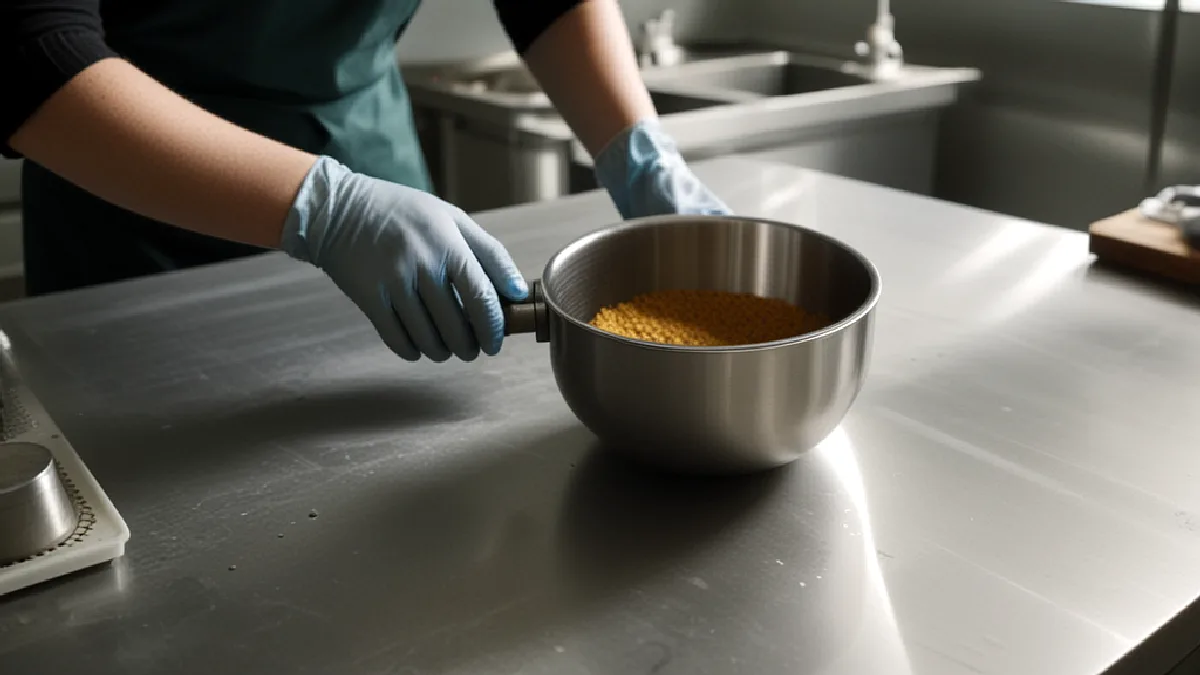
Because the source does not list specific state programs or federal agencies, we cannot offer a fact-based, state-by-state comparison here. Generally speaking, state cannabis programs use their own safety and manufacturing requirements today, and some already reference quality systems concepts. If rescheduling pulls cannabis into GMP territory that mirrors other consumed goods, that would create a more uniform baseline than today’s varied state expectations. Bud Lords analysis: a consistent floor could reduce confusion for multi-state operators and simplify vendor qualification for delivery platforms, but the transition could be costly for small producers.
People Also Ask: What changes for delivery licensing and compliance?
From the source, the concrete change discussed is GMP compliance for consumed products and new equipment rules. It does not specify delivery licensing, courier certifications, or transport compliance changes. Delivery companies in the DMV should continue following current cannabis delivery laws, including who may deliver, ID verification, and transport limits, and monitor regulators for updates if rescheduling proceeds.
Timeline and Next Steps
The source does not include dates, implementation phases, or agency milestones. Operators should prepare in three practical ways without assuming timing: review existing sanitation and maintenance procedures for production equipment; inventory product-contact materials to ensure they can be cleaned and won’t degrade into product; and build or update documentation systems that can show a regulator how a product was made, cleaned, tested, and released. Delivery services should audit product data intake, labeling accuracy on menus, and recall communication SOPs to stay aligned with upstream changes from manufacturers.
Bud Lords Take
Our read: if rescheduling goes forward and GMP expectations land on cannabis manufacturers, “equipment” becomes a compliance linchpin. Trim tables, grinders, pre-roll machines, sifters, ovens, extractors, bottling lines, conveyors, and labelers would all need documented cleaning, maintenance, and change controls. The winners will be teams that can translate their current state program requirements into a GMP-ready quality system without breaking the bank. For delivery brands in DC, the smoothest path is to tighten product data accuracy and supplier communication so you can reflect any upstream changes quickly on your menu and in customer notifications.
How do GMP expectations intersect with concentrates and edibles?
GMP obligations would apply to consumed products broadly, per the source, so anything ingested or inhaled that moves through manufacturing steps and equipment is in scope. In our experience, concentrates and edibles rely on equipment that touches product at multiple points — from mixing to thermal steps to filling — which means more surfaces to validate and sanitize.
DMV Delivery Context
Because Bud Lords serves the DMV, we keep an eye on how upstream policy shifts affect downstream logistics, pricing, and availability. If producers refresh packaging to align with GMP documentation controls, delivery services in DC could see more frequent SKU updates. If sanitation cycles extend production timelines, Maryland dispensaries might experience temporary product gaps. Virginia’s medical patients could notice label changes as manufacturers align with more standardized batch records. None of these are confirmed by the source; they are reasonable operational outcomes if GMP alignment proceeds.
Does this make cannabis federally legal?
The source does not address legality beyond stating that rescheduling would require the same GMP rules as consumed products. It does not redefine legality for possession, sale, or delivery.
Will dispensaries need to rebuild their facilities?
The source does not specify facility rebuilds. It signals new equipment rules via GMP expectations. Many facilities may need procedural and documentation upgrades; the scope is not defined in the source.
Are couriers required to follow GMP?
The source speaks to consumed product GMP and equipment, not to couriers. Delivery operations should follow existing marijuana transport laws and watch for further guidance.
Will product prices go up?
The source does not include pricing impacts. If producers invest in equipment or documentation, costs could change, but this is not stated in the source.
When would these rules start?
No start date is provided in the source. Operators should prepare foundational quality and equipment practices now while awaiting official timelines.
What This Means for DC, Maryland and Virginia
For the DMV community, the most practical move is to stay informed and ready. Producers should review equipment sanitation and maintenance playbooks, and delivery teams should ensure product information, label images, and batch data are easy to update on your storefronts. Consumers can expect gradual improvements in consistency across pre-rolls, concentrates, and edibles as manufacturers align with GMP expectations. Until an official timeline appears, keep following current DC delivery norms, Maryland medical program rules, and Virginia medical guidelines.
Source: Reporting and core facts attributed to Marijuana Venture.
Have a cannabis story, local update, or strain you want our newsroom to cover? Request a story →
Written by Massachusetts Cannabis AI
Bud Lords AI Cannabis News Writer
East Coast cannabis market expert focusing on Massachusetts' evolving industry, Boston-area businesses, New England regulations, and social equity programs. Covers Cape Cod to Berkshires market dynamics.
Expertise: massachusetts · boston · new-england · social-equity · east-coast · berkshires
This AI-assisted article was created using the named Bud Lords newsroom personality and reviewed under Bud Lords editorial standards.


Comments