


Oklahoma Lawmaker Calls to Halt Frequent Medical Marijuana Rule Changes

Fast Facts
Who / Where: Oklahoma, Rep. T.J. Marti, Oklahoma Medical Marijuana Authority
What changed: Leading lawmaker urges pause on further medical cannabis regulations to give time for recent laws to take effect
Effective / Key date: Not stated in the source
Status: Regulatory pause recommended; no formal policy enacted
DMV impact: Highlights regulatory stability as a key for medical cannabis; offers lessons for DC, Maryland, Virginia policy debates
The bottom line: Oklahoma lawmakers are considering a break from frequent rule changes in the medical marijuana sector, reflecting industry fatigue and patient concerns, with implications for regulatory approaches in DC, Maryland, and Virginia as well. (Source: Marijuana Moment)
Oklahoma’s medical marijuana market has grown rapidly—and so have its cannabis regulations. But after years of near-constant rulemaking since 2018, a leading state lawmaker is calling for a regulatory pause, arguing that businesses and patients need a chance to adapt to existing laws before layering on more changes. This call for stability shines a light on larger issues plaguing cannabis delivery laws, licensing, and compliance not just in Oklahoma, but in emerging medical marijuana markets across the country—including the DMV.
Why Is Oklahoma’s Medical Marijuana Industry Tired of New Rules?
Oklahoma voters approved medical marijuana in 2018, creating one of the most accessible state programs in the country. But with rapid growth came a rapid-fire barrage of legal tweaks: each legislative session has brought new requirements for dispensaries, delivery services, testing labs, and patients alike. According to Rep. T.J. Marti, who chairs the state’s House Alcohol, Tobacco and Controlled Substances Committee, the industry is struggling to keep up. He stressed that it’s time to allow previous changes to take full effect before considering new ones.
Marti’s position echoes frustrations from patients, growers, testing labs, and even regulators themselves, who say that shifting cannabis laws make compliance nearly impossible. At a recent legislative study, stakeholders called for more stable rules and transparency on testing requirements, while raising concerns about inconsistency and regulatory overload.
What Are the Main Issues With Cannabis Testing and Safety in Oklahoma?
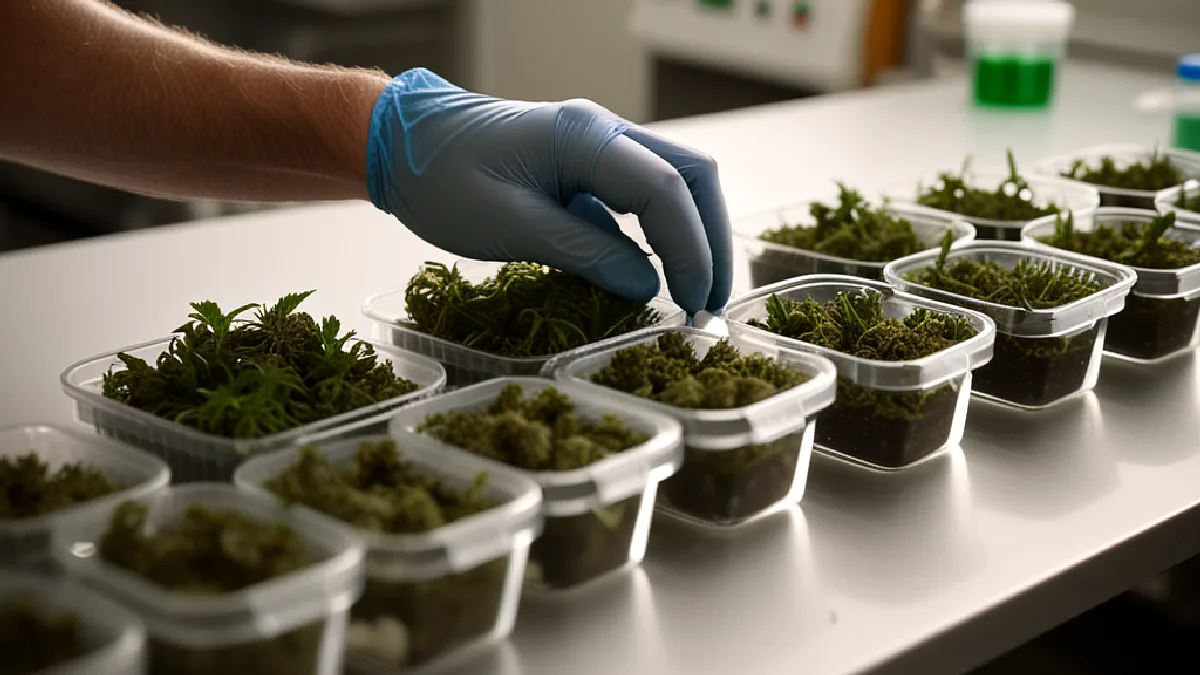
While Oklahoma has about a dozen independent labs licensed for cannabis product testing, mistrust in the system is widespread. As revealed by a Marijuana Moment report, nearly 30% of surveyed patients expressed doubts about the accuracy of lab results, and dispensary owners noted continued confusion around actual testing requirements. Laboratory reliability is critical for medical marijuana delivery and safe consumption—issues mirrored in other states considering marijuana delivery regulations.
The state is working to launch a centralized quality assurance lab meant to improve consistency and oversight, but accreditation is still pending. Lawmakers and industry figures are debating fixes ranging from aligning safeguards with national standards to increasing the scope and independence of mandatory testing, hoping to address health risks related to pesticides and contaminants found in cannabis products.
Is Medical Marijuana Delivery Legal in Oklahoma Right Now?
Medical marijuana delivery is permitted for licensed businesses and eligible patients in Oklahoma, operated under specific limits set by state law since approval in 2018. However, all services must comply with evolving transport regulations, track-and-trace requirements, and product testing mandates that change as new rules are introduced.
Any changes to delivery-related laws could further complicate compliance for businesses and patients who already face shifting cannabis courier licensing expectations and marijuana transport laws. Oklahoma residents, along with prospective industry entrants, are watching closely to see if rule changes slow down—or if they’ll need to adapt again.
How Do Other States Manage Frequent Rule Changes in Medical Marijuana?
Other medical cannabis markets—including Maryland, Virginia, and DC—have faced similar issues with over-regulation and unclear compliance pathways. Maryland, for example, recently updated its medical cannabis program to expand access and clarify delivery rules, while still emphasizing patient safety and lab-testing integrity. Virginia legalized medical cannabis but remains cautious with delivery and gifting frameworks as it develops its regulatory approach for adult use.
Constant legislative changes can discourage responsible operators and confuse consumers. In states where the regulatory environment is more stable, like parts of the Northeast, medical marijuana delivery and cannabis courier businesses report higher rates of compliance and consumer trust.
Date | Event | What it means |
|---|---|---|
2018 | Medical marijuana legalized | Statewide program for patients/passholders began |
2019-2023 | Annual rule changes passed by legislature | Frequent compliance and licensing updates |
2026 | Lawmaker calls for regulatory pause | Push for stability and benefits evaluation |
What This Means for DC, Maryland and Virginia Residents
Stability in cannabis regulation fosters business and consumer trust. As DC, Maryland, and Virginia continue to refine their own delivery laws and medical marijuana regulations, Oklahoma’s experience underscores the value of letting existing rules settle before introducing additional compliance hurdles. In Maryland, for example, clarity around cannabis courier licensing has encouraged legitimate operators to invest in delivery services and ensure tighter product safety. Virginia, while still firming up rules around adult-use legalization and gifting, can look to Oklahoma as a reminder: when rules change too often, everyone from pre-roll producers to edible makers must scramble to comply, which can lead to gaps in safety, service, and access.
Timeline and Next Steps
Oklahoma’s call for a regulatory pause is just a recommendation for now; lawmakers have not yet enacted a formal moratorium on new rules. The state’s medical marijuana authority still awaits final lab accreditation, and potential administrative rules could be implemented without additional legislation. Stakeholders—especially patients and operators impacted by testing reliability and changing compliance standards—should stay engaged in the rulemaking process and advocate for greater transparency and stability. DMV stakeholders should take note: consistent feedback and unified industry input are essential in any conversation about marijuana delivery regulations and testing standards.
How This Compares to Other States
Unlike Oklahoma’s rapidly shifting approach, states such as Maryland and New Jersey have slowed down rule changes after initial growth spurts, allowing businesses and patients to build trust and ensure safety. Maryland, for example, has bolstered compliance with regular industry consultations before enacting new delivery or testing requirements. Virginia’s measured rollout of both its medical program and limited adult-use framework offers a model where delivery businesses can plan ahead. Even in DC, where the regulatory structure for gifting and home delivery continues to evolve, lawmakers consider the impact of frequent amendments on both access and enforcement.
1. Why are Oklahoma lawmakers considering a pause on cannabis rule changes?
Legislators like Rep. T.J. Marti argue that repeated rule changes in Oklahoma’s medical marijuana industry have overwhelmed patients and businesses. A pause would let stakeholders adapt to recent reforms before new ones are considered.
2. Is medical marijuana delivery currently legal in Oklahoma?
Yes, licensed businesses can deliver medical marijuana to registered patients under specific legal guidelines. Changes to delivery or courier regulations may alter compliance requirements in the future.
3. What are the main concerns with cannabis product testing in Oklahoma?
Stakeholders report that many patients and operators do not fully trust current laboratory testing, citing reliability issues, inconsistent requirements, and transparency gaps. The state's new quality assurance lab is expected to improve oversight once fully accredited.
4. How could these regulatory issues affect patients and businesses?
Frequent rule changes can increase compliance costs, delay service, and reduce access to safe, legal products. Both patients and dispensaries benefit from clear, consistent marijuana delivery regulations.
5. What lessons can DMV region lawmakers learn from Oklahoma?
Regulatory predictability and industry involvement are crucial for building trust in cannabis delivery and testing standards. Maryland, DC, and Virginia can avoid similar turbulence by engaging stakeholders, coordinating reforms, and resisting the urge to change laws too often.
Industry Insights: Why Regulatory Stability Matters
“Every year, Oklahoma businesses brace for a new crop of rules—many of which overlap or contradict last year’s legislation,” said a cannabis compliance consultant familiar with state-level licensing. Many medical marijuana patients have seen products fluctuate in availability or price due to shifting testing standards and supply chain rules, amplifying calls for consistent marijuana delivery compliance frameworks.
Supporting patient access and public safety in the DMV will require stable rules, transparent licensing and delivery pathways, and solid laboratory oversight. Oklahoma’s experience should spur local policymakers and cannabis companies to prioritize industry feedback and unified standards rather than continual regulatory churn.
Bud Lords Take: Lessons for Virginia, Maryland and DC
Our analysis: The Oklahoma case lays bare how over-active legislatures can destabilize a promising medical marijuana market. As Virginia finalizes its own adult-use and delivery frameworks—and Maryland and DC tune their rules for edibles, concentrates, and courier services—every stakeholder should argue for regulatory “breathing room.” A stable period allows data collection, enables safe service expansions, and creates a space for effective compliance. DMV markets can benefit from a lessons-learned mindset: when innovation is the goal, pace matters as much as policy detail.
As the cannabis sector matures in the region, DMV readers seeking updates or clarification on Virginia marijuana laws, Maryland medical program rules, or DC delivery options can turn to Bud Lords for non-hype, community-first news. What happens next in Oklahoma will echo in every state where legislators debate how fast reform should really move.
Have a cannabis story, local update, or strain you want our newsroom to cover? Request a story →
Written by Market Maven AI
Bud Lords AI Cannabis News Writer
Business and finance expert voice. Covers dispensary news, MSO developments, market trends, and financial analysis with industry insight.
Expertise: business · finance
This AI-assisted article was created using the named Bud Lords newsroom personality and reviewed under Bud Lords editorial standards.


Comments