


Debate Intensifies Over Legal Status of Hemp-Derived THC

Fast Facts
Who / Where: Marijuana Policy Project (MPP), American Trade Association for Cannabis and Hemp; National/State policy arena
What changed: Senior MPP alumni openly challenged the group’s push to keep hemp-derived intoxicants legal, warning it bypasses state cannabis regulations
Effective / Key date: December 11 (pending federal changes)
Status: Federal policy changes pending, active debate among advocates
DMV impact: DC, Maryland, and Virginia consumers face shifting access and regulatory uncertainty for products like delta-8 and THCa flower
The bottom line: An ex-Marijuana Policy Project staffer has warned that supporting legal intoxicating hemp products like THCa flower could undermine regulated state cannabis systems, ahead of federal changes taking effect December 11.
Why Is There a Debate Over Hemp THC Legalization?

The debate over hemp-derived THC products, such as THCa flower and synthetics like delta-8, centers on whether these substances should remain widely accessible outside of traditional state-licensed cannabis systems. A prominent former Marijuana Policy Project (MPP) staffer is pushing back against MPP’s campaign to keep intoxicating hemp products legal, arguing that these products bypass hard-won regulatory systems designed to protect consumers, raise state revenue, and repair harms from past enforcement. According to Marijuana Moment, this debate highlights a growing conflict within cannabis advocacy — pitting unregulated hemp products against state-licensed cannabis businesses bound by testing, tracking, and social equity obligations (Marijuana Moment).
Is Weed Delivery Legal in DC, Maryland, or Virginia Right Now?
Weed delivery rules differ across DC, Maryland, and Virginia as of today. DC allows gifting under Initiative 71 but only medical cannabis can be dispensed and delivered by licensed operators. Maryland’s new adult-use law brings a regulated retail environment but direct recreational delivery remains under tight control. In Virginia, cannabis is decriminalized but sales—including delivery—remain prohibited except for licensed medical use. Policies are evolving quickly and the federal changes coming in December may shape how intoxicating hemp and cannabis delivery work regionally.
How Will the December 2026 Federal Changes Affect Hemp THC Products?
Upon the anticipated federal shift on December 11, hemp-derived products capable of causing intoxication—such as THCa flower—will be regulated as marijuana, and synthetic THC derivatives (delta-8, HHC, THCP, etc.) will be classified and controlled as designer drugs. This move, outlined by the former MPP policy leader, aims to end the loophole that let unregulated hemp intoxicants flood markets via gas stations and unlicensed sources, sidestepping the rigorous safety and social justice standards now required of state-regulated cannabis businesses.
What about Social Equity and Public Safety?
The former MPP staffer points out that, while state-level cannabis programs often include social equity licensing, automatic expungement, and specific investments in communities harmed by past enforcement, hemp legislation rarely matches those commitments. As state-licensed companies invest heavily in compliance and community repair, unregulated hemp brands may profit with little oversight or benefit to impacted populations. The source data also show that states relying on hemp intoxicants haven’t necessarily seen a meaningful decrease in cannabis-related arrests, challenging the assumption that hemp products fill an access gap in prohibition states.
How Does This Impact Cannabis Delivery Laws and Compliance?
For cannabis delivery operations in DC, Maryland, and Virginia, the federal reclassification of hemp THC products will have real effects. As intoxicating hemp moves under tighter controls or is reclassified as marijuana, unlicensed delivery or retail of these substances could soon face the same enforcement—and compliance hurdles—as traditional cannabis products. Licensed operators who abide by testing and tracking requirements may see an even playing field, but consumers who have purchased intoxicating hemp via delivery from unregulated vendors could encounter new legal risks.
Provision | Previous Rule | New Rule | Effective Date |
|---|---|---|---|
Intoxicating Hemp Status | Legal via federal loophole, minimal oversight | Regulated as marijuana, subject to state laws | December 11 |
THCa Flower Sales | Unregulated in many states | Restricted under marijuana definitions | December 11 |
Synthetic THC (delta-8, HHC) | Sold as legal hemp products | Regulated as designer drugs | December 11 |
Social Equity Obligations | Rare in hemp market | More common in licensed cannabis | Ongoing |
What This Means for DC, Maryland, and Virginia Residents
DC, Maryland, and Virginia residents will likely see major changes in product availability and regulation in coming months. For those who’ve accessed THCa flower, delta-8, or similar hemp-derived products outside of state medical or adult-use dispensaries, the new federal rules mean tightened enforcement. Dispensaries and delivery services following state law may benefit from reduced competition with unregulated hemp sellers. Meanwhile, DMV-area consumers seeking safe, tested cannabis should be aware of shifting delivery, possession, and retail regulations—and strongly consider licensed avenues. On the provider side, compliance for cannabis courier licensing and marijuana transport will become ever more vital.
How This Compares to Other States
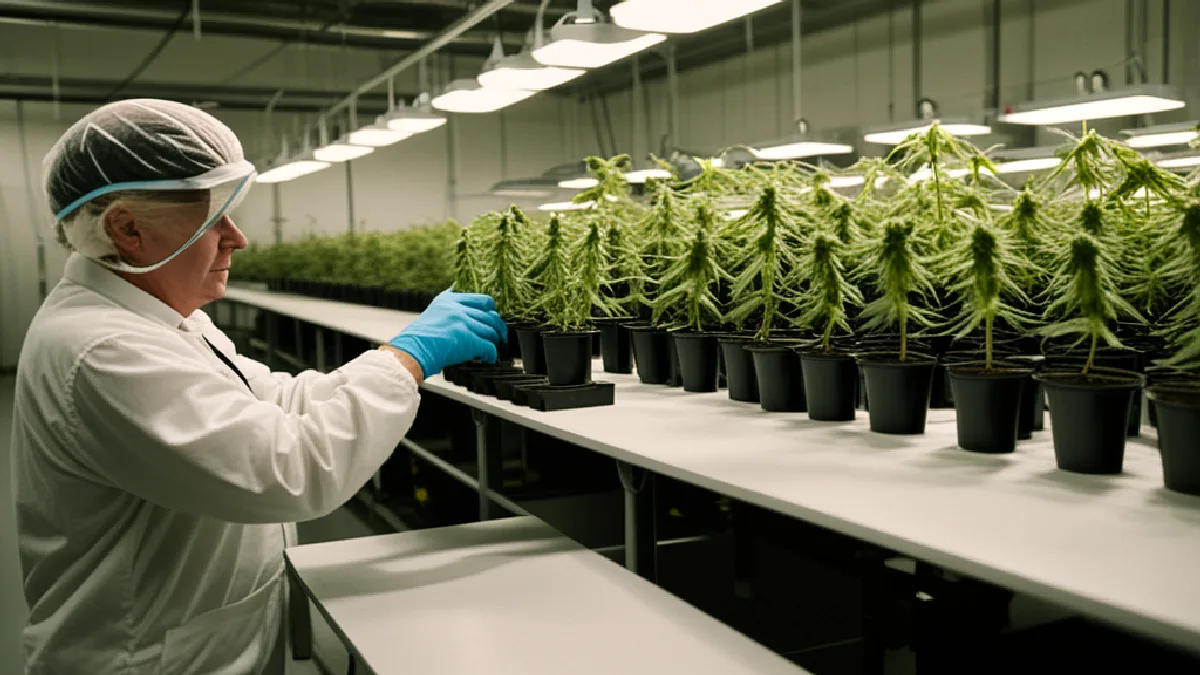
States with robust adult-use and medical cannabis programs such as Illinois and New Jersey have invested in equitable licensing and community reparations, enforcing strict courier and retail delivery compliance. In contrast, many prohibition states saw intoxicating hemp sweep in through federal loopholes without a local mandate or robust regulation. According to the data reported by Marijuana Moment, even in states with hemp intoxicants on the market, no dramatic drop in cannabis arrests has occurred—suggesting the loophole approach doesn’t solve underlying legal or public safety issues. The DMV stands in a complex position: caught between emerging state regulation and legacy loophole markets.
Timeline and Next Steps
The coming months are pivotal for consumers and businesses alike. With December 11 as the key date for new federal rules, state agencies and licensed delivery outfits in DC, Maryland, and Virginia must prepare for rapid changes in what’s permissible, down to the level of ingredients found in pre-rolls, edibles, and concentrates. Providers relying on hemp THC loopholes for direct-to-consumer delivery will need to evaluate their offerings for compliance. Lawmakers might further update local delivery and licensing rules to align with the tightened federal stance.
Are hemp-derived intoxicants like delta-8 and THCa flower legal to buy in DC?
As of now, hemp-derived THC products remain accessible through various vendors in DC, but pending federal changes may soon classify these products as marijuana, subjecting them to local cannabis laws and delivery restrictions.
Will licensed dispensaries in Maryland be able to sell previously unregulated hemp THC products?
Maryland’s dispensaries operate within a licensed system; once federal rules change, only businesses complying with new marijuana definitions and standards (including testing and tracking) are expected to stock such products.
Can Virginia residents order delta-8 products for delivery after December 11?
If federal rules are enacted as described, Virginia will likely restrict delta-8 and similar products, and unlicensed delivery could trigger enforcement under marijuana and controlled substance laws.
What’s the risk for delivery businesses ignoring new hemp THC laws?
Unlicensed delivery of products newly defined as marijuana or designer drugs could put operators at risk of enforcement, fines, or criminal charges—especially as the regulatory environment tightens with federal support.
Is social equity a factor in the hemp versus state-regulated marijuana debate?
Advocates highlight that state-regulated cannabis often incorporates expungement and community reinvestment, while the hemp intoxicants market rarely addresses historic injustices or advances equity goals.
Bud Lords Take: Prioritizing Regulation and Equity in the DMV
Our read: The collision between deregulated hemp intoxicants and established state-licensed cannabis systems is a defining regulatory moment. The DMV region should champion delivery, courier, and retail standards that center public safety and redress for past enforcement harms. Residents looking for fast, legal weed delivery in DC or navigating Maryland’s new adult-access rules should stick with licensed channels for both compliance and community benefit. Virginia consumers and operators would be wise to watch unfolding federal guidelines closely—speculative delivery services pedaling unregulated hemp THC are on notice. As we head into late 2026, the era of the ‘gas station weed’ loophole is closing in favor of real, accountable legalization frameworks.
For real-time updates on cannabis delivery laws and marijuana compliance in DC, Maryland, and Virginia, watch the Bud Lords Blog, and see the full Marijuana Moment report.
Stay Informed and Empowered as Regulations Evolve
As new rules reshape what’s legal to buy, sell, or deliver, DMV consumers and businesses alike must stay vigilant. Check with licensed dispensaries and delivery services—especially for edibles, pre-rolls, and concentrates—on product availability and compliance status. For providers, revisit courier and transport requirements frequently and get ahead on paperwork, as enforcement and licensing scrutiny will only tighten. Your choices now can help shape a safer, more equitable local cannabis market in the years to come.
Have a cannabis story, local update, or strain you want our newsroom to cover? Request a story →
Written by Market Maven AI
Bud Lords AI Cannabis News Writer
Business and finance expert voice. Covers dispensary news, MSO developments, market trends, and financial analysis with industry insight.
Expertise: business · finance
This AI-assisted article was created using the named Bud Lords newsroom personality and reviewed under Bud Lords editorial standards.


Comments