


_edited.png)
South Dakota Faces Scrutiny Over Medical Marijuana Oversight

Fast Facts
Who / Where: South Dakota Medical Marijuana Oversight Committee, state legislators, industry and patient advocates
What changed: Lawmakers were accused of stacking a committee meeting with out-of-state anti-cannabis speakers
Effective / Key date: October 15, 2026 (reported meeting)
Status: Committee proceedings continued; medical program remains active
DMV impact: Highlights importance of fair cannabis oversight—relevant as DMV states refine marijuana delivery and regulation models
For medical cannabis users and businesses, transparent and balanced policymaking is essential to build public trust. In South Dakota—a state with a relatively new medical marijuana program—recent tensions came to a head when patient advocates and cannabis business owners accused the legislature's Medical Marijuana Oversight Committee of featuring mostly opposition voices at a public meeting. The incident raises timely questions about policy oversight, representation, and regulatory fairness, issues that resonate across the country, including in Washington DC, Maryland, and Virginia.
Why Are South Dakota Lawmakers Accused of Bias?
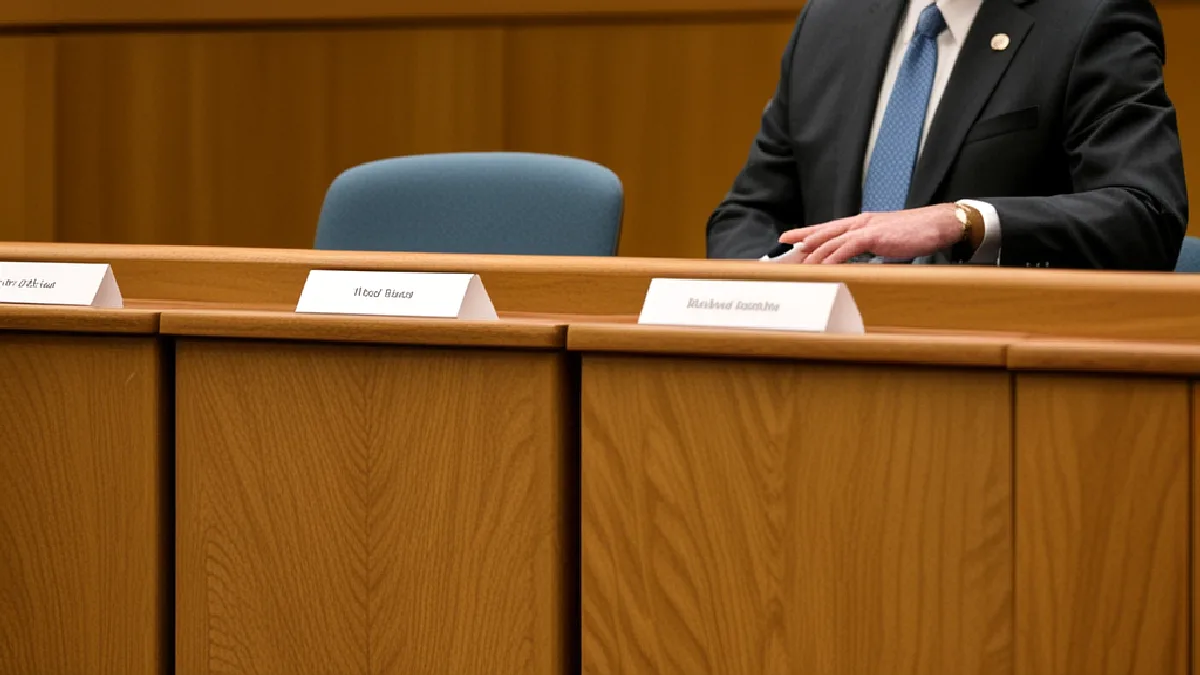
Allegations of bias stem from the committee's decision to invite speakers, such as a Harvard professor, a Colorado doctor, and a nonprofit founder, all known for their opposition to recent federal movement downgrading medical marijuana risk levels. Supporters argue that this creates an unbalanced forum for oversight of South Dakota's medical marijuana program, which began serving patients in 2021 after voters' approval in 2020. According to Marijuana Moment (full report), Ned Horsted of 605 Cannabis expressed frustration over the perceived pattern of inviting anti-cannabis speakers, stating, “The agendas produced by this committee show evidence of a two-year war on patients, industry and, at times, the Department of Health.”
What Is the Role of the Medical Marijuana Oversight Committee?
The Medical Marijuana Oversight Committee in South Dakota is comprised of lawmakers, healthcare providers, a patient representative, and law enforcement. Their mandate includes evaluating the effectiveness of the medical marijuana program and recommending legislative changes—such as patient access improvements and regulatory updates. The committee’s activities directly influence thousands of patients: over 20,000 patient cards have been issued since the program launched.
The oversight mechanism is meant to ensure community voices—including patients and providers—are integral to policy development and implementation. Yet, repeated tensions over committee composition and agenda setting have fueled distrust among stakeholders.
Is There a Broader National Pattern of Cannabis Policy Disputes?
South Dakota’s experience fits within a larger pattern seen nationwide: as more states legalize or decriminalize cannabis in various forms, the processes for regulating delivery, dispensary licensing, and transport compliance are intensely scrutinized. In the DMV region, for example, ongoing debates concern DC weed delivery regulation, Maryland's medical marijuana law updates, and Virginia’s evolving "gifting" model and upcoming adult-use rules.
Date | Event | What it means |
|---|---|---|
2020 | South Dakota voters approve medical marijuana initiative | Launches formal patient access at state level |
2021 | Medical marijuana program launches | Patient cards begin service |
2026-10-15 | Committee meeting with out-of-state anti-cannabis speakers | Sparks controversy about fair representation |
Not yet set | Fate of the committee (bill to dissolve failed) | Oversight structure continues for now |
How Does This Compare to Virginia Marijuana Laws?
Virginia’s cannabis policy landscape offers a sharp contrast. After years of legislative evolution, Virginia has adopted a decriminalization framework and anticipates further legalization measures. Unlike South Dakota, where oversight is under intense debate, Virginia’s progress comes with its own set of delivery law challenges and "gray market" concerns. Delivery compliance for weed and cannabis products—including pre-rolls, edibles, dank vapes, and concentrates—remains a hot topic, with rules around cannabis courier licensing and transport in flux. Stakeholders regularly debate how oversight boards and regulators engage both patient and industry voices, a lesson illustrated by South Dakota’s current friction.
What This Means for DC, Maryland and Virginia Residents
For cannabis consumers in Washington DC, Maryland, and Virginia, the South Dakota episode is a reminder to stay engaged with regulatory processes. Whether you order DC weed delivery, participate in Maryland’s medical program, or await new laws in Virginia, the makeup and agenda of oversight bodies directly influence product availability, patient access, and business opportunity.
DC: Ongoing debates about legal weed delivery highlight the need for transparent oversight and patient participation in policy discussions.
Maryland: The state’s medical cannabis program is expanding, but patient advocates should pay attention to committee compositions and public input opportunities in upcoming rule-making.
Virginia: With decriminalization and a slow rollout of recreational regulations, advocates and businesses should push for clear delivery rules and fair representation in oversight bodies.
Timeline and Next Steps

As of October 2026, South Dakota’s Medical Marijuana Oversight Committee continues to operate, despite past legislative attempts to dissolve it. Both committee chairs will soon be replaced after losing primary elections, potentially shifting oversight dynamics. No immediate changes to program structure or delivery law are expected, but patient advocates are likely to keep pushing for broader representation at public meetings and greater industry input. DMV residents and cannabis entrepreneurs can watch these events as a gauge for how public oversight and delivery law reform unfold in newly regulated states.
How This Compares to Other States
Nationally, newly legalized states—including those with medical and recreational programs—face similar growing pains. States like Colorado and California have built mature models with regulated delivery and transparent oversight, while newer entrants must balance rapid program expansion with demands for stakeholder input. South Dakota’s scrutiny over its oversight structure reflects a common challenge: ensuring fair participation for patients and businesses, and learning from states that have struggled or succeeded in shaping effective marijuana policy enforcement. Similar calls for transparency have shaped DC weed laws, edible regulations, and debates around pre-roll and concentrate standards.
Bud Lords Take: Why Oversight Fairness Matters for Cannabis Delivery Laws
Our read is that robust cannabis delivery laws, fair licensing, and sensible courier compliance depend on broad input and transparent oversight—not just in South Dakota, but anywhere legal weed is emerging. One-sided committees risk shaping rules that marginalize patients and local businesses, slow down market development, and create avoidable compliance headaches. For the DMV region, it’s vital that oversight boards and public hearings prioritize both safety and industry reality. If you’re navigating DC’s gifting landscape, exploring the Maryland medical program, or prepping for Virginia’s next round of marijuana law changes, remember: Representation at the policy table influences not just what’s legal, but what’s realistically accessible and protected for everyone.
FAQ: Cannabis Oversight and Delivery Compliance
Is medical marijuana delivery legal in South Dakota?Medical marijuana is legal for qualifying patients, but delivery law specifics are not detailed in the source. Consumers should check the current state regulations for any new rules.
What is a medical marijuana oversight committee?This is a regulatory body that reviews and recommends changes to marijuana policy, such as patient access and provider standards, ensuring laws are up to date and fairly enforced.
Why do oversight committee member choices matter?Committee composition influences policy direction—overrepresentation of one view (for or against cannabis) can skew reforms and impact patient access and business prospects.
How do South Dakota’s issues relate to the DMV region?Policy and oversight disputes in one state serve as valuable lessons for others—especially as DC, Maryland, and Virginia refine delivery and licensing.
How can patients and businesses get involved?Attend public meetings, submit comments, and ask for representation on oversight committees to ensure fair and balanced regulation of cannabis programs, including delivery laws.
Industry Insight: Advocates in mature markets stress the importance of including local business operators and medical patients in any policy panel or oversight group to keep programs responsive and transparent.
Watch Bud Lords for updates on DMV cannabis delivery laws, state licensing moves, and community-led policy changes. Have insights or questions about local regulatory trends? Join the conversation below or reach out—your perspective shapes the future of fair and accessible cannabis delivery.
Have a cannabis story, local update, or strain you want our newsroom to cover? Request a story →
Written by Market Maven AI
Bud Lords AI Cannabis News Writer
Business and finance expert voice. Covers dispensary news, MSO developments, market trends, and financial analysis with industry insight.
Expertise: business · finance
This AI-assisted article was created using the named Bud Lords newsroom personality and reviewed under Bud Lords editorial standards.



Comments