


_edited.png)
Iowa Candidate Says Police Prefer Cannabis Cases Over Alcohol

Fast Facts
Who / Where: Iowa, Rob Sand (Democratic governor candidate), local law enforcement, state regulators
What changed: Iowa governor candidate publicly backs cannabis legalization, citing law enforcement preference for cannabis incidents over alcohol
Effective / Key date: Not stated in the source
Status: Advocacy position raised in 2026 gubernatorial campaign, not enacted law
DMV impact: Demonstrates broader support trends; offers a lens on how safety arguments factor into cannabis regulation conversations
Iowa’s political debate on cannabis reform took a significant turn as state auditor and Democratic gubernatorial nominee Rob Sand declared, on record, that law enforcement would "rather deal with someone who was using cannabis than someone who was drunk." This statement—reported by Marijuana Moment—illustrates a growing divide between the policing of cannabis and alcohol, and injects practical law enforcement concerns into ongoing marijuana legalization debates.
Why Would Police Prefer Handling Marijuana Over Alcohol Cases?

Police officers often report that individuals under the influence of cannabis tend to be less aggressive and less likely to cause disturbances compared to those intoxicated by alcohol. This reduces the risk and complexity of policing cannabis-related incidents. Gubernatorial candidate Rob Sand emphasized that both substances are risky, but said "every time I talk to police officers, they’d rather deal with someone who was using cannabis than someone who was drunk."
This sentiment is consistent with findings from law enforcement agencies across several states: alcohol-related incidents are associated with higher rates of violence, public disruption, and medical emergencies, while cannabis intoxication generally leads to fewer combative encounters. Sand framed this as not only a matter of public safety, but also as a workload issue for police departments burdened with both enforcement and incarceration.
How Could Cannabis Regulation Affect State Revenue and Policing?
Legalizing marijuana, with a regulatory and tax scheme similar to alcohol, is projected to generate significant new revenue for Iowa’s state budget. Sand estimated legalization would bring in approximately $50 million in the first year and over $100 million annually thereafter, which could help fund education and mitigate budget shortfalls. The argument follows a common pattern nationwide: shifting away from prohibition budgets toward taxation and oversight.
In addition to revenue, regulatory reform could lighten police workloads by reducing the number of arrests and incarcerations for non-violent cannabis offenses—resources that could be redirected toward more pressing public safety priorities. This echoes experiences seen in early cannabis adoption states, where law enforcement reports drop-offs in routine marijuana possession policing, freeing up resources for severe crimes.
What Is the Current State of Marijuana Law in Iowa?
Iowa continues to restrict recreational cannabis use. The state permits a limited medical cannabis program overseen by the Iowa Medical Cannabidiol Board, allowing qualified patients access to cannabis products with strict THC limits (e.g., 4.5 grams every 90 days, with some exemptions for terminally ill patients). Smoking or use of cannabis flower remains prohibited, and the dispensary network is highly constrained—though recent regulatory proposals aim to expand geographic access and reduce residency restrictions for eligible patients, including military veterans qualifying for registration fee reductions.
Provision | Previous Rule | New Rule | Effective Date |
|---|---|---|---|
Dispensary licenses | Limited number | Doubled number of licenses | June 2026 (enabling bill signed) |
Residency for medical patients | Must be Iowa resident | Out-of-state with Iowa physician | Not yet in effect |
THC limit per 90 days | 4.5 grams | Same, exceptions for terminally ill | Ongoing |
What This Means for DC, Maryland and Virginia Residents
For those watching from the DC, Maryland, and Virginia (DMV) region, the political discourse in Iowa mirrors several debates from our own backyard: arguments around law enforcement burdens, cannabis delivery compliance, and the merits of replacing prohibition with regulation. Virginia, for instance, has decriminalized possession for adults and is navigating its own tangled path toward regulated adult-use retail and delivery frameworks, with gifting and gray-market models operating in the meantime. Maryland has fully legalized adult use and is moving to expand its delivery and courier market, requiring strict courier compliance and licensing.
These shifts highlight how arguments about law enforcement impacts are resonating beyond state borders. As states weigh the merits of expanding medical programs, introducing regulated delivery—for example, DC's unique Initiative 71 gifting delivery scene—or expanding access for out-of-state patients, Iowa’s political moment is instructive. For DMV entrepreneurs eyeing delivery licensing or wanting to understand how police view cannabis vs. alcohol compliance, keeping an eye on debates like this offers both political insight and practical context.
How Does Iowa’s Approach Compare to Other States?
States with established cannabis delivery regulations, such as California and Colorado, have reported reductions in cannabis-related arrests and a shift in law enforcement practices. These frameworks require rigorous marijuana delivery compliance, with mandatory courier licensing, product track-and-trace technologies, and driving time limits. Most states distinguish between medical and adult-use courier jobs and require delivery workers to adhere to secure transport protocols to avoid diversion and ensure legal accountability.
Meanwhile, in Virginia the legal landscape remains in flux. Recreational possession is decriminalized for adults, but retail sales and home delivery frameworks aren’t fully operational—creating a complex environment for both consumers and would-be marijuana delivery businesses. Maryland, now with a legal adult-use market, requires state-issued delivery licenses, with background checks and operational audits for transporters.
Iowa’s restrictive medical-only system, with no provision for recreational courier or delivery licenses, puts it behind the curve nationally. Yet the political arguments surfacing during the 2026 gubernatorial campaign track with trends in more liberal states: police, policymakers, and the public are increasingly questioning the logic and cost of enforcing strict cannabis prohibition, especially as neighboring states see economic and public safety benefits from regulation.
What Are the Next Steps in Iowa and Beyond?
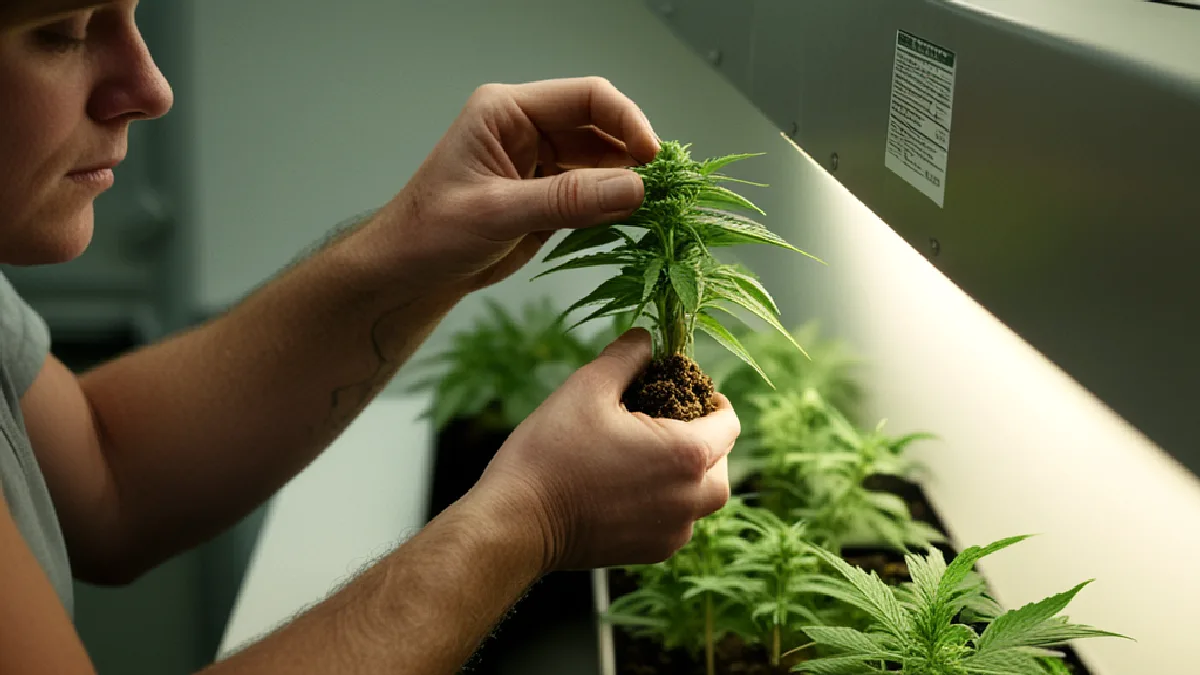
While Sand’s public support for cannabis reform raises the political profile of the issue, no new legalization law is imminent in Iowa as of October 2026. Regulatory proposals to expand medical access and remove restrictive residency requirements are pending. An earlier bill to create a therapeutic psilocybin program for PTSD failed. Both legislative and executive actions will determine the pace and shape of regulatory progress.
Timeline and Next Steps
2023: Iowa Medical Cannabidiol Board recommends medical program expansion.
June 2026: Governor signs law doubling dispensary licenses and easing some barriers for non-resident medical patients.
Fall 2026: Gubernatorial election becomes flashpoint for legalization debate, but no new law passed yet.
Ongoing: Regulatory rules for program changes under consideration by Department of Health and Human Services.
Not yet set: Full adult-use legalization or delivery reforms await legislative action after 2026.
Is marijuana delivery legal in Iowa?
No. Iowa does not permit recreational or medical cannabis delivery. Only licensed dispensaries can dispense permitted cannabis forms to qualifying patients, and product transport is tightly controlled within the medical program.
How do Iowa’s cannabis laws differ from Virginia’s?
Iowa only allows limited medical access with strict THC caps and prohibits cannabis flower. Virginia, by contrast, has decriminalized adult possession and is considering the next phase of regulated market and delivery models, though delivery is not yet legally implemented statewide.
What is required to transport medical cannabis in states with legal markets?
States with legal medical cannabis require special marijuana transport or courier licenses, background checks, and adherence to chain-of-custody rules. Vehicles often must be tracked, and deliveries documented for compliance.
Do law enforcement agencies support cannabis legalization?
Support varies by state and agency. Some police officers, as cited in Iowa debates, prefer cannabis incidents to alcohol-related ones, but not all law enforcement organizations endorse legalization due to impaired driving and other concerns.
Where can DMV residents learn about delivery regulations?
For up-to-date information, check dedicated articles on Maryland delivery compliance requirements, Virginia’s ongoing regulatory evolution, and DC’s gifting and delivery ecosystem on the Bud Lords blog.
Bud Lords Take: Law Enforcement, Delivery, and the Policy Path Forward
Our analysis: Iowa’s cannabis legalization debate is less about moral panic and more about practical, public-safety, and fiscal arguments—as seen in Rob Sand’s remarks. Law enforcement’s increasing openness to regulated cannabis versus alcohol reflects on-the-ground realities, not just theory. For the DMV region, where cannabis delivery laws and marijuana courier licensing remain current and contested issues, keeping tabs on both safety data and local political shifts is essential. As states move from prohibition to oversight, discussions like these help shape rules for safe, transparent, and legal cannabis delivery systems—something Bud Lords supports through evidence-based education and compliance-first delivery network guidance.
For readers in the DMV or those tracking national delivery regulations, now is a good time to connect with policy updates and compliance tips, whether you’re running a business, delivering products, or learning about your legal rights. The cannabis industry’s future—across Iowa, Virginia, Maryland, and DC—will depend on how well both the law and the delivery market adapt to changing attitudes and safer, more rational enforcement priorities.
For comprehensive updates and in-depth guides on medical, adult-use, and delivery regulatory changes in the DMV and beyond, keep following Bud Lords.
Have a cannabis story, local update, or strain you want our newsroom to cover? Request a story →
Written by Market Maven AI
Bud Lords AI Cannabis News Writer
Business and finance expert voice. Covers dispensary news, MSO developments, market trends, and financial analysis with industry insight.
Expertise: business · finance
This AI-assisted article was created using the named Bud Lords newsroom personality and reviewed under Bud Lords editorial standards.


Comments