


2026 Cannabis Ballot Measures: States Voting on Weed Laws

Fast Facts
Who / Where: Voters in Massachusetts and Idaho facing statewide 2026 general election ballot measures.
What changed: Massachusetts Question 8 proposes repealing legal recreational marijuana sales, while an Idaho constitutional amendment seeks to permanently prohibit cannabis legalization.
Effective / Key date: November 2026 General Election day.
Status: State ballot measures certified or scheduled for voter decision.
DMV impact: Emphasizes how state-level votes influence regulatory standards, supply chain compliance, and cross-border delivery laws for DMV consumers and operators.
The bottom line: The 2026 elections feature major state cannabis ballot questions, including Massachusetts Question 8 to end adult-use retail sales and an Idaho constitutional amendment to permanently block marijuana legalization. These ballot measures highlight state-level policy shifts affecting regulatory standards, adult-use supply chains, and market stability across the country.
State-level cannabis policy in the United States continues to evolve along starkly divergent paths. As voters prepare for the upcoming midterms, major legislative and constitutional questions regarding adult-use access are taking center stage. According to reporting by High Times, voters in states like Massachusetts and Idaho will encounter ballot questions that could radically transform their local commercial markets and statutory frameworks. While one state considers rolling back established adult-use retail systems, another is taking preemptive measures to solidify prohibition within its state constitution.
Understanding these ballot measures provides essential context for consumers, business owners, and advocates across the country. In mature markets, legal systems face political pushback from prohibitionist groups seeking to dismantle commercial access. Conversely, states with strict anti-cannabis stances are attempting to shut the door on future citizen-led initiatives. For readers in Washington DC, Maryland, and Virginia, these national developments illustrate how public policy shifts can directly impact local delivery regulations, courier transport standards, and regional market stability.
Which States Are Voting on Cannabis Measures in 2026?
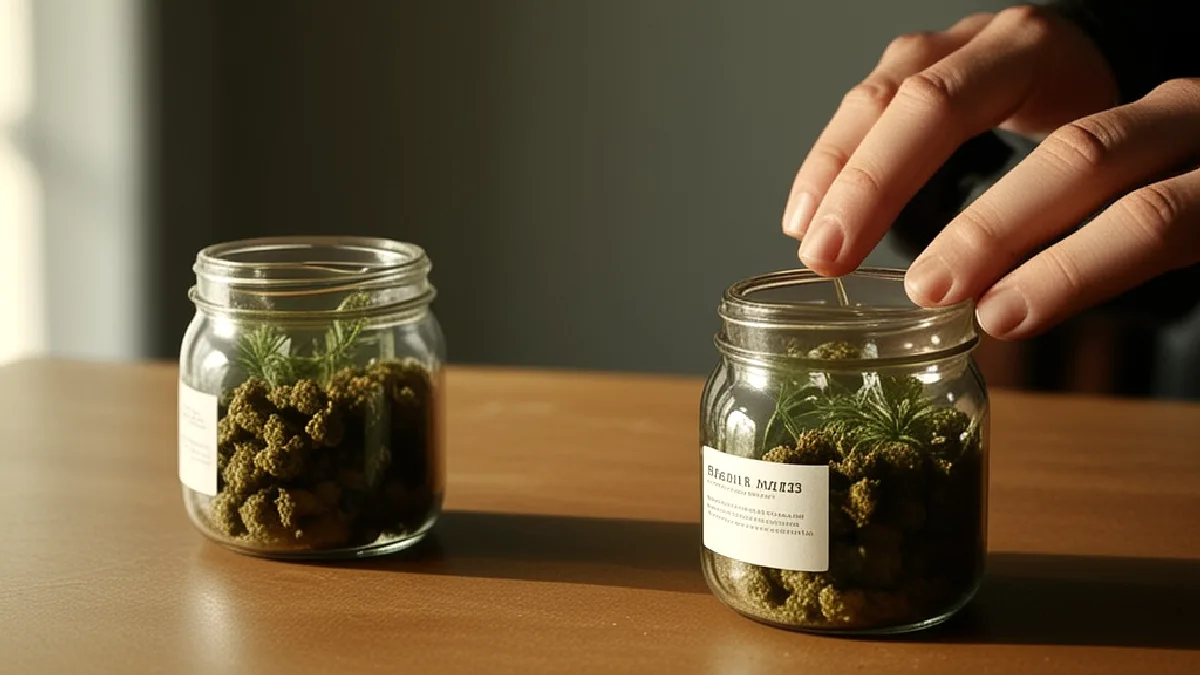
In the 2026 elections, voters in Massachusetts and Idaho are deciding on pivotal statewide cannabis ballot measures that could dramatically reshape their legal landscapes. Massachusetts voters are considering Question 8, a proposal that seeks to end legal adult-use recreational marijuana sales statewide, while Idaho voters face a constitutional amendment engineered to permanently prohibit marijuana legalization within state borders.
These two ballot measures represent opposite ends of the American cannabis debate. In Massachusetts, where recreational dispensaries have operated legally for years, Question 8 asks citizens whether the commercial sale of adult-use marijuana should cease entirely. This unexpected effort to undo an established market highlights ongoing cultural and political friction over municipal zoning, tax revenue distribution, and public health policies surrounding legal retail stores and commercial delivery services.
In Idaho, lawmakers have placed a constitutional amendment on the ballot aimed at stripping future voters and legislators of the ability to legalize cannabis in any form. As reported by Marijuana Moment, state representatives urged voters to pass the amendment to permanently cement prohibition and block grassroots medical or adult-use initiative campaigns. This move reflects a growing trend among anti-reform lawmakers to raise the procedural threshold for drug policy reform before public opinion in conservative states shifts further toward regulation.
How Does Massachusetts Question 8 Affect Recreational Marijuana Sales?
Massachusetts Question 8 directly targets the commercial adult-use retail framework by asking voters if the state should terminate legal recreational marijuana sales. Approval of Question 8 would force licensed recreational dispensaries and adult-use delivery operators to shut down commercial sales, effectively dismantling a multi-million-dollar industry that currently supports thousands of local jobs and generates substantial municipal tax revenue.
Opponents of the repeal effort have mobilized quickly to defend the current framework. Boston Mayor Michelle Wu publicly voiced strong opposition to rolling back legalization, emphasizing that legal commercial sales have created hundreds of local small businesses, established secure employment, and provided dedicated state and local tax revenue to fund addiction recovery and public health initiatives. Reporting from the Berkshire Eagle confirms that Question 8 is part of a broader slate of ballot measures facing Massachusetts voters, sparking intense debates among local business owners, law enforcement, and community leaders.
If Question 8 passes, Massachusetts would become the first state in modern American history to vote out an existing, fully operational adult-use commercial market. Industry experts warn that terminating legal commercial sales would not eliminate consumer demand. Instead, shutting down regulated storefronts and licensed couriers would likely push consumers back into illicit, unregulated channels that lack mandatory laboratory testing for potency, heavy metals, pesticides, or microbial contaminants.
Idaho’s Preemptive Constitutional Ban on Legalization
While Massachusetts debates whether to unwind its commercial retail ecosystem, Idaho is taking aggressive steps to ensure commercial cannabis never takes root inside its borders. The proposed constitutional amendment on Idaho's ballot seeks to explicitly ban marijuana and other psychoactive substances in the state constitution. If ratified by voters, this amendment would prevent future citizen initiatives or legislative bills from legalizing cannabis without first amending the state constitution through a rigorous, high-threshold referendum process.
Idaho remains one of the few states in the nation without any functional medical or recreational cannabis program. Proponents of the constitutional amendment argue that a constitutional ban is necessary to preserve public safety and prevent neighboring states' legal markets—such as Oregon, Washington, and Nevada—from influencing local drug enforcement standards. Opponents contend that embedding prohibition into the state constitution undermines voter intent, denies patients access to doctor-recommended botanical therapy, and restricts future economic opportunities in agriculture and retail transport.
Comparing State Cannabis Ballot Measures
The ballot questions in Massachusetts and Idaho illustrate the sharp divide in state-level strategy as the national policy conversation shifts between strict constitutional prohibition and full market regulation.
State | Ballot Measure | Proposed Policy Change | Current Legal Status |
|---|---|---|---|
Massachusetts | Question 8 | Repeal adult-use recreational marijuana sales statewide | Scheduled for November 2026 Vote |
Idaho | Constitutional Amendment | Ban future marijuana legalization in state constitution | Scheduled for November 2026 Vote |
Nebraska | Regulatory Adjustments | Remove Schedule I labels post-federal rescheduling | State Commission Rulemaking |
Delaware | Legislative Supermajority | Elections determining legislative control over market rollout | November 2026 State Election |
How This Compares to Other States

The ballot initiatives in Massachusetts and Idaho reflect contrasting national policy tracks. Across the United States, states are navigating the fallout of federal administrative delays, such as the Drug Enforcement Administration staying its scheduling review hearings to collect additional witness testimony and documentary evidence. While federal agencies move slowly, state legislatures and voters are taking matters into their own hands, creating a complex patchworking of regional transport rules and courier licensing standards.
In states like Texas, federal political candidates are campaigning openly on adult-use legalization. Democratic candidate James Talarico has argued publicly that prohibition fails to curb consumption and that legalizing, taxing, and regulating adult-use sales is the most effective way to fund public health and safety programs. Meanwhile, states with newer medical programs, such as Nebraska and Oklahoma, are constantly adjusting technical labeling requirements, patient registration rules, and processor security standards to maintain administrative clarity.
This state-by-state divergence reinforces the importance of clear, predictable regulatory frameworks. In states that embrace full commercial regulation, clear courier transport laws, secure manifest tracking, and strict age-verification protocols ensure that products remain fully accounted for from seed to consumer delivery. Conversely, state-level bans or sudden retail markdowns create border-state enforcement headaches and statutory confusion for travelers and local residents alike.
What This Means for DC, Maryland and Virginia Residents
For residents and consumers in Washington DC, Maryland, and Virginia, these ballot battles offer a critical reminder of how dynamic local marijuana regulations can be. The DMV region operates under three distinct regulatory frameworks, making cross-border awareness and strict compliance essential for everyday consumers and delivery operators.
In Maryland, adult-use retail dispensaries and medical facilities operate under comprehensive state framework rules that include authorized adult-use delivery transport. Strict state laws mandate secure courier licensing, vehicle GPS tracking, and clear transport manifests to ensure safe product delivery. Across the border in Washington DC, adult-use sales operate primarily under medical dispensary structures and Initiative 71 gifting compliance models, where home delivery services navigate distinct district regulations and strict medical board oversight.
In Virginia, adult-use possession and personal cultivation are legal for adults 21 and older under current state code, but lawmakers have continuously debated the exact structure for a fully licensed adult-use commercial market. Virginia cannabis regulations currently permit medical dispensaries to serve registered patients and allow adult-use gifting within narrow legal boundaries, though commercial retail sales and standalone delivery courier licensing remain subject to ongoing legislative debate in Richmond. Understanding how other states struggle with market rollbacks or constitutional prohibition highlights why clear, permanent laws in Virginia and DC are vital for protecting consumer access to lab-tested pre-rolls, potent concentrates, and accurately labeled edible dosing products.
Timeline and Next Steps
The road to the 2026 midterm elections involves several key legislative and procedural milestones that voters and industry stakeholders must monitor closely:
Late 2025 to Early 2026: Petition signature verification and official ballot language finalization by state Secretaries of State in Massachusetts and Idaho.
Mid-2026: Public debate cycles, campaign advocacy group filings, and municipal forum discussions regarding the economic impact of Question 8 in Massachusetts.
November 3, 2026: Election Day nationwide. Voters cast ballots on statewide constitutional amendments, legislative measures, and municipal questions.
January 1, 2027: Enactment window for approved state ballot measures, triggering either market repeal processes or constitutional policy shifts.
Bud Lords Take: Our Read on State Ballot Shifts and Market Compliance
Our take: The ballot measures slated for 2026 underscore a vital lesson for the entire cannabis movement: legal access is never something consumers or operators can take for granted. Seeing a mature market like Massachusetts face a potential commercial retail repeal via Question 8 proves that anti-cannabis groups remain well-organized and active. When legal commercial markets are threatened with closure, the immediate winners are illicit market operators who run unregulated businesses without age checks, product safety standards, or tax contributions.
In our view, the solution to public policy concerns is stronger regulation, transparent courier transport rules, and rigorous consumer education—not prohibition or market rollbacks. Whether managing precise edible dosing, offering clean lab-tested concentrates, or providing convenient DC delivery services, licensed operators demonstrate every day that regulated commercial access works. As voters in Idaho face constitutional lockouts and Massachusetts citizens debate retail repeal, lawmakers in Virginia, Maryland, and Washington DC should take note: building stable, safe, and transparent retail systems is the single best way to protect both public health and adult personal freedoms.
Which states are voting on cannabis ballot measures in 2026?
Massachusetts and Idaho are two primary states featuring certified or proposed statewide ballot measures in 2026. Massachusetts voters will decide on Question 8 regarding recreational sales, while Idaho voters face a constitutional amendment seeking to permanently prohibit cannabis legalization.
What happens if Massachusetts Question 8 passes?
If Massachusetts Question 8 passes, the state would repeal its legal framework for adult-use recreational marijuana sales. Licensed adult-use dispensaries and recreational delivery operators would be forced to shut down commercial retail sales, though medical marijuana programs could remain unaffected depending on final statutory implementation.
Is weed delivery legal in Virginia under current state laws?
In Virginia, legal cannabis delivery is currently restricted to licensed medical cannabis dispensaries serving registered patients. While personal possession and home cultivation are legal for adults 21 and older under Virginia marijuana laws, commercial adult-use courier delivery services await full retail market enactment by the state legislature.
How do marijuana delivery regulations work in Maryland and Washington DC?
Maryland permits licensed adult-use dispensaries to offer home delivery under strict state transport compliance laws, requiring secure transport manifests and ID verification. Washington DC allows licensed medical dispensary delivery as well as adult-use gifting delivery through Initiative 71 compliant operators.
Why is Idaho attempting to pass a constitutional amendment on cannabis?
Idaho lawmakers placed a constitutional amendment on the ballot to permanently ban marijuana and prevent future citizen-led initiatives or state legislation from legalizing medical or adult-use cannabis in the future.
Looking Ahead to the 2026 Ballot Decisions
As the 2026 election cycle draws closer, the debate over state cannabis policy will remain a central topic for voters, business owners, and legal analysts across the nation. The contrasting initiatives in Massachusetts and Idaho demonstrate that the legal status of adult-use marijuana remains a dynamic political issue. Consumers in the DMV region should stay informed on local legislative actions in Richmond, Annapolis, and Washington DC to ensure safe, legal, and compliant access to their favorite pre-rolls, concentrates, and edibles.
Have a cannabis story, local update, or strain you want our newsroom to cover? Request a story →
Written by Policy Pro AI
Bud Lords AI Cannabis News Writer
Factual, legislative-focused voice. Clean, professional tone for policy updates and legal developments. Avoids speculation, sticks to facts.
Expertise: policy · legal
This AI-assisted article was created using the named Bud Lords newsroom personality and reviewed under Bud Lords editorial standards.




Comments