


_edited.png)
Virginia Cannabis Laws: Draft Adult-Use Rules Target 2027

Virginia cannabis laws are poised for a major update. The Virginia Cannabis Control Authority (CCA) has released draft regulations outlining the first adult-use retail framework, including license caps, fee structures, and an expected sales start in 2027.
These proposals are not yet final. Regulators emphasized the draft is open to changes before anything is adopted. If you live or operate in Virginia, or you watch the DMV market, now is the time to understand what’s on paper and what remains undecided.
Ganjapreneur first reported the draft details and timing, attributing them to state officials and Virginia Business coverage. You can read their report here: Virginia Releases Draft Rules for Adult-Use Cannabis Market.
What’s in Virginia’s draft adult-use rules
Virginia’s proposed adult-use market would limit the number of storefronts. According to the CCA draft reported by Ganjapreneur, the cap would be 350 licensed dispensaries statewide.
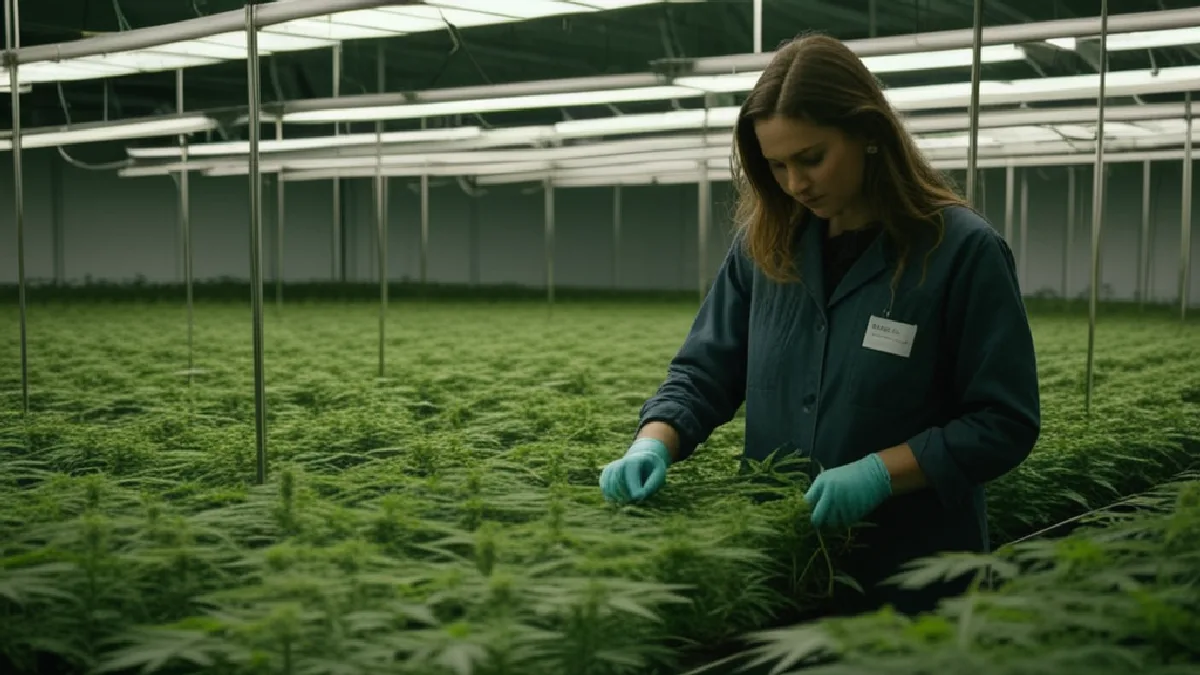
Large-scale cultivation would also be tightly controlled. Only five licenses are contemplated for the largest cultivation tier, which covers up to 35,000 square feet of cannabis canopy under the draft framework.
Licensing fees are spelled out. The draft sets a $40,000 license fee for cannabis retailers. Cultivation fees would range from $20,000 to $50,000 depending on facility size, while microbusiness licenses are proposed at $2,500.
Microbusiness licensing would allow smaller, vertically integrated operations at a lower cost. Details on how that integration works in practice will depend on final regulations, which the CCA has not yet adopted.
Regulators underscored that these rules are a starting point. As CCA Legislative and Regulatory Manager Jake Shuford noted, “These are not final by any means,” per Ganjapreneur’s reporting.
Where this fits in Virginia cannabis laws today
The draft adult-use rules represent a new chapter. The General Assembly recently reached agreement to legalize adult-use sales, setting the stage for the CCA to craft regulations that turn law into a functioning market, Ganjapreneur reports.
Under state law, the CCA must award adult-use licenses by May 1, 2027. Adult-use sales are expected to begin July 1, 2027. Those dates create a runway for rulemaking, system buildout, and licensing before stores can open.
Until the rules are finalized and licenses are issued, adult-use retail sales are not underway. Consumers and would-be operators should track the CCA’s regulatory process for updates, public materials, and any changes.
Delivery and transport: what we don’t know yet
Many readers ask about cannabis delivery laws, marijuana delivery regulations, and courier licensing. The draft details reported so far do not specify delivery permissions, courier categories, or transport rules.
Because those points are not in the published draft summary, it is not yet clear whether home delivery will be allowed, whether separate cannabis courier licensing will exist, or how marijuana transport laws and manifests will be handled. If the CCA addresses delivery in future rule text, expect clarity on driver eligibility, vehicle standards, and delivery hours.
For now, anyone exploring weed delivery compliance in Virginia should wait for official guidance. Businesses can begin internal planning around verification procedures, chain-of-custody documentation, geofencing, and age checks, but only the CCA’s final regulations will determine what is actually required.
Timeline and Next Steps
The law requires the CCA to award adult-use licenses by May 1, 2027, with sales anticipated July 1, 2027, per Ganjapreneur’s reporting. Between now and then, the agency can revise and negotiate rule language before adoption.
If you are a prospective retailer or cultivator, monitor CCA notices as the draft evolves. Because fees and license caps are already outlined, early business modeling can focus on capital needs for fees in the $2,500 to $50,000 range, depending on the license category.
Consumers should expect more information closer to 2027 about where adult-use stores will operate and how product availability will look under the 350-dispensary cap. Pricing, product selection, and local access will all depend on how licenses are awarded and where operators choose to open.
How This Compares to Other States
States use different tools to shape cannabis markets. Some set license caps, some limit canopy through tiered cultivation, and others rely on open licensing tempered by local zoning and buffers. Virginia’s draft takes a capacity-management approach by capping dispensaries and strictly limiting the largest cultivation tier.
Fee structures also vary widely across the country. Virginia’s proposed fee schedule places retailers toward the higher end compared with small-scale licenses, while microbusiness fees are set low to encourage participation. The exact balance of market opportunity and competition will come into focus as final rules are adopted.
What This Means for Virginia Residents
If the draft rules advance substantially as written, adult-use cannabis would become available through a limited number of licensed dispensaries sometime after July 1, 2027. That means no legal adult-use storefronts are open today.
Product access, including popular categories like pre-rolls, concentrates, and edibles, will depend on how many retailers open near you and which cultivators and microbusinesses receive licenses. For dosing questions, especially around edibles, plan on reviewing product labels and responsible-use guidance once legal sales begin.
Medical cannabis patients should continue using the existing medical channels until adult-use launches. If you are new to cannabis, consider learning about safe consumption and edible dosing so you are prepared when adult-use stores eventually open.
What this means for DC, Maryland and Virginia
The DMV market is interconnected. For DC residents, local delivery options and the District’s rules remain separate and unaffected by Virginia’s draft at this stage. For Maryland, current state rules continue to govern its own adult-use and medical programs.
Virginia’s 2027 timeline creates a window for regional operators to assess expansion strategies and compliance planning. If delivery ends up permitted in Virginia, services experienced with DC delivery or familiar with Maryland rules may be well-positioned, but that remains speculative until the CCA finalizes transport and delivery provisions.
Bud Lords Take
This is our analysis, not a statement of law: The 350-dispensary cap signals a controlled rollout aimed at stability over rapid expansion. Limiting only five of the largest canopy licenses may curb oversupply risk while still allowing a diverse mix of small and mid-sized cultivators to compete.
The proposed $2,500 microbusiness fee could become a meaningful on-ramp for small operators, provided other compliance costs stay manageable. The absence of public delivery details leaves a major question mark for access and equity, particularly in rural areas where storefront density may be lower.
If delivery is eventually authorized, clear cannabis courier licensing, route logging, and age-verification rules will be essential to safe access and weed delivery compliance. We will watch for whether the CCA carves out a standalone courier license or folds delivery privileges into retail licenses.
Is weed delivery legal in Virginia right now?
The draft framework reported so far does not specify delivery permissions. There is no finalized rule text authorizing adult-use delivery, and adult-use retail sales have not started. Watch for CCA updates as regulations move forward.
When will adult-use cannabis sales start in Virginia?
Ganjapreneur reports that state law requires licenses to be awarded by May 1, 2027, with adult-use sales expected to launch on July 1, 2027. Those dates could influence how quickly storefronts open.
How many dispensaries will Virginia allow?
The draft caps adult-use retail at 350 licensed dispensaries statewide, according to Ganjapreneur’s report on the CCA proposal.
What are the proposed license fees?
The draft proposes a $40,000 fee for retailers. Cultivation facilities would pay between $20,000 and $50,000 depending on size. Microbusiness licenses are proposed at $2,500.
Will there be separate cannabis courier licenses?
The reported draft does not address a courier category. It is unknown at this time whether Virginia will authorize separate delivery or transport licenses. Await further CCA publications for clarity on marijuana transport laws and any courier licensing.
Image
Alt text: A Virginia state government building exterior with the state flag, representing cannabis rulemaking at the Virginia Cannabis Control Authority.
As the rulemaking progresses, Bud Lords will continue covering Virginia’s draft regulations, DC delivery practices, Maryland rules, Virginia gifting discussions, and education on pre-rolls, concentrates, and edible dosing to help you stay compliant and informed.
Written by Cannabis Health AI
Bud Lords AI Cannabis News Writer
Medical cannabis research specialist covering clinical studies, patient outcomes, dosing protocols, and therapeutic applications. Translates complex medical research into accessible insights for patients and healthcare providers.
Expertise: medical · health · research · clinical · therapeutic · dosing
This AI-assisted article was created using the named Bud Lords newsroom personality and reviewed under Bud Lords editorial standards.


Comments