


_edited.png)
Northern Lights Strain Guide: Genetics, Effects, Terpenes and Growing Notes

Northern Lights is one of the most recognized names in cannabis. It is commonly described as an indica-dominant strain with dense flowers, a relaxing profile and a reputation that reaches back through modern cannabis breeding history.
Like many legacy strains, Northern Lights is not a perfectly standardized product. Genetics, cultivation methods, harvest timing and testing practices can all change the experience, so treat the details below as commonly reported characteristics rather than guarantees.
What Northern Lights is
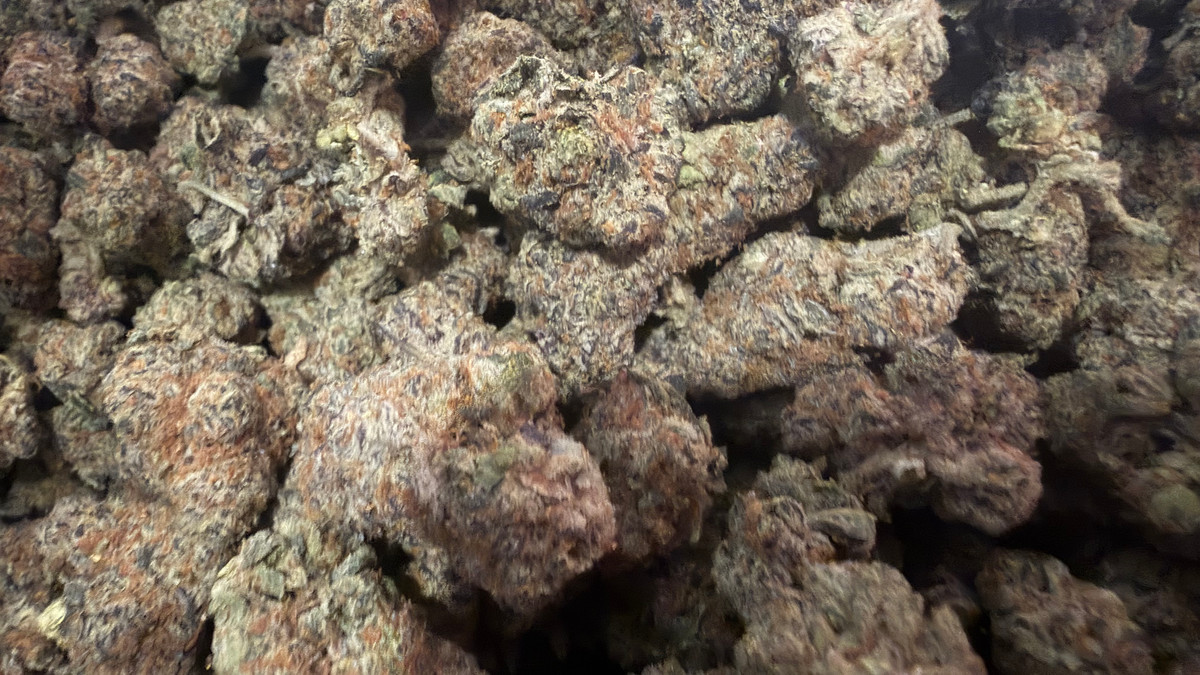
Northern Lights is generally presented as an indica-dominant cannabis strain, although exact ratios vary by breeder and cut. It is often associated with compact plants, resinous buds and a calm, body-forward experience that may become more sedating at higher amounts.
Reported potency commonly falls in the moderate-to-high range for modern flower, but there is no single potency number for every Northern Lights product. The only reliable way to know the cannabinoid content of a specific batch is to review that product’s laboratory results and label.
This strain may suit experienced consumers looking for a slower evening experience, especially when they prefer earthy, sweet or lightly spicy flavors. Newer consumers should remember that “indica” does not guarantee sleepiness and that individual responses can differ substantially.
Lineage and genetics
Northern Lights has a complicated and partly disputed history. Cannabis references commonly connect the strain to Afghani indica genetics, while some accounts also describe Thai sativa influence in earlier breeding work.
The name is strongly associated with the Dutch seed company Sensi Seeds, which helped establish Northern Lights as a widely recognized commercial line. Different numbered versions and breeding selections have circulated over time, so two products using the same name may not be genetically identical.
That uncertainty matters when comparing flower, seeds or concentrates. A breeder’s stated lineage is useful context, but it does not replace the product’s own lab information, terpene data or a careful description of the actual phenotype.
Aroma, flavor and terpene profile
Northern Lights is commonly described as having an earthy, herbal aroma with sweet, woody and sometimes lightly spicy notes. Some phenotypes can lean toward pine, pepper or a faint citrus character, particularly when the flower has been grown and cured well.
Terpene content varies by plant and batch, but Northern Lights is often discussed alongside myrcene, caryophyllene and pinene. These are broad associations, not a fixed formula; a certificate of analysis is the better guide when a producer publishes terpene percentages.
On the palate, the strain is usually less candy-like than many newer dessert varieties. Its appeal comes from a grounded combination of soil, wood, herbs and mild sweetness, making it a useful reference point for readers exploring classic cannabis flavor profiles.
Reported effects and common uses
Consumers commonly report an initially calming effect followed by physical relaxation. Depending on the dose, setting and individual tolerance, some people describe a comfortable, hazy or sleepy finish, while others experience a more balanced mood shift.
Northern Lights is often chosen for evening use, unwinding after a busy day or enjoying slower activities. It may be less appealing when someone needs to stay sharply focused, drive, work, care for others or make important decisions.
“Indica” is a useful shorthand for market expectations, not a scientific promise about how a person will feel. Start with caution, avoid mixing cannabis with alcohol or other intoxicants, and never drive after using cannabis.
Medical and wellness reports
Some adults who use cannabis for wellness purposes report choosing Northern Lights for relaxation, rest and temporary relief from everyday tension. Those reports are personal experiences, not proof that the strain treats, cures or prevents a medical condition.
Effects may change with cannabinoid concentration, terpene composition, tolerance, medications, sleep patterns and mental health history. Cannabis can also produce unwanted reactions, including anxiety, dizziness, impaired coordination or excessive drowsiness.
If you use cannabis for a health concern, discuss it with a qualified healthcare professional who understands your medications and history. Keep products away from children and pets, and remember that edibles can take longer to take effect and may last longer than inhaled cannabis.
Grow notes
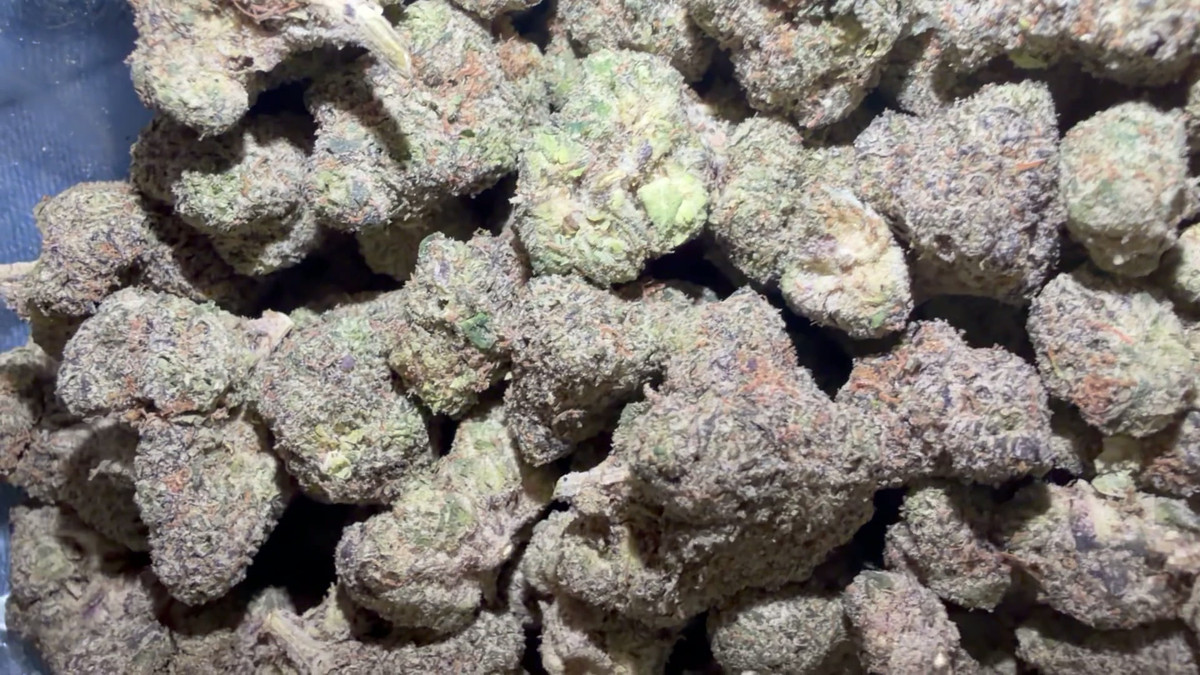
Northern Lights is commonly regarded as a relatively approachable strain for growers because its plants tend to stay compact and its flowering period is often described as fairly short for an indoor indica-leaning cultivar. Exact timing depends on the breeder, phenotype and growing environment.
Commonly reported flowering estimates are around seven to nine weeks, though growers should follow the information supplied with their specific seeds or clone. Outdoor performance depends on local weather, plant health and applicable law, and harvest dates cannot be guaranteed from the strain name alone.
Plants are often described as producing dense, resinous flowers and moderate-to-generous yields under suitable conditions. Dense buds can require careful attention to airflow, humidity and sanitation because compact flowers may be more vulnerable to moisture-related problems.
For DMV readers, cultivation rules differ across Washington, DC, Maryland and Virginia and can change over time. Confirm current local requirements before growing, possessing plants or sharing cannabis, and do not assume that a strain guide establishes what is legally permitted.
Similar strains worth trying
If Northern Lights appeals to you, several classic strains may offer related territory without being identical. Afghan Kush is often explored for a deeper earthy profile, while Hindu Kush is associated with old-school indica genetics and a grounded, resinous character.
White Widow may be worth considering if you want a classic strain with more noticeable hybrid energy and a sharper, resin-forward profile. Granddaddy Purple is another familiar comparison for consumers seeking a heavier evening style, although its fruit-forward aroma and reported effects can differ.
When comparing these options, look beyond the strain name. Ask about the product’s cannabinoid results, terpene profile, harvest or packaging information and whether the flower is fresh enough to preserve its intended aroma.
The Bud Lords Take
Our take: Northern Lights remains important because it demonstrates how much cannabis culture was built around recognizable plant lines rather than novelty names alone. Its appeal is straightforward—classic earthy flavor, compact flowers and a reputation for relaxation—but the best version depends on the grower and the batch in front of you.
For DC, Maryland and Virginia readers, the practical lesson is to focus on verified product information and current local rules. A familiar strain name does not tell you whether a specific item is available through a regulated medical program, a permitted retail channel or another setting with different requirements.
Northern Lights can also be a useful starting point for learning how terpene profiles shape expectations. Compare its lab results and aroma with products labeled Afghan, Kush or other classic indica-leaning lines, while keeping an open mind about how your own body responds.
Whether you encounter Northern Lights as flower, a pre-roll or a concentrate, potency can change dramatically by format. Read the label, go slowly, avoid driving and store cannabis securely—especially when products are shared in a household with children or pets.
Northern Lights FAQ
Here is what most people ask about Northern Lights in this area.
Is Northern Lights an indica or a sativa?
Northern Lights is commonly classified as indica-dominant. The exact genetic balance can vary by breeder, selection and product, so the label and producer information remain important.
Is Northern Lights good for beginners?
It may be approachable in a lower-potency product, but the strain name alone cannot predict intensity. Beginners should be especially cautious with high-THC flower, concentrates and edibles.
Does Northern Lights make you sleepy?
Some consumers report relaxation and drowsiness, particularly with larger amounts, but responses differ. Do not use reported effects as a guarantee or as a substitute for medical guidance.
How long does Northern Lights take to flower?
Growing references commonly place its flowering period around seven to nine weeks, but timing varies by phenotype, breeder and environment. Use the cultivation information provided for the specific seed or clone whenever available.
Northern Lights is not in the Bud Lords menu right now. Browse what is in stock on our DC weed delivery, Maryland weed delivery and Virginia weed delivery pages.
More strain guides: Super Boof, Glitter Bomb, Cereal Milk.
Frequently asked questions
Here is what most people ask about Northern Lights in this area.
What Northern Lights is?
Northern Lights is generally presented as an indica-dominant cannabis strain, although exact ratios vary by breeder and cut. It is often associated with compact plants, resinous buds and a calm, body-forward experience that may become more sedating at higher amounts. Reported potency commonly falls in the moderate-to-high range for modern flower, but there is no single potency number for every Northern Lights product.
Is Northern Lights an indica or a sativa?
Northern Lights is commonly classified as indica-dominant. The exact genetic balance can vary by breeder, selection and product, so the label and producer information remain important.
Is Northern Lights good for beginners?
It may be approachable in a lower-potency product, but the strain name alone cannot predict intensity. Beginners should be especially cautious with high-THC flower, concentrates and edibles.
Does Northern Lights make you sleepy?
Some consumers report relaxation and drowsiness, particularly with larger amounts, but responses differ. Do not use reported effects as a guarantee or as a substitute for medical guidance.
How long does Northern Lights take to flower?
Growing references commonly place its flowering period around seven to nine weeks, but timing varies by phenotype, breeder and environment. Use the cultivation information provided for the specific seed or clone whenever available. Northern Lights is not in the Bud Lords menu right now.


Comments