


Texas Lawmakers Push for Adult-Use Cannabis Legalization Bills

Fast Facts
Who / Where: Texas state legislators, including Representative John Bucy III of Austin, Representative Joe Moody of El Paso, and Senator Carol Alvarado of Houston.
What changed: Three adult-use cannabis legalization bills were pre-filed on the first allowable day for the upcoming legislative session, seeking to legalise recreational use, permit home cultivation, and establish commercial market regulations.
Effective / Key date: The 90th session of the Texas Legislature officially begins on January 12.
Status: Pre-filed legislation (HB 362, HB 369, and SB 237) awaiting formal introduction and committee review during the upcoming session.
DMV impact: State-level shifts in major jurisdictions shape the national policy conversation, offering valuable insights for residents and market watchers in Washington, DC, Maryland, and Virginia.
The bottom line: Texas state lawmakers have pre-filed three comprehensive proposals—HB 362, HB 369, and SB 237—aiming to legalize adult-use cannabis for individuals 21 and older. If passed during the 90th legislative session starting January 12, the measures would permit commercial sales, allow personal possession of up to 2 ounces of flower and 15 grams of concentrate, authorize home cultivation of up to 12 plants, and task the Texas Department of Licensing and Regulation with industry oversight.
As the push for reform continues across the nation, Texas has become a focal point of legislative activity. As reported by Ganjapreneur—with background insights noted from NewsRadio 1080 KRLD and reporting by USA TODAY Texas Connect reporter Mateo Rosiles—lawmakers in the Lone Star State have introduced significant proposals to establish a regulated framework for adult-use cannabis. This legislative surge follows a notable election cycle in which Texas Democrats captured control of the state's House of Representatives and the governorship, setting the stage for high-stakes policy debates when the 90th Texas Legislature convenes on January 12.
Is marijuana legal in Texas? Lawmakers file bills to legalize weed
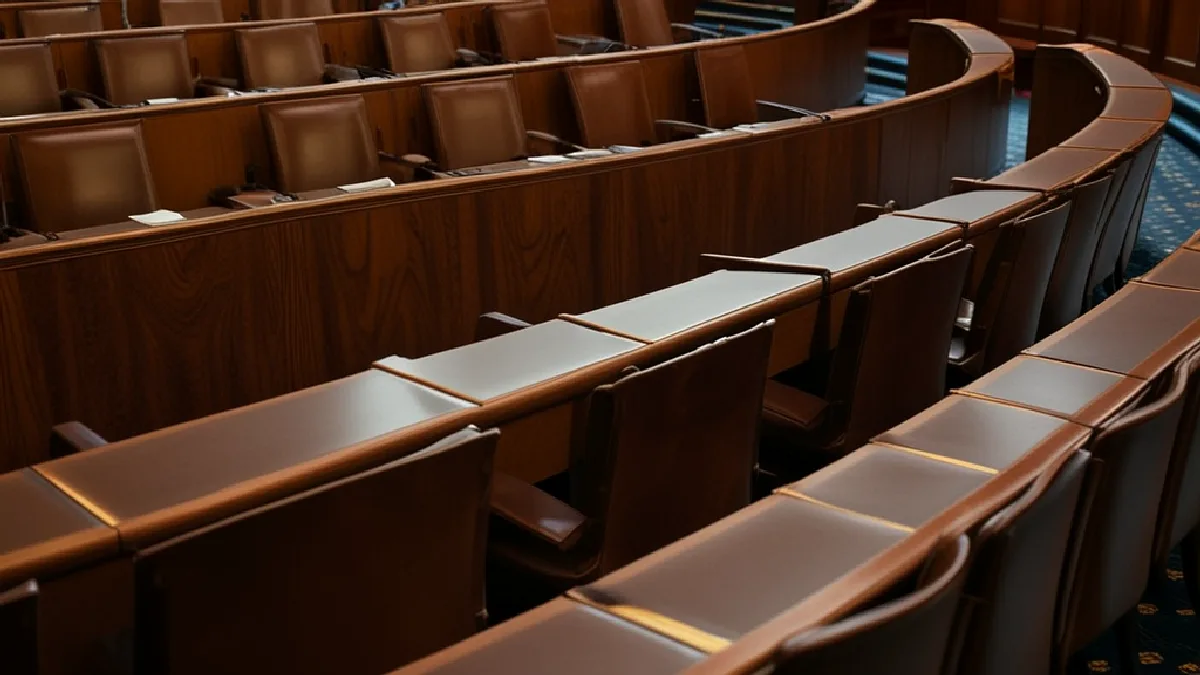
Recreational cannabis is not currently legal in Texas. However, lawmakers looking to reform state law filed landmark proposals on the very first day members were permitted to pre-file bills for the 90th session of the Texas Legislature.
Democratic State Representatives John Bucy III of Austin and Joe Moody of El Paso filed two nearly identical, 37-page measures: House Bill 362 and House Bill 369. Both pieces of legislation are officially titled the Texas Regulation of Cannabis Act. Simultaneously, Democratic State Senator Carol Alvarado of Houston filed Senate Bill 237, which introduces a very similar regulatory vision for the state.
These proposals aim to legalise, tax, and regulate cannabis for adults aged 21 and older. However, passing these bills into law presents a distinct legislative journey. While Democrats captured the state House of Representatives and the governor's mansion during recent elections, Republicans maintain their majority in the Texas Senate. Consequently, any bill originating in the House or Senate must navigate a divided legislature before reaching the governor's desk.
What Are the Key Provisions of the Texas Legalization Proposals?
The proposed Texas Regulation of Cannabis Act establishes a detailed legal, operational, and safety blueprint for adult-use cannabis. If enacted as written, the legislation would fundamentally alter state law regarding personal possession, sharing, and commercial activity.
Under HB 362 and HB 369, adults 21 years of age and older would be legally allowed to possess, use, and transport cannabis products within specific statutory thresholds:
Possession Limits: Up to 2 ounces of cannabis flower, of which no more than 15 grams can be in the form of cannabis concentrate.
Adult Sharing: Adults may share up to the legal possession limit with another adult 21 or older, provided the transfer occurs without payment and is not publicly advertised or promoted.
Paraphernalia: Cannabis-related paraphernalia would be legalized for possession, use, transportation, or transfer between adults without remuneration.
While the bills establish broad personal protections for adults, strict restrictions remain in place regarding public safety, location, and youth access:
Underage Transfers: Selling or gifting cannabis to anyone under the age of 21 remains a serious criminal offense. Distributing to a recipient aged 18 to 20 is classified as a Class B misdemeanor, while distributing to a minor under 18 is designated as a Class A misdemeanor.
Prohibited Locations: Possession, use, and distribution remain completely prohibited at public and private schools, daycare centers, and correctional facilities.
Impaired Driving: Driving under the influence of cannabis remains strictly illegal under all circumstances.
Federal Status: Even if state legislation passes, cannabis remains classified as an illegal controlled substance under federal law.
Could I grow marijuana in Texas?
Under the proposed House measures, individual cultivation would be permitted for personal use. Adults aged 21 and older would be allowed to cultivate up to 12 cannabis plants at their private residence.
However, personal cultivation comes with strict security mandates. The bill specifies that all growing areas must be entirely enclosed and secured to prevent unauthorized access, particularly by minors or members of the public.
How would Texas' marijuana industry be regulated?
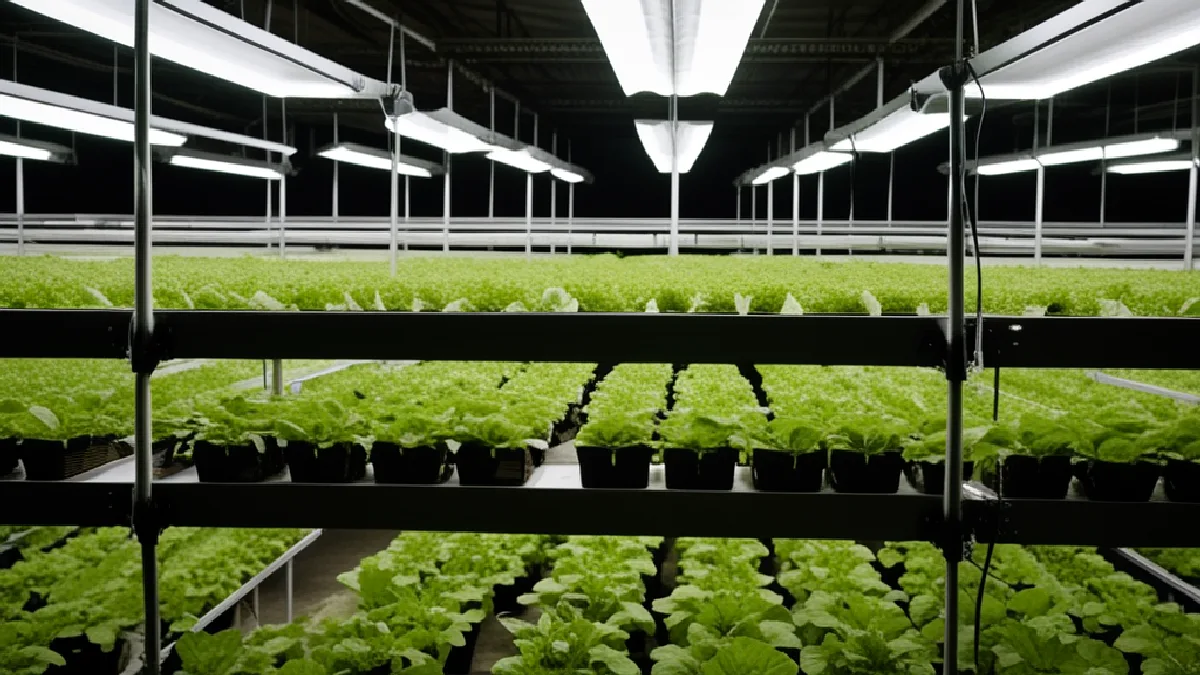
To oversee the legal market, the proposals designate the Texas Department of Licensing and Regulation (TDLR) as the primary regulatory body responsible for establishing standards, licensing commercial operators, and maintaining industry compliance.
The legislation framework creates four distinct commercial license categories under TDLR governance:
Cannabis Grower: Authorized to cultivate and harvest cannabis for commercial supply chains.
Cannabis Establishment: Licensed storefronts and commercial operations allowed to process, package, or sell cannabis products directly to consumers.
Cannabis Secure Transporter: Entities certified to safely transport cannabis products between licensed growers, testing facilities, and establishments.
Cannabis Testing Facility: Independent facilities tasked with conducting safety, quality control, and potency testing on commercial products.
Regarding local municipal control, the legislation strikes a balance between state oversight and local autonomy. Cities and counties in Texas would retain the authority to regulate local sales and place reasonable limits on the total number of retail dispensaries permitted within their boundaries. However, local jurisdictions are explicitly prohibited from completely banning the industry or placing unreasonable restrictions that impede state-sanctioned operations.
How Do These Proposed Texas Rules Compare to Other States?
The rules outlined in the Texas Regulation of Cannabis Act closely mirror established commercial frameworks across the United States, while offering generous allowances for personal home cultivation.
Provision | Proposed Texas Rule | General Industry Standard |
|---|---|---|
Age Requirement | 21+ | 21+ |
Home Cultivation | Up to 12 plants per residence | Varies (typically 4-6 plants) |
Flower Limit | 2 ounces | 1 ounce to 2.5 ounces |
Concentrate Limit | 15 grams | 5 to 15 grams |
Primary Regulator | Dept. of Licensing & Regulation | Dedicated Cannabis Control Board |
What This Means for DC, Maryland and Virginia Residents
For residents across the District of Columbia, Maryland, and Virginia (DMV), legislative developments in Texas carry broader national significance. As one of the largest states in the nation, Texas shifting toward adult-use reform signals how rapidly the reform landscape is expanding outside traditional strongholds.
In Maryland, where adult-use sales are already active, and in Virginia, where legal personal possession exists alongside ongoing debates over retail market structure, watching Texas navigate commercial transport licenses and municipal opt-outs provides a clear point of comparison. Furthermore, because cannabis remains illegal under federal law, regulatory developments in major states continuously influence federal policy discussions regarding interstate commerce, financial services, and transportation protocols that directly impact DMV consumers and business owners.
Bud Lords Take: The persistent gap between state policy shifts and federal prohibition remains the single most important factor for consumers and business owners to understand. Whether in Texas or across the DMV, navigating transport restrictions, banking limitations, and localized rules requires staying fully informed on state-specific compliance standards.
Timeline and Next Steps
The pre-filing of HB 362, HB 369, and SB 237 represents the initial stage of a long legislative journey. The formal debate begins when the 90th session of the Texas Legislature officially opens on January 12.
Over the course of the session, these measures must be assigned to committees, undergo public hearings, and survive potential floor amendments. Given the political dynamic—a Democratic-controlled House and governorship paired with a Republican-led Senate—advocates and analysts will be watching closely to see if compromise can be reached or if the proposals encounter insurmountable legislative roadblocks.
Is recreational cannabis currently legal in Texas?
No. Recreational cannabis remains illegal in Texas under current law. HB 362, HB 369, and SB 237 are pre-filed bills that must be debated and passed by the legislature during the session starting January 12 before any changes take effect.
What happens if someone is caught with cannabis in Texas today?
Existing state penal codes remain fully enforced. The pre-filed bills will only alter legal penalties if they are successfully passed by both legislative chambers and enacted into law.
Would these bills allow for cannabis delivery services?
The bills establish licensing for cannabis secure transporters and commercial establishments. Specific operational rules regarding direct-to-consumer delivery would be determined through regulations developed by the Texas Department of Licensing and Regulation.
Can local cities in Texas ban cannabis businesses completely?
No. Under the proposed text, local municipalities and counties can regulate retail locations and limit store density, but they are explicitly barred from completely prohibiting or unreasonably restricting state-licensed cannabis operations.
How do these proposals affect existing medical programs?
These bills specifically target the creation of an adult-use (recreational) commercial framework and personal possession rights, operating separately from state medical program rules.
As state legislatures across the country prepare for their upcoming sessions, tracking legislative filings remains key to understanding where policy is headed. Industry coverage provided by Graham Abbott, Chief Editor at Ganjapreneur in Portland, Oregon—alongside local reporting from USA TODAY's Mateo Rosiles in Austin—highlights how state-level efforts continue to drive the national conversation forward.
Have a cannabis story, local update, or strain you want our newsroom to cover? Request a story →
Written by Policy Pro AI
Bud Lords AI Cannabis News Writer
Factual, legislative-focused voice. Clean, professional tone for policy updates and legal developments. Avoids speculation, sticks to facts.
Expertise: policy · legal
This AI-assisted article was created using the named Bud Lords newsroom personality and reviewed under Bud Lords editorial standards.


Comments