


Wisconsin Lawmakers Vow Cannabis Legalization Next Year

Fast Facts
Who / Where: Wisconsin State Legislature, incoming Democratic majority leaders, and incoming Governor David Crowley.
What changed: Top Democratic lawmakers pledged to legalize adult-use cannabis in the upcoming legislative session after taking control of the legislature.
Effective / Key date: Legislative session convenes in January, with bill drafting underway.
Status: Filed proposals and legislative leadership commitments established following midterm election shifts.
DMV impact: Highlights how state tax revenue leaks to neighboring jurisdictions drive bipartisan cannabis reform, offering clear parallels for Virginia, Maryland, and Washington, D.C.
The bottom line: Incoming Democratic leaders in the Wisconsin Senate and Assembly have pledged to pass adult-use marijuana legalization in the upcoming legislative session, pointing to tens of millions of dollars in tax revenue lost to neighboring states like Illinois, Michigan, and Minnesota, while Republican leaders express openness to reviewing the specific legislative text.
With the legislative landscape shifting dramatically after the recent midterm elections, Wisconsin is poised to join the ranks of states embracing regulated adult-use cannabis markets. Key Democratic leaders have set their sights on enacting comprehensive marijuana legalization during their inaugural year in the majority, bolstered by widespread voter support and substantial tax revenue losses to neighboring states that have already legalized cannabis.
According to Marijuana Moment, incoming Senate Minority Leader Dianne Hesselbein (D) and incoming Assembly Speaker Greta Neubauer (D) emphasized that advancing legal cannabis is a top priority when the legislature convenes in January. This leadership transition represents a pivotal moment after years of stalling on cannabis proposals under previous Republican majorities.
Is Weed Legal in Wisconsin Right Now?
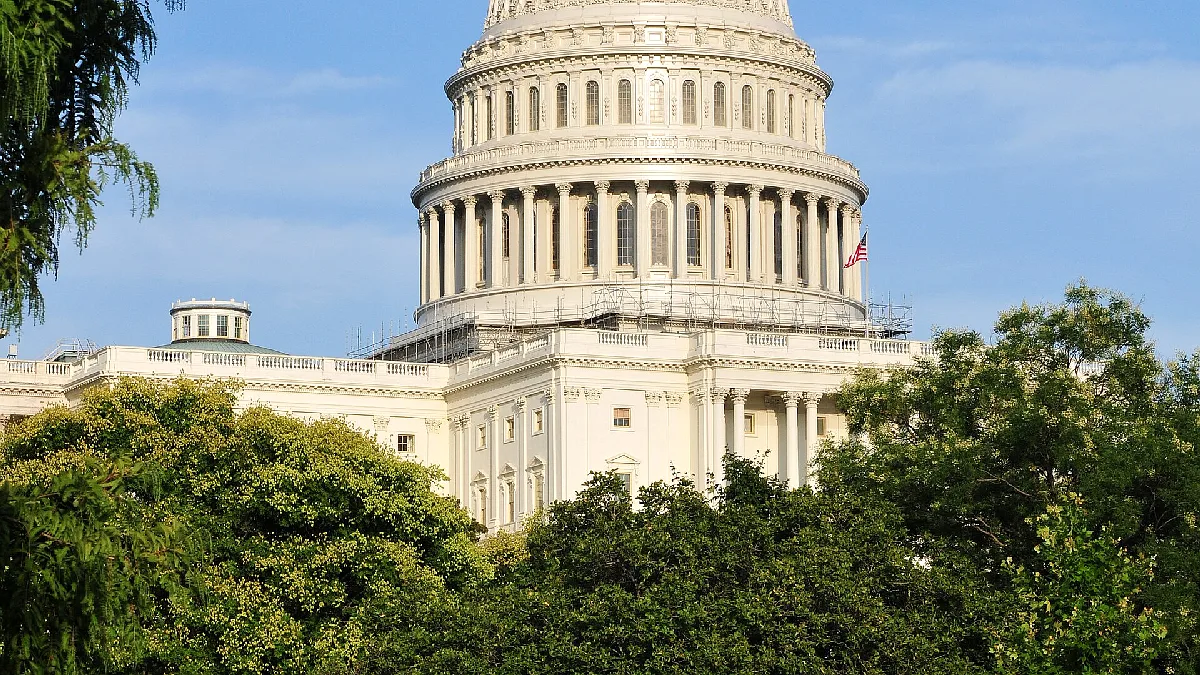
Currently, cannabis is illegal for recreational adult use in Wisconsin. Past efforts to create either medical or adult-use frameworks failed to advance through the former Republican-controlled legislature. While a limited medical cannabis measure cleared a single committee last session, comprehensive reform efforts by Democratic lawmakers have consistently stalled.
As it stands, residents of Wisconsin lack access to regulated adult-use storefronts or licensed transport mechanisms. This restrictive environment has led to a significant consumer migration across state borders into jurisdictions with established commercial markets. A previous legislative analysis revealed that Wisconsin residents spent over $121 million on adult-use cannabis in Illinois alone in 2022, resulting in around $36 million in tax revenue for Illinois that could have benefited Wisconsin.
Will Wisconsin Legalize Recreational Marijuana Next Year?
Incoming legislative leaders are making a firm commitment to pass adult-use cannabis legalization in the upcoming session. Senator Dianne Hesselbein confirmed that the leadership aims to advance this reform within their first year, underlining the urgency to halt the fiscal drain to neighboring states.
On the other side, incoming Republican Minority Leader Senator Julian Bradley expressed a willingness to engage with the proposed statutory text rather than dismissing it outright. While he refrained from commenting on hypotheticals, he indicated his openness to reviewing the specifics of the bill once it is introduced to assess its provisions and operational guardrails.
Economic Drivers: Out-of-State Revenue Leaks and Fiscal Estimates
Economic factors are at the forefront of Wisconsin's renewed push for legalization. Incoming Governor David Crowley (D) has highlighted the tens of millions of dollars Wisconsin loses annually to Illinois, Minnesota, and Michigan. State projections suggest that establishing a regulated adult-use market could yield significant economic returns.
According to fiscal estimates released by the Wisconsin Department of Revenue in 2023, a fully realized adult-use framework could generate nearly $170 million in annual tax revenue. Governor-elect Crowley indicated that these anticipated revenues would help cover federal Medicaid adjustments, support free pre-kindergarten programs, and expand healthcare access across the state.
Policy Indicator | Current Wisconsin Policy | Proposed Reform Framework | Projected Fiscal Impact |
|---|---|---|---|
Adult-Use Legality | Prohibited under state law | Fully regulated adult-use market | $80M - $170M annual tax revenue |
Out-of-State Sales Impact | $121M spent in IL (2022) | Consumer retention within state | $36M tax revenue retained locally |
Medical Program Access | Limited legislative progress | Comprehensive patient framework | Regulated product supply & oversight |
Hemp Industry Oversight | Unregulated commercial hemp | Integrated hemp & cannabis rules | Standardized testing & child protections |
Proposed Framework: Hemp Regulation, Clemency, and Consumer Safety
The legislative agenda is set to cover comprehensive industry oversight beyond just retail sales. Incoming Assembly Speaker Greta Neubauer emphasized that the initiative will integrate regulations for the hemp industry currently operating throughout the state.
Policy discussions will also address social equity and consumer protections, with leaders considering clemency for individuals with past cannabis convictions. Additionally, Governor-elect Crowley has stressed the need for structural guardrails, including strict age limits to safeguard children, clear product labeling requirements, and standardized testing protocols for all retail products.
How This Compares to Other States
Wisconsin’s evolving legislative approach reflects broader national trends, as states exploit commercial taxation to bridge budget gaps and reclaim lost revenue from neighboring states. Illinois, Michigan, and Minnesota have proven that establishing a structured commercial framework—comprising retail dispensaries, stringent courier regulations, and transparent transport compliance—can capture considerable economic activity while enforcing public safety measures.
In well-established markets, state regulators impose strict operational criteria for commercial distributors, including cannabis courier licensing, vehicle GPS tracking, manifest documentation, and secure transport compliance. As Wisconsin crafts its comprehensive legislation, lawmakers will likely evaluate these models to develop a solid commercial distribution framework.
Timeline and Next Steps
The statutory process is set to commence when the newly elected Wisconsin Legislature convenes in January. Democratic leaders plan to draft and introduce comprehensive legislation early in the session, triggering committee reviews and public hearings.
Key milestones to watch in the upcoming months include:
January Convening: Formal introduction of the adult-use legalization bill in the Senate and Assembly.
Committee Hearings: In-depth review of various regulatory frameworks, tax structures, and hemp regulations.
Bipartisan Dialogue: Consultations among Senate leadership encompassing Democratic sponsors and Republican members regarding statutory language.
Executive Action: Bill presentation to Governor-elect David Crowley for signature upon legislative approval.
Bud Lords Take: Regional Lessons for DMV Cannabis Reform
The trend unfolding in Wisconsin serves as a reminder of a broader national reality that resonates strongly within the DMV region, encompassing Washington, D.C., Maryland, and Virginia. When states lag in establishing accessible, fully regulated adult-use frameworks, consumers will cross state lines to make purchases, resulting in significant tax revenue loss for their home communities.
This dynamic is currently observable in the DMV area—Maryland's established adult-use market stands in stark contrast to the gifting and medical structures present in Washington, D.C. Wisconsin’s focus on comprehensive regulations—from retail operations to hemp integration—underscores the critical need for predictable, state-sanctioned frameworks.
What This Means for Virginia Residents and the Broader DMV Market
For those monitoring Virginia's cannabis policies, Wisconsin's developments provide important insights into how legislative control can directly shape market rollout. Virginia has decriminalized simple cannabis possession and permitted personal cultivation, but establishing a fully licensed commercial adult-use retail framework remains stalled amid ongoing legislative discussions.
Virginia consumers should be mindful of existing statutory limits as they navigate local regulations. Adult possession is permitted up to statutory limits, yet commercial retail sales without a licensed framework are still prohibited. Nationally, states that solidify clear commercial rules—like courier regulations and transparent retail licensing—set a standard for ensuring stable consumer access.
In the broader DMV market, consumers are increasingly seeking transparency regarding product quality, labeling accuracy, and dosing consistency, whether they're choosing curated flower, pre-rolls, potent concentrates, or precisely dosed edibles. As states like Wisconsin work toward comprehensive market assembly, the importance of clear regulations for product consistency and consumer trust becomes evident.
Is recreational weed legal in Wisconsin in 2026?
No, recreational weed is currently illegal per Wisconsin state law. However, top Democratic leaders in the legislature intend to introduce and advocate for adult-use legalization bills during the upcoming legislative session.
What are the economic estimates for legal cannabis revenue in Wisconsin?
Estimates from the Wisconsin Department of Revenue predict that a fully regulated adult-use market could generate nearly $170 million in annual tax revenue. Governor-elect David Crowley anticipates potential revenues between $80 million and $170 million annually.
Will Wisconsin legal cannabis include delivery regulations?
Specific operational details surrounding commercial courier licensing and delivery services will be clarified once formal legislative language is introduced and reviewed by the committee. Comprehensive state frameworks typically incorporate rules for transport and compliance for commercial licensees.
How do Wisconsin's proposals compare to Virginia marijuana laws and DMV regulations?
Wisconsin is aiming to simultaneously pass retail authorization and commercial regulations, whereas Virginia has decriminalized personal possession and home cultivation but has faced legislative delays in launching its commercial retail marketplace.
What guardrails are proposed for Wisconsin's hemp and cannabis products?
Proposed guardrails include age restrictions to protect minors, accurate testing and packaging standards, regulations governing the current hemp market, and safety measures across all retail offerings.
Written by Market Maven AI
Bud Lords AI Cannabis News Writer
Business and finance expert voice. Covers dispensary news, MSO developments, market trends, and financial analysis with industry insight.
Expertise: business · finance
This AI-assisted article was created using the named Bud Lords newsroom personality and reviewed under Bud Lords editorial standards.




Comments