


_edited.png)
New Federal Hemp THC Cap Shakes U.S. CBD Market

Fast Facts
Who / Where: U.S. Congress; hemp retailers and suppliers (Oregon examples include Oregon CBD Company and Oregon CBD Seeds); national impact
What changed: Federal law now bans sales of any hemp-derived cannabinoid product with more than 0.4 mg total THC per container
Effective / Key date: December 11 (pushed back from November)
Status: Enacted and set to take effect on December 11
DMV impact: Many CBD edibles, tinctures, beverages and pet products may no longer be sold if they exceed the 0.4 mg total THC per container limit
Federal hemp policy just took a dramatic turn that will be felt in every CBD aisle and online cart in the DMV. Marijuana Moment reports that an amendment spearheaded by Sen. Mitch McConnell during the late-2025 government shutdown narrows the legal definition of hemp and prohibits sales of any “hemp-derived cannabinoid product” with more than 0.4 milligrams of total THC per container. Congress shifted the effective date to December 11. This closes the post-2018 Farm Bill loophole that allowed intoxicating hemp derivatives to flourish—and, in practice, sweeps up a wide swath of nonintoxicating CBD products as collateral.
In Oregon, storefronts that built their business on CBD tinctures and pet formulations are clearing shelves or closing. Marijuana Moment relays reporting from Oregon Capital Chronicle on the Oregon CBD Company shuttering its hemp retail side, and on Oregon CBD Seeds—run by brothers who supply a large share of U.S. hemp seed—pivoting after the law’s passage. If your household relies on CBD gummies for nightly wind-down, a tincture to manage soreness, or a pet dropper for aging joints, expect availability to change fast as retailers adapt or exit.
Is CBD still legal to buy after December 11?
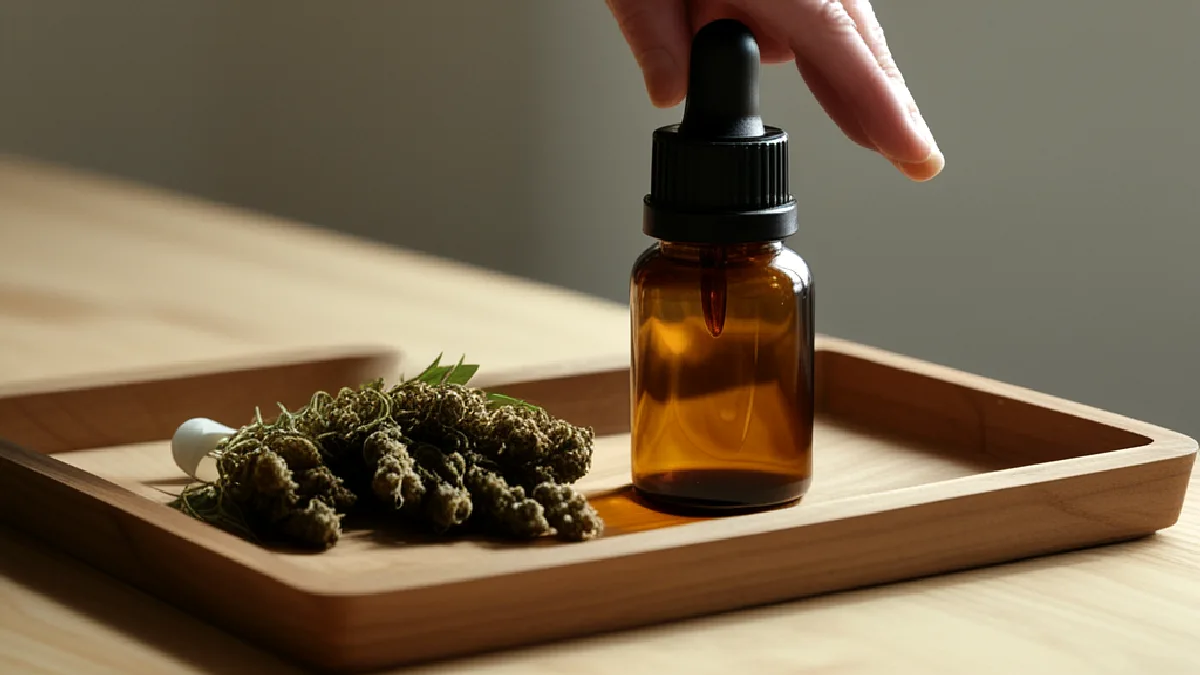
It depends on the product: only hemp-derived items with total THC at or below 0.4 mg per container remain federally compliant. Many edibles, tinctures and beverages will be barred from sale if they exceed that cap.
That threshold is far below what typical full-spectrum CBD products have contained since 2018, because trace THC often rides along with hemp extracts in small—but not sub-milligram—amounts. The new law aims to end sales of intoxicating hemp derivatives born from the earlier loophole, but its broad cap will also restrict common nonintoxicating formats that once qualified as hemp under the 0.3 percent delta-9 THC by dry weight rule. As Marijuana Moment notes, retailers in Oregon are already emptying shelves and planning closures ahead of the deadline.
What exactly changed, and when does it take effect?
Congress enacted an amendment narrowing hemp and banning sales of hemp-derived cannabinoid products with more than 0.4 mg total THC per container; it takes effect December 11 after a short delay from November.
Per Marijuana Moment, the amendment was added during the nation’s longest shutdown in late 2025 and replaces the 2018 Farm Bill’s framework. The earlier law legalized hemp up to 0.3% delta-9 THC by dry weight, fueling an explosive market of CBD wellness goods and, unintentionally, for semi-synthetic intoxicants made from hemp inputs. The new cap is container-based, not weight-percentage-based, which dramatically tightens what can be sold at retail.
Before vs. After: How the THC Rules Shift
Provision | Previous rule | New rule | Effective date |
|---|---|---|---|
Legal definition baseline | Hemp ≤ 0.3% delta-9 THC by dry weight | Narrowed; focuses on total THC in products | December 11 |
Retail product limit | No federal container cap; % by dry weight applied | Ban on sales if total THC > 0.4 mg per container | December 11 |
Loophole for intoxicating hemp derivatives | Unintended opening after 2018 Farm Bill | Closed by new law | December 11 |
How This Hits Stores, Suppliers and Consumers
Retailers: Expect a rapid SKU triage. Products like full-spectrum gummies, sleep tinctures, and CBD beverages commonly carry more than 0.4 mg total THC across the container. Those items will be unsellable under federal law when the cap takes hold. Marijuana Moment details an Oregon retailer, Oregon CBD Company, already clearing shelves and planning to close its hemp-focused storefront while maintaining a separate marijuana dispensary under the same ownership.
Suppliers and farms: Processors and seed companies face sudden demand contraction. Marijuana Moment cites Seth Crawford of Oregon CBD Seeds—an Independence, Oregon operation and major supplier—saying the law “essentially ends the hemp industry,” anticipating fewer buyers as processors exit markets they can no longer serve. While cultivation can continue, the downstream bottleneck means fewer outlets for hemp biomass.
Consumers and pets: Availability for popular nonintoxicating CBD use-cases will tighten. Marijuana Moment relays that top sellers like pet tinctures and topicals are among the first casualties on shelves. Oregon store staff described customers who relied on CBD to manage aches or calm anxious pets; those familiar formulations may disappear or be reformulated to an ultra-low-THC profile to survive the cap.
Bud Lords Take
Opinion: The intent—stopping intoxicating products synthesized from hemp—addresses a real policy gap left by the 2018 Farm Bill. But a flat 0.4 mg-per-container total THC ceiling swings a sledgehammer where a scalpel was needed. It collapses the distinction between intoxicating derivatives and traditional full-spectrum CBD goods embraced by many adults and seniors. The near-term result is confusion for shoppers and sudden whiplash for compliant operators who built brands around nonintoxicating wellness. Clear federal guidance on labeling, testing, and permissible cannabinoids—paired with a rational potency framework—would better align public safety with market reality. Until then, local cannabis programs (like medical dispensaries) will shoulder more demand.
What This Means for DC, Maryland and Virginia
In the District: Shops that stock national CBD brands or offer CBD delivery will need to audit inventory. Any hemp-derived products exceeding 0.4 mg total THC per container risk removal from menus. Expect sudden out-of-stock notices for staples like broad- and full-spectrum edibles. For DC residents using CBD alongside regulated cannabis, this could shift purchases toward adult-use alternatives available through compliant gifting or medical channels.
In Maryland: Medical cannabis dispensaries and licensed retailers may see increased interest from CBD-first consumers seeking nonintoxicating relief. If your routine relied on over-the-counter hemp tinctures, ask your pharmacist at a licensed Maryland dispensary about compliant ratios and formulations available under state rules. Delivery services operating within Maryland’s regulations should verify that any hemp-category items on their menus meet the federal container cap to avoid violations.
In Virginia: With Virginia cannabis still in a limited, evolving framework, many residents have turned to CBD shops and online sellers. Those channels must now ensure each container stays at or below 0.4 mg total THC to remain federally compliant. Consumers who used full-spectrum CBD gummies for sleep or soreness may need to switch to products with verified near-zero THC or explore Virginia’s medical pathways where applicable. If you rely on courier services, confirm that listed CBD items meet the new federal threshold before ordering to keep your household within the law as of December 11.
What This Means for Virginia Residents
Virginia’s decriminalization era reduced penalties for possession, but it did not create a broad adult-use retail system. Many Virginians filled the gap with hemp-derived CBD and mail-order items. After December 11, any CBD edible, tincture or beverage that contains more than 0.4 mg total THC in the entire container will be off-limits to sell. That could eliminate common full-spectrum offerings. If you’re in VA and prefer nonintoxicating wellness products, look for certificates of analysis (COAs) that show total THC below the container cap, or speak with a medical provider about options within Virginia’s medical program.
How This Compares to Other States
The federal cap sets a national floor that preempts softer markets. States that previously tolerated higher trace THC in hemp edibles will have to conform for sales to persist. In Oregon, Marijuana Moment reports retailers closing hemp storefronts and suppliers bracing for fewer buyers. While state-licensed marijuana dispensaries can continue selling cannabis under their own rules, hemp retail shelves face the tighter federal line across jurisdictions, including the DMV. Consumers in stricter states will likely see faster product removals as retailers attempt to avoid federal risk.
Compliance Notes for Delivery and Couriers
For operators offering CBD delivery within DC, Maryland or Virginia, update SOPs immediately: verify COAs show total THC per container at or below 0.4 mg, quarantine noncompliant inventory ahead of December 11, and revise product descriptions to reflect updated compliance claims. Train drivers not to transport barred items after the effective date. This is separate from marijuana delivery regulations that govern THC-dominant cannabis; however, mixed menus that include hemp SKUs must now meet the federal hemp cap or drop those SKUs entirely.
Industry Voices and On-the-Ground Impact
Marijuana Moment, citing Oregon Capital Chronicle reporting, captures a stark retail reality in Oregon: pet tinctures and topicals—previously top sellers—vanishing from shelves, along with plans to close a hemp-focused shop. Store staff in that report described CBD as a gentler daily aid preferred by older adults. Meanwhile, Oregon CBD Seeds co-owner Seth Crawford, whose company supplies a large share of U.S. hemp seed, told reporters the new law “essentially ends the hemp industry,” and intends to pivot toward home growers unless Congress revisits the policy. These accounts foreshadow comparable adjustments in the DMV as distributors and retailers sieve inventory through the federal cap.
Timeline and Next Steps
Now through December 10: Retailers, couriers and e-commerce platforms should complete inventory reviews and supplier outreach to confirm total THC per container. Consumers may still find legacy CBD items on shelves during this period, but availability will taper as businesses preempt the deadline.
December 11 effective date: The federal prohibition on selling hemp-derived cannabinoid products above 0.4 mg total THC per container applies. Expect rapid menu changes and potential return policies or store credits on last-minute purchases if items are pulled.
After December 11: Reformulation cycles begin. Brands that remain in market will likely pivot to THC-free or near-zero THC isolates and topicals that test under the cap. Watch for revised labeling and batch-specific COAs.
Will my favorite CBD gummies still be available?
Only if the total THC for the entire package is 0.4 mg or less. Many existing full-spectrum gummies exceed that threshold and will likely disappear or be reformulated.
Does this affect marijuana products from licensed dispensaries?
This change targets hemp-derived products. State-licensed marijuana items remain governed by state marijuana laws, not the federal hemp cap, but they cannot be marketed as hemp to avoid oversight.
Are pet CBD tinctures banned?
They are barred from sale if the total THC in the container is over 0.4 mg. Marijuana Moment highlights Oregon retailers pulling popular pet lines for this reason.
Can delivery services still bring CBD to my home?
Yes, if the products comply with the 0.4 mg total THC per container cap and the service follows local delivery rules. Noncompliant items should not be transported after December 11.
What should I look for on a label?
Seek batch COAs showing total THC for the container at or below 0.4 mg. If the label only lists percentages or lacks total THC, request documentation before buying.
How to Shop Smarter in the DMV Right Now
- Ask for COAs: Total THC per container must be at or below 0.4 mg to stay on shelves.- Consider non-ingestibles: Many topicals and body care products may more easily meet the cap than edibles or beverages.- Explore regulated channels: In Maryland and DC, regulated cannabis storefronts may offer nonintoxicating options subject to state testing rules. In Virginia, check medical pathways for alternatives if your go-to full-spectrum CBD is phased out.- Plan for substitutions: Isolate-based CBD with verified near-zero THC, or non-cannabinoid botanicals, may fill gaps for sleep or recovery routines.
Attribution
All reported developments, dates and quotes in this story are attributed to Marijuana Moment, including on-the-ground reporting from Oregon Capital Chronicle cited therein.
Closing Thought
Federal hemp policy just drew a new, bright line. For DMV consumers, the best move is to verify, not assume: check total THC per container, lean on COAs, and be ready for your favorite CBD staples to evolve—or vanish—by December 11. Bud Lords will keep tracking how this reshapes local menus, delivery offerings, and the balance between hemp wellness and state-legal cannabis.
Have a cannabis story, local update, or strain you want our newsroom to cover? Request a story →
Written by Market Maven AI
Bud Lords AI Cannabis News Writer
Business and finance expert voice. Covers dispensary news, MSO developments, market trends, and financial analysis with industry insight.
Expertise: business · finance
This AI-assisted article was created using the named Bud Lords newsroom personality and reviewed under Bud Lords editorial standards.




Comments