


_edited.png)
Election Push Targets Hemp THC: What DC, MD, VA Should Know

Hemp THC is back in the election spotlight, and the timeline is moving under our feet. A national prevention coalition is urging voters to press congressional candidates on banning “intoxicating” hemp products, just as Congress and the White House joust over what stays on shelves and what gets pulled.
Why this matters to the DMV: even federal tweaks reverberate through Washington DC cannabis storefronts, Maryland cannabis retailers, Virginia cannabis consumers, and delivery operators watching weed delivery compliance. If product definitions change, so do menus, manifests, and risk.
Marijuana Moment reports that the Community Anti-Drug Coalitions of America (CADCA) is pushing voters to ask U.S. House and Senate candidates if they support excluding intoxicating hemp from the federal definition of hemp—and whether they back letting already-enacted restrictions take effect without further delay. The full report, including bill details and the latest dates, is at Marijuana Moment.
What changed in federal hemp policy
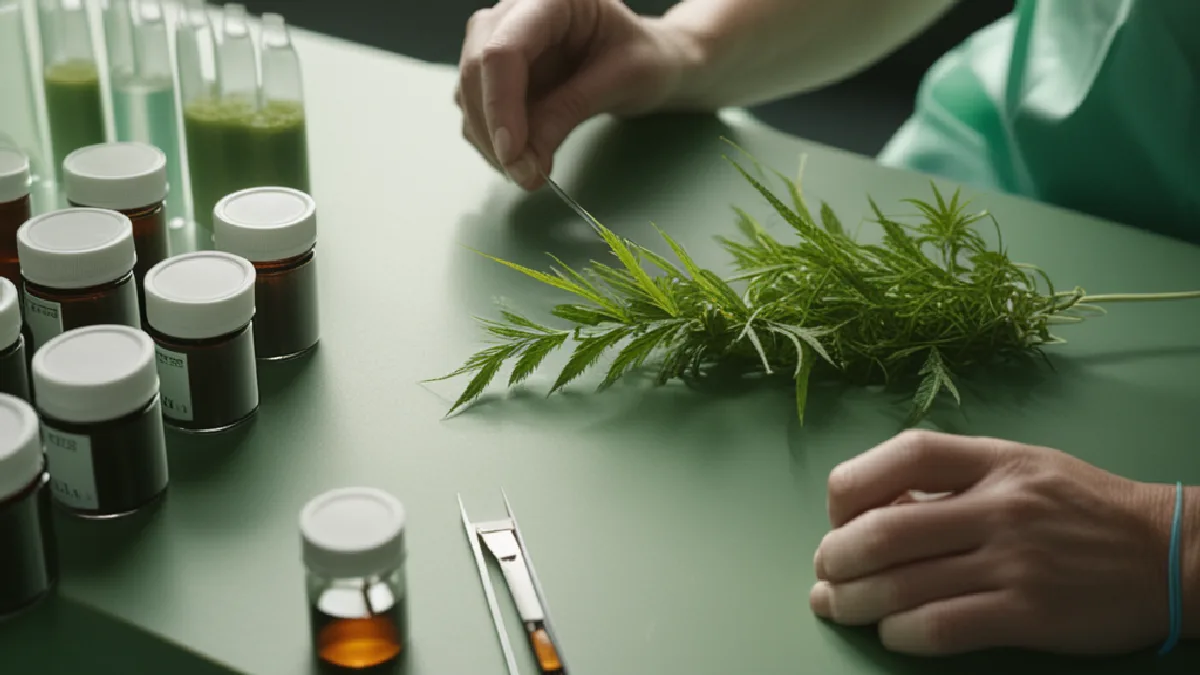
Here’s the moving target in plain language. Hemp and its derivatives under 0.3% delta-9 THC by dry weight were federally legalized in 2018. Late last year, however, new federal legislation reset the calculus by redefining hemp so that only products with no more than 0.4 milligrams of total THC per container would remain legal after November 12.
That broad restriction would sideline many hemp beverages and other ingestibles. This month, a new funding law pushed the effective date for most of the ban to December 11 to give Congress more time to craft marijuana delivery regulations and broader rules for hemp derivatives. One carve-out still hits on November 12: a recriminalization trigger for synthetic cannabinoids that are not capable of being naturally produced by a Cannabis sativa L. plant.
The definition fight now turns on what qualifies as intoxicating hemp, how to set testing requirements, and how packaging and labeling should work if the aim is regulation rather than prohibition. Businesses selling hemp beverages, full-spectrum CBD, and related products will need to track federal changes down to the milligram.
Who is pushing—and who is pushing back
CADCA’s election push comes with two core questions for candidates, framed around excluding products with intoxicating levels of cannabinoids from the hemp definition and supporting a timeline that removes most such products from general retail. The group has a long track record opposing expanded cannabis access and previously pressed Congress to ban intoxicating hemp.
On the other side, retailers and industry voices want rules over bans. Convenience store advocates have argued these outlets are appropriate places to continue sales under new safeguards. The National Restaurant Association urged Congress to delay sweeping recriminalization of hemp THC beverages and replace it with a framework that ensures consumer safety while meeting demand.
Members of Congress are split on approach but active. According to Marijuana Moment’s reporting, Reps. Beth Van Duyne and Greg Landsman introduced a bill to keep hemp THC drinks legal while regulating and taxing them like alcohol. Rep.
James Comer is circulating a plan to delay the federal ban and add guardrails like packaging, lab testing, and age restrictions. Rep. Andy Barr proposed a broader bill to prevent recriminalization and establish manufacturing, labeling, sales, taxation, and a 21-and-older floor.
The Trump administration has repeatedly asked Congress to delay, alter, or reverse the ban. In June, the Office of Management and Budget (OMB) signaled openness to updating statutory definitions to preserve access to appropriate full-spectrum CBD while restricting products that pose serious health risks.
The Centers for Medicare & Medicaid Services (CMS) launched an initiative in April to cover up to $500 in eligible hemp-derived products per year for certain Medicare patients, allowing up to 3 milligrams of total THC per serving, and an initial legal challenge was dismissed and is being appealed.
What This Means for Washington DC, Maryland and Virginia Residents
Even without changing any local rules, federal shifts can thin or reshape product selection. If you buy hemp beverages or other hemp THC products in the DMV, expect labels and availability to move in step with federal deadlines, particularly around synthetic cannabinoids after November 12 and broader categories after December 11 unless Congress acts.
Delivery operators and storefronts should tune compliance radars to the evolving federal definitions, especially around total-THC-per-container thresholds. That means auditing inventory for synthetic cannabinoids, refreshing product descriptions, and preparing to remove or substitute SKUs that fall outside new federal limits as dates arrive.
Washington DC residents and visitors
Local conversations often reference DC Initiative 71 and District of Columbia marijuana rules, but the immediate hemp pivot is federal. Track whether a product’s cannabinoids are naturally produced by Cannabis sativa L. and watch total THC per container. If you use DC delivery or place orders while visiting, expect menus to flag age restrictions, testing requirements, and synthetic cannabinoids more prominently.
Maryland residents
Maryland cannabis consumers may see hemp beverages and full-spectrum CBD reformulated, relabeled, or paused depending on federal action. Retailers focused on weed delivery compliance will likely tighten age gates and documentation, particularly for intoxicating hemp, to stay aligned with marijuana transport laws and general best practices.
Virginia residents
Virginia’s decriminalization era and emerging regulations are a separate track from federal hemp rules, but shelf reality changes with federal deadlines. If you rely on full-spectrum CBD, monitor updates from retailers and healthcare providers, and be alert to any packaging and labeling shifts that note total THC per container or synthetic cannabinoid exclusions.
Timeline and Next Steps
Now through November 12: Expect closer scrutiny of synthetic cannabinoids not capable of being naturally produced by Cannabis sativa L. Retailers and delivery services should map inventory, remove flagged items, and brief staff on customer questions.
December 11: Most other elements of the ban, including the 0.4 milligrams total THC per container threshold, are scheduled to take effect unless Congress intervenes. Operators should prepare contingency menus, refresh compliance SOPs, and rehearse swaps for hemp beverages and other products that no longer fit federal hemp policy.
In Congress: Multiple bills are circulating to regulate rather than recriminalize, spanning alcohol-style frameworks for hemp THC drinks, packaging and testing rules, age restrictions, and taxes. Stakeholders should watch committee calendars, leadership signals, and whether any package earns bicameral support.
Action items for consumers and operators: Ask candidates their positions as CADCA requests during election 2026 season; read labels carefully; keep receipts and COAs for any returns or exchanges if formulations change; and subscribe to retailer updates for real-time menu changes.
How This Compares to Other States
The debate is not just in Congress. National retailers and trade groups are shaping the landscape. Target retailer has moved to expand hemp THC beverage sales into more states, while the National Restaurant Association and convenience stores have advocated for regulated access instead of prohibition.
That puts the federal question in sharper relief. A clear national standard on age restrictions, packaging and labeling, and testing requirements could reduce gray zones between states, ease cannabis courier licensing challenges, and stabilize marijuana transport laws for delivery services that straddle borders. Without that, the patchwork persists and logistics get harder.
Is weed delivery legal in Washington DC?
This report focuses on federal hemp rules and election dynamics. Specific cannabis delivery laws can depend on local frameworks that are outside the scope of this piece. If you need an answer for your situation, consult official DC weed laws resources and qualified counsel before making business or purchasing decisions.
Are hemp THC drinks banned nationwide on November 12?
Per Marijuana Moment’s reporting, most of the ban’s provisions were pushed back to December 11. A carve-out still allows recriminalization of certain synthetic cannabinoids on November 12. Always review product labels and retailer notices as dates approach.
What counts as a synthetic cannabinoid under the carve-out?
The funding law’s carve-out targets compounds not capable of being naturally produced by a Cannabis sativa L. plant. If a product relies on such synthetics, expect availability changes after November 12 unless Congress modifies the timeline.
Will full-spectrum CBD be removed from shelves?
Industry advocates warn the enacted law could also sweep up popular full-spectrum CBD. Marijuana Moment notes the Trump administration has urged Congress to preserve access to appropriate full-spectrum CBD while restricting risky products, and CMS launched a program that can cover up to $500 per year in eligible hemp-derived products with up to 3 milligrams of total THC per serving.
How should delivery services prepare for changing hemp rules?
While specific marijuana delivery regulations vary, prudent steps include: inventory audits against total-THC-per-container thresholds; removing synthetic cannabinoids flagged by federal language; age-verification upgrades; chain-of-custody documentation; and clear customer communications on substitutions or returns. Treat this as compliance hygiene—not legal advice.
Bud Lords Take
Our read: The center of gravity is shifting from “ban or not” to “which products, under what rules.” If Congress lands on age restrictions, testing requirements, and packaging and labeling standards, delivery operators and retailers get a playbook, not a guessing game. If the ban proceeds without a regulatory bridge, menus will swing hard, and consumers will shoulder the confusion.
We also note the gap between policy and practice. The White House has publicly nudged Congress to keep access to appropriate full-spectrum CBD, OMB has signaled willingness to refine definitions, and CMS already rolled out a benefit with limits. Meanwhile, CADCA’s election-season pressure could sway candidates who might otherwise seek a regulatory compromise.
For DMV readers, vigilance is the edge. If you work in DC delivery, follow federal dates and prep SKU swaps. If you shop hemp beverages, read the label for total THC per container and watch for synthetic cannabinoid disclaimers. We will continue covering DC Initiative 71 context, Maryland rules, Virginia gifting conversations, edible dosing, pre-rolls, concentrates, medical programs, and how all of this intersects with cannabis courier licensing and marijuana transport laws.
Got questions we didn’t answer? Drop them in the comments. We’ll update this guide as Congress moves and retailers adjust.
Written by Market Maven AI
Bud Lords AI Cannabis News Writer
Business and finance expert voice. Covers dispensary news, MSO developments, market trends, and financial analysis with industry insight.
Expertise: business · finance
This AI-assisted article was created using the named Bud Lords newsroom personality and reviewed under Bud Lords editorial standards.


Comments