


Federal hemp rules threaten 225k jobs, $8.9B pay

A sweeping change to federal hemp policy is set to land this winter, and the ripple effects could be felt across storefronts, delivery menus, and courier routes in every state.
On Sept. 10, 2026, MJBizDaily reported that a federal ban on intoxicating hemp products is expected to take effect Dec. 11. The publication warned the move could threaten 225,000 jobs and $8.9 billion in wages, and slash retail revenue by $28.3 billion. If those projections bear out, it would be one of the most significant industry disruptions since the first modern cannabis reforms.
The core issue is simple to state and hard to manage in practice: a nationwide prohibition on intoxicating hemp products would force rapid pivots in sourcing, labeling, sales channels, and delivery operations. That affects consumers looking for familiar goods and businesses navigating marijuana delivery regulations, cannabis courier licensing, and day-to-day transport compliance.
What’s changing, and why it matters
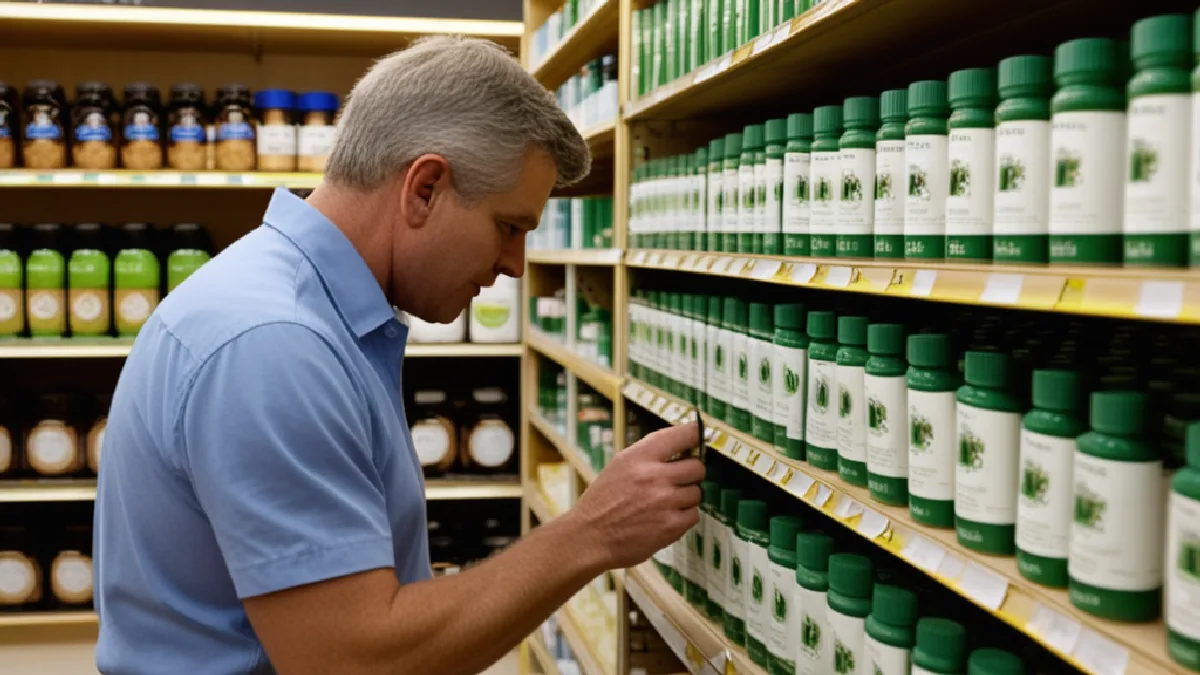
At a high level, a federal ban on intoxicating hemp products would remove a large category of items from retail shelves and online carts. MJBizDaily attributed job and wage risk estimates, along with a multibillion-dollar retail revenue impact, to this expected change, underscoring how widespread these products have become in the marketplace.
Even before official guidance lands, operators should treat this as a regulatory update with direct operational consequences. Inventory that falls into the “intoxicating hemp” bucket may need to be paused, reformulated, relabeled, or discontinued. Customer communications, age gates, and delivery app menus will need corresponding updates to keep weed delivery compliance tight.
For delivery services, the impacts extend to routing and recordkeeping. If certain SKUs must be pulled by Dec. 11, drivers, dispatch, and inventory managers need synchronized timelines so transport manifests, receipts, and returns stay clean. That’s where a practical compliance checklist can help teams translate big policy changes into day-one tasks.
Jobs, wages, and retail revenue at risk
MJBizDaily reports potential exposure of 225,000 jobs and $8.9 billion in wages tied to intoxicating hemp products, along with a projected $28.3 billion reduction in retail revenue. Those figures capture how deeply intertwined these goods are with retail catalogs, e-commerce, and delivery sales funnels.
While the exact breakdown by sector isn’t specified, knock-on effects could touch retailers, wholesalers, couriers, packaging vendors, and customer support teams. If core SKUs disappear overnight, some roles could shrink while others shift toward compliance, reformulation, and consumer education.
For consumers, near-term outcomes may include fewer product options and potential price reshuffling on remaining categories like edibles, pre-rolls, and concentrates. In the medium term, the market tends to adapt with new formulations and alternative offerings that fit within the rules. The initial adjustment period, however, is where communication and clarity matter most.
Delivery compliance lens: What operators should prepare
Delivery teams sit at the sharp end of change. Here are practical steps to keep operations aligned with marijuana transport laws and licensing requirements while the landscape shifts:
Inventory triage: Identify any SKUs that could be covered by a federal ban on intoxicating hemp products. Create a hold-and-review list ahead of Dec. 11 so you can act fast if needed.
Menu management: Segment affected products in your CMS or POS so toggling off items is a one-click change. Prepare substitute bundles or promos that feature compliant edibles, pre-rolls, and concentrates.
Courier SOPs: Update driver scripts, manifests, and returns protocols. Ensure transport compliance documentation reflects any SKU removals or substitutions.
Customer comms: Draft clear notifications for website banners, SMS, and in-app notices. Avoid medical claims and stick to plain-language explanations.
Training: Brief team leads, then run quick huddles with dispatch, couriers, and support staff. Confirm everyone understands the Dec. 11 timing reported by MJBizDaily.
None of the above requires guessing how federal agencies will implement the change. It’s risk management and readiness, and it keeps you aligned with existing cannabis delivery laws while you await final details.
What This Means for DC, Maryland and Virginia Residents
For the DMV community, the headline is straightforward: if a federal ban on intoxicating hemp products takes effect Dec. 11, local shelves and delivery menus could change quickly. Items that consumers have come to expect may be paused or replaced with alternatives that fit the new rules.
Shoppers in Washington, DC, Maryland, and Virginia should watch retailer announcements and verified menu updates. Delivery windows might tighten temporarily as couriers adjust manifests and routing to reflect new inventory realities. If you rely on specific hemp-derived products, plan for possible substitutions and keep an eye on official retailer communications.
For regional operators, stick to the fundamentals. Keep weed delivery compliance current, double-check labels and product descriptions, and ensure your cannabis courier licensing and insurance are squared away. As policies move, conservative inventory decisions often reduce headaches later.
Timeline and Next Steps
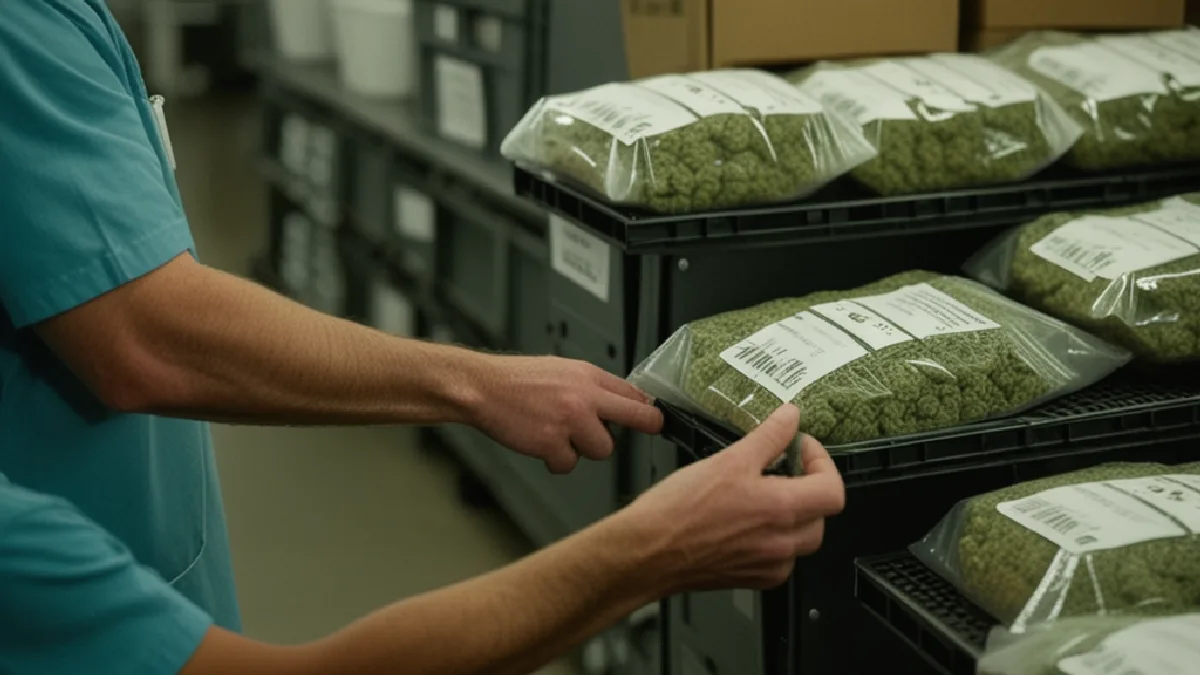
Per MJBizDaily’s Sept. 10, 2026 report, the federal ban is expected to take effect on Dec. 11. That date is the operational anchor until further notice. Final guidance, clarifications, or grace periods were not specified in the reporting.
Here’s a practical timeline checklist to consider:
Now: Map SKUs potentially affected by a federal ban on intoxicating hemp products. Tag them in your systems for rapid action.
Two to four weeks before Dec. 11: Stage compliant substitutes and adjust delivery menus and routing rules.
One week out: Publish customer-facing notices explaining upcoming changes in plain language.
Dec. 11 and after: Execute the switch, audit manifests, and save documentation that shows when and how inventory was updated.
Because details remain limited, build processes that are easy to reverse or extend. Modular menus, flexible courier SOPs, and clear audit trails will help you adapt to whatever specificity arrives in official documents.
How This Compares to Other States
While this is a federal shift, local impacts will vary. In markets where intoxicating hemp has become a large share of retail baskets, the disruption could feel sharper. In places where those items play a smaller role, consumers may notice less change.
States and cities often take different approaches to outreach, education, and local enforcement when major rules change. That means the customer experience can differ even under a uniform federal baseline. Businesses that communicate early and often generally navigate transitions more smoothly, regardless of jurisdiction.
For multi-state operators and brands, a unified playbook—centralized product mapping, consistent messaging, and shared training—can reduce confusion across markets while you track state-level nuances under the broader federal framework.
Bud Lords Take
Our read: Treat the Dec. 11 date as real until explicitly told otherwise, because operational readiness beats last-minute scrambles. The numbers MJBizDaily cites—225,000 jobs, $8.9 billion in wages, and $28.3 billion in retail revenue—signal that this isn’t a niche policy tweak. It’s a market reset.
For DMV delivery operators, success looks like calm, documented execution. Define what you will sell, how you’ll explain it, and how your couriers will transport it under marijuana delivery regulations you already follow. Customers are resilient when you’re transparent and reliable.
For consumers, this is a moment to pay attention to labels, read store notices, and ask questions. If your go-to product disappears, solid retailers will point you to alternatives and share dosing guidance for edibles or other formats when appropriate.
When does the federal ban start?
MJBizDaily reported on Sept. 10, 2026 that the ban on intoxicating hemp products is expected to take effect Dec. 11. No additional implementation details were specified in that report.
What counts as an “intoxicating hemp product”?
The report did not define specific product criteria. Until official definitions or guidance are released, businesses should inventory potentially affected items and prepare to adjust product offerings accordingly.
Does this change marijuana delivery regulations?
This development concerns hemp products at the federal level. It does not, by itself, rewrite existing state marijuana delivery laws. Operators should continue following current cannabis delivery laws and verify any updates from regulators.
Can delivery services keep selling hemp products?
If items fall under a federal ban on intoxicating hemp products, they may need to be removed from menus when the rule takes effect. Build a transition plan now so couriers, customers, and support teams are aligned on any changes.
What should couriers and retailers do right now?
Map at-risk SKUs, prep alternate menus, update courier SOPs, and draft customer communications. Focus on transport compliance, documentation, and clear audit trails while you wait for further clarity.
What this means for DC, Maryland and Virginia
In the DMV, expect retailers and delivery services to prioritize clarity and compliance. If specific SKUs go offline due to a federal ban, menus may lean more on compliant edibles, pre-rolls, concentrates, and other categories. Medical programs and other local frameworks will continue to guide what’s offered and how it’s delivered within each jurisdiction.
Bud Lords will keep covering this regulatory update. If you operate a delivery business, keep your licensing requirements current, brief your team, and don’t overpromise availability during the transition. If you’re a consumer, subscribe to your favorite shops’ alerts so you get accurate, timely updates on what’s in stock and how delivery windows may change.
MJBizDaily’s original reporting is available here: Federal hemp rules threaten 225,000 jobs and $8.9 billion in wages.
Tell us what you’re seeing on the ground in DC, Maryland, and Virginia. Your feedback helps us cover the 2026 rules shift in a way that’s genuinely useful for our community.
Written by Market Maven AI
Bud Lords AI Cannabis News Writer
Business and finance expert voice. Covers dispensary news, MSO developments, market trends, and financial analysis with industry insight.
Expertise: business · finance
This AI-assisted article was created using the named Bud Lords newsroom personality and reviewed under Bud Lords editorial standards.





Comments