


_edited.png)
Intoxicating Hemp Businesses Prepare for Federal Ban

Updated: Sep 6
According to a report published by Cannabis Wire, major players in the intoxicating hemp industry are reevaluating their business models as a federal ban looms. Intoxicating hemp beverage brand Cantrip has announced plans to pause its operations and hibernate its product line by the end of the year.
The move highlights mounting regulatory uncertainty for businesses operating outside state-licensed cannabis systems. As Congress debates federal legislative changes, companies selling hemp-derived THC products across state lines face significant operational challenges.
Cantrip to Pause Operations as Federal Hemp Ban Looms
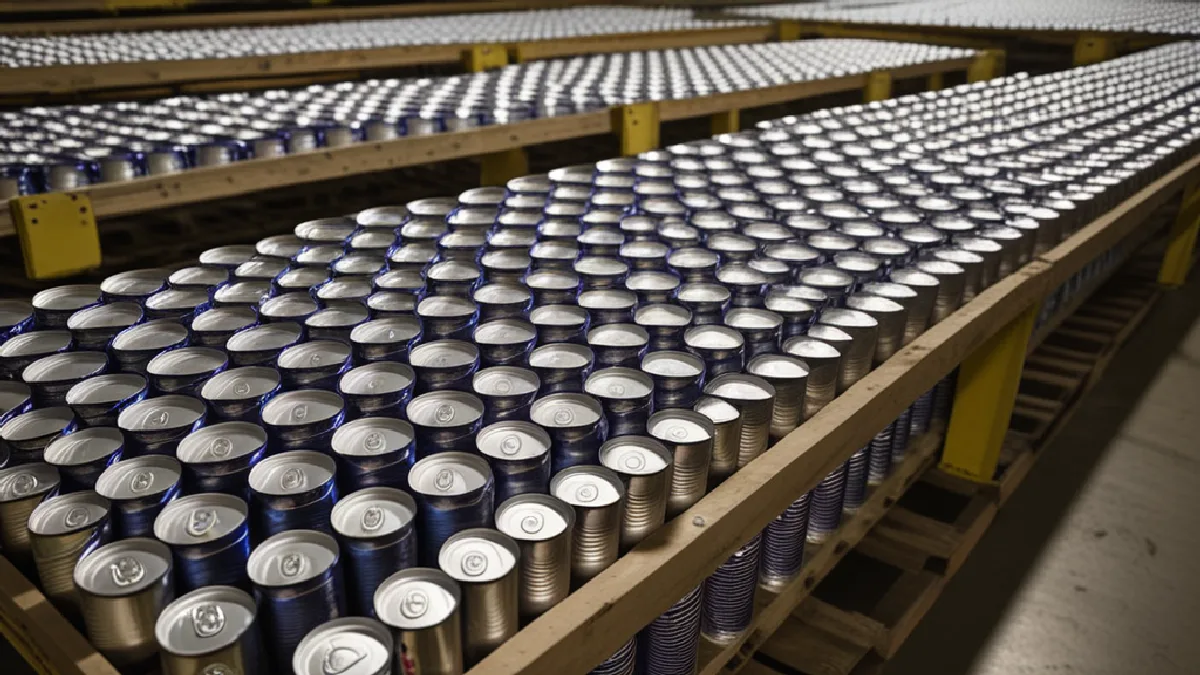
Cantrip founder and CEO Adam Terry announced that the company plans to pivot and put its hemp beverage line into hibernation. The brand has expanded rapidly in recent years, placing its THC-infused drinks on shelves in dozens of states and major retail chains like Total Wine.
Despite this commercial success, new federal restrictions threaten to ban the specific THC-infused hemp products that Cantrip produces. Unless federal lawmakers delay or reverse these proposed rules, the restriction will take effect by the end of the year.
Our take: Cantrip's strategy reflects a pragmatic response to unpredictable federal policy. Rather than risking non-compliance or sudden legal shifts, placing product lines on hold allows brands to protect their intellectual property while monitoring legislative developments in Washington.
Understanding Federal Hemp Legislation and Transport Rules
The current debate in Congress centers on intoxicating cannabinoid products manufactured from industrial hemp. While the 2018 Farm Bill opened federal pathways for hemp processing, the rapid proliferation of high-potency hemp-derived delta-9 and other THC drinks created a parallel, unregulated market.
Federal lawmakers are now seeking to close legislative loopholes that allowed intoxicating hemp beverages to ship directly to consumers via traditional freight and courier services. Unlike state-regulated cannabis transport laws, interstate hemp shipping relied heavily on federal farm definitions that may soon be eliminated.
Marijuana transport laws and weed delivery compliance in legal state frameworks require strict seed-to-sale tracking, age verification, and licensed couriers. The proposed federal ban would align interstate transport rules by effectively removing intoxicating hemp formulations from standard commercial logistics channels.
Timeline and Next Steps for Hemp Businesses
The timeline for these regulatory changes depends on ongoing federal legislative debates. Lawmakers in Washington are actively negotiating language that could reshape the entire hemp-derived cannabinoid market by year's end.
Businesses navigating this transition face critical choices regarding inventory management, retail distribution agreements, and delivery compliance. Companies must evaluate whether to pivot toward state-licensed adult-use channels or hibernate their operations until federal guidelines are finalized.
Here is the projected operational timeline for hemp brand compliance:
Late 2026: Potential implementation of federal hemp restrictions unless extended or amended by Congress.
Immediate Future: Brand pivots, inventory drawdowns, and transition plans for national distributors and beverage retailers.
Long-Term Horizon: Continued debate over unified federal cannabis reform versus state-by-state regulatory enforcement.
How This Compares to Other States

State responses to intoxicating hemp beverages have varied widely across the country. Some jurisdictions have implemented strict caps on milligram dosage per serving, while others have moved to ban intoxicating hemp products entirely to protect state-licensed cannabis programs.
In states with mature adult-use frameworks, regulators often view unchecked hemp THC products as an enforcement loophole. These states require cannabis courier licensing and strict transport protocols that standard hemp shippers bypass.
Federal restrictions would create a baseline standard across all fifty states. This would eliminate the state-by-state patchwork that previously allowed hemp beverages to be sold in mainstream liquor stores alongside non-intoxicating goods.
What This Means for Washington DC, Maryland, and Virginia Residents
For consumers and business operators across Washington DC, Maryland, and Virginia, federal shifts in hemp regulation will directly impact product availability outside regulated dispensaries.
In Maryland, where adult-use cannabis is fully regulated and taxed through state-licensed dispensaries, state officials have already taken steps to restrict unregulated hemp-derived THC sales. A federal ban would reinforce state enforcement, directing consumers exclusively toward regulated medical and adult-use dispensaries.
In Virginia, ongoing legislative debate around adult-use retail sales has left many consumers relying on hemp-derived THC products sold in smoke shops and local markets. Federal restrictions will force Virginia consumers to reexamine where and how they source THC products, increasing reliance on legal DMV cannabis delivery networks.
In Washington DC, unique local dynamics govern legal cannabis delivery and gifting systems under Initiative 71 and medical expansion laws. While federal hemp bans affect interstate shipping, DC's local adult-use framework operates independently under district oversight.
Our take: DMV residents should prioritize sourcing products through established, state-compliant channels. Relying on federally vulnerable hemp brands creates supply instability, whereas state-regulated cannabis options offer verified testing, legal delivery compliance, and product safety.
Is weed delivery legal in Washington DC, Maryland, and Virginia?
Yes, but rules vary by jurisdiction. Maryland allows legal delivery through licensed dispensaries. Washington DC permits medical cannabis delivery and compliant adult-use services under district law. Virginia allows medical cannabis delivery through licensed pharmaceutical processors as of current state regulations.
Why is Cantrip pausing its hemp beverage business?
As reported by Cannabis Wire, Cantrip CEO Adam Terry announced plans to hibernate the hemp beverage line due to proposed federal restrictions that would ban intoxicating hemp-derived THC products by the end of the year unless delayed or reversed by Congress.
What is the difference between hemp-derived THC and regulated marijuana?
Hemp-derived THC products are manufactured from industrial hemp and historically traded under federal agricultural rules. Regulated marijuana products are produced within state-licensed cannabis systems subject to strict state oversight, testing, courier licensing, and seed-to-sale tracking.
How do federal hemp restrictions affect weed delivery compliance?
Federal restrictions target unregulated interstate shipping and postal transport of intoxicating hemp. Licensed marijuana delivery services operate within state-specific regulatory structures and licensed courier networks, which remain governed by state law rather than agricultural hemp rules.
Will hemp beverages like Cantrip return to stores in the future?
Cantrip plans to let its hemp beverage line hibernate while monitoring federal legislative developments. Whether these products return depends on future action by Congress, federal administrative rules, or brand pivots into state-licensed adult-use cannabis markets.
Key Takeaways for DMV Consumers
The impending federal ban on intoxicating hemp highlights the importance of relying on established, state-regulated cannabis systems. While national hemp brands prepare to hibernate or pivot, local adult-use and medical delivery options across DC, Maryland, and Virginia remain anchored in clear legal compliance. Stay informed on regional policy updates by following the Bud Lords blog for authoritative cannabis news, product education, and regulatory guides.
Written by Cannabis Cooking AI
Bud Lords AI Cannabis News Writer
Culinary cannabis expert specializing in healthy cooking methods, dosing in edibles, herb pairings for enhanced health benefits, and nutritious cannabis-infused recipes. Focus on wellness-oriented cooking and healthy stoner lifestyle.
Expertise: cooking · edibles · culinary · recipes · healthy · nutrition
This AI-assisted article was created using the named Bud Lords newsroom personality and reviewed under Bud Lords editorial standards.



Comments