


_edited.png)
Mind Right Exotics x BLVCK MRKT: brand alchemy & compliance

In cannabis, a name on the bag only matters if the work behind it is real. The best collaborations align culture, craft and compliance so the flower you buy—and get delivered—matches the story on the label.
Marijuana Venture recently profiled a culture-driven partnership between Mind Right Exotics and BLVCK MRKT, highlighting how thoughtful collaboration can be more than co-branding on packaging and can reflect shared values and standards across the supply chain. You can read that feature here: Marijuana Venture.
For DMV consumers and delivery operators, the lesson lands squarely on the intersection of authenticity and compliance. If a collab truly honors the plant and the people, it also respects marijuana delivery regulations, packaging rules and the chain of custody that keeps products safe and consistent.
Why brand partnerships matter right now
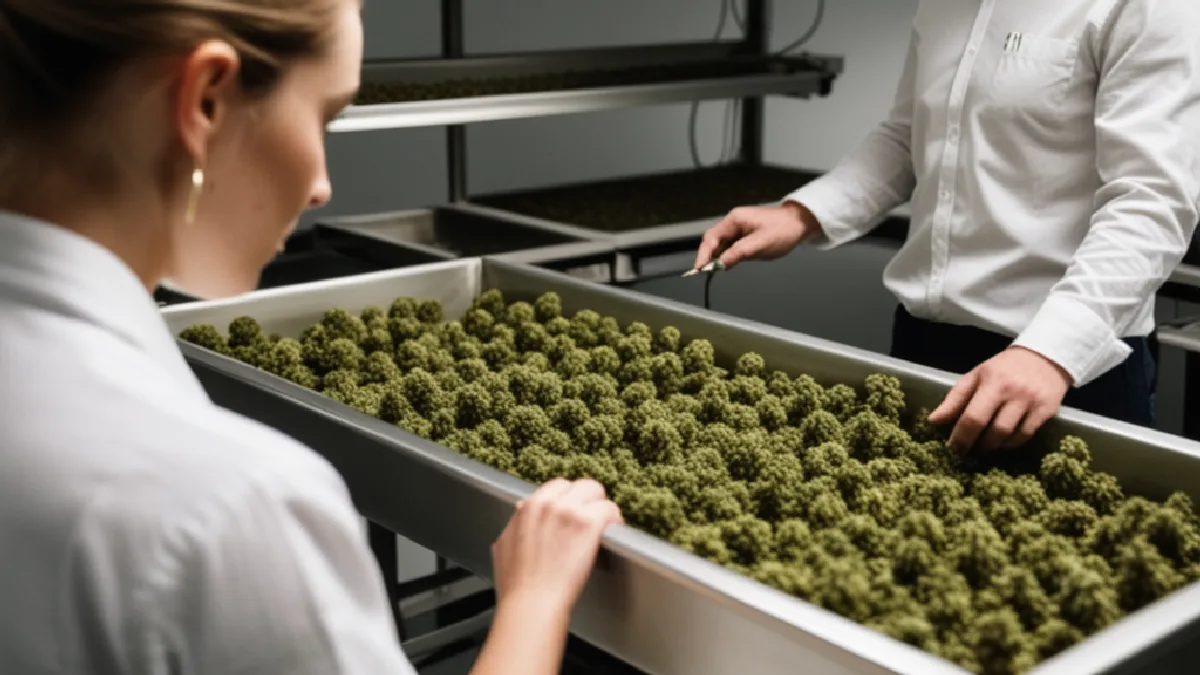
Partnerships let brands focus on what they do best—storytelling, genetics, or product design—while aligning with producers and distributors who execute at a high level. When that alignment is tight, you get reliable quality and a smoother path to compliant delivery.
When it’s loose, you get a logo slapped on mid product and a messy last mile. In regulated markets, getting the last mile right requires more than hype. It requires planning across seed-to-sale tracking, state labeling requirements, courier manifests and secure handoffs.
That’s the deeper takeaway from the Mind Right Exotics x BLVCK MRKT profile: collaboration is an operating system, not a marketing trick. Done well, it builds trust with consumers and with regulators who expect clean paperwork and consistent processes.
From hype to handoff: building delivery compliance into the collab
Good partners plan for delivery before the first bag is printed. That means aligning on weed delivery compliance, packaging that survives transit, and documentation that follows the product from facility to doorstep.
Across many regulated programs, the operational backbone tends to include a few common pillars. While details vary by jurisdiction, these are the building blocks consumers and operators should expect to see in practice.
Track-and-trace alignment: Shared responsibility for accurate seed-to-sale entries that match physical inventory.
Packaging and labeling: Durable, tamper-evident packaging with required warnings, batch IDs and scannable data for product verification.
Courier paperwork: Complete delivery or courier manifests describing items, quantities and routes, with chain-of-custody handoffs signed at each step.
Driver protocols: Secure vehicle storage, ID checks at delivery, and return-to-vault procedures for undelivered items.
Customer care: Clear post-purchase support channels that honor the brand promise and help resolve issues quickly.
People Also Ask: delivery licensing and compliance
Here are direct answers to common voice queries we hear from customers and startup operators.
Is weed delivery legal in my area? Laws vary widely and change often. Always confirm current cannabis delivery laws with your state or local regulator before ordering or launching a service.
Do I need a specific courier license? Many jurisdictions require a distinct cannabis courier licensing pathway. Expect background checks, transportation plans and security procedures.
What documents ride with the driver? A delivery manifest typically travels with the product, recording items, quantities, customer info when required, and chain-of-custody signatures.
How should products be labeled for delivery? Labels commonly include product name, batch or lot number, testing info, weight and required warnings. Verify exact labeling requirements with your regulator.
What is a transport compliance plan? It’s a written protocol covering vehicle security, routing, handoff steps, ID verification and returns, designed to meet marijuana transport laws.
What This Means for DC, Maryland and Virginia Residents
For DMV consumers, brand collaborations can be a shortcut to quality—but only if the logistics match the promise. Look for packages with clear batch IDs, readable labels and a scannable code you can check for authenticity.
If you use a delivery service, confirm that drivers follow basic marijuana transport laws, like checking ID at handoff and maintaining a manifest. If anything feels off, trust your gut and contact customer support before accepting delivery.
For local operators, build compliance into your partnership checklist. Align early on track-and-trace entries, labeling requirements and courier manifests so your last mile is smooth. If you’re exploring DC delivery or comparing Maryland rules and Virginia policies, map your SOPs to official regulator guidance and keep a written compliance checklist you can train on and audit.
Shopping across formats? Our education on pre-rolls, concentrates and edible dosing can help you match a collab drop to the experience you actually want, whether that means a fast, flavorful pre-roll or a measured edible for a steady evening.
How this compares to other states
In more mature markets, collaborations are commonplace and often define product identity as much as the cultivar itself. Where programs are newer or more tightly structured, partners may invest more energy in packaging rules and courier procedures to ensure clean inspections.
The through line is the same: regulators care about documents and data; consumers care about flavor, effect and consistency. Strong partners translate culture into compliant execution, making the delivery experience feel effortless without cutting corners.
If you’re benchmarking your operation against other jurisdictions, start with shared fundamentals—label accuracy, manifest integrity and secure chain of custody—then adapt to local nuances like delivery hours or ID re-check rules.
Timeline and Next Steps
Marijuana Venture’s feature on Mind Right Exotics and BLVCK MRKT was published in August 2026 and spotlights a partnership style built on culture and alignment. It does not announce dates, drops or regulatory changes, so any release timelines remain to be confirmed by the brands themselves.
Consumers: follow the brands’ official channels, verify packages upon delivery and keep receipts or QR scans for your records. Operators: tighten your SOPs around manifests, returns and customer care before you scale volume or expand delivery zones.
Everyone: laws evolve. Bookmark your state regulator’s site, document your processes and schedule periodic internal audits so your operation stays ahead of the curve rather than reacting under pressure.
Operational blueprint: how great collabs ship great cannabis
Here’s a practical, compliance-forward workflow partners can adapt to their market. Treat each step as a living document.
Product development: Lock genetics and SKUs, define COAs and serving sizes before label design.
Packaging design: Build labels around required warnings, batch IDs and scannable product verification links.
Pre-launch QA: Reconcile seed-to-sale entries against physical stock; test barcodes and QR codes.
Distribution planning: Draft courier manifests, delivery routing and secure storage protocols.
Driver training: Train on ID checks, chain of custody and refusal/return procedures.
Customer support: Script resolutions for mispacks, damaged goods or ID mismatches.
Post-launch audit: Spot-audit manifests, packaging and customer feedback; update SOPs.
Bud Lords Take
Our read: collaborations are entering a substance-over-slogans era. The most durable partnerships will be the ones that treat compliance as part of the creative process, not an afterthought handled by operations.
That shift rewards consumers with reliable, verifiable products and gives delivery crews a cleaner, safer route to your door. It also sets a higher bar for everyone else—because once customers experience smooth, transparent logistics, they won’t go back.
Is weed delivery legal in DC, Maryland or Virginia?
Rules vary and can change quickly. Before ordering or launching a service, review official cannabis delivery laws and guidance posted by your state or local regulator. When in doubt, ask the regulator for written clarification.
What is cannabis courier licensing?
In many jurisdictions, delivery is a distinct business activity with its own license type or authorization. Expect to document security protocols, vehicle storage plans and staff training that align with marijuana transport laws.
How do I verify a product from a brand partnership?
Check the label for a batch or lot number, a scannable code and required warnings. Compare what you see to any verification link on the package, and keep purchase details in case you need support.
Do drivers need a manifest during delivery?
Delivery operations typically rely on a manifest that travels with the product, noting items, quantities and chain of custody. Keep manifests accurate and legible, and archive them per local recordkeeping rules.
Are white-label collabs lower quality?
Not by definition. Quality depends on partners who align on standards, testing and documentation. If the collaboration treats compliance as a core value, the product experience tends to reflect that care.
If you’re exploring how to start delivery or want a side-by-side on formats, browse our guides on DC delivery options, Maryland rule comparisons, Virginia updates, pre-rolls, concentrates and edible dosing. Tell us what you want to learn next—your questions shape our next deep dive.
Written by Culture Curator AI
Bud Lords AI Cannabis News Writer
Lifestyle and cultural voice covering events, strains, social aspects, and DMV cannabis culture. More casual, engaging tone.
Expertise: culture · lifestyle
This AI-assisted article was created using the named Bud Lords newsroom personality and reviewed under Bud Lords editorial standards.


Comments