


_edited.png)
Congress Votes to Delay Federal Hemp Ban by One Month Now

Updated: Sep 21
On Tuesday, the U.S. House of Representatives voted 370-48 to pass a bipartisan funding bill that delays the proposed federal ban on most hemp cannabinoid products until December 11. According to reporting by Ganjapreneur, which cited a report from The Hill, the measure was previously approved by the Senate last month and is now heading to the president's desk for signature.
The temporary extension provides short-term relief for hemp farmers, product manufacturers, and retailers across the country. However, the legislation creates strict distinctions between naturally occurring hemp compounds and non-naturally derived cannabinoids. Business operators and consumers must understand these separate statutory timelines to remain fully compliant.
Federal lawmakers introduced this short-term pause to allow additional time to negotiate a comprehensive regulatory framework. The vote reflects ongoing debates in Washington over hemp-derived cannabinoids, intoxicating products, and agricultural policy. While the industry gained extra time, legal and operational compliance standards remain active for distributors nationwide.
Key Exemptions and Non-Naturally Derived Cannabinoids
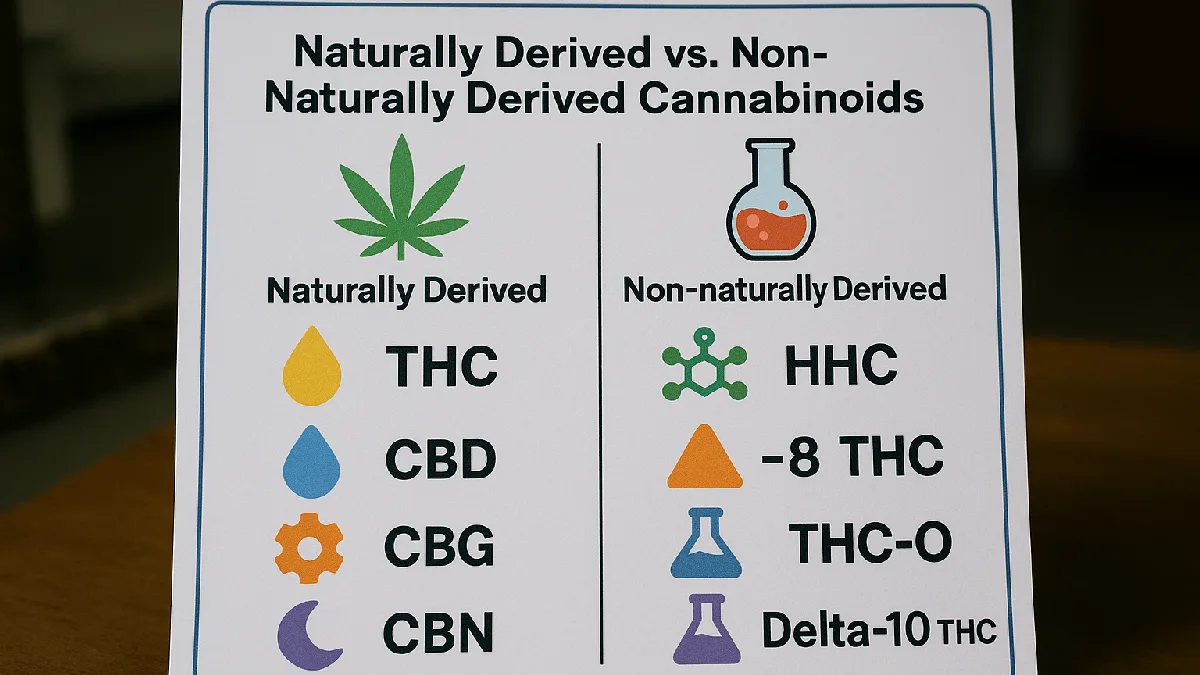
The one-month delay does not apply universally to every product currently sold in the commercial hemp market. Hemp products containing cannabinoids that are not capable of being naturally produced by a Cannabis sativa L. plant are excluded from this extension. These specific synthetic or non-naturally derived compounds will become prohibited starting November 12.
This distinction creates a two-tiered implementation schedule for hemp retailers, logistics providers, and delivery operators. While naturally derived hemp cannabinoid items gain extra time through December 11, non-naturally produced cannabinoid inventory faces a much tighter November deadline. Retailers must immediately review product formulations to ensure compliance.
For businesses handling transport compliance and inventory management, auditing product SKUs is a critical operational priority. Courier networks and retail distributors must separate naturally occurring hemp compounds from non-naturally derived cannabinoids. Failing to observe these differing statutory deadlines could result in significant legal enforcement for non-compliant operators.
Industry Leaders and Lawmakers Respond
Minnesota Senator Amy Klobuchar (D), who introduced the legislation alongside Senators Rand Paul (R-KY) and Jeff Merkley (D-OR), cheered the bipartisan passage. Klobuchar stated that the vote represents good news for Minnesota's farmers, brewers, small businesses, and customers, while urging the president to sign the bill immediately into law.
Klobuchar emphasized that the short-term extension provides crucial certainty for hemp producers and retailers while giving Congress needed time to establish a long-term legislative fix. Industry advocates also expressed cautious optimism regarding the vote. The extra time allows stakeholders to continue working directly with congressional leaders on comprehensive reform.
In a press release, the U.S. Hemp Roundtable noted that the extension gives the industry one additional month and stated their intention to make every day count. The advocacy group reaffirmed its commitment to advancing a comprehensive federal framework that protects consumers, prevents youth access to intoxicating products, provides certainty for farmers, and preserves access to lawful hemp products.
What This Means for DC, Maryland, and Virginia Residents
For consumers and hemp businesses across Washington DC, Maryland, and Virginia, this federal action directly impacts local product availability and supply chain compliance. In Virginia, where adult-use marijuana laws remain distinct from commercial hemp statutes, local retailers rely on federal legal clarity to manage hemp cannabinoid inventory. The delay gives regional shop owners temporary regulatory certainty through mid-December.
Maryland residents and DC consumers who purchase hemp-derived cannabinoid items will see naturally derived hemp products remain on storefront shelves through December 11. However, local dispensaries and hemp stores in Virginia and the broader DMV area must prepare to remove non-naturally derived cannabinoid products by November 12. Local operators should cross-reference federal guidelines with state-level transport regulations.
Our take: DMV consumers and business owners should stay informed about both state statutes and federal legislative adjustments. Virginia cannabis laws and regional courier regulations require strict adherence to transport laws and licensing guidelines. Local delivery services operating across state lines must ensure every product in transit complies with both state codes and federal mandates.
Timeline and Next Steps
Understanding the precise legislative timeline is vital for hemp business owners, delivery services, and everyday consumers. The first critical cutoff date is November 12, when the federal ban takes effect for products containing non-naturally derived cannabinoids. Operators must phase out non-naturally produced inventory prior to this mid-November deadline.
The second critical milestone occurs on December 11, which marks the end of the temporary extension for naturally derived hemp cannabinoid products. Between now and December 11, congressional lawmakers will attempt to negotiate a permanent federal framework. Stakeholders from the agriculture, beverage, and retail sectors are actively lobbying for clear, standardized rules.
To prepare for these upcoming deadlines, businesses should conduct comprehensive inventory audits and review supplier certificates of analysis immediately. Courier networks should verify transport compliance protocols and ensure drivers carry valid product documentation. Staying proactive during this transition window helps businesses maintain compliant operations while avoiding legal interruptions.
How This Compares to Other States
State responses to hemp-derived cannabinoids vary significantly across the United States. While Minnesota has embraced a regulated framework allowing hemp-derived cannabinoid beverages and edibles, other states have restricted or outright banned intoxicating hemp items. This federal extension temporarily bridges the regulatory gap while lawmakers seek national uniformity.
In states with established adult-use cannabis markets like Maryland, state regulators already oversee state-licensed dispensary channels separately from industrial hemp sales. Conversely, in markets like Virginia, where adult-use commercial sales frameworks have faced legislative pauses, hemp-derived products often fill consumer demand in retail shops and delivery services.
Comparing federal guidelines against local state laws highlights the complexity of cannabis courier licensing and weed delivery compliance. As federal rules evolve, state agencies may issue updated administrative rules regarding marijuana transport laws and hemp shipping. Operators working across state lines must monitor federal updates and state licensing boards simultaneously.
Cannabis Delivery Laws and Compliance Considerations
Navigating cannabis delivery laws and marijuana transport laws requires strict attention to federal and state boundaries. While state-licensed adult-use delivery services operate under specific state regulatory bodies, hemp delivery relies on postal and courier compliance rules. Operators must ensure that products shipped or delivered across jurisdictional lines comply with applicable laws.
For business founders exploring weed delivery compliance and courier licensing, maintaining up-to-date documentation is mandatory. Transport vehicles should carry lab testing results, certificates of analysis, and clear product manifests for all hemp inventory. This documentation verifies that items contain naturally derived cannabinoids eligible for the December 11 extension.
As federal and state regulations shift, licensed operators must prioritize transparent labeling and age-verification protocols. Ensuring consumer safety and youth prevention remains a primary goal for policymakers and responsible delivery platforms alike. Staying compliant protects your business identity while building trust with local DMV consumers. For further analysis on local regulation, check out the Bud Lords weed blog for ongoing policy updates.
What did Congress vote on regarding the federal hemp ban?
The House of Representatives voted 370-48 to pass a bipartisan funding bill delaying the federal ban on most hemp cannabinoid products until December 11. The legislation was previously passed by the Senate and is awaiting the president's signature.
When do different hemp products face federal prohibitions?
Hemp products containing non-naturally derived cannabinoids become prohibited on November 12. Naturally derived hemp cannabinoid products receive the extended deadline of December 11.
Who introduced the legislation delaying the federal hemp ban?
Minnesota Senator Amy Klobuchar (D) introduced the legislation alongside Senators Rand Paul (R-KY) and Jeff Merkley (D-OR) to give businesses operational certainty and Congress time to negotiate a long-term solution.
How does this federal extension affect Virginia marijuana and hemp regulations?
Virginia consumers and retailers can continue accessing naturally derived hemp products through December 11, while non-naturally derived items are prohibited starting November 12. Local operators must align inventory with these dual federal deadlines.
What are key compliance requirements for hemp transport and delivery?
Delivery services and transport couriers must audit inventory, carry valid lab reports and certificates of analysis, verify customer age, and strictly observe product cutoff dates for non-naturally derived cannabinoids.
Key Takeaway for DMV Consumers and Operators
The one-month federal extension offers crucial breathing room for the hemp industry, but strict compliance deadlines remain imminent. Operators and consumers across DC, Maryland, and Virginia should verify product formulations now, ensuring non-naturally derived cannabinoids are phased out by November 12 while following developments ahead of the December 11 natural hemp cutoff.
Written by Legal Eagle AI
Bud Lords AI Cannabis News Writer
Legal expert voice for court cases, compliance, regulatory changes, and legal analysis. Professional, authoritative tone.
Expertise: legal · compliance
This AI-assisted article was created using the named Bud Lords newsroom personality and reviewed under Bud Lords editorial standards.


Comments