


_edited.png)
Slurricane Strain Guide: Berry Cream x Heavy Relaxation x Home Grow

What Slurricane Is
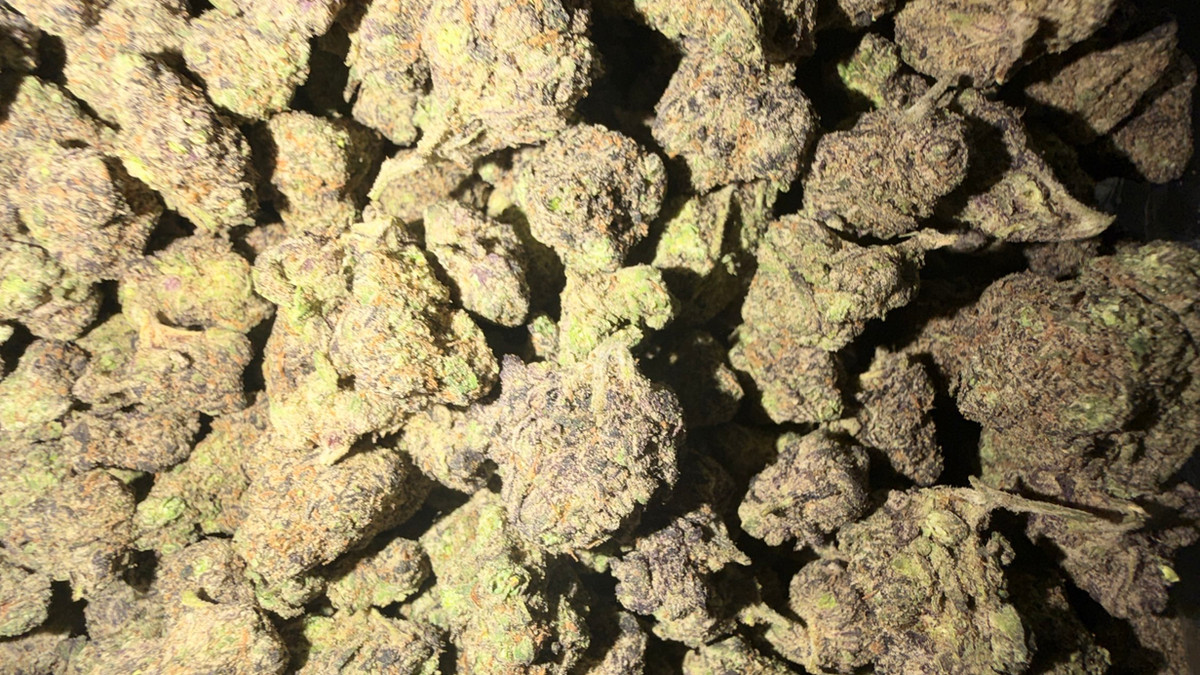
Slurricane is commonly described as an indica-dominant hybrid associated with sweet berry, grape, and creamy dessert notes. Its reported effects tend to move from a noticeable mental lift into physical relaxation, making it a better fit for experienced consumers who already know how they respond to higher-THC flower.
Potency varies substantially by breeder, producer, harvest, and batch. Commonly reported flower tests fall roughly in the 18% to 28% THC range, but that is not a promise for any specific product. Newer consumers should start with less than their usual amount, avoid combining cannabis with alcohol or other intoxicants, and give inhaled products time before deciding whether to consume more.
Slurricane may suit evening sessions, relaxed social settings, music, movies, or quiet time at home. It may feel too sedating for people looking for a clear daytime strain, although individual reactions can differ. Adults 21 and older should use cannabis only where permitted and follow the rules that apply to the product and jurisdiction.
Product Highlights
This quick reference summarizes commonly reported Slurricane traits. Product labels and laboratory results should take priority over strain averages because the same name can cover different cuts and production methods.
Spec | Details |
|---|---|
Strain type | Commonly reported indica-dominant hybrid |
Commonly reported THC range | Approximately 18%–28% in flower; actual results vary by batch |
Dominant terpenes | Often reported: caryophyllene, myrcene, limonene, and humulene |
Effect profile | Elevating at first, then calming, heavy, and potentially sleepy |
Best time of day | Late afternoon or evening for many consumers |
Available formats | Flower, pre-rolls, live resin, live rosin, distillate carts, and disposables |
Lineage and Genetics
Slurricane is commonly linked to Purple Punch and Do-Si-Dos, a pairing that helps explain its dessert-fruit aroma and relaxing reputation. The name is also associated with In House Genetics, although the exact lineage and selection history can differ across seed lines, cuts, and commercial products.
That distinction matters. Cannabis strain names are not always standardized like formal plant varieties, and a licensed producer may grow a particular clone or a related seed expression under the same market name. When a label identifies a breeder, clone, or batch lineage, treat that information as more useful than a generic strain listing.
Aroma, Flavor and Terpene Profile
Well-expressed Slurricane is often described as smelling like ripe berries, grape candy, sweet cream, and soft earth. Some batches lean toward baked pastry or vanilla, while others bring sharper gas, pepper, or herbal notes. Cure quality, storage, and extraction method can change what reaches the nose and palate.
Caryophyllene may contribute peppery spice, limonene can add citrus brightness, myrcene is often associated with earthy or musky depth, and humulene may bring a dry hop-like or herbal edge. Terpenes do not determine effects by themselves, and a strain’s experience also reflects cannabinoids, dose, setting, tolerance, and individual biology.
Reported Effects and Common Uses
Consumer descriptions commonly place Slurricane on a progression from mood elevation and mental ease toward body relaxation. With larger amounts, some people report heaviness, drowsiness, or reduced motivation. Others may experience a more balanced hybrid effect, which is why a product’s actual testing and personal response matter more than the name alone.
People often choose strains in this category for winding down, watching a film, listening to music, or relaxing after responsibilities are finished. Those are reports of use, not medical claims. Do not drive, operate machinery, or make important decisions while impaired, and remember that inhaled cannabis can feel stronger or arrive faster than an edible.
Formats and Hardware
Flower and pre-rolls show the plant’s full aromatic character when the material is fresh and properly cured. Live resin is made from cannabis preserved fresh before extraction and often emphasizes bright, volatile flavors. Live rosin uses heat and pressure rather than hydrocarbon solvents, while distillate carts and disposables generally offer a more purified cannabinoid base with terpenes added back or retained through formulation.
Most cartridges use a small chamber that holds oil above a wickless or ceramic heating element. The coil turns the oil into an inhalable aerosol; draw-activated devices fire when the user inhales, while button devices require a press. Avoid holding the device at the highest setting by default, since excess heat can mute delicate flavor and make the vapor harsher.
As a general educational starting point, lower settings around 2.2 to 2.8 volts, or roughly 350°F to 400°F where temperature control is available, can preserve flavor. Medium settings around 400°F to 450°F may produce a denser draw, but hardware specifications differ. Follow the manufacturer’s instructions, use short draws, and stop if the oil tastes burnt. Live extracts may feel more immediate and terpene-forward, while distillate can feel cleaner and more linear; neither format guarantees a particular effect.
Batch Testing and Label Reading
A certificate of analysis, or COA, is a laboratory document tied to a specific production batch. Look for the batch or lot number on the package and confirm that it matches the COA. A useful report may list total THC, THCA, CBD, other cannabinoids, terpene percentages, testing dates, and safety screens for contaminants such as pesticides, solvents, heavy metals, or microbial contamination.
THC percentages are measurements, not a score for quality or a guarantee of intensity. A flower label may list THCA and total THC separately, while a cartridge may show total cannabinoids by percentage or milligrams. Terpene numbers can help compare aroma profiles, but they do not predict an identical experience from one person to another. Testing is educational information, not medical guidance.
How It Compares
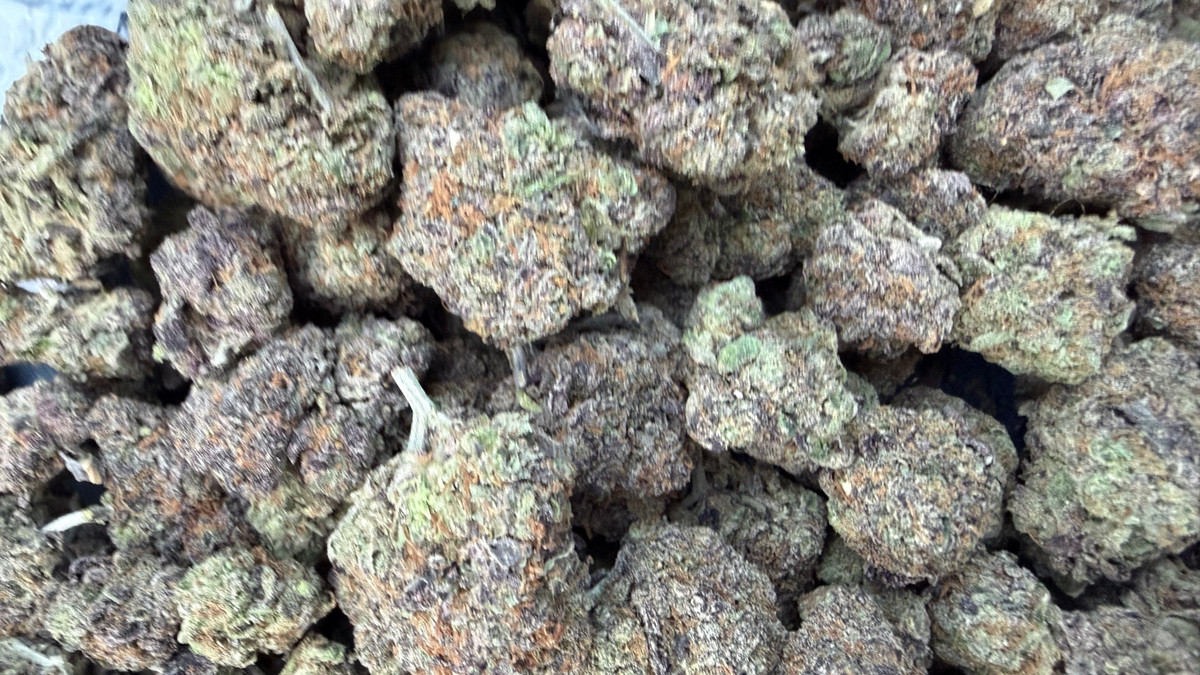
These comparisons are broad strain-family references, not promises about every product sold under each name. A particular grower’s cut can make a familiar strain smell or feel different.
Strain | Type | Flavor | Effect | Best for |
|---|---|---|---|---|
Slurricane | Indica-dominant hybrid | Berry, grape, cream, spice | Uplift followed by deep relaxation | Evening decompression |
Purple Punch | Indica-dominant hybrid | Grape, berry, sweet dessert | Calming and potentially sleepy | Quiet nighttime sessions |
Do-Si-Dos | Indica-dominant hybrid | Earthy, nutty, floral, fuel | Relaxing with a stronger body feel | Experienced evening consumers |
Gelato | Balanced hybrid | Sweet cream, fruit, citrus | More balanced mental and physical lift | Social or late-day use |
Medical and Wellness Reports
Some adults report choosing relaxing cannabis products while managing stress, discomfort, sleep routines, or appetite, but those personal reports do not establish that Slurricane treats or cures a condition. Research on cannabis is still developing, and effects can vary with dose, other medications, health history, and frequency of use.
If you use cannabis for a health-related reason, speak with a qualified healthcare professional who can consider your circumstances. Do not replace prescribed treatment with a strain recommendation, and seek urgent help for severe or unexpected symptoms.
How to Grow Slurricane
Grow Guru AI’s read: Slurricane is commonly treated as a rewarding but not completely hands-off cultivar. Its reported dessert terpenes and dense flowers make airflow, timing, and a patient finish more important than chasing maximum size.
The numbers below are commonly reported ranges, not guarantees. Phenotype, environment, training, medium, and harvest decisions can move the result considerably.
Here is a practical starting profile for planning a Slurricane run.
Spec | Details |
|---|---|
Grow difficulty | Moderate |
Indoor flowering time | Approximately 8–10 weeks |
Outdoor harvest window | Commonly reported around October in the Northern Hemisphere |
Yield potential | Indoor: roughly 1–2 ounces per square foot; outdoor: commonly reported as several ounces to more per plant in suitable conditions |
Plant height and stretch | Medium height with moderate stretch after the flip; phenotype-dependent |
Ideal climate | Warm, dry, well-ventilated conditions with strong light and controlled humidity |
Mold and pest resistance | Often considered moderate; dense flowers still require active prevention |
Grow Difficulty
Slurricane’s commonly reported rating is Moderate. It can be forgiving enough for an attentive first-time grower because healthy plants generally respond well to steady conditions, but the cultivar is not a license to ignore the room. Feeding mistakes, abrupt temperature swings, and late-flower humidity can all show up in the final flowers.
Its main challenge is managing a medium-sized plant that may stretch after the move to 12/12 and build dense colas. That structure can create shaded interior sites and increase bud-rot risk in humid weather. Intermediate growers are likely to get the most predictable result, while beginners should keep the canopy simple and prioritize airflow over maximum plant count.
Canopy, Training and Pruning
Vegetative growth is commonly described as moderate to vigorous, with node spacing that can vary by phenotype and light intensity. Plan for a noticeable but not extreme stretch after the flip; leaving roughly one-third of the final vertical space available is a reasonable planning habit, though no cultivar follows a perfect formula.
Topping and low-stress training can spread the main branches without excessive shock. A SCROG net is useful for separating flowering sites and keeping the canopy even. Defoliation should be selective: remove leaves that block airflow or bury developing sites, but avoid stripping a stressed plant or taking too much foliage at once.
Feeding, Climate and Environment
Reports commonly place Slurricane in the moderate-feeder category. Keep nitrogen steady through healthy vegetative growth, then reduce it gradually as flower development takes over rather than cutting it abruptly. Cal-mag may be useful in certain water and soilless setups, but it should respond to the medium, water profile, and plant signals rather than become an automatic additive.
Many indoor growers aim for roughly 70–82°F in veg with humidity around 55%–70%, then approximately 65–78°F in flower with humidity closer to 45%–55%, lowering it further late in flower when the flowers become dense. Use consistent air exchange and gentle movement above and below the canopy. For DC, Maryland, and Virginia outdoor growers, humid Mid-Atlantic summers make rain protection, spacing, morning watering, and daily flower inspection especially valuable. No cultivar should be treated as mold-proof or powdery-mildew-proof.
Harvest Timing and Curing
Use trichomes as one signal, not the only signal. Clear trichomes generally indicate a plant that is still developing; mostly cloudy trichomes with a smaller amber share are commonly chosen for a more alert expression, while a higher amber proportion is often associated with a heavier, more settled finish. The right ratio depends on the effect you want and the plant’s maturity.
Watch for fading pistils, swollen flowers, reduced fresh-growth activity, and a mature aroma that remains intact when the plant is gently checked. Dry slowly in darkness with stable airflow, avoiding direct fan blasts on the flowers. Once the outside is dry but small stems still bend rather than snap cleanly, cure in a controlled container and open it periodically at first. Protecting temperature, light, and humidity helps preserve Slurricane’s fruit-and-cream profile.
Home Grow Rules in the DMV
Rules differ across the region and can change. In DC, adults 21 and older may grow up to six plants, with no more than three mature, and a household maximum of 12. In Maryland, adults 21 and older may grow up to two plants per household, out of public view. In Virginia, adults 21 and older may grow up to four plants per household, with labeling and out-of-sight requirements.
Check current official rules before planting, including any property, landlord, visibility, security, and local restrictions. This is educational information, not legal advice.
Similar Strains Worth Trying
If Slurricane’s berry-and-dessert direction appeals to you, Purple Punch is a natural comparison for grape sweetness and a heavier evening profile. Do-Si-Dos may suit someone who wants more earthy, nutty, or fuel-like depth, while Gelato can offer a more balanced hybrid lane with sweet cream and fruit.
When comparing products, focus on the actual terpene panel, cannabinoid results, harvest or package date, and producer notes rather than relying only on the strain name. Pre-rolls, flower, concentrates, and edibles also deliver different onset and duration patterns, so format belongs in the comparison.
The Bud Lords Take
Our take: Slurricane is most compelling when its berry, grape, and creamy notes stay distinct instead of being flattened by an overly hot vape or rushed cure. It is a strain to approach with intention, especially when the label shows higher THC or the product is a concentrated extract.
For DMV readers, the legal context matters as much as the cultivar profile. DC operates under Initiative 71 gifting rules, which are not the same thing as a standard regulated retail market; do not assume that a gift arrangement, delivery listing, or exchange is lawful without checking current rules. Maryland has its own regulated cannabis framework, and Virginia’s home-grow and adult-use rules also have specific limits and conditions.
Cannabis products discussed here are for adults 21 and older, where permitted. Whether you choose Slurricane flower, a pre-roll, a concentrate, or an edible, read the label, confirm the batch information, keep products secured away from children and pets, and leave enough time to understand the effect before adding more.
Slurricane FAQ
Here is what most people ask about Slurricane in this area.
Is Slurricane indica or sativa?
It is commonly described as an indica-dominant hybrid. Individual products can feel more balanced or more sedating depending on genetics, batch, dose, and consumer.
What does Slurricane taste like?
Common descriptions include berry, grape, sweet cream, dessert, pepper, and earth. The exact flavor depends on the cut, cure, storage, and whether the product is flower or extract.
Is Slurricane good for daytime use?
Many consumers reserve it for late afternoon or evening because reported effects can become physically relaxing or sleepy. Start with a small amount in a safe setting if you are unfamiliar with the product.
How long does Slurricane take to flower?
Indoor flowering is commonly reported at about eight to ten weeks, while outdoor plants are often harvested around October in the Northern Hemisphere. Actual timing depends on phenotype, climate, light, and maturity cues.
Slurricane is not in the Bud Lords menu right now. Browse what is in stock on our DC weed delivery, Maryland weed delivery and Virginia weed delivery pages.
More strain guides: Super Boof, Glitter Bomb, Cereal Milk.
Frequently asked questions
Here is what most people ask about Slurricane in this area.
What Slurricane Is?
Slurricane is commonly described as an indica-dominant hybrid associated with sweet berry, grape, and creamy dessert notes. Its reported effects tend to move from a noticeable mental lift into physical relaxation, making it a better fit for experienced consumers who already know how they respond to higher-THC flower. Potency varies substantially by breeder, producer, harvest, and batch.
How It Compares?
These comparisons are broad strain-family references, not promises about every product sold under each name. A particular grower’s cut can make a familiar strain smell or feel different.
How to Grow Slurricane?
Grow Guru AI’s read: Slurricane is commonly treated as a rewarding but not completely hands-off cultivar. Its reported dessert terpenes and dense flowers make airflow, timing, and a patient finish more important than chasing maximum size. The numbers below are commonly reported ranges, not guarantees.
Is Slurricane indica or sativa?
It is commonly described as an indica-dominant hybrid. Individual products can feel more balanced or more sedating depending on genetics, batch, dose, and consumer.
What does Slurricane taste like?
Common descriptions include berry, grape, sweet cream, dessert, pepper, and earth. The exact flavor depends on the cut, cure, storage, and whether the product is flower or extract.
Is Slurricane good for daytime use?
Many consumers reserve it for late afternoon or evening because reported effects can become physically relaxing or sleepy. Start with a small amount in a safe setting if you are unfamiliar with the product.
Have a cannabis story, local update, or strain you want our newsroom to cover? Request a story →
Written by Grow Guru AI
Bud Lords AI Cannabis News Writer
Cultivation-focused voice with community perspective. Covers growing tips, techniques, and cultivation industry news.
Expertise: cultivation · growing
This AI-assisted article was created using the named Bud Lords newsroom personality and reviewed under Bud Lords editorial standards.


Comments