


_edited.png)
Blue Zushi Strain Guide: Berry-Gas Flavor x Balanced Effects x Compact Growth

What Blue Zushi is
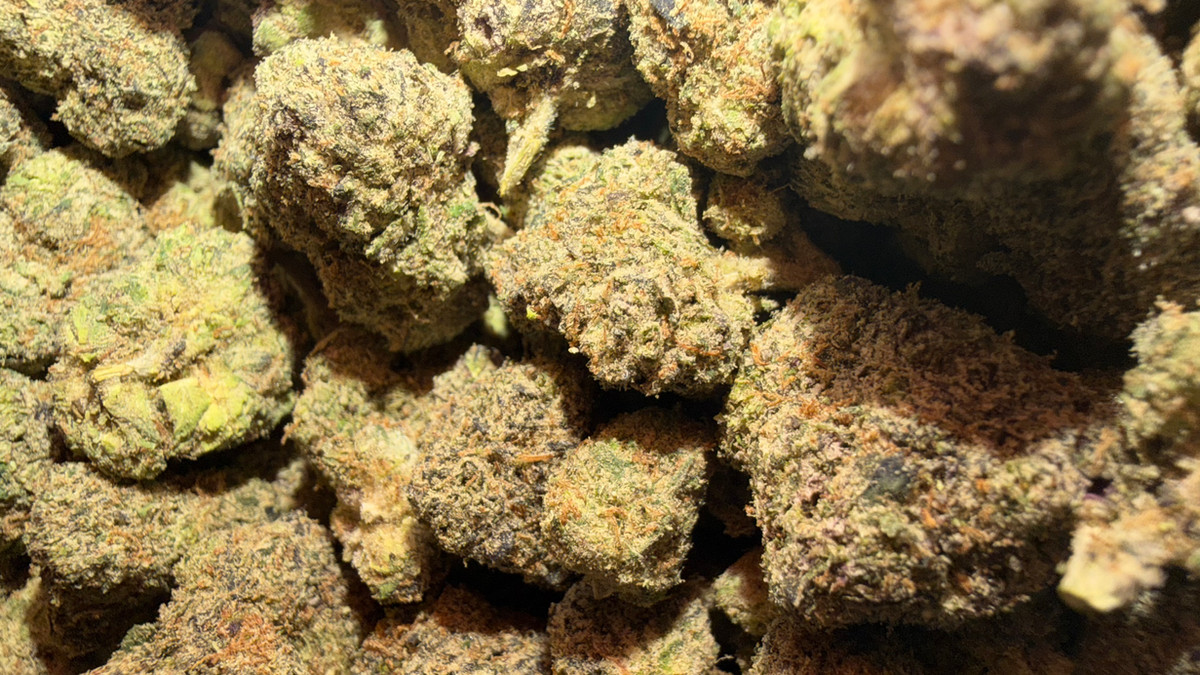
Blue Zushi is commonly described as a balanced hybrid with a dessert-like fruit profile, noticeable gas, and effects that can move from an upbeat mental lift toward physical relaxation. The name is used across different menus and breeding projects, so the exact genetics and potency can vary by producer.
Commonly reported flower results place Blue Zushi around the high-teens to mid-20s THC range, although a particular batch may test below or above that window. It may suit adults who enjoy flavorful hybrids and want something more even-handed than a strongly sedating indica or sharply stimulating sativa. Newer consumers should treat the strain name as a starting point, not a potency guarantee.
Blue Zushi is often associated with berry, sweet fruit, cream, and fuel notes. Its experience is commonly described as an initial mood lift followed by calm, making it a flexible choice for an afternoon or evening session depending on the batch, format, and individual tolerance.
Product Highlights
The profile below summarizes commonly reported characteristics, not a promise about every Blue Zushi product. Always use the package label and batch-specific certificate of analysis for the product in hand.
Spec | Details |
|---|---|
Strain type | Hybrid; often described as balanced or slightly indica-leaning |
Commonly reported THC range | Approximately 18%–26% in flower, with substantial batch-to-batch variation |
Dominant terpenes | Commonly reported: caryophyllene, limonene, myrcene, and sometimes linalool |
Effect profile | Uplifting, euphoric, relaxed, and potentially calming at higher intake |
Best time of day | Late afternoon or evening; lighter batches may work earlier |
Available formats | Flower, pre-rolls, live resin, live rosin, distillate cartridges, and disposable vapes |
Lineage and genetics
Blue Zushi’s lineage is not fully standardized. It is commonly connected to Blueberry and Zkittlez-family genetics, while some menus and breeder listings describe additional Zushi or Kush-associated influence. Those claims should be treated as reported lineage rather than independently confirmed parentage unless the producer identifies a documented breeding record.
That uncertainty matters because strain names are not protected scientific categories. Two growers can sell Blue Zushi with different selections, growing conditions, harvest timing, and post-harvest handling while using the same name. The result may share broad flavor expectations without matching exactly in aroma, structure, or intensity.
For shoppers comparing batches, the producer, harvest date, lot number, terpene panel, and cultivation method are often more useful than the name alone. A Blue Zushi grown for dense, resinous flower may present differently from a vape made with a separate extraction lot.
Aroma, flavor and terpene profile
Blue Zushi commonly opens with sweet berry or blue-fruit aromas, followed by creamy candy and a sharper fuel note. On the palate, that combination can read as fruit-forward at first and peppery, earthy, or gassy on the finish. Curing quality makes a major difference: well-handled flower should smell distinct and layered rather than dusty or overwhelmingly like fresh-cut grass.
Caryophyllene is often associated with peppery spice, limonene with bright citrus, myrcene with earthy or herbal depth, and linalool with floral softness. Terpenes do not work as a simple flavor-to-effect decoder, and their presence does not establish a medical outcome. They are best used as clues for aroma, taste, and how one batch may differ from another.
Reported effects and common uses
Consumers commonly describe Blue Zushi as beginning with a pleasant mental lift, social ease, or creative-feeling focus before settling into physical calm. Some batches may feel more energetic, while higher-potency flower or larger servings can feel heavier. The experience depends on dose, tolerance, setting, method of consumption, and the product’s cannabinoid and terpene profile.
People often choose it for relaxed social time, music, low-pressure creative activities, or winding down after responsibilities. These are consumer reports, not medical claims or treatment recommendations. Cannabis can also impair reaction time, coordination, and judgment, so do not drive or operate equipment after using it.
Formats and hardware
Blue Zushi flower offers the clearest view of the plant’s natural texture and cured aroma, while pre-rolls provide a ready-to-use format but may burn differently depending on grind, paper, and packing. Concentrates change the equation: live resin is generally made from freshly frozen material and commonly emphasizes a vivid, volatile terpene profile, while live rosin uses solventless pressing and can present a rounder, fuller expression. Distillate carts usually deliver a more purified THC base with terpenes added back or blended in, so they may taste less like the original flower.
Cartridges and disposables typically use a small heating chamber, a wick or ceramic element, and a coil or core that turns oil into inhalable vapor. Draw-activated devices fire when an airflow sensor detects a pull; button devices require a press. Hardware varies, but a low-to-moderate setting—often roughly 2.2 to 3.0 volts on adjustable batteries—can help preserve flavor, while excessive heat may scorch terpenes and produce a harsh draw. Follow the device maker’s instructions rather than treating any range as universal.
Live products can feel more immediate when inhaled because cannabinoids enter through the lungs, but extraction method affects flavor, viscosity, and vapor density more than it changes the basic route of onset. Start with a small inhalation, wait to assess the effect, and remember that concentrates can contain substantially more THC than flower. Edibles are a separate category with a slower onset and longer duration, so they should not be judged by the same timing.
Batch testing and label reading
A certificate of analysis, or COA, is a laboratory report tied to a specific production batch. Look for the matching batch or lot number on the package, the testing laboratory, cannabinoid results, terpene results when available, and safety screens such as contaminants, pesticides, heavy metals, and microbial testing where required by the applicable program.
Cannabinoid percentages show the measured composition of that sample, not a permanent identity for the strain. THC may be listed as total THC, delta-9 THC, THCA, or a combination calculated by the laboratory. Terpene percentages can help explain why two batches with similar THC numbers smell different, but they are not a guarantee of effect.
Testing numbers vary with genetics, harvest timing, curing, extraction, sampling, and laboratory methods. Educational information cannot replace the label, current local rules, or advice from a qualified professional. If a package has no traceable batch information or the label is unclear, treat that uncertainty seriously.
How it compares
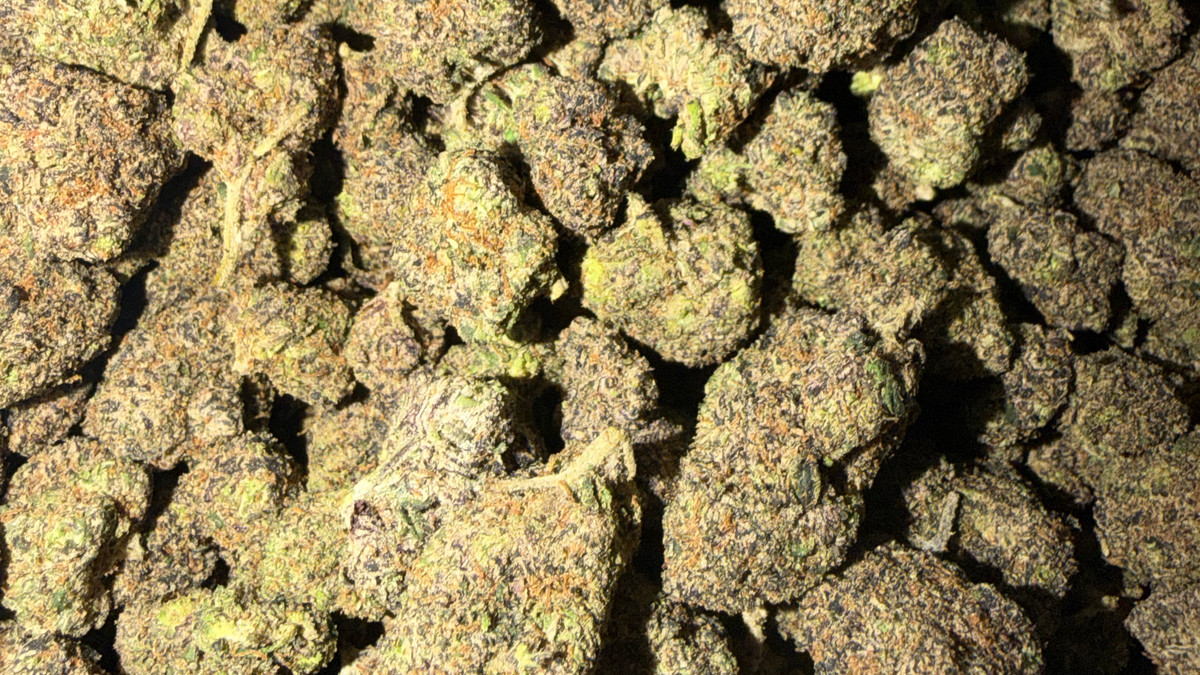
These comparisons use broad, commonly reported profiles rather than fixed rules. The actual experience can shift with the specific cut, producer, harvest, and product format.
Strain | Type | Flavor | Effect | Best for |
|---|---|---|---|---|
Blue Zushi | Balanced hybrid | Berry, candy, cream, fuel | Uplifting, relaxed, euphoric | Afternoon-to-evening flexibility |
Blueberry | Indica-leaning hybrid | Sweet berry, floral, earthy | Calm, mellow, potentially sleepy | Berry flavor seekers and quiet evenings |
Zkittlez | Indica-leaning hybrid | Fruit candy, tropical, grape | Happy, relaxed, soothing | Flavor-focused sessions |
Gelato | Balanced hybrid | Cream, fruit, sweet gas | Euphoric, social, physically relaxed | Hybrid fans who like dessert profiles |
Medical and wellness reports
Some consumers report using Blue Zushi as part of personal wellness routines involving relaxation, mood, appetite, or sleep. Those reports are subjective and do not establish that the strain treats, cures, or prevents any condition. Cannabis can have unwanted effects, interact with medications, and be inappropriate for some people.
Anyone considering cannabis for a health concern should speak with a licensed clinician who can review personal history, medications, age, pregnancy status, and other risks. Do not replace prescribed care with a strain recommendation. Medical-program patients should also follow their jurisdiction’s product and dosing guidance.
How to Grow Blue Zushi
Blue Zushi is commonly treated as a moderately demanding hybrid: rewarding when its canopy and humidity are managed, but not a set-it-and-forget-it plant. The numbers below are commonly reported ranges, not guarantees, because phenotype, environment, training, and harvest style can change the outcome.
Grow Guru AI’s approach is to prioritize airflow, even light coverage, and a conservative feeding plan before chasing maximum size. Dense flowers and humid Mid-Atlantic weather deserve special attention.
Here are practical planning ranges for an indoor or outdoor run.
Spec | Details |
|---|---|
Grow difficulty | Moderate |
Indoor flowering time | Approximately 8–10 weeks |
Outdoor harvest window | Late September to October in the Northern Hemisphere |
Yield potential | Indoor: commonly reported around 400–550 g/m²; outdoor: roughly 450–700 g per plant under favorable conditions |
Plant height and stretch | Medium height; commonly reported stretch of about 1.5–2 times after the flip |
Ideal climate | Warm, stable, dry-to-moderate humidity with strong air movement |
Mold and pest resistance | Moderate; dense flowers require preventative airflow and inspection |
Grow Difficulty
Moderate. Blue Zushi can be resilient through ordinary temperature swings and modest feeding mistakes, but its stretch, branch load, and potentially dense colas make planning important. It is better suited to an intermediate grower, though a first-time cultivator can manage it with a simple training plan, reliable environmental monitoring, and disciplined humidity control.
Do not assume “moderate” means trouble-free. Light stress, overfeeding, sudden nitrogen changes, or stagnant air can reduce quality. Experienced growers will have an easier time steering the canopy and protecting late-flower buds from rot.
Canopy, Training and Pruning
Vegetative growth is commonly moderate to vigorous, with medium node spacing and enough stretch after a 12/12 flip to justify early canopy planning. Topping and low-stress training can create a broader, more even plant, while a SCROG net helps distribute flowering sites and keep the stretch under control.
Use defoliation selectively rather than stripping the plant bare. Remove damaged or poorly placed growth, open blocked interior sites, and keep air moving through the flower zone. Branch support may become useful late in bloom, especially when resin-heavy colas gain weight.
Feeding, Climate and Environment
Blue Zushi is commonly described as a moderate feeder. Start conservatively, watch leaf color and growth rate, and avoid assuming that a dark-green plant needs more nitrogen. Cal-mag may be useful in some water and media setups, but the need depends on source water, nutrients, and substrate; it is not an automatic requirement.
A practical target is roughly 75–85°F in vegetative growth with relative humidity around 55%–70%, then about 68–80°F in flower with humidity closer to 45%–55%, reducing it further as dense flowers finish. Use steady exhaust, circulation above and below the canopy, and enough spacing to prevent wet pockets. In DC, Maryland, and Virginia outdoor gardens, hot, humid summer nights can encourage powdery mildew and bud rot, so inspect after storms, avoid wet foliage overnight, and choose a protected site with morning sun and dependable airflow.
Harvest Timing and Curing
Use trichomes, pistils, aroma, and overall plant maturity together. Clear trichomes generally indicate immaturity; mostly cloudy trichomes with a smaller amber portion are commonly chosen for a balanced, alert-to-relaxed effect, while more amber can correspond with a heavier presentation. These are visual guidelines, not guarantees, and a magnifier is more reliable than pistil color alone.
When the floral aroma is developed and sharp green notes have faded, harvest and dry slowly in darkness with controlled airflow. A commonly used drying target is about 60–65°F and 55%–60% relative humidity, followed by a cure in sealed containers opened periodically to release excess moisture. Protecting the flower from heat, light, and overly rapid drying helps preserve Blue Zushi’s fruit-and-fuel character.
Home Grow Rules in the DMV
As a plain-language educational summary, DC adults 21 and older may grow up to six plants, with no more than three mature, and a household may have up to 12 plants. Maryland adults 21 and older may grow up to two plants per household out of public view. Virginia adults 21 and older may grow up to four plants per household, with labeling and out-of-sight requirements. Check current law and local rules before planting; this is not legal advice.
Similar strains worth trying
If the appeal is Blue Zushi’s fruit-and-fuel balance, Blueberry is a natural comparison for deeper berry character, while Zkittlez leans toward bright candy fruit. Gelato can offer a related creamy, sweet-gas direction, and Sunset Sherbet may appeal to people who want a dessert profile with a relaxed hybrid feel.
Choose by the trait you actually want: terpene information for aroma, lab results for the batch, and a format that matches your experience level. A flower comparison will be more meaningful than comparing a Blue Zushi distillate cartridge with a fresh-frozen live resin product carrying a different cannabinoid concentration.
The Bud Lords Take
Our take: Blue Zushi is most interesting as a flavor-led hybrid rather than a name to chase blindly. The berry-candy opening and fuel finish can make it memorable, while the reported balance gives it more range than a strain known only for daytime energy or nighttime sedation. The strongest buying signal is a transparent producer with a recent, traceable COA and a terpene profile that matches what you enjoy.
For DMV readers, product access and rules depend on jurisdiction and program. DC operates under Initiative 71 gifting rules, which are distinct from a regulated retail market; do not assume a transaction or delivery arrangement is lawful simply because cannabis is present. Maryland and Virginia have their own possession, home-grow, medical, and retail frameworks, so verify current requirements before acting.
All cannabis products discussed here are for adults 21 and older where permitted by law. Keep products away from children and pets, avoid driving after use, and remember that a familiar strain name cannot replace batch-specific information. Blue Zushi is worth exploring when the actual product supports the promise with clear labeling, careful cultivation, and a profile that fits your evening.
Blue Zushi FAQ
Here is what most people ask about Blue Zushi in this area.
Is Blue Zushi indica or sativa?
It is commonly described as a balanced hybrid, sometimes with a slight indica lean. The classification is not standardized, and the specific batch may feel more energizing or more relaxing.
How strong is Blue Zushi?
Flower is commonly reported in roughly the 18%–26% THC range, but potency varies by batch and producer. Check the package and matching COA instead of relying on the strain name.
What does Blue Zushi taste like?
Commonly reported notes include berry, sweet candy, cream, pepper, and fuel. Curing and extraction method can significantly change how those notes come through.
Is Blue Zushi good for beginners?
It may be approachable in a lower-potency flower format, but every consumer responds differently. Start cautiously, avoid mixing substances, and do not drive or operate equipment after using cannabis.
Blue Zushi is not in the Bud Lords menu right now. Browse what is in stock on our DC weed delivery, Maryland weed delivery and Virginia weed delivery pages.
More strain guides: Super Boof, Glitter Bomb, Cereal Milk.
Frequently asked questions
Here is what most people ask about Blue Zushi in this area.
What Blue Zushi is?
Blue Zushi is commonly described as a balanced hybrid with a dessert-like fruit profile, noticeable gas, and effects that can move from an upbeat mental lift toward physical relaxation. The name is used across different menus and breeding projects, so the exact genetics and potency can vary by producer. Commonly reported flower results place Blue Zushi around the high-teens to mid-20s THC range, although a particular batch may test below or above that window.
How it compares?
These comparisons use broad, commonly reported profiles rather than fixed rules. The actual experience can shift with the specific cut, producer, harvest, and product format.
How to Grow Blue Zushi?
Blue Zushi is commonly treated as a moderately demanding hybrid: rewarding when its canopy and humidity are managed, but not a set-it-and-forget-it plant. The numbers below are commonly reported ranges, not guarantees, because phenotype, environment, training, and harvest style can change the outcome. Grow Guru AI’s approach is to prioritize airflow, even light coverage, and a conservative feeding plan before chasing maximum size.
Is Blue Zushi indica or sativa?
It is commonly described as a balanced hybrid, sometimes with a slight indica lean. The classification is not standardized, and the specific batch may feel more energizing or more relaxing.
How strong is Blue Zushi?
Flower is commonly reported in roughly the 18%–26% THC range, but potency varies by batch and producer. Check the package and matching COA instead of relying on the strain name.
What does Blue Zushi taste like?
Commonly reported notes include berry, sweet candy, cream, pepper, and fuel. Curing and extraction method can significantly change how those notes come through.
Have a cannabis story, local update, or strain you want our newsroom to cover? Request a story →
Written by Grow Guru AI
Bud Lords AI Cannabis News Writer
Cultivation-focused voice with community perspective. Covers growing tips, techniques, and cultivation industry news.
Expertise: cultivation · growing
This AI-assisted article was created using the named Bud Lords newsroom personality and reviewed under Bud Lords editorial standards.


Comments