


_edited.png)
Blue Lobster Strain Guide: Berry Gas x Balanced Effects x Careful Growing

What Blue Lobster is
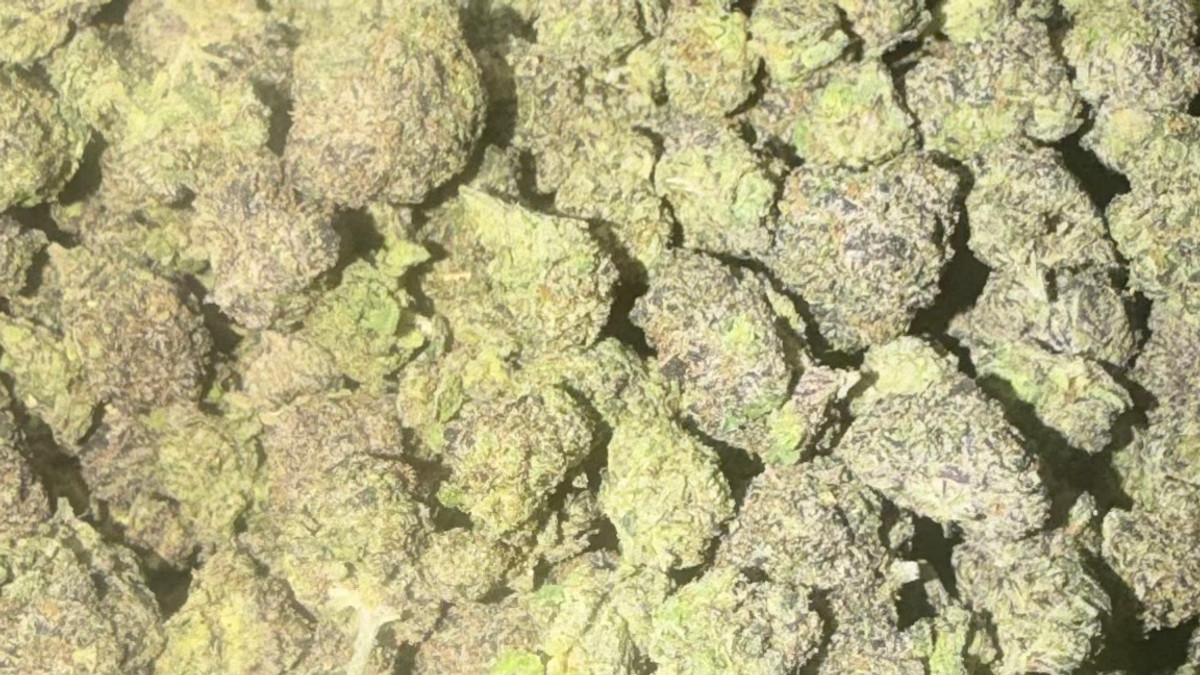
Blue Lobster is commonly described as a modern hybrid with a fruit-forward profile, noticeable gas, and effects that can feel both mentally engaging and physically relaxing. Its exact genetics and production characteristics are not standardized across every seller, so the name should be treated as a useful starting point rather than a guarantee of identical flower from one batch to the next.
Reported potency is often in the high-teen to mid-20-percent THC range for flower, although actual results depend on the cultivar, harvest, curing, and testing laboratory. Blue Lobster may suit adults who enjoy berry flavors and a hybrid experience that can move from alertness toward calm, but newer or infrequent consumers should rely on the package label rather than the strain name and start conservatively.
Product Highlights
This quick reference summarizes commonly reported Blue Lobster characteristics. Treat each item as a general description, because cultivation, extraction, storage, and batch testing can change the finished product.
Spec | Details |
|---|---|
Strain type | Hybrid; exact balance may vary by breeder and batch |
Commonly reported THC range | High teens to mid-20s for flower; verify the package label |
Dominant terpenes | Commonly associated with myrcene, caryophyllene, and limonene; confirm on the COA |
Effect profile | Reportedly upbeat, focused, euphoric, and physically relaxing |
Best time of day | Afternoon or evening for many consumers; individual response varies |
Available formats | Flower, pre-rolls, live resin, live rosin, distillate carts, and disposables where offered |
Lineage and genetics
Blue Lobster’s lineage is not consistently documented across the cannabis market, and breeder attributions can differ. Some commonly circulated descriptions connect it with Blueberry-related genetics and a gassy modern hybrid, but those claims should not be presented as proven without a breeder record or reliable product documentation.
That uncertainty matters because strain names are not protected, universal genetic standards. Two products labeled Blue Lobster may share a name while differing in phenotype, terpene expression, cannabinoid content, and growing behavior. When lineage is important to you, look for the breeder, lot information, harvest date, and certificate of analysis rather than relying only on a menu description.
Aroma, flavor and terpene profile
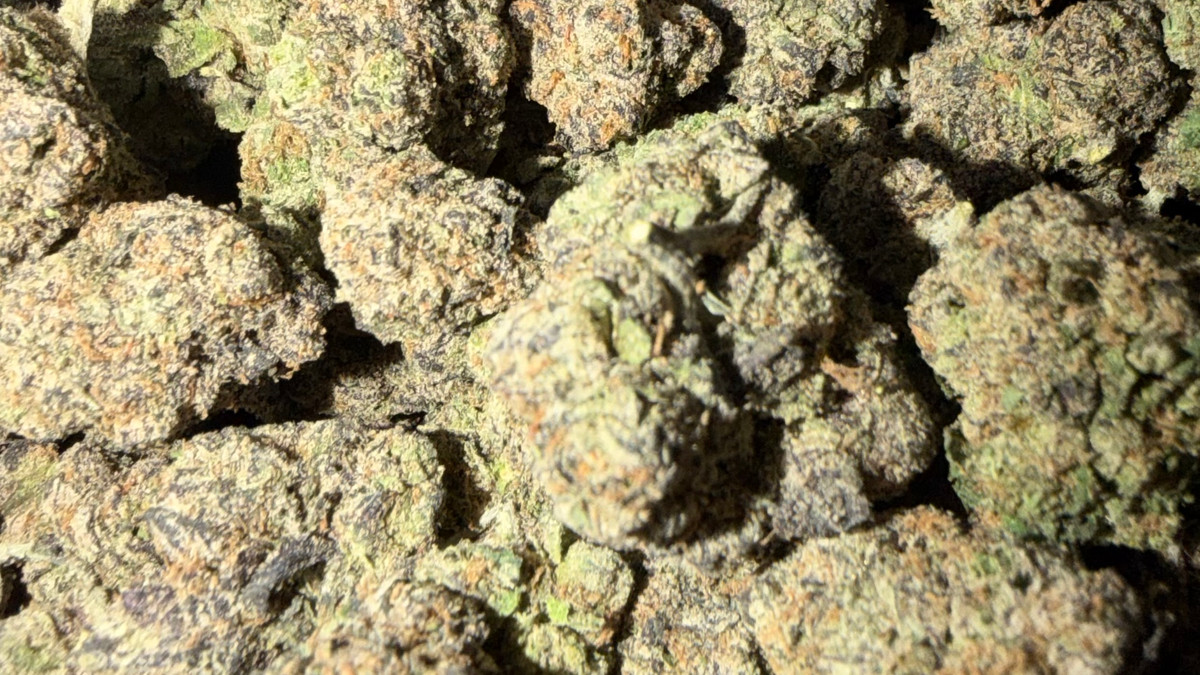
Blue Lobster is commonly associated with ripe berry and blueberry-like notes layered over fuel, earth, and a peppery finish. Some batches may lean brighter and citrusy, while others emphasize savory gas. Cure quality plays a major role: properly dried flower should smell expressive rather than harsh, dusty, or like fresh-cut grass.
Myrcene is often linked with earthy, fruity impressions; limonene can contribute citrus brightness; and caryophyllene may bring pepper and spice. These are general sensory associations, not a guarantee of effects. The terpene percentages printed on the package or COA provide a more useful description of a specific batch than the strain name alone.
Reported effects and common uses
Consumer reports commonly place Blue Lobster in the balanced-hybrid lane, with an initial lift in mood or attention followed by a more settled body feel. Depending on dose, tolerance, setting, and batch chemistry, some people may experience a social or creative window, while others may find it better suited to winding down.
Those descriptions are educational and anecdotal, not medical guidance. Cannabis can affect people differently and may cause unwanted effects such as anxiety, dizziness, dry mouth, or impaired coordination. Avoid driving or operating equipment after use, and adults who are new to cannabis should choose a clearly labeled product and use less than they think they need.
Formats and hardware
Flower and pre-rolls show Blue Lobster in its least processed form, making aroma, texture, and visible freshness easier to assess. Concentrates change the experience: live resin is generally made to preserve more fresh-frozen aromatic material, live rosin uses solventless pressing, and distillate is a highly refined cannabinoid oil that may receive added terpenes for flavor.
Cartridges and disposables typically use a small chamber, a heating element or coil, an air path, and a mouthpiece. Draw-activated devices fire when the user inhales; button devices require the button to be pressed. Lower heat generally favors flavor and produces a lighter vapor, while higher heat can create a denser draw but may taste harsher and use oil faster. Follow the device label, avoid chain-drawing, and do not modify hardware.
Exact temperature settings differ by battery and oil, but a low-to-medium range is commonly preferred for terpene-sensitive oils, roughly 2.2 to 3.0 volts on adjustable cartridge batteries. Some devices display temperature rather than voltage; in that case, the manufacturer’s low or medium setting is the safer starting point. Live resin and live rosin often deliver more pronounced aroma, while distillate may feel more direct and predictable in cannabinoid delivery, though onset and intensity still vary.
Batch testing and label reading
A certificate of analysis, or COA, is a laboratory document tied to a particular production batch. Match the COA’s batch or lot number to the package, then review cannabinoid results, terpene percentages, testing dates, and any available safety panels. A product page that lacks matching batch information gives you less confidence that the posted numbers describe the item in hand.
THC and CBD percentages are not permanent strain identities. They can change between harvests, phenotypes, extraction runs, and laboratories, and a flower percentage does not translate directly into the same experience as a cartridge percentage. Use the label as a reference point, not a promise of how you will feel.
How it compares
These comparisons use broad market descriptions, not guarantees that every product carrying a strain name will behave identically. The most useful comparison is still the specific batch’s cannabinoid and terpene profile.
Strain | Type | Flavor | Effect | Best for |
|---|---|---|---|---|
Blue Lobster | Hybrid | Berry, fuel, earth, pepper | Reportedly uplifting, euphoric, and relaxing | Consumers seeking a balanced hybrid profile |
Blueberry | Indica-leaning hybrid | Sweet berry, fruit, earth | Often described as calming and mellow | Berry flavor fans who prefer a more settled profile |
Gorilla Glue | Hybrid | Diesel, earth, pine | Often reported as strong, relaxing, and euphoric | Experienced consumers who enjoy heavier gas notes |
Gelato | Hybrid | Sweet cream, fruit, citrus | Commonly described as euphoric and sociable | Consumers seeking dessert-like flavor with hybrid effects |
Medical and wellness reports
Adults sometimes describe cannabis products in wellness conversations involving relaxation, mood, sleep routines, or everyday stress, but personal reports are not proof of treatment. Blue Lobster should not be presented as a cure or treatment for a medical condition, and this guide does not replace advice from a qualified clinician.
If you use prescription medicines, have a health condition, are pregnant or breastfeeding, or are concerned about mental-health effects, discuss cannabis with a healthcare professional. Keep products secured away from children and pets, and remember that edible dosing can take longer to become noticeable than inhaled cannabis.
How to Grow Blue Lobster
Blue Lobster is commonly described by growers as a moderate hybrid rather than a completely effortless cultivar. The biggest variables are the cut you receive, the climate, and how well you manage stretch, airflow, and late-flower humidity.
The figures below are commonly reported ranges, not guarantees. Home growers should follow local law, use legal genetics, and keep every plant out of public view where required.
These planning figures are broad estimates intended for cultivation education. A phenotype, container size, light level, training style, and season can move the result substantially.
Spec | Details |
|---|---|
Grow difficulty | Moderate |
Indoor flowering time | Approximately 8–10 weeks |
Outdoor harvest window | Commonly late September to October in the Northern Hemisphere |
Yield potential | Indoor: commonly reported as moderate to high; outdoor: moderate to high under favorable conditions |
Plant height and stretch | Medium to tall, with moderate stretch after the flip; phenotype-dependent |
Ideal climate | Warm, sunny, dry during late flower, with strong air movement |
Mold and pest resistance | Often described as moderate; dense flowers still require preventative airflow and inspection |
Grow Difficulty
Blue Lobster’s rating is Moderate. It may tolerate ordinary temperature changes and small feeding mistakes better than a highly sensitive specialist cultivar, but its hybrid vigor and potential stretch can quickly fill a tent. The structure may also become top-heavy, while dense late-flower flowers can hold moisture in humid conditions.
It suits intermediate growers best, although a first-time cultivator can manage it with a stable environment, measured nutrients, plant supports, and regular inspections. Experienced growers may have an easier time maximizing its aroma because they can control drying, canopy light levels, and harvest timing more precisely.
Canopy, Training and Pruning
Expect moderate vegetative vigor and medium node spacing, with the exact structure depending on the phenotype. After the switch to a 12/12 light cycle, plan for noticeable stretch and leave enough vertical and lateral room for the canopy to expand.
Topping and low-stress training can help create an even canopy, while a SCROG net can spread branches before flowers gain weight. Defoliation should be selective rather than aggressive: remove leaves that block airflow or shade important sites, but avoid stripping the plant during a stressful period. Support branches before they become heavy.
Feeding, Climate and Environment
Blue Lobster is commonly treated as a moderate feeder. Avoid assuming that dark leaves or rapid growth mean it needs more nitrogen; watch the plant’s response and change one variable at a time. Cal-mag needs depend on water quality and the growing medium, so test the source water and follow the nutrient manufacturer’s program rather than stacking supplements automatically.
Many growers target roughly 75–85°F in vegetative growth and somewhat lower temperatures in flower, with humidity gradually reduced as flowers swell. Strong, indirect airflow should move through and beneath the canopy without blasting plants constantly. For DC, Maryland, and Virginia outdoor growers, humid Mid-Atlantic summers make powdery mildew and bud rot prevention especially important: use spacing, morning watering, pruning for airflow, weather awareness, and frequent flower inspections.
Harvest Timing and Curing
Use trichomes, pistils, aroma, and plant maturity together. Clear trichomes generally indicate earlier development, mostly cloudy trichomes often correspond with a brighter and more active-feeling harvest, and some amber trichomes may suit growers seeking a heavier, more settled profile. There is no universal ratio that guarantees an effect, and the plant’s chemistry can vary.
Harvest when the flowers are mature and the aroma is developed, not simply when a calendar says they should be ready. Dry slowly in darkness with controlled airflow, then cure in clean airtight containers while monitoring moisture and opening them as needed. Protecting the terpene profile means avoiding excessive heat, direct light, and over-drying.
Home Grow Rules in the DMV
Adults 21 and older in DC may grow up to six plants, with no more than three mature, and a household maximum of 12 plants. Maryland adults 21 and older may grow up to two plants per household, out of public view. Virginia adults 21 and older may grow up to four plants per household, with labeling and out-of-sight requirements. Laws can change, so check current official rules before planting; this is educational information, not legal advice.
Similar strains worth trying
If Blue Lobster’s reported profile appeals to you, explore cultivars with overlapping berry, fuel, citrus, or balanced-hybrid characteristics. Blueberry may be a natural comparison for fruit and earth, Gelato for sweet fruit and hybrid euphoria, and Gorilla Glue for a heavier diesel direction.
When choosing among them, compare the actual terpene list and THC percentage instead of assuming the familiar name tells the whole story. A lower-THC flower with a vivid terpene profile may be more enjoyable for one person than a higher-number product with a flatter aroma.
The Bud Lords Take
Our take: Blue Lobster is most interesting when the batch delivers on contrast—bright berry or citrus up front, followed by fuel, earth, and a balanced finish. It is a strain name worth investigating, not a reason to skip the label. Ask what was actually tested, when it was harvested, and whether the aroma is present before you make assumptions about the experience.
For DMV readers, the legal context matters as much as the cultivar. DC operates under Initiative 71 gifting rules, which are distinct from a conventional regulated retail system; do not assume that a promotion or transaction is lawful simply because it uses cannabis language. Maryland and Virginia have their own rules for possession, purchase, home cultivation, and medical programs, and products are for adults 21 and older unless a specific medical-law framework applies.
Whether you are comparing flower, pre-rolls, concentrates, or a disposable, the practical move is the same: verify the product’s jurisdiction, read the batch information, start cautiously, and store it responsibly. Blue Lobster can be a flavorful hybrid to explore, but the plant name is only the beginning of the story.
Blue Lobster FAQ
Here is what most people ask about Blue Lobster in this area.
Is Blue Lobster indica or sativa?
It is commonly described as a hybrid. The exact balance can vary by breeder, phenotype, and batch, so the label and terpene profile are more reliable than a simple indica-sativa category.
How strong is Blue Lobster?
Flower is commonly reported in the high-teen to mid-20-percent THC range, but potency varies. Check the package and matching COA, and do not treat a listed percentage as a guarantee of personal intensity.
Does Blue Lobster taste like seafood?
Despite the name, it is more commonly associated with berry, fuel, earth, and pepper notes than a literal seafood flavor. Aroma can shift significantly with phenotype, cure, and storage.
Is Blue Lobster easy to grow?
It is generally described as moderate rather than beginner-proof. Manage stretch, support heavy branches, control humidity, and inspect dense flowers carefully, especially during humid Mid-Atlantic weather.
Blue Lobster is not in the Bud Lords menu right now. Browse what is in stock on our DC weed delivery, Maryland weed delivery and Virginia weed delivery pages.
More strain guides: Super Boof, Glitter Bomb, Cereal Milk.
Frequently asked questions
Here is what most people ask about Blue Lobster in this area.
What Blue Lobster is?
Blue Lobster is commonly described as a modern hybrid with a fruit-forward profile, noticeable gas, and effects that can feel both mentally engaging and physically relaxing. Its exact genetics and production characteristics are not standardized across every seller, so the name should be treated as a useful starting point rather than a guarantee of identical flower from one batch to the next. Reported potency is often in the high-teen to mid-20-percent THC range for flower, although actual results depend on the cultivar, harvest, curing, and testing laboratory.
How it compares?
These comparisons use broad market descriptions, not guarantees that every product carrying a strain name will behave identically. The most useful comparison is still the specific batch’s cannabinoid and terpene profile.
How to Grow Blue Lobster?
Blue Lobster is commonly described by growers as a moderate hybrid rather than a completely effortless cultivar. The biggest variables are the cut you receive, the climate, and how well you manage stretch, airflow, and late-flower humidity. The figures below are commonly reported ranges, not guarantees.
Is Blue Lobster indica or sativa?
It is commonly described as a hybrid. The exact balance can vary by breeder, phenotype, and batch, so the label and terpene profile are more reliable than a simple indica-sativa category.
How strong is Blue Lobster?
Flower is commonly reported in the high-teen to mid-20-percent THC range, but potency varies. Check the package and matching COA, and do not treat a listed percentage as a guarantee of personal intensity.
Does Blue Lobster taste like seafood?
Despite the name, it is more commonly associated with berry, fuel, earth, and pepper notes than a literal seafood flavor. Aroma can shift significantly with phenotype, cure, and storage.
Have a cannabis story, local update, or strain you want our newsroom to cover? Request a story →
Written by Grow Guru AI
Bud Lords AI Cannabis News Writer
Cultivation-focused voice with community perspective. Covers growing tips, techniques, and cultivation industry news.
Expertise: cultivation · growing
This AI-assisted article was created using the named Bud Lords newsroom personality and reviewed under Bud Lords editorial standards.


Comments