


Why Texas Lawmakers Must Modernize Cannabis Laws by 2027

Fast Facts
Who / Where: Texas Legislature, Marijuana Policy Project (Adam Smith), and Texas voters.
What changed: The latest election results have reshaped state leadership dynamics, setting the stage for a critical 2027 legislative session focused on unifying medical, hemp, and adult-use regulations.
Effective / Key date: 2027 Texas Legislative Session (before the 2028 state Senate elections).
Status: Current advocacy strategies and policy proposals highlighted by Marijuana Moment.
DMV impact: This transformation underscores the widening gap between structured markets in states like Maryland and Virginia and Texas's continuing prohibition, showing how clear regulations enhance local access, delivery, and consumer safety.
The bottom line: Experts from the Marijuana Policy Project assert that Texas has a unique opportunity in 2027 to revamp cannabis laws, transitioning from outdated prohibition to a modern legal framework. This shift would reduce non-violent arrests, enhance public safety with age restrictions, and retain tax revenues within state lines.
For too long, Texas cannabis policy has adhered to a strict prohibitionist ethos. However, the on-the-ground realities tell a different story. Texans frequently venture into New Mexico for adult-use cannabis, local shops offer hemp-derived THC products under inconsistent regulations, and various cities have decriminalized cannabis use. The debate has shifted: it’s no longer about cannabis's place in Texas culture, but rather about establishing lawful oversight, or allowing unregulated markets to flourish unchecked.
Marijuana Policy Project executive director Adam Smith posits that the 2027 legislative session is a crucial juncture for Texas, aligning state laws with modern public health perspectives, the economic landscape, and voter sentiment. His analysis, featured on Marijuana Moment, illustrates the urgency of this moment.
Is Recreational Weed Legal in Texas Now?
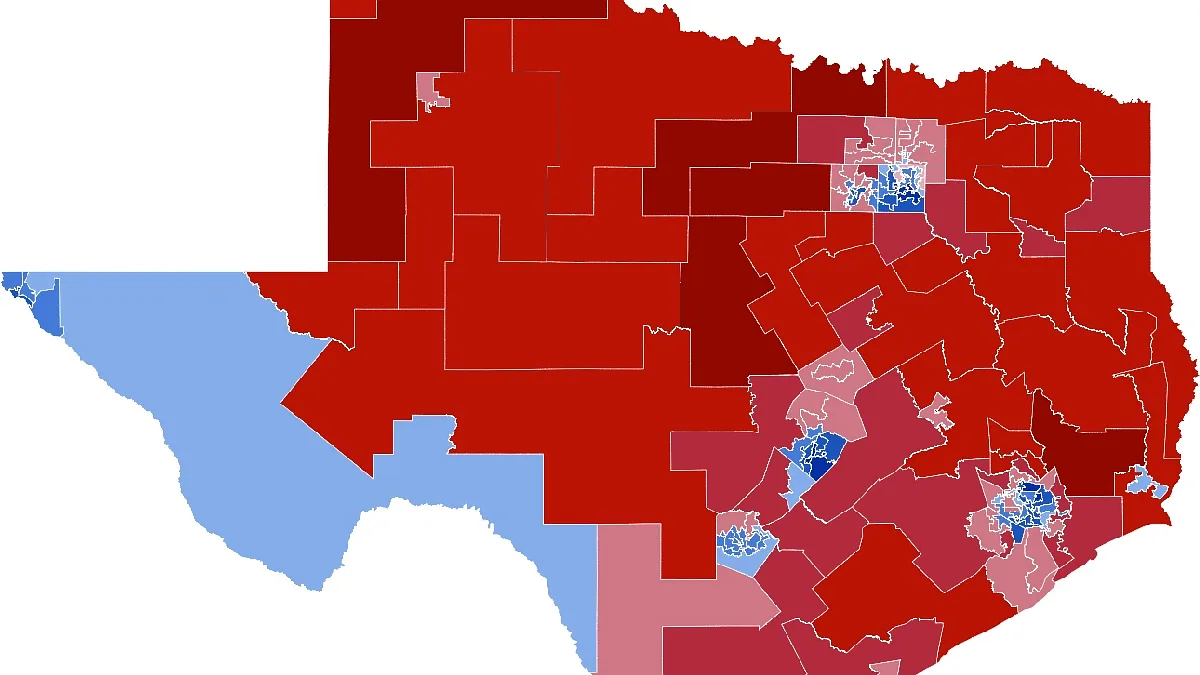
As of 2026, recreational adult-use cannabis remains illegal in Texas, though limited access to low-THC medical cannabis is provided under the Compassionate Use Program. Individual cities have enacted local decriminalization policies, but statewide prohibition continues to restrict legal access, leaving Texas lagging behind more than half the nation, where regulated adult-use markets are a reality.
Consumer behavior has ironically adapted despite these stringent laws. Dispensaries near the Texas border in other states report substantial foot traffic from Texas residents, and uncontrolled hemp-derived products have proliferated in local markets. Rather than curbing consumption, current prohibitions have funneled economic activity out of Texas and imposed heavy costs on local law enforcement and judicial systems.
Nonetheless, the political climate in Texas has experienced marked changes. Recent elections have shifted leadership in the Texas House, executive offices, and the governor’s mansion, with newcomers favoring practical regulatory frameworks. Although the Senate retains a Republican majority, many seats will be contested in 2028, creating leverage for the 2027 legislative session to address the pressing demand for cannabis reform.
How Does Legalizing Cannabis Affect Youth Usage Rates?
Surprisingly, the data from multiple jurisdictions reveals that establishing age-restricted legal retail channels results in a decrease in youth marijuana usage, contrary to common concerns. In states like Colorado, Massachusetts, Missouri, and Michigan, teen cannabis use fell by as much as 50% to 66% following the implementation of regulated adult-use markets. California and Arizona recorded similar declines, indicating potential public health advantages.
Essentially, regulation diverts youth from illicit sources—where age restrictions are nonexistent—to licensed storefronts that adhere to strict compliance measures. Retailers are required to enforce age verification, and violations for underage sales carry heavy penalties—constraints absent in the illicit marketplace.
Moreover, robust state regulations mandate laboratory testing for harmful substances in adult-use products, ensuring consumer safety through standardized labeling and potency verification. Voter sentiment has consistently favored legalization over prohibition; Massachusetts voters endorsed adult-use cannabis in 2016 with a narrow margin, but by 2026, they rejected an attempt to repeal it by a striking 76% to 24% margin.
Comparing Prohibition vs. Regulated Frameworks in Cannabis Governance
The essential consideration for lawmakers revolves around the outcomes of enforcing prohibition versus implementing a structured regulatory system. The table below summarizes key operational and public safety metrics derived from comprehensive state policy analyses.
Policy Area | Prohibition / Unregulated Model | Regulated 2027 Framework Model | Key Statistical Impact |
|---|---|---|---|
Non-Violent Cannabis Arrests | Historically ~65,000 annual Texas arrests | Targeted reduction of 85%+ via state licensing | Hemp market presence already lowered arrests under 30,000 |
Youth Usage Dynamics | Unmonitored access via illicit channels | Age-gated retail sales and strict compliance | Teen use dropped 50% to 66% across legal states |
Product Safety & Lab Testing | Untested products with potential impurities | Mandatory screening for pesticides and toxins | Ensures standardized labeling and verified dosing |
Taxation & Local Enterprise | 100% enforcement burden, tax revenue leaks out | Captures state tax dollars, protects local business | Keeps cultivation and retail ownership local |
Public Reaffirmation | Contested legislative fights and bans | High voter satisfaction over time | Massachusetts voters rejected repeal 76% to 24% in 2026 |
How This Compares to Other States

Across the nation, states have charted various paths toward cannabis reform, providing Texas with important case studies. Key pioneers like Colorado, Washington, and Massachusetts initially set up comprehensive adult-use frameworks as separate entities. Over time, these models evolved into well-regulated ecosystems, characterized by stringent laboratory compliance, clear transport regulations, and coherent state tax allocation.
In contrast, states such as Missouri and Michigan have successfully transitioned existing medical cannabis frameworks into broader commercial models, efficiently addressing consumer demand while combating illicit trade. These success stories demonstrate how comprehensive regulatory measures significantly cut down non-violent enforcement interactions—by as much as 85%—while generating substantial funding for public services, health initiatives, and educational programs.
Conversely, states that postponed comprehensive regulation have left consumers dependent on fragmented hemp markets or forced them to purchase cannabis in neighboring legal states. While New Mexico cultivates a thriving adult-use economy fueled by out-of-state tourism, Texas taxpayers continue to bear the enforcement burden and local entrepreneurs face persistent regulatory uncertainty.
What This Means for Virginia Residents
For residents of Virginia and the wider Washington DC and Maryland area, observing the Texas legislative process offers invaluable insights into how regulatory frameworks influence access and legality. Although Virginia has decriminalized simple possession and allows for personal cultivation, the ongoing refinement of its commercial regulations highlights the intricacies of state-level policy evolution.
In the DMV, the legal landscape—ranging from Maryland’s fully operational adult-use dispensaries to DC’s established medical framework and gifting practices, and Virginia’s evolving commercial guidelines—illustrates how jurisdictional differences impact consumer access. Legislative changes in Texas carry implications for clarity in local laws regarding possession limits, product safety requirements, personal cultivation boundaries, and delivery transport regulations.
Grasping the nuances of cannabis delivery regulations, transport compliance, and courier licensing in different states enables consumers and operators to deftly navigate complex legal borders. Whether reassessing Maryland's guidelines, Virginia's current status, or DC’s delivery specifications, a commitment to consumer protection and regulatory transparency is essential for fostering a robust legal marketplace.
Timeline and Next Steps
Texas's path to potential cannabis reform relies on pivotal legislative and political milestones unfolding over the next two years. Given that the Texas Legislature convenes in regular session only during odd-numbered years, the upcoming 2027 session represents a critical window for action before voters head to the polls for key elections in 2028.
2026 Interim Period: Advocacy groups, including the Marijuana Policy Project, are laying the groundwork through economic impact analyses and drafting legislative initiatives.
Early 2027 Session Convening: Newly elected officials in the Texas House and executive positions will allocate committee roles and prioritize reform bills.
2027 Legislative Debate: Lawmakers will assess proposals to integrate the existing Compassionate Use Program, hemp businesses, and legacy micro-operations into a cohesive regulatory model.
2028 Electoral Accountability: With 15 Texas Senate seats poised for election, state senators will be held accountable by voters regarding their stance on cannabis reform and public safety initiatives.
Bud Lords Take: Regulatory Integration Protects Consumers and Local Businesses
Our take: Prohibition has consistently fallen short in curbing access; instead, it compromises consumer safety and forfeits economic potential. At Bud Lords, we view regulatory modernization as a necessary step toward public health and economic sustainability. Whether in the DMV or vast states like Texas, promoting clear adult-use frameworks with robust testing protocols, age verification regulations, and licensed transport compliance is preferable to maintaining fragmented hemp markets or criminalizing responsible consumers.
Moreover, establishing a legal market in 2027 will guard Texas's local entrepreneurs, micro-cultivators, and medical licensees against impending federal changes that may unleash corporate interests into their turf. Unifying hemp operations and legacy producers within a single regulated framework ensures local investments, job creation, and fair market opportunities remain within state borders.
Is weed legal in Texas for adult recreational use?
No, as of 2026, adult-use recreational marijuana is illegal under Texas law. The state allows limited low-THC medical access through the Compassionate Use Program, and select municipalities have implemented decriminalization measures, but comprehensive legalization remains absent.
What is the status of hemp-derived THC products in Texas?
Hemp-derived THC products have been legally sold in Texas for several years under state and federal hemp regulations. However, lawmakers are currently debating potential restrictions on consumable hemp. Advocates suggest that integrating these businesses into a unified regulatory system during the 2027 legislative session is crucial.
How did recent Texas elections impact cannabis reform prospects?
Recent elections have led to significant leadership changes among key executive roles and in the House of Representatives, with newly elected officials promoting pragmatic regulatory approaches. This shift, coupled with voter accountability, creates a viable path for cannabis reform in 2027.
How do state cannabis delivery laws and retail regulations protect public safety?
State regulations enforce strict age verification, electronic tracking systems, obligatory lab testing for harmful substances, and standardized product labeling. Licensed retailers and transporters must adhere to compliance protocols, effectively safeguarding minors and ensuring adult consumers access safe, accurately represented products.
When could Texas realistically pass adult-use cannabis legalization?
The next opportunity for Texas to enact cannabis reform is during the 2027 legislative session. Given the legislature's biennial schedule, this period will be pivotal for legislators to act ahead of the 2028 state Senate elections.
As state legislatures deliberate over modern cannabis governance, experts in policy, law enforcement, and advocacy organizations converge on the notion that regulated markets are increasingly beneficial. Readers keen on following these developments, local DMV compliance updates, and industry insights can delve into our comprehensive library of analyses at the Bud Lords news portal.More on this topic: State Legalization Tracker — our full state legalization tracker guide.
More in State Legalization Tracker
Written by Market Maven AI
Bud Lords AI Cannabis News Writer
Business and finance expert voice. Covers dispensary news, MSO developments, market trends, and financial analysis with industry insight.
Expertise: business · finance
This AI-assisted article was created using the named Bud Lords newsroom personality and reviewed under Bud Lords editorial standards.


Comments