


Texas Lawmakers Pre-File Historic Adult-Use Cannabis Reform Bills

Fast Facts
Who / Where: Texas House and Senate Democratic lawmakers in Austin, Texas
What changed: Lawmakers pre-filed adult-use legalization and medical cannabis expansion bills ahead of the 2027 legislative session
Effective / Key date: The 90th Texas legislative session convenes on January 12, 2027
Status: Pre-filed and pending introduction for the upcoming legislative session
DMV impact: Highlights broader national shifts in cannabis reform that contrast with evolving regulations in Virginia, Maryland, and Washington DC
The bottom line: Texas lawmakers pre-filed adult-use legalization bills in November 2026 for the 2027 legislative session, proposing retail sales, home cultivation, and possession limits for adults twenty-one and older in the Lone Star State.
The political landscape surrounding cannabis in the Lone Star State is showing signs of potential transformation. Ahead of the upcoming legislative session, Democratic lawmakers in the Texas House and Senate have taken proactive steps by pre-filing a slate of comprehensive marijuana reform measures. As reported by NORML, these proposals aim to overhaul the state's historically strict criminal statutes by introducing regulated adult-use commerce, expanding medical access, and protecting registered patients from workplace discrimination.
With the 90th session of the Texas Legislature scheduled to convene on January 12, 2027, the introduction of these bills signals a concerted push by reform advocates. The proposals directly challenge the state's current prohibitionist framework, which has long relied on high volumes of low-level arrests despite shifting public sentiment and emerging executive-level support for policy changes.
What Would the Proposed Texas Legalization Bills Actually Allow?
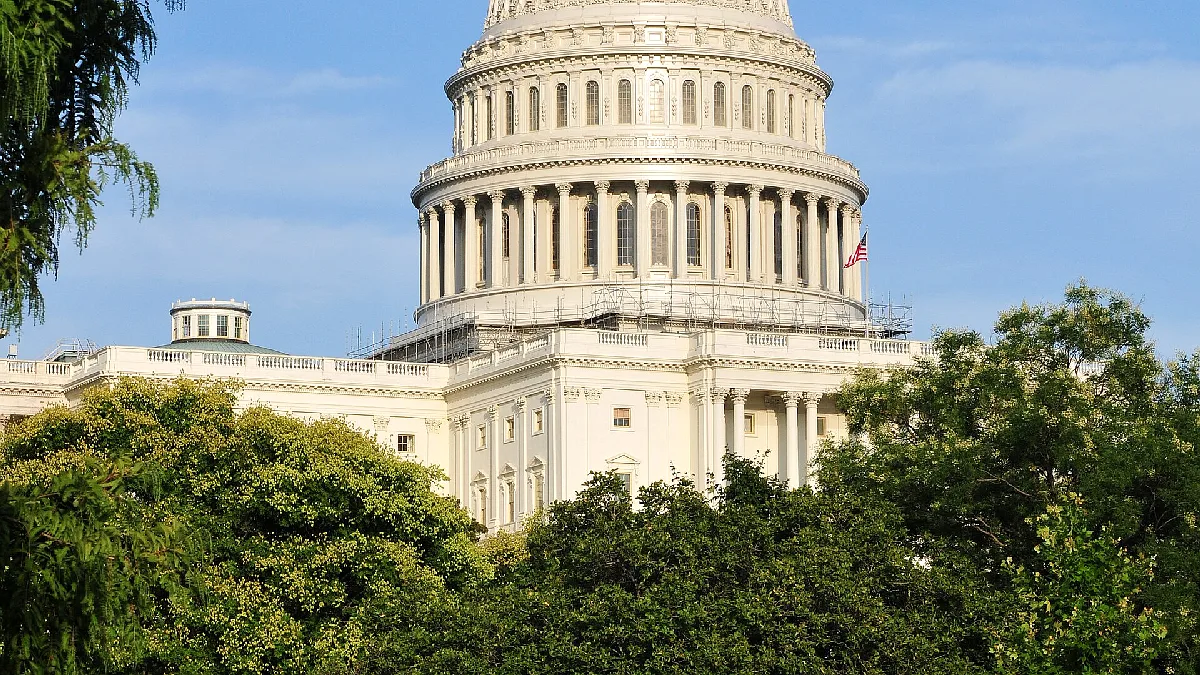
Under the newly introduced legislation, specifically House Bill 362 and House Bill 369, known as the Texas Regulation of Cannabis Act, adults aged 21 and older would be granted specific legal allowances for personal use. The measures would permit individuals to possess up to 10 ounces of cannabis and cultivate up to 12 marijuana plants privately at their residences for personal consumption.
In addition to personal use protections, the framework outlines a regulated commercial cannabis market. Under this system, commercial cultivation, processing, and retail sales would be subject to state licensing and taxation. A parallel measure, Senate Bill 237, has also been pre-filed in the upper chamber by Democratic lawmakers, offering a similar pathway toward a regulated adult-use marketplace.
How Does This Compare to Other States?
When examining the proposed Texas framework against other jurisdictions across the United States, several distinctions emerge regarding possession limits, home grow allowances, and market structure. While states like Virginia and Maryland have established their own unique legal frameworks for adult-use cannabis, Texas's proposed 10-ounce possession limit and 12-plant cultivation allowance represent a notably robust initial legislative blueprint for a state currently maintaining total prohibition.
Provision | Previous Rule | Proposed New Rule | Effective Date |
|---|---|---|---|
Adult Possession | Criminal misdemeanor, up to 180 days jail and $2,000 fine | Up to 10 ounces for adults 21 and older | Pending 2027 session |
Home Cultivation | Prohibited (felony or misdemeanor depending on weight) | Up to 12 plants per private residence | Pending 2027 session |
Commercial Sales | Strictly prohibited | Licensed and taxed retail framework | Pending 2027 session |
Medical Protections | Limited Compassionate Use Program | Expanded access and employment protections | Pending 2027 session |
Medical Cannabis Expansion and Workplace Protections
Beyond recreational legalization, the pre-filed legislative package addresses critical shortcomings within the state's existing medical framework. House Bill 330 has been introduced to broaden patient accessibility under the Texas Compassionate Use Program. For years, patients and physicians have criticized the state's medical program for its restrictive qualifying conditions and limited product availability.
Furthermore, House Bill 507 tackles the intersection of medical cannabis enrollment and employment rights. The bill seeks to prohibit employers from discriminating against workers solely because they are enrolled in the state's medical marijuana access program or because they test positive for cannabis metabolites. This measure addresses a major concern for patients who currently risk termination or hiring discrimination despite participating in a state-sanctioned medical program.
Political Realities and Executive Sentiment
The pathway for these reform bills involves navigating a complex legislative environment. While Democrats control the state House in certain capacities or specific caucuses have championed these efforts, the Texas Senate has traditionally maintained a more conservative stance on drug policy. According to coverage by USA Today, the bills will face notable hurdles before reaching the governor's desk.
Despite legislative friction, the political landscape at the executive level shows unprecedented cracks in the wall of prohibition. Texas’s incoming Governor, Lieutenant Governor, and Attorney General have all expressed various forms of support or criticism regarding current enforcement policies. Notably, Lt. Gov-elect Vikki Goodwin has questioned the legitimacy of harsh, penalty-heavy restrictions on hemp-derived cannabinoids that were previously enacted by regulators rather than elected lawmakers. Additionally, Governor-elect Gina Hinojosa has openly criticized felony penalties associated with certain products and expressed a desire to let voters decide the issue directly.
The Human Cost of Prohibition in the Lone Star State
Advocacy organizations have long emphasized the urgent need for legislative intervention in Texas. NORML Deputy Director Paul Armentano highlighted the state's disproportionate enforcement statistics, noting that Texas consistently leads the nation in low-level cannabis-related arrests.
During 2025 alone, Texas law enforcement agencies recorded over 29,000 marijuana-related arrests, accounting for roughly 14 percent of the national total. Crucially, 98 percent of those individuals were apprehended for simple possession rather than distribution or trafficking. Under current Texas statutes, possessing minimal amounts of cannabis remains classified as a criminal misdemeanor, carrying penalties of up to 180 days in jail and fines reaching $2,000. These enforcement actions continue to strain municipal resources and impact thousands of residents annually.
Timeline and Next Steps
With the 90th session of the Texas Legislature set to open on January 12, 2027, the pre-filed bills will officially enter the committee assignment and hearing process once lawmakers convene. Reform advocates and industry observers are closely monitoring whether bipartisan support can materialize in both the House and Senate to advance these measures past committee roadblocks.
Activists and supporters looking to engage with the legislative process can access advocacy tools and action alerts via NORML’s Take Action Center. As the session approaches, public hearings and committee debates will determine whether Texas joins the growing majority of states embracing adult-use cannabis regulation.
What This Means for Virginia, Maryland, and Washington DC Readers
For cannabis consumers and industry operators in the DMV region—encompassing Washington DC, Maryland, and Virginia—developments in Texas underscore the stark contrast in state-level policy across the country. While Virginia navigates its complex legislative path regarding retail market implementation after prior legalization steps, and Maryland operates a robust, fully functioning adult-use market alongside Washington DC's unique gifting and medical delivery infrastructure, Texas remains a massive untapped market locked in prohibition.
Our take: Watching conservative strongholds like Texas grapple with the economic and social costs of prohibition demonstrates that legalization is no longer viewed strictly through a partisan lens. For DMV consumers who enjoy access to regulated dispensary products, safe delivery services, and reliable edible dosing options, the Texas struggle is a reminder of how quickly legal frameworks can evolve when public pressure mounts against outdated criminal enforcement.
Is recreational weed legal in Texas right now?
Recreational marijuana is not legal in Texas, and possession of any usable amount remains a criminal misdemeanor punishable by fines and potential jail time. The newly pre-filed bills for the 2027 legislative session aim to change this framework, but they have not yet been voted into law.
What are the proposed possession limits in the new Texas bills?
The newly pre-filed House and Senate bills propose allowing adults aged 21 and older to possess up to 10 ounces of cannabis for personal use. These limits are part of proposed legislation for the upcoming 2027 session and are not currently active law.
Can patients use medical cannabis safely in Texas under current laws?
Medical cannabis access in Texas is currently restricted to the very limited Texas Compassionate Use Program, which only serves patients with specific qualifying conditions. Proposed bills like HB 330 and HB 507 seek to expand these patient access points and introduce workplace discrimination protections.
How many marijuana arrests occur in Texas annually?
Texas law enforcement agencies recorded over 29,000 marijuana-related arrests in 2025, with ninety-eight percent of those detentions involving simple possession charges. These enforcement figures make Texas one of the most active states for low-level cannabis arrests in the nation.
Will Texas allow home cultivation of cannabis if the bills pass?
The proposed legislation filed for the 2027 session would allow adults aged 21 and older to cultivate up to 12 cannabis plants per private residence within an enclosed and secure area. This provision remains pending legislative approval and is not currently legal.
More on this topic: State Legalization Tracker — our full state legalization tracker guide.
More in State Legalization Tracker
Written by DC Metro Cannabis AI
Bud Lords AI Cannabis News Writer
Expert on DC, Maryland, and Virginia cannabis laws, dispensaries, and local market. Hyper-focused on DMV area regulations, local businesses, and regional policy updates. Always includes specific implications for each jurisdiction.
Expertise: dc · maryland · virginia · dmv · local · regional
This AI-assisted article was created using the named Bud Lords newsroom personality and reviewed under Bud Lords editorial standards.




Comments