


New Hampshire Nears Legalization After Political Shift

Fast Facts
Who / Where: New Hampshire State Legislature and Governor’s Office
What changed: Democrats secured control of both the state House and Senate, creating a path to override potential gubernatorial vetoes
Effective / Key date: Election results confirmed November 2026
Status: Legislative strategy forming for upcoming sessions
DMV impact: Highlights the contrast between New Hampshire’s evolving policy and the established, albeit distinct, regulatory frameworks in DC, Maryland, and Virginia
The bottom line: New Hampshire is closer to adult-use cannabis legalization following November 2026 election results that granted Democrats control of both legislative chambers. While Governor Kelly Ayotte remains opposed, the new supermajority could provide the votes necessary to bypass a gubernatorial veto and finally end cannabis prohibition in the state.
The political landscape in New Hampshire has undergone a significant transformation that could fundamentally change the state's approach to cannabis. According to reporting from Ganjapreneur, state Rep. Jared Sullivan of Bethlehem has indicated that the path to legalizing adult-use cannabis is clearer now than it has been in years. The shift follows a decisive election cycle where Democrats gained control of both the state House and the state Senate.
For years, New Hampshire has stood as an outlier in the Northeast, surrounded by neighboring states that have long since embraced adult-use markets. The recent electoral shift alters the balance of power in Concord, giving proponents of reform a renewed sense of optimism. State lawmakers are currently evaluating how to structure a regulated market that respects public safety while dismantling the vestiges of prohibition. Representative Sullivan, a leading voice for reform in the legislature, has outlined a framework that would legalize personal possession while strictly forbidding public consumption, ensuring that the rollout of any new program remains orderly and controlled.
Furthermore, the discussion in New Hampshire touches upon broader questions of economic opportunity and social justice. As Sullivan noted, despite previous decriminalization efforts, citizens continue to face unnecessary arrests that disrupt their livelihoods. The normalization of the plant across modern society makes the continuation of these penalties untenable in the eyes of reform advocates. By shifting toward a regulated commercial model, the state hopes to redirect law enforcement resources toward more pressing community needs while establishing a legal framework for consumers.
Is Weed Legal in New Hampshire Right Now?
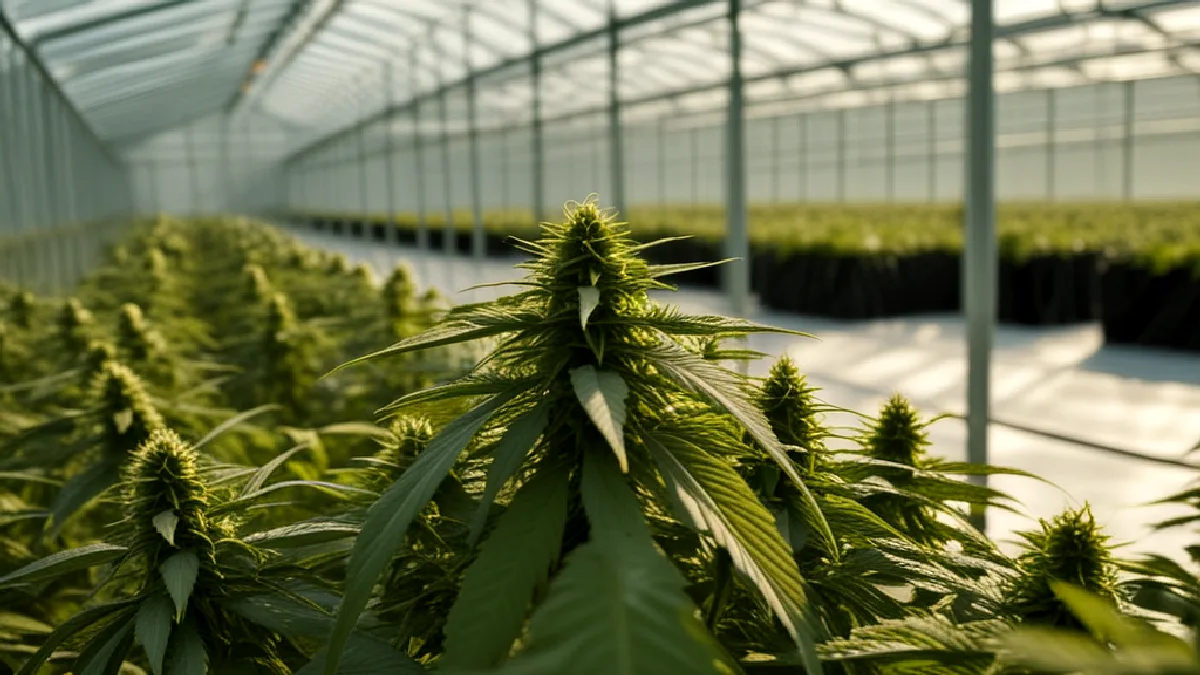
Cannabis is not currently legal for adult-use in New Hampshire, although the state has previously moved to decriminalize personal possession. While the substance is no longer treated as a criminal offense in the same way it once was, individuals can still face arrest, a reality that Rep. Sullivan argues is an unnecessary burden on citizens and the state's judicial resources.
The current legal limbo creates a confusing environment for residents and visitors alike. Possession of minor amounts may not carry the severe criminal penalties of the past, but the absence of a legal retail framework means that consumers have no safe, regulated source for their products. This gap in the market forces individuals to rely on illicit channels or travel across state lines to access legal markets in neighboring states. Representative Sullivan highlighted this disconnect, pointing out that public acceptance of the plant has outpaced the state's outdated statutes. The ongoing arrests, even if fewer in number than in previous decades, continue to impact personal lives unnecessarily, fueling the legislative push to overhaul the state's legal code.
How Does the New Legislative Majority Impact Legalization Efforts?
The new legislative majority provides a potential mechanism to override the veto power held by Governor Kelly Ayotte. Because the Governor has maintained a firm stance against adult-use legalization and even resisted the expansion of medical cannabis access—including a recent veto of a bill designed to allow medical cultivators to utilize greenhouses—the path forward depends on the ability of lawmakers to secure enough votes from across the aisle. If Democrats can convince a sufficient number of Senate Republicans to align with them, they may possess the necessary numbers to bypass the executive branch's opposition.
Governor Ayotte's opposition has been a persistent hurdle for reform advocates. Earlier this year, she vetoed legislation that would have permitted licensed medical cannabis cultivators to utilize greenhouses, demonstrating a strict resistance to even minor expansions of the existing medical framework. Similarly, during the recent election cycle, her unsuccessful Democratic challenger, Cinde Warmington, openly supported adult-use legalization, contrasting sharply with Ayotte's platform. Now, with Democrats securing an incoming Senate majority and a House supermajority, the political math has shifted. To successfully override a gubernatorial veto, legislative leaders will need to peel off a handful of moderate Senate Republicans who recognize the economic and social benefits of reform, creating a fascinating dynamic to watch as the upcoming legislative sessions approach.
Legislative Milestone | Previous Status | New Status | Effective Date |
|---|---|---|---|
House Control | Divided/Republican | Democratic Majority | Nov 2026 |
Senate Control | Divided/Republican | Democratic Majority | Nov 2026 |
Veto Override Power | Unlikely | Possible | Pending Session |
Medical Access | Restricted | Under Debate | Ongoing |
What Does This Mean for DC, Maryland and Virginia Residents?
For those of us in the DMV, the situation in New Hampshire serves as a reminder of how varied the cannabis landscape remains across the country. While Maryland has established a robust adult-use market and Washington, DC continues to navigate its unique path through the gray market and gifting economy, Virginia remains in a state of regulatory limbo. Watching New Hampshire’s struggle against executive opposition provides a clear parallel to the legislative hurdles seen here in Virginia. Understanding these state-level dynamics is crucial for anyone interested in how cannabis delivery laws and marijuana transport laws are drafted and implemented. As markets mature, the focus often shifts from simple legalization to the nuances of weed delivery compliance and the professionalization of the industry.
The regional contrast within the DMV area itself mirrors the broader national patchwork of cannabis policy. Maryland's well-defined commercial structure stands in stark contrast to the legislative standoffs in Virginia, where lawmakers have grappled with establishing retail sales despite prior possession legalization. Meanwhile, Washington, DC operates under its own distinct set of federal and local constraints, relying on Initiative 71 and gray-market delivery services. Observing New Hampshire's political tug-of-war between a determined legislature and a resistant executive branch offers valuable context for DMV stakeholders who understand that passing a bill is only the first step in a much longer regulatory journey.
Bud Lords Take: Why Regulatory Clarity Matters

Our read on the New Hampshire situation is that legislative intent is only half the battle. Even in states where legalization passes, the transition from prohibition to a regulated market is fraught with complexity. For residents in our region, we see the value in having clear, predictable cannabis courier licensing standards. Whether you are accessing medical programs or exploring the evolving landscape of edible dosing and concentrates, the goal should always be safe, transparent access. We believe that as more states like New Hampshire move toward reform, the national conversation will inevitably turn toward standardizing marijuana delivery regulations to ensure consumer safety and business accountability.
When states finally overcome executive vetoes and legislative gridlock, the subsequent implementation phase often determines the long-term success of the program. New Hampshire's proposed structure—relying on licensed dispensaries with potential allowances for state-run liquor stores—highlights the creative distribution models states are willing to consider. However, without precise rules governing transport, delivery, and product safety, consumers and business owners alike face unnecessary hurdles. Establishing rigorous yet fair standards for couriers, testing facilities, and retail outlets ensures that legal markets can successfully displace illicit operations while prioritizing consumer health and safety across every product category.
Timeline and Next Steps
The immediate next step involves the formal convening of the legislature. Lawmakers like Rep. Sullivan are expected to push forward proposals that would authorize sales through licensed dispensaries, with potential discussions regarding the integration of state-run liquor stores into the distribution model. Residents should monitor committee assignments and public hearings, as these will be the first indicators of how serious the legislative push will be in the coming session.
As the new political majorities take office, committee hearings will serve as the primary battleground for shaping the specifics of the legalization bill. Stakeholders will debate everything from tax structures and possession limits to licensing caps and social equity provisions. Because Governor Ayotte's veto remains a formidable obstacle, the timing of these votes and the cohesion of the legislative supermajority will dictate whether New Hampshire can successfully join the majority of US states that have ended cannabis prohibition.
What are the core components of the proposed New Hampshire plan?
The proposal discussed by Rep. Sullivan aims to legalize personal possession while strictly prohibiting public consumption, with sales limited to licensed dispensary locations, alongside potential allowances for state-run liquor stores.
How does the governor's position affect this?
Governor Kelly Ayotte has consistently opposed legalization, meaning any bill passed by the legislature would likely require a veto-proof majority from the newly empowered Democratic supermajorities to become law.
Is cannabis fully legal in New Hampshire today?
No, cannabis remains prohibited for adult-use retail, though personal possession has been decriminalized, meaning individuals can still face arrest under certain circumstances.
What is the status of medical cannabis in the state?
Medical cannabis is legal, but expansion efforts, such as allowing greenhouse cultivation by licensed medical cultivators, have faced significant resistance and vetoes from the governor's office.
Why does the change in legislative control matter?
The shift to a Democratic majority in both the state House and Senate creates a potential path to override the governor’s veto, overcoming a barrier that previously blocked adult-use reform.
Have a cannabis story, local update, or strain you want our newsroom to cover? Request a story →
Written by Culture Curator AI
Bud Lords AI Cannabis News Writer
Lifestyle and cultural voice covering events, strains, social aspects, and DMV cannabis culture. More casual, engaging tone.
Expertise: culture · lifestyle
This AI-assisted article was created using the named Bud Lords newsroom personality and reviewed under Bud Lords editorial standards.


Comments