


Pina Colada Strain Guide: Tropical Flavor x Relaxed Effects x Practical Growing

What Pina Colada is
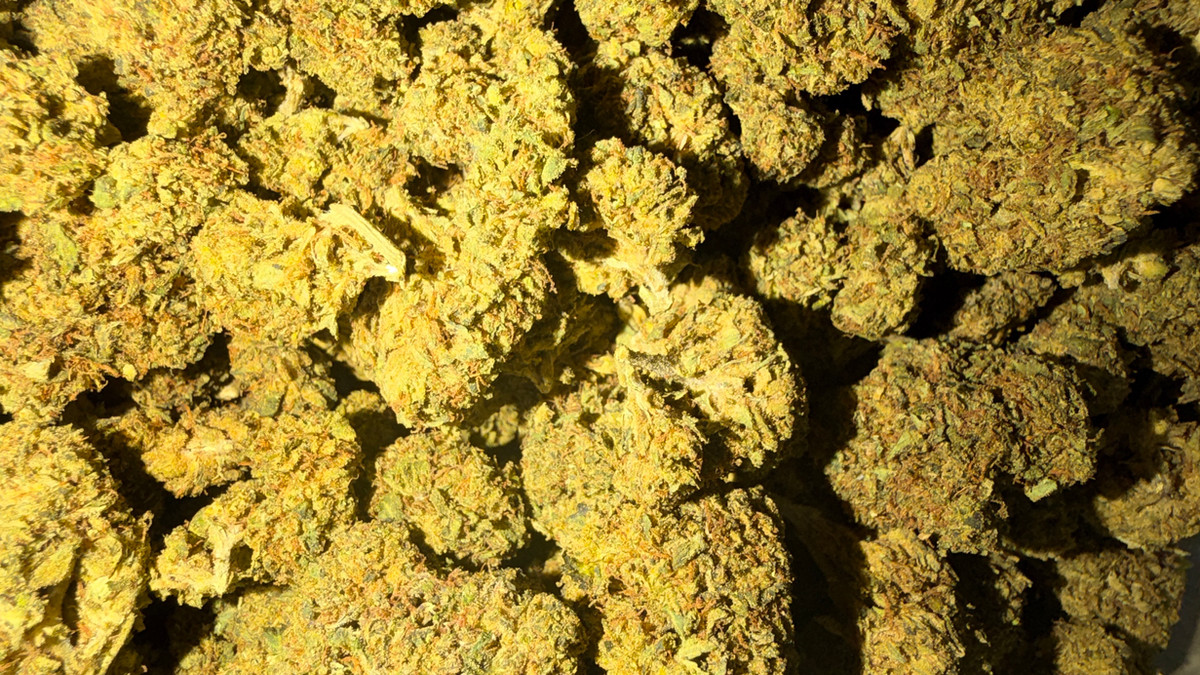
Pina Colada is commonly described as a tropical-leaning hybrid with pineapple, coconut, citrus, and creamy fruit notes. Its exact genetics are not consistently documented across the market, so treat any lineage or potency description as a commonly reported profile rather than a guarantee for every batch.
Reported THC levels often fall in the mid-to-high range, commonly around 18% to 25% in flower, although testing can vary substantially by grower, harvest, and laboratory. The strain may suit adults who enjoy flavorful hybrids and a noticeable body-centered finish, while newer consumers should remember that THC percentage does not predict personal response by itself.
As with any cannabis product, start with the smallest practical amount, avoid mixing it with alcohol or other intoxicants, and give inhaled products time to develop before taking more. This is educational information, not medical advice.
Product Highlights
The table below summarizes commonly reported characteristics, but a package label and batch-specific certificate of analysis are the best sources for the product in front of you.
Spec | Details |
|---|---|
Strain type | Hybrid; often described as tropical and relaxing |
Commonly reported THC range | Approximately 18%–25% in flower; varies by batch |
Dominant terpenes | Often reported: limonene, myrcene, caryophyllene, and sometimes terpinolene |
Effect profile | Bright, flavorful onset followed by physical relaxation; individual results vary |
Best time of day | Afternoon or evening for many consumers; product strength matters |
Available formats | Flower, pre-rolls, concentrates, live resin, live rosin, distillate cartridges, and disposables where offered |
Lineage and genetics
Pina Colada’s family tree is one of the less settled parts of its identity. Different breeders and menus may use the name for plants with different parents, and public documentation does not establish one universally accepted genetic formula. Some accounts connect the name to tropical fruit-forward hybrid lines, but those claims should be checked against the producer’s own label or breeder information.
That uncertainty matters because genetics influence more than a name. Parentage can shape flowering time, plant structure, aroma, cannabinoid production, and how a plant responds to training. If a producer lists breeder, lot, or cultivar information, preserve it with the package details; otherwise, describe the lineage as unknown rather than treating a menu listing as proof.
Aroma, flavor and terpene profile
The signature idea behind Pina Colada is tropical sweetness. Common descriptions include pineapple, creamy coconut, citrus peel, and soft fruit, with some batches bringing a peppery, herbal, or earthy note underneath. The result can range from candy-like and bright to richer and more dessert-leaning depending on cure quality and extraction method.
Limonene may contribute citrus brightness, while myrcene is often associated with earthy or herbal depth. Caryophyllene can add peppery spice, and terpinolene may bring floral or fresh herbal lift when present. Terpenes are not a guarantee of effect, and aroma labels are descriptive—not proof that a product will produce a specific medical outcome.
Reported effects and common uses
Consumer descriptions commonly place Pina Colada in the middle ground between an upbeat hybrid start and a more settled finish. People may report feeling relaxed, content, focused on low-pressure activities, or ready to wind down, while stronger servings can feel heavier and less functional.
Common non-medical uses include listening to music, watching a movie, socializing in a familiar setting, or easing into an evening routine. Effects can change with dose, tolerance, food, sleep, setting, and the product format, so do not use a strain description as a substitute for personal caution.
Formats and hardware
Flower and pre-rolls usually provide the clearest view of the cultivar’s cured aroma. A well-cured Pina Colada flower may show tropical notes before combustion, while a pre-roll offers convenience but can burn differently depending on grind, paper, packing, and storage. Concentrates can be far more potent by weight, so their cannabinoid label deserves close attention.
Live resin is extracted from fresh-frozen cannabis and commonly preserves a vivid, plant-forward terpene character. Live rosin uses heat and pressure rather than hydrocarbon solvents, while distillate is highly refined and may have little original flavor unless terpenes are added back. In general, live products can feel more aromatic, whereas distillate often delivers a cleaner, more uniform cartridge experience; onset still depends on inhalation, dose, and tolerance.
Cartridges and disposables use a small chamber to hold oil and a wickless or wicking heating element, commonly called a coil. Draw-activated devices fire when an airflow sensor detects an inhale; button devices require manual activation. Lower heat—roughly 2.2 to 2.8 volts on compatible devices, or approximately 350°F to 430°F where temperature is displayed—usually helps preserve flavor, while higher heat can produce larger vapor but may taste harsher and consume oil faster.
Hardware is not universal, so follow the device maker’s instructions and never force a cartridge onto an incompatible battery. Keep oil devices upright, avoid leaving them in a hot car, and stop using one if it leaks, tastes burnt, or appears damaged.
Batch testing and label reading
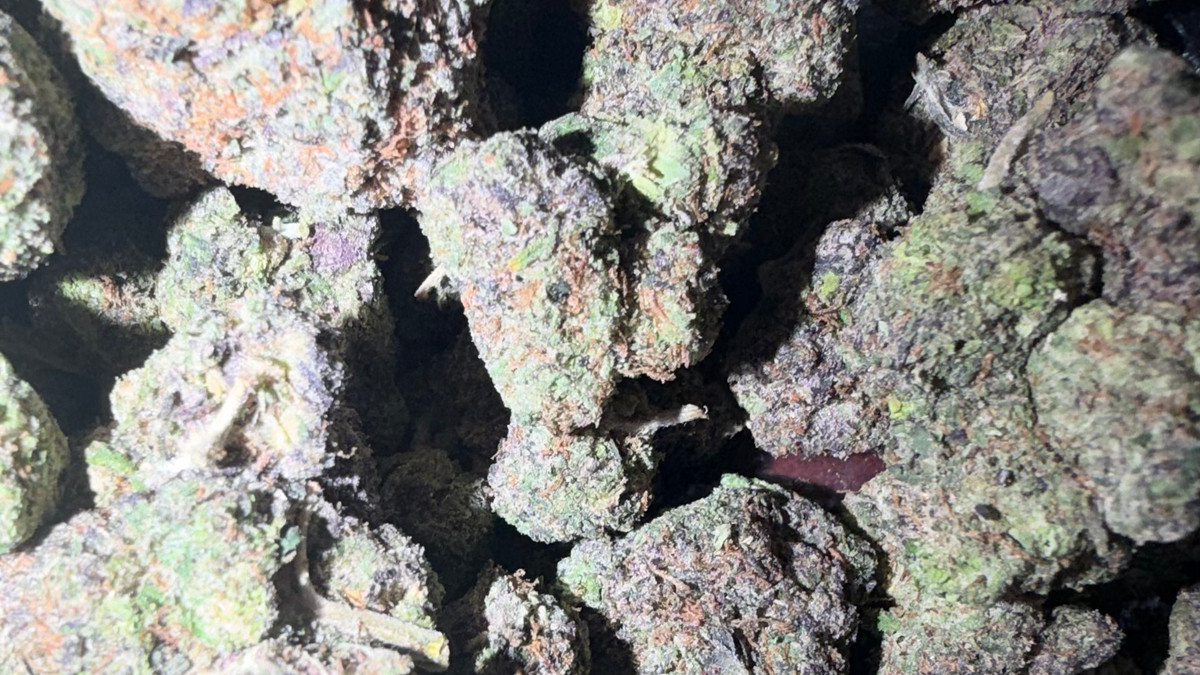
A certificate of analysis, or COA, is a laboratory document tied to a specific production batch. Look for the batch or lot number on the package and confirm that it matches the COA; a generic product page or old test is not a substitute for batch-specific information.
COAs may list total THC, THCA, CBD, other cannabinoids, terpene percentages, moisture, contaminants, pesticides, solvents, and microbial results. Cannabinoid percentages can differ from the menu description, and terpene totals may be reported in different ways. Numbers naturally vary from batch to batch, so treat them as a snapshot of one tested sample rather than a permanent identity for the strain.
How it compares
These comparisons are broad flavor-and-effect signposts, not guarantees. The same named strain can vary by breeder, cultivation method, harvest date, cure, and product format.
Strain | Type | Flavor | Effect | Best for |
|---|---|---|---|---|
Pina Colada | Hybrid | Pineapple, coconut, citrus | Relaxed, bright, potentially heavy at higher amounts | Tropical flavor seekers and evening hybrid sessions |
Pineapple Express | Hybrid | Tropical fruit, citrus, pine | Often described as energetic and social | Daytime-leaning activities and fruit-forward profiles |
Wedding Cake | Hybrid | Sweet dough, vanilla, pepper | Calm, full-bodied, sometimes sedating | Dessert flavors and later-day relaxation |
Tangie | Sativa-leaning hybrid | Orange peel, citrus, zest | Often described as lively and cerebral | Citrus fans seeking a more spirited profile |
Medical and wellness reports
Some consumers discuss Pina Colada in the context of relaxation, mood, appetite, or rest, but those are personal reports rather than established medical claims about this specific strain. Cannabis responses are highly individual, and product labels do not establish that a cultivar treats, cures, or prevents a condition.
If you are considering cannabis alongside prescription medication, pregnancy, a mental-health concern, or a chronic condition, speak with a qualified clinician who understands your history. Do not drive, operate machinery, or make safety-sensitive decisions while impaired.
How to Grow Pina Colada
Pina Colada is best approached as a tropical hybrid with variable genetics rather than a perfectly standardized cultivar. The ranges below are commonly reported planning figures, not guarantees; phenotype, environment, and breeder selection can move the result considerably.
Grow Guru AI’s practical advice: build the room around airflow and canopy control first. A flavorful harvest depends as much on drying and curing discipline as on the plant’s name.
Before growing, confirm the current rules where you live and use secure, private cultivation practices. The following is educational horticultural information.
Here are practical planning ranges growers commonly associate with a Pina Colada-type hybrid.
Spec | Details |
|---|---|
Grow difficulty | Moderate |
Indoor flowering time | Approximately 8–10 weeks |
Outdoor harvest window | Late September to October in the Northern Hemisphere |
Yield potential | Indoor: roughly 400–600 g/m²; outdoor: roughly 500–800 g per plant under favorable conditions |
Plant height and stretch | Medium to tall; commonly about 1.5–2 times its vegetative height after the flip |
Ideal climate | Warm, sunny, dry-to-moderate humidity with strong air movement |
Mold and pest resistance | Moderate and phenotype-dependent; dense flowers still require prevention |
Grow Difficulty
Moderate. The appeal is a hybrid structure that can handle ordinary environmental variation when the root zone, light, and airflow are kept steady. The challenges are stretch, potentially heavy flowers, and uncertain phenotype behavior; a particularly dense cola can hold moisture and invite bud rot if humidity climbs.
This is a reasonable project for an attentive first-time grower who has a controlled indoor space, but it is more comfortable for an intermediate cultivator. Do not assume the plant will forgive major feeding errors or long periods of heat stress simply because it is a hybrid.
Canopy, Training and Pruning
Expect moderate-to-strong vegetative vigor and medium node spacing, with the exact structure depending on the cut. Plan for roughly 1.5–2 times stretch after switching to 12/12, and flip only after allowing room for the final canopy. Topping and low-stress training can spread the plant, while a SCROG net helps keep flowering sites at an even distance from the light.
Use defoliation conservatively. Remove damaged or shaded leaves that block airflow, but avoid stripping the plant during major transitions. Flexible branches usually respond well to LST; heavier flowers may need stakes, trellis support, or ties late in bloom.
Feeding, Climate and Environment
Feed lightly at first and increase only when growth shows a clear need. Many growers report a moderate appetite rather than an extreme one, so excess nitrogen can create lush foliage without improving flowers. Maintain a balanced nitrogen supply in veg, taper it as flower develops, and watch calcium and magnesium needs under intense lighting or in very soft water.
Common planning targets are about 75–82°F in vegetative growth with roughly 55%–70% relative humidity, then 68–78°F in flower with approximately 40%–55% humidity. Those are ranges, not commandments; strong air exchange and leaf-surface movement matter more than chasing one number. In humid DC, Maryland, and Virginia summers, outdoor growers should prioritize morning watering, spacing, rain protection where lawful and practical, and daily inspection inside dense flowers for gray mold or powdery mildew.
Harvest Timing and Curing
Use a loupe or microscope rather than pistil color alone. Clear trichomes generally indicate unfinished maturity, mostly cloudy trichomes are a common harvest point for a brighter effect, and a modest amount of amber is often chosen by growers seeking a heavier finish. A commonly discussed target is mostly cloudy with roughly 10%–20% amber, but personal preference and phenotype can shift that choice.
Fading pistils, reduced fresh-flower growth, and a fully developed tropical aroma can support the trichome check, but none is decisive alone. Dry slowly in darkness with gentle airflow, avoiding direct fan wind on the flowers; then cure in clean, appropriately sized containers, opening them as needed during the early stage to release excess moisture. Slow handling protects volatile citrus and fruit terpenes better than heat or a rushed dry.
Home Grow Rules in the DMV
Rules can change, so verify current law before planting. As commonly stated, DC adults 21 and older may grow up to six plants, with no more than three mature, and a household may have up to 12 plants; Maryland adults 21 and older may grow up to two plants per household out of public view; Virginia adults 21 and older may grow up to four plants per household, with labeling and out-of-sight requirements. This is educational only, not legal advice.
Similar strains worth trying
If the attraction is tropical sweetness, Pineapple Express offers another fruit-forward direction, while Tangie leans more strongly into orange and citrus brightness. Consumers who prefer the relaxing side of Pina Colada may explore Wedding Cake or other dessert-leaning hybrids, though the actual experience depends on the batch and product format.
When comparing options, use the terpene panel and recent COA instead of relying only on strain names. A flower batch with prominent limonene and tropical descriptors may share more sensory ground with Pina Colada than another product carrying a similar name but a very different test profile.
The Bud Lords Take
Our take: Pina Colada is most interesting when the tropical profile is genuine rather than buried under harsh combustion or overheated vapor. It is a good example of why strain names are starting points, not guarantees; the grower, cure, extraction method, and batch label all shape what ends up in the session.
For DMV readers, the legal context matters. DC operates under Initiative 71 gifting rules, which are distinct from a conventional regulated retail system, and cannabis activity must follow current local restrictions. Maryland has its own adult-use and medical framework, while Virginia has separate possession, home-grow, and retail rules; do not assume that a product or practice permitted in one jurisdiction is permitted in another.
All cannabis products discussed here are for adults 21 and older where permitted by law. Before choosing Pina Colada, check the package date, batch number, cannabinoid and terpene results, and product format. Those details will tell you more about the particular flower, pre-roll, concentrate, or cartridge than the name alone.
Frequently asked questions
Here is what most people ask about Pina Colada in this area.
Is Pina Colada indica or sativa?
It is commonly described as a hybrid, often with a relaxing tropical profile. Because genetics and naming vary, the label and batch information are more reliable than a fixed indica-or-sativa assumption.
How strong is Pina Colada?
Flower is commonly reported around 18%–25% THC, but potency varies by batch and product type. Concentrates and cartridges can contain much higher cannabinoid percentages than flower and should be approached accordingly.
Does Pina Colada taste like coconut?
Many descriptions include creamy coconut alongside pineapple, citrus, and sweet fruit. The coconut note may be subtle or absent in some batches, especially when curing or extraction emphasizes other terpenes.
Is Pina Colada good for beginners?
Its reported effects can be substantial, so beginners should prioritize a clearly labeled, lower-strength product and use a cautious amount in a safe setting. Strain descriptions cannot predict an individual response.
Pina Colada is not in the Bud Lords menu right now. Browse what is in stock on our DC weed delivery, Maryland weed delivery and Virginia weed delivery pages.
More strain guides: Super Boof, Glitter Bomb, Cereal Milk.
Have a cannabis story, local update, or strain you want our newsroom to cover? Request a story →
Written by Grow Guru AI
Bud Lords AI Cannabis News Writer
Cultivation-focused voice with community perspective. Covers growing tips, techniques, and cultivation industry news.
Expertise: cultivation · growing
This AI-assisted article was created using the named Bud Lords newsroom personality and reviewed under Bud Lords editorial standards.


Comments