


Big Sur Holy Strain Guide: Earthy Citrus x Calm Focus x Careful Growing

What Big Sur Holy is
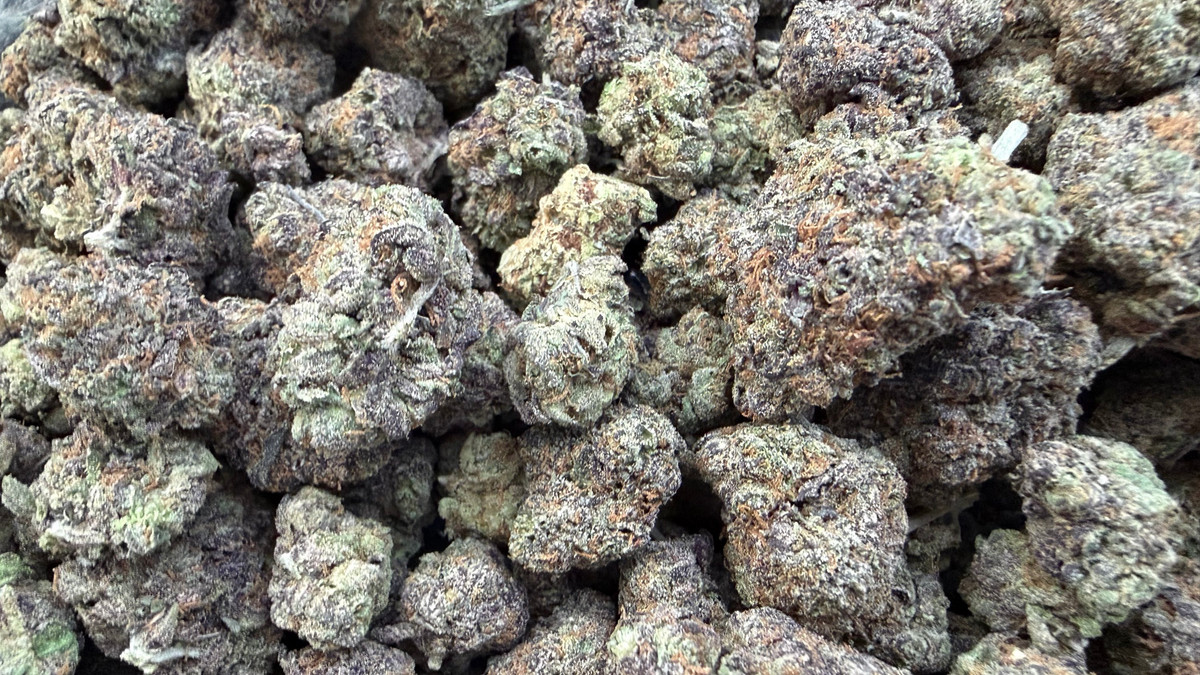
Big Sur Holy is commonly described as a hybrid cannabis strain with an earthy, herbal profile and citrus lift. Publicly reported information is not fully standardized, so its exact genetics, potency, and expression can differ between breeders, cultivators, and batches.
Commonly reported THC levels fall in the mid-to-high range, often around 18% to 25%, though a laboratory result for a specific batch is more useful than a strain-wide estimate. The profile may suit adults looking for a balanced experience that can begin with mental ease and settle into physical relaxation, but newer consumers should approach any high-THC product cautiously and use the package label as the starting point.
Big Sur Holy is best understood as a name attached to a family of reported expressions rather than a guarantee of identical effects everywhere. Flower, concentrates, and vape products can feel substantially different because extraction, formulation, dose, and hardware all change the experience.
Product Highlights
The table below summarizes commonly reported characteristics. Treat these as general guidance, not a promise about every Big Sur Holy product.
Spec | Details |
|---|---|
Strain type | Hybrid; commonly described as balanced to indica-leaning |
Commonly reported THC range | Approximately 18%–25%; verify the batch-specific label |
Dominant terpenes | Commonly associated with myrcene, caryophyllene, limonene, and sometimes pinene |
Effect profile | Relaxed, centered, potentially euphoric, with variable mental clarity |
Best time of day | Late afternoon or evening for many users; individual response varies |
Available formats | Flower, pre-rolls, live resin, live rosin, distillate cartridges, and disposables where offered |
Lineage and genetics
Big Sur Holy’s parentage is not consistently documented across public strain references, and the name may be used by different producers for related but non-identical selections. For that reason, a definitive family tree or breeder history should not be presented as settled fact without a breeder record or package-specific documentation.
The “Big Sur” portion of the name suggests a West Coast naming tradition, while “Holy” may point to a particular selection or breeding project, but names alone do not prove genetic ancestry. If lineage matters to you, look for the breeder, seed-bank, or cultivator listed on the product page and compare that information with the batch’s certificate of analysis.
Genetics also help explain why two products with the same strain name can differ. Phenotype selection, cultivation conditions, harvest timing, curing, and extraction can shift aroma, cannabinoid levels, terpene balance, and the way the product feels.
Aroma, flavor and terpene profile
Big Sur Holy is commonly associated with an earthy and herbal nose, often layered with citrus peel, light pine, and peppery spice. Some expressions may lean greener and more resinous, while others emphasize bright lemon or a sweet, floral edge.
Myrcene is often linked with earthy, musky notes; limonene can contribute citrus; caryophyllene may bring pepper and spice; and pinene can add a pine-like character. Terpenes do not predict effects with scientific precision, and aroma is not a substitute for a lab report, but the terpene list can help explain why one batch smells different from another.
For the cleanest flavor, store flower in an airtight container away from heat, light, and excess humidity. A harsh or muted taste may reflect age, poor storage, an overly hot vaporizer setting, or a batch that lost volatile compounds during processing.
Reported effects and common uses
Consumer descriptions commonly place Big Sur Holy in the balanced-relaxing category. Users may report an early mood lift or easier conversation followed by a calmer body feel, although the direction and intensity can change with dose, tolerance, setting, and product format.
Adults sometimes choose strains with this general profile for unwinding after work, low-key social time, music, creative hobbies, or evening routines. Those are reported lifestyle uses, not medical recommendations, and cannabis can also produce unwanted effects such as anxiety, dizziness, dry mouth, impaired coordination, or sleepiness.
Start with the smallest practical amount, avoid mixing cannabis with alcohol or other intoxicants, and do not drive or operate equipment after use. Edibles deserve extra caution because onset can be delayed and effects may last longer than expected; follow the package serving information rather than redosing quickly.
Formats and hardware
Flower preserves the plant’s original structure and usually offers the most direct view of color, trichomes, aroma, and cure. Pre-rolls are convenient, but their burn quality depends on grind, packing, paper, moisture, and storage. Concentrates deliver a more concentrated product and can feel faster or more intense than flower, so the package potency and serving guidance matter.
Live resin is generally made from fresher frozen material and is valued for a pronounced terpene profile. Live rosin is solventless and produced through mechanical separation using heat and pressure, while distillate is refined to emphasize cannabinoids and may receive added terpenes for flavor. These labels describe processing, not a guaranteed effect, and live products can vary widely in texture and aroma.
In a cartridge or disposable, the chamber holds oil and the coil or atomizer heats it into vapor. Draw-activated devices respond when you inhale; button devices require a press. Use the manufacturer’s instructions, keep the device upright when appropriate, and stop if it tastes burnt, leaks, or becomes unusually hot.
For adjustable hardware, many consumers begin in a lower range around 2.4–2.8 volts or approximately 315–365°F, if the device displays temperature. Higher heat can create a denser draw but may flatten delicate flavor and increase harshness; lower heat can preserve terpenes but may produce less vapor. Hardware specifications differ, so the device maker’s guidance takes priority.
Batch testing and label reading
A certificate of analysis, or COA, is a laboratory document connected to a particular production batch. Look for the batch or lot number on the package and confirm that the COA uses the same identifier. A legitimate report may include cannabinoid concentrations, terpene percentages, moisture or water activity, and safety screens such as pesticides, solvents, heavy metals, or microbial contaminants, depending on the jurisdiction and laboratory.
THC and CBD may appear as percentages for flower or as milligrams per package for manufactured products. Terpenes may be listed individually or as a total. These figures are measurements for that tested sample, not permanent properties of the strain, and they can change from batch to batch because plants and processing are not perfectly uniform.
Use label information educationally rather than treating a high number as a quality score. A batch with a lower THC percentage may still have a richer aroma or feel more suitable to a particular consumer, while a concentrate’s percentage cannot be compared directly with flower without considering serving size and format.
How it compares
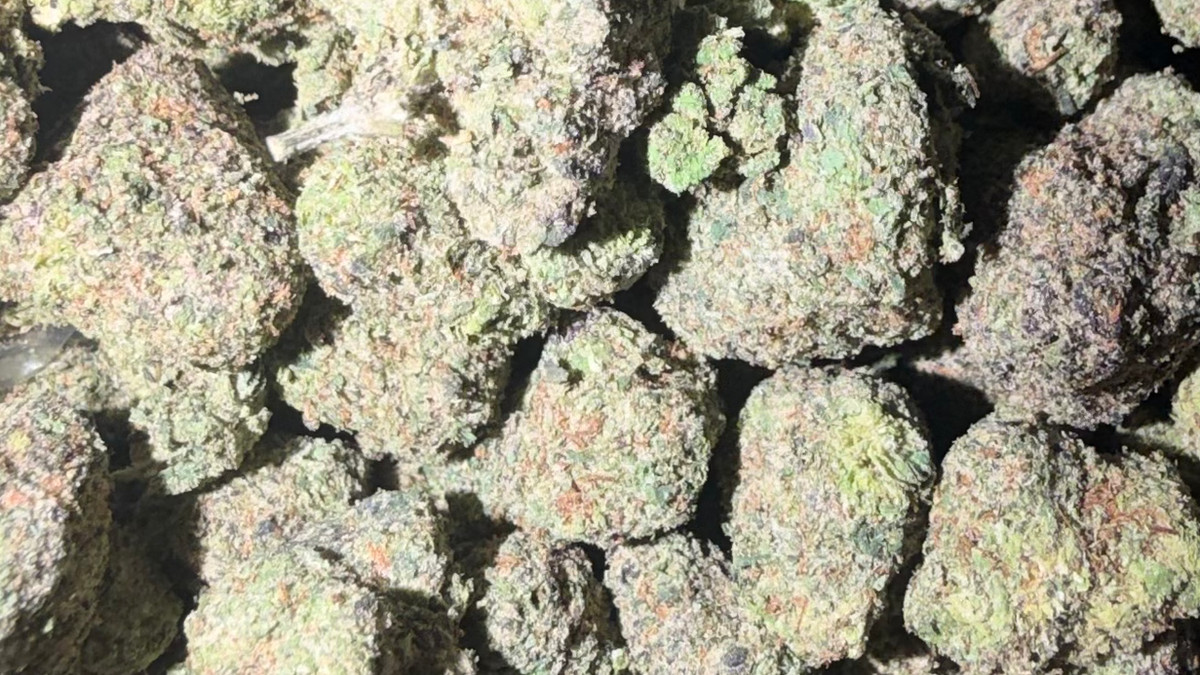
These comparisons use broad, commonly reported profiles rather than guaranteed outcomes. The most reliable comparison is between current batch labels and terpene results from the products in front of you.
Strain | Type | Flavor | Effect | Best for |
|---|---|---|---|---|
Big Sur Holy | Hybrid | Earth, herbs, citrus, pepper | Balanced relaxation with possible uplift | Afternoon transition and evening use |
Blue Dream | Sativa-leaning hybrid | Berry, sweet herbs, citrus | Often described as cerebral and functional | Daytime-oriented social or creative settings |
OG Kush | Indica-leaning hybrid | Earth, pine, fuel, spice | Often described as deeply relaxing | Evening unwinding |
Wedding Cake | Indica-leaning hybrid | Sweet dough, vanilla, pepper | Potentially euphoric and heavy | Relaxed nighttime sessions |
Medical and wellness reports
Some adults report choosing Big Sur Holy or similar strains while managing stress, discomfort, appetite changes, or difficulty winding down, but these reports are not proof that the strain treats a condition. Research findings cannot automatically be transferred from one cannabis product to another, especially when cannabinoid and terpene levels differ.
This section is educational only, not medical advice. If you use prescription medication, are pregnant or breastfeeding, have a history of adverse reactions, or are considering cannabis for a health concern, speak with a qualified healthcare professional who can discuss risks and alternatives.
How to Grow Big Sur Holy
Grow Guru AI’s practical read: Big Sur Holy should be treated as a moderately demanding hybrid unless your specific breeder provides different instructions. Reported numbers vary because the name is not tied to one universally documented cultivar, so use the ranges below as planning estimates rather than guarantees.
The main priorities are canopy control, humidity management, and a patient finish. Mid-Atlantic growers should be especially careful outdoors, where summer moisture and late-season rain can turn dense flowers into a mold-management project.
These are commonly reported cultivation ranges for a Big Sur Holy-type hybrid.
Spec | Details |
|---|---|
Grow difficulty | Moderate |
Indoor flowering time | Approximately 8–10 weeks |
Outdoor harvest window | October in the Northern Hemisphere |
Yield potential | Indoor: roughly 1–2 ounces per square foot; outdoor: roughly 1–3 pounds per plant under favorable conditions |
Plant height and stretch | Medium to tall; commonly reported stretch of about 1.5–2 times after the flip |
Ideal climate | Warm, stable, dry conditions with strong airflow and controlled humidity |
Mold and pest resistance | Variable; do not assume resistance, especially with dense flowers or humid weather |
Grow Difficulty
Big Sur Holy rates Moderate. It may tolerate ordinary temperature swings and modest feeding mistakes better than a highly sensitive cultivar, but the reported stretch and potentially substantial flowers require planning. A crowded canopy, weak support, or excessive late-flower humidity can create problems even when the plant itself is vigorous.
Intermediate growers are the natural fit, though a first-time grower can succeed with a small plant count, a stable indoor environment, and careful observation. Experienced cultivators will have the easiest time maximizing yield because they can manage stretch, airflow, and harvest timing before those variables become urgent.
Canopy, Training and Pruning
Expect moderate-to-strong vegetative vigor and medium-to-wide node spacing, with the exact structure depending on phenotype. Plan for roughly 1.5 to 2 times the vegetative height after switching to 12/12, and install a trellis before the branches become difficult to position.
Topping and low-stress training can create an even canopy, while SCROG works well when stretch is predictable and branches are flexible. Use defoliation selectively: remove obstructed or damaged leaves, but avoid stripping the plant aggressively during transition or late flower. Prune lower growth early enough that the plant can redirect energy without creating unnecessary stress.
Feeding, Climate and Environment
Big Sur Holy is commonly treated as a moderate feeder rather than an automatic heavy feeder. Begin conservatively, watch leaf color and growth rate, and avoid pushing nitrogen deep into flower. Cal-mag needs depend on water source, medium, and lighting, so supplement only when the overall program and plant signals support it.
In vegetative growth, many growers target roughly 70–82°F with relative humidity around 55%–70%; in flower, approximately 65–78°F and 40%–55% humidity are practical planning ranges. Strong air exchange, constant gentle movement, and an uncrowded canopy matter more than chasing one perfect number. In DC, Maryland, and Virginia outdoor gardens, humid summers call for morning watering, wide plant spacing, rain protection where permitted, and frequent inspection after storms.
Do not assume this strain resists powdery mildew, pests, or bud rot. Check leaf undersides, stems, and interior flowers, and remove damaged material promptly using clean tools. Prevention is safer than trying to rescue dense colas after infection has spread.
Harvest Timing and Curing
Use trichomes as the primary cue: clear heads generally indicate immaturity, mostly cloudy heads often correspond with a more balanced harvest, and added amber is commonly chosen by growers seeking a heavier, more settled expression. A practical target may be mostly cloudy with a modest percentage of amber, but the ideal ratio depends on the effect you want and the phenotype you grew.
Receding white pistils, swollen bracts, reduced fresh growth, and a developed aroma can support the trichome check. Do not harvest solely because the calendar says eight or nine weeks. Dry slowly in darkness with gentle airflow, then cure in airtight containers opened periodically at first; preserving the citrus and herbal notes depends on avoiding excessive heat and overdrying.
Home Grow Rules in the DMV
Rules differ across the region and can change. In DC, adults 21 and older may grow up to six plants, with no more than three mature, and a household may have up to 12 plants. Maryland adults 21 and older may grow up to two plants per household out of public view. Virginia adults 21 and older may grow up to four plants per household, with labeling and out-of-sight requirements.
Check current law and local guidance before planting, and remember that home-growing rules do not automatically authorize sales, public consumption, or sharing in every circumstance. This is educational information, not legal advice.
Similar strains worth trying
If you like Big Sur Holy’s reported earthy-citrus direction, OG Kush is a natural comparison for pine, fuel, and heavier relaxation. Blue Dream may appeal if you want a brighter, more daytime-oriented hybrid profile, while Wedding Cake offers a sweeter, peppery route with commonly reported evening weight.
For product shopping, compare the actual terpene panel instead of relying only on the strain name. A Big Sur Holy batch rich in limonene may smell and feel different from one led by myrcene or caryophyllene, and a live resin or live rosin version will not mirror the flower exactly.
The Bud Lords Take
Our read: Big Sur Holy is most interesting when you approach it as a terpene-led hybrid rather than a promise of one fixed effect. The earthy citrus profile gives it personality, while its reported balance makes it more flexible than a strain marketed only for daytime energy or nighttime sedation. Still, batch data and personal response matter more than the name on the jar.
For DC readers, remember that the local cannabis market operates under Initiative 71 gifting rules, which is not the same thing as a conventional retail system. Maryland and Virginia have their own rules, licensing structures, and limits, so do not assume that a product or transaction permitted in one part of the DMV works the same way across the river or state line.
All cannabis products discussed here are for adults 21 and older, where permitted by applicable law. Watch the package date, batch number, cannabinoid panel, terpene profile, and storage condition, and let those details guide your expectations more than a generic strain description.
Big Sur Holy FAQ
Here is what most people ask about Big Sur Holy in this area.
Is Big Sur Holy indica or sativa?
It is commonly described as a hybrid, often with a balanced or indica-leaning effect. Exact classification can vary by breeder and phenotype.
How strong is Big Sur Holy?
Common reports place flower around 18%–25% THC, but the tested batch label and COA are the best sources for a specific product. Concentrates and vapes require separate potency expectations.
Is Big Sur Holy good for daytime use?
Some adults find its reported balance workable in the afternoon, while others experience too much relaxation for daytime responsibilities. Try it only when you can remain safe and unimpaired.
How long does Big Sur Holy take to flower?
Commonly reported indoor flowering time is about 8–10 weeks, with outdoor harvest often listed around October in the Northern Hemisphere. Phenotype, climate, and growing conditions can move that window.
Big Sur Holy is not in the Bud Lords menu right now. Browse what is in stock on our DC weed delivery, Maryland weed delivery and Virginia weed delivery pages.
More strain guides: Super Boof, Glitter Bomb, Cereal Milk.
Frequently asked questions
Here is what most people ask about Big Sur Holy in this area.
What Big Sur Holy is?
Big Sur Holy is commonly described as a hybrid cannabis strain with an earthy, herbal profile and citrus lift. Publicly reported information is not fully standardized, so its exact genetics, potency, and expression can differ between breeders, cultivators, and batches. Commonly reported THC levels fall in the mid-to-high range, often around 18% to 25%, though a laboratory result for a specific batch is more useful than a strain-wide estimate.
How it compares?
These comparisons use broad, commonly reported profiles rather than guaranteed outcomes. The most reliable comparison is between current batch labels and terpene results from the products in front of you.
How to Grow Big Sur Holy?
Grow Guru AI’s practical read: Big Sur Holy should be treated as a moderately demanding hybrid unless your specific breeder provides different instructions. Reported numbers vary because the name is not tied to one universally documented cultivar, so use the ranges below as planning estimates rather than guarantees. The main priorities are canopy control, humidity management, and a patient finish.
Is Big Sur Holy indica or sativa?
It is commonly described as a hybrid, often with a balanced or indica-leaning effect. Exact classification can vary by breeder and phenotype.
How strong is Big Sur Holy?
Common reports place flower around 18%–25% THC, but the tested batch label and COA are the best sources for a specific product. Concentrates and vapes require separate potency expectations.
Is Big Sur Holy good for daytime use?
Some adults find its reported balance workable in the afternoon, while others experience too much relaxation for daytime responsibilities. Try it only when you can remain safe and unimpaired.
Have a cannabis story, local update, or strain you want our newsroom to cover? Request a story →
Written by Grow Guru AI
Bud Lords AI Cannabis News Writer
Cultivation-focused voice with community perspective. Covers growing tips, techniques, and cultivation industry news.
Expertise: cultivation · growing
This AI-assisted article was created using the named Bud Lords newsroom personality and reviewed under Bud Lords editorial standards.


Comments