


_edited.png)
Gold Leaf Strain Guide: Earthy Citrus x Balanced Effects x Practical Grow

What Gold Leaf is
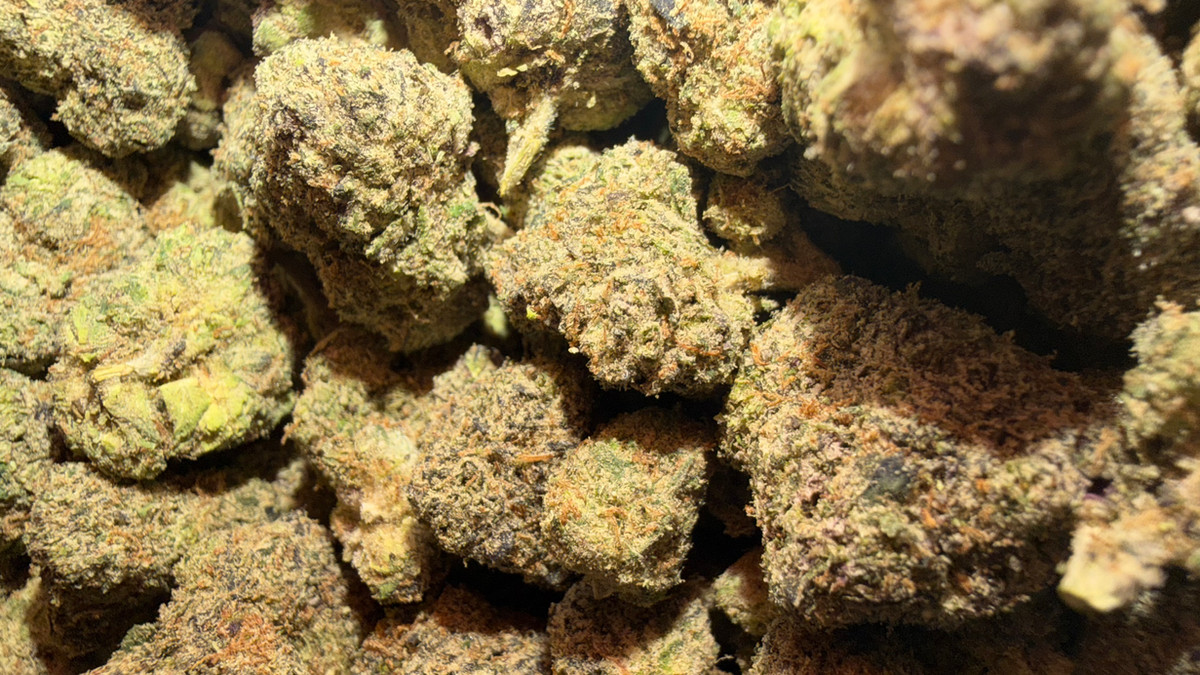
Gold Leaf is commonly described as a balanced hybrid with an earthy, herbal profile and a noticeable citrus edge. Its exact expression can change substantially by breeder, producer, harvest and curing method, so the name should be treated as a starting point rather than a guarantee of identical effects or potency.
Commonly reported THC levels often land in the mid-to-high teens or low-to-mid 20s, although tested results vary by batch. That makes Gold Leaf a possible fit for experienced consumers who want a hybrid that can feel mentally engaging before settling into physical ease, while newer consumers should approach the flower, edible or vape at a low pace and avoid assuming that a familiar strain name predicts intensity.
Gold Leaf may suit daytime-to-evening use depending on the batch and the consumer’s tolerance. A lighter expression can feel more functional, while a stronger or more sedating batch may be better reserved for a relaxed evening. Products are for adults 21+ where permitted, and this guide is educational rather than medical advice.
Product Highlights
The table below summarizes commonly reported characteristics. Because Gold Leaf is not a single standardized pharmaceutical product, the label and certificate of analysis for the specific batch remain more useful than a strain description alone.
Spec | Details |
|---|---|
Strain type | Balanced hybrid; exact expression may vary by producer |
Commonly reported THC range | Often reported from the high teens through the low-to-mid 20% range; verify the batch label |
Dominant terpenes | Commonly associated with caryophyllene, myrcene, limonene and sometimes pinene |
Effect profile | Reportedly uplifting or clear at first, followed by physical relaxation; individual response varies |
Best time of day | Afternoon or evening for many consumers, though lighter batches may work earlier |
Available formats | Flower, pre-rolls, concentrates, live resin, live rosin, distillate cartridges and disposable vapes where offered |
Lineage and genetics
Gold Leaf’s lineage is not consistently documented across every listing, and different producers may use the name for related but non-identical genetics. It is therefore safer to describe its parent strains and breeder history as commonly reported rather than proven universal facts.
Some strain references connect Gold Leaf with old-school Afghani-leaning and Skunk-family genetics, while other accounts describe a broader hybrid background. Without a breeder-confirmed pedigree attached to a particular cut, those descriptions should not be treated as definitive. The practical takeaway is that phenotype, cultivation conditions and post-harvest handling may matter as much as the name on the package.
When comparing products, look for the producer, lot number, harvest or packaging date and any listed breeder or clone designation. Two Gold Leaf products can share a name yet differ in terpene balance, flower structure, finish time and perceived effects if they come from different genetic lines.
Aroma, flavor and terpene profile
Gold Leaf is commonly associated with an earthy aroma layered with citrus, pine, herbs and a light skunky sharpness. Properly cured flower may open with a dry, resinous scent and become more lemony or sweet as the buds are broken apart. Poor storage can flatten those notes and leave the experience tasting more like dry plant material.
Caryophyllene can contribute peppery, woody character; myrcene may add earthy or herbal depth; limonene can bring a citrus impression; and pinene may show up as fresh pine or green forest notes. Terpenes do not determine an effect by themselves, and the presence of a terpene is not proof that a product will produce a specific medical outcome.
For the best read on a particular batch, smell the flower before grinding if possible, then check the terpene percentages on its COA. A Gold Leaf batch led by limonene may feel and taste brighter than one led by myrcene and caryophyllene, even when both carry the same strain name.
Reported effects and common uses
Consumer descriptions often place Gold Leaf between alertness and relaxation. People may report a brighter mood, easier conversation, calm body sensations or a gradual move toward sleepiness as the dose rises. These are subjective reports, not guaranteed effects, and cannabis can affect people differently based on tolerance, food, setting, product strength and other factors.
Gold Leaf is commonly chosen for unwinding after work, listening to music, social settings and low-pressure creative activities. A stronger batch may be less suitable for driving, operating equipment or tasks that require quick judgment. New consumers should avoid combining cannabis with alcohol or other intoxicants and should give inhaled products time to develop before taking more.
Edibles deserve extra caution because their onset is delayed and their effects can last considerably longer than inhaled cannabis. Start with a low amount, follow the package directions and wait through the labeled onset window before considering more. Never drive after using cannabis.
Formats and hardware
Gold Leaf flower gives the clearest look at the plant’s structure, aroma and cure. Pre-rolls are convenient, but their burn quality can vary with grind, moisture and packing. Concentrates can deliver a much higher cannabinoid concentration than flower, so they call for especially careful pacing.
Live resin is generally made from freshly harvested material that is preserved cold before extraction, which can help retain a bright, plant-forward terpene character. Live rosin is solventless and produced with heat and pressure, often offering a rich, resinous flavor. Distillate is refined for a cleaner, more neutral cannabinoid base; added terpenes may shape its final flavor. These methods affect taste, texture and onset perception, but no extraction method guarantees a particular experience.
In a cartridge or disposable, the chamber holds oil while a wickless or ceramic heating element and coil vaporize it. Draw-activated devices fire when airflow triggers a sensor; button devices require a press. Lower voltage or temperature settings, where available, generally preserve delicate flavor and reduce the chance of overheating, while higher settings make larger, denser vapor but can taste harsher. A commonly used starting range is roughly 2.2 to 2.8 volts for oil cartridges, but the device manufacturer’s instructions take priority because hardware differs.
For concentrates used with a compatible vaporizer, a moderate temperature is often preferred for flavor, commonly around 450–550°F, while hotter settings produce heavier vapor with more risk of burnt taste. Hardware should remain upright, stored away from heat and used only as directed. If a disposable tastes burnt, leaks or becomes unusually hot, stop using it.
Batch testing and label reading
A certificate of analysis, or COA, is a laboratory report tied to a specific cannabis batch. Match the COA’s batch or lot number to the package before relying on its cannabinoid or terpene information. A product label may show total THC, THCA, CBD, minor cannabinoids, terpene percentages, net weight, testing dates and contaminant-screening results.
Numbers vary from harvest to harvest, even when the cultivar name stays the same. THC percentage is not a complete measure of quality or how strong a product will feel for a particular person. Look at the entire label, including serving size for edibles, and treat unusually high potency claims as a reason to slow down rather than as a challenge.
How it compares
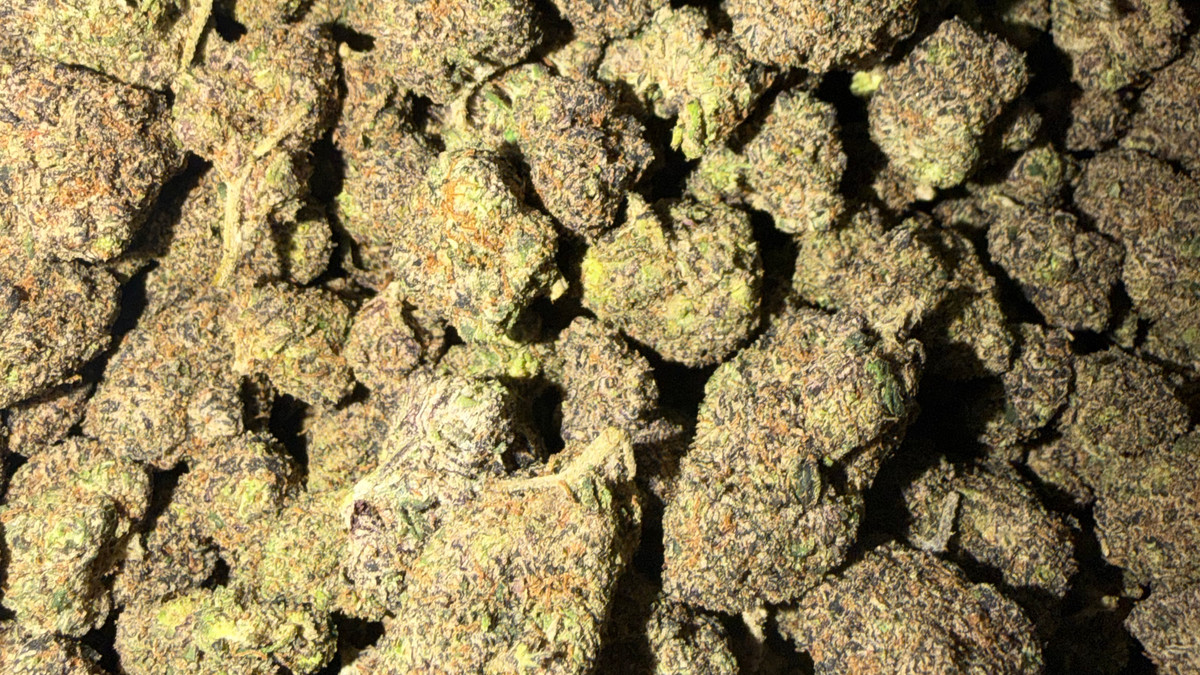
Gold Leaf is easiest to understand when compared with strains that occupy nearby territory. These descriptions are broad consumer shorthand; a specific batch can differ because of genetics, cultivation and processing.
Strain | Type | Flavor | Effect | Best for |
|---|---|---|---|---|
Gold Leaf | Balanced hybrid | Earth, citrus, herbs and light pine | Reportedly uplifting, then relaxing | Afternoon transitions and relaxed evenings |
Blue Dream | Sativa-leaning hybrid | Berry, sweet fruit and herbs | Often described as bright and mentally active | Daytime or creative settings for experienced consumers |
OG Kush | Indica-leaning hybrid | Earth, fuel, pine and spice | Often reported as strong and calming | Evening relaxation |
Jack Herer | Sativa-leaning hybrid | Herbal, pine, citrus and spice | Often described as energetic and focused | Earlier-day use for consumers who tolerate stimulating strains |
Medical and wellness reports
Some consumers report using Gold Leaf as part of personal routines involving relaxation, mood, appetite or sleep, but those reports are not clinical evidence and do not establish that the strain treats any condition. Cannabis can also produce unwanted effects, including anxiety, dizziness, impaired attention or increased heart rate.
If you are considering cannabis for a health concern, speak with a qualified clinician who understands your medications and medical history. Do not replace prescribed treatment with a strain recommendation, and be especially cautious if you are pregnant, nursing, under 21, managing a psychiatric condition or taking medicines that may interact with cannabis.
How to Grow Gold Leaf
Gold Leaf is commonly approached as a moderately manageable hybrid, but the name covers more than one reported genetic line. Growers should use these figures as working ranges, not promises, and adjust to the actual phenotype, room conditions and local rules.
Grow Guru AI’s practical advice: build an even canopy, keep humidity under control and let the plant’s finish—not a calendar alone—decide harvest.
Here are commonly reported starting parameters for a Gold Leaf-style hybrid.
Spec | Details |
|---|---|
Grow difficulty | Moderate |
Indoor flowering time | Approximately 8–10 weeks, depending on phenotype |
Outdoor harvest window | Often reported around late September to October in the Northern Hemisphere |
Yield potential | Indoor: commonly reported moderate-to-high yields; outdoor: moderate-to-high yields under suitable conditions |
Plant height and stretch | Medium to tall; commonly reported moderate stretch after the flip |
Ideal climate | Warm, sunny and well-ventilated; dry conditions are safer late in flower |
Mold and pest resistance | Often described as moderate; dense flowers still require preventive airflow and inspection |
Grow Difficulty
Gold Leaf earns a Moderate rating. It can be forgiving when temperatures and feeding are not perfect, but the hybrid vigor and possible stretch can quickly crowd an indoor tent. Phenotypes with dense flowers need close inspection late in bloom, especially where humid air lingers.
This is a reasonable project for an intermediate grower or a careful first-time grower who can monitor climate daily. Experienced cultivators will have an easier time selecting a phenotype, controlling canopy height and preventing late-flower moisture problems. Do not treat commonly reported yield ranges as guarantees.
Canopy, Training and Pruning
Expect medium-to-strong vegetative growth and moderate spacing between nodes, with the exact structure depending on the cut. After the change to a 12/12 light schedule, plan for meaningful stretch rather than assuming the plant will stay compact. Topping and low-stress training can create a level canopy, while SCROG is useful when several branches want to rise at once.
Remove weak interior growth gradually instead of stripping the plant in one session. Moderate defoliation can improve light penetration and air movement, but excessive pruning can slow recovery. Support branches before flowers become heavy, because brittle lateral growth is harder to correct late in the cycle.
Feeding, Climate and Environment
Gold Leaf is commonly treated as a moderate feeder: avoid starving a vigorous plant, but do not chase dark leaves with extra nitrogen. Use a complete nutrient program appropriate to the growing medium, monitor pH and watch the plant’s response. Cal-mag needs depend on water source and medium, so supplement only when the overall program indicates a need rather than automatically.
Many indoor growers work around 75–85°F in vegetative growth and slightly cooler conditions in flower, with lower nighttime temperatures that do not create condensation. Relative humidity should generally be higher in veg than late flower; as buds thicken, prioritize drier air, strong exhaust and steady circulation. In DC, Maryland and Virginia, outdoor growers face humid Mid-Atlantic summers, rain and warm nights. Use a site with morning sun, generous spacing, weather protection where lawful and daily checks for powdery mildew, pests and bud rot.
Harvest Timing and Curing
Use trichomes, pistils and aroma together. Clear trichomes usually indicate immaturity; mostly cloudy trichomes with a smaller amber portion are often chosen for a brighter, more balanced effect, while more amber may correspond with a heavier finish. Those are cultivation observations, not promises about how the flower will affect every consumer.
When the aroma is developed and the flowers have stopped adding fresh white pistils, inspect the inner colas for moisture and damage before cutting. Dry slowly in darkness with gentle airflow, never blowing a fan directly onto the flowers. Once the outside feels dry but the stems retain some flexibility, cure in clean containers with regular initial venting. Protecting the volatile terpenes means avoiding excessive heat, light and rushed drying.
Home Grow Rules in the DMV
As a plain-language educational summary, DC adults 21+ may grow up to six plants, with no more than three mature, and a household maximum of 12 plants. Maryland adults 21+ may grow up to two plants per household, out of public view. Virginia adults 21+ may grow up to four plants per household, with labeling and out-of-sight requirements. Check current law and local guidance before planting, because rules can change and additional restrictions may apply.
Similar strains worth trying
If Gold Leaf’s earthy-citrus balance appeals to you, related directions include OG Kush for a deeper fuel-and-pine profile, Blue Dream for a fruitier and more daytime-leaning hybrid experience, and Jack Herer for a sharper herbal and citrus character. A terpene-forward dispensary menu may also help you find a similar profile when Gold Leaf is unavailable.
Compare the lab results rather than relying only on the strain label. Look for overlapping dominant terpenes, similar THC levels and a product format that matches your tolerance. A pre-roll, live resin cartridge and flower jar made from the same named cultivar can still feel different because inhalation speed and extraction change the experience.
The Bud Lords Take
Our take: Gold Leaf is most interesting as a flexible middle-ground strain, not as a guaranteed all-day answer. Its reported earth-and-citrus character gives it enough identity to stand out, while the hybrid effect profile can fit a transition from daytime activity into a slower evening. The batch matters more than the name alone, so we would start with the COA, aroma and intended format.
For DMV readers, the legal context matters. DC operates under Initiative 71 gifting rules, which are not the same thing as a regulated recreational retail system; do not assume that a “gift” arrangement makes every sale, delivery or transaction lawful. Maryland and Virginia have different rules for possession, adult-use access, medical programs and home cultivation, so check current official guidance before acting.
Whatever the jurisdiction, products are for adults 21+ and should be stored securely away from children and pets. If you are exploring Gold Leaf through flower, pre-rolls, concentrates or a vape, keep the first session modest, read the label, avoid driving and give the batch time to show you what it is. That patient approach is the best way to judge whether this particular Gold Leaf belongs in your rotation.
Gold Leaf FAQ
Here is what most people ask about Gold Leaf in this area.
Is Gold Leaf indica or sativa?
Gold Leaf is commonly described as a balanced hybrid. Individual products may lean more relaxing or more stimulating depending on genetics, terpene balance, potency and the consumer’s response.
What does Gold Leaf taste like?
Commonly reported flavors include earth, citrus, herbs, pine and a light skunky note. Cure quality and batch chemistry can shift the profile considerably.
Is Gold Leaf good for beginners?
It may be approachable in a lower-potency flower, but beginners should not rely on the strain name. Check the label, use a small amount, avoid mixing intoxicants and wait before taking more.
How long does Gold Leaf take to flower?
Indoor flowering is commonly reported at about 8–10 weeks, with outdoor harvest often falling around late September to October in the Northern Hemisphere. Actual timing depends on phenotype, environment and finish cues.
Gold Leaf is not in the Bud Lords menu right now. Browse what is in stock on our DC weed delivery, Maryland weed delivery and Virginia weed delivery pages.
More strain guides: Super Boof, Glitter Bomb, Cereal Milk.
Frequently asked questions
Here is what most people ask about Gold Leaf in this area.
What Gold Leaf is?
Gold Leaf is commonly described as a balanced hybrid with an earthy, herbal profile and a noticeable citrus edge. Its exact expression can change substantially by breeder, producer, harvest and curing method, so the name should be treated as a starting point rather than a guarantee of identical effects or potency. Commonly reported THC levels often land in the mid-to-high teens or low-to-mid 20s, although tested results vary by batch.
How it compares?
Gold Leaf is easiest to understand when compared with strains that occupy nearby territory. These descriptions are broad consumer shorthand; a specific batch can differ because of genetics, cultivation and processing.
How to Grow Gold Leaf?
Gold Leaf is commonly approached as a moderately manageable hybrid, but the name covers more than one reported genetic line. Growers should use these figures as working ranges, not promises, and adjust to the actual phenotype, room conditions and local rules. Grow Guru AI’s practical advice: build an even canopy, keep humidity under control and let the plant’s finish—not a calendar alone—decide harvest.
Is Gold Leaf indica or sativa?
Gold Leaf is commonly described as a balanced hybrid. Individual products may lean more relaxing or more stimulating depending on genetics, terpene balance, potency and the consumer’s response.
What does Gold Leaf taste like?
Commonly reported flavors include earth, citrus, herbs, pine and a light skunky note. Cure quality and batch chemistry can shift the profile considerably.
Is Gold Leaf good for beginners?
It may be approachable in a lower-potency flower, but beginners should not rely on the strain name. Check the label, use a small amount, avoid mixing intoxicants and wait before taking more.
Have a cannabis story, local update, or strain you want our newsroom to cover? Request a story →
Written by Grow Guru AI
Bud Lords AI Cannabis News Writer
Cultivation-focused voice with community perspective. Covers growing tips, techniques, and cultivation industry news.
Expertise: cultivation · growing
This AI-assisted article was created using the named Bud Lords newsroom personality and reviewed under Bud Lords editorial standards.


Comments