


Alien Strain Guide: Earthy Flavor x Relaxed Effects x Careful Growing

What Alien is
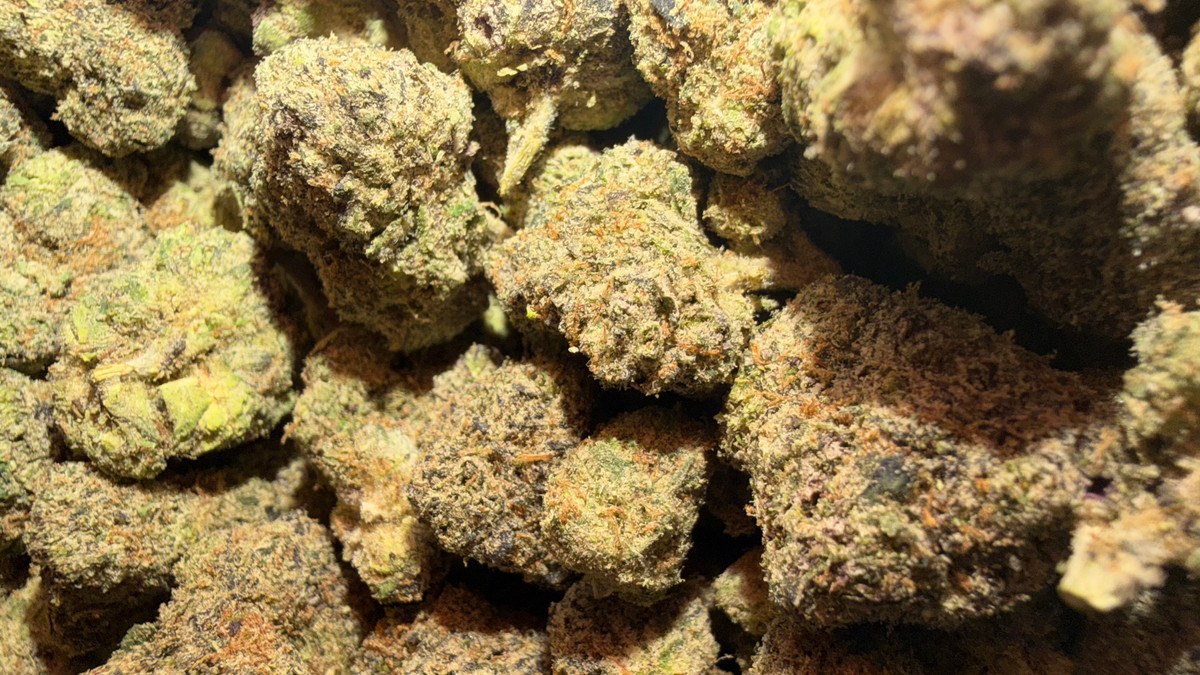
Alien is a cannabis strain name used for several related or regionally distinct products, so shoppers should treat the label as a starting point rather than a guarantee of one fixed genetic profile. It is commonly described as an indica-leaning hybrid with earthy, sweet, herbal, and sometimes fuel-like character.
Reported THC levels often fall in the mid-to-high teens through the mid-20s, although the actual result depends on the cultivar, grower, harvest, curing, and product format. Alien may suit adults looking for a heavier, evening-leaning experience, while newer or lower-tolerance consumers should approach high-THC flower cautiously and rely on the package label rather than the strain name alone.
Because “Alien” can refer to different cuts, the most useful guide is one that combines common descriptions with careful label reading. The batch’s certificate of analysis, or COA, is more informative than a familiar name when you want to understand what is actually in the package.
Product Highlights
The details below describe commonly reported Alien characteristics, not a promise that every product carrying the name will match them. Product availability and legality vary by jurisdiction and by product type.
Spec | Details |
|---|---|
Strain type | Commonly reported indica-leaning hybrid |
Commonly reported THC range | Often described in the mid-to-high teens through the mid-20s; verify the batch |
Dominant terpenes | Myrcene, caryophyllene, limonene, and humulene are commonly associated, but profiles vary |
Effect profile | Relaxing, mood-shifting, physically calming, and potentially sedating at higher amounts |
Best time of day | Late afternoon or evening for many consumers |
Available formats | Flower, pre-rolls, concentrates, cartridges, and disposables where offered |
Lineage and genetics
Alien’s lineage is not consistently documented across all products sold under that name. Some cannabis communities associate Alien with the wider Alien family of hybrids and with genetics connected to OG Kush-era breeding, but breeder records and naming conventions differ between cuts.
That uncertainty matters because two products labeled Alien may not deliver the same aroma, structure, or effect. A producer may be using a particular clone, a seed line, or a cross that includes Alien genetics without publishing a complete pedigree. When a brand lists parents, breeder, generation, and testing information, those details can help distinguish a documented cultivar from a general market name.
For readers comparing Alien with other strains, think of lineage as useful context rather than a guarantee. Terpene composition, harvest timing, curing, and personal tolerance can influence the experience as much as the family tree.
Aroma, flavor and terpene profile
Alien is commonly described as earthy and herbal, with sweet notes that may sit alongside pine, citrus, or light fuel. The aroma can become sharper when the flower is freshly ground, while a properly cured batch may show a rounder combination of soil, spice, and fruit-like brightness.
Myrcene is often associated with earthy and musky notes, caryophyllene with peppery spice, limonene with citrus, and humulene with woody or hop-like tones. These associations are educational rather than definitive: a lab-reported terpene percentage tells you what dominated that batch, but it does not perfectly predict how every person will perceive it.
Look for flower with a clean, recognizable aroma rather than a flat or harsh smell. A damp, musty, or ammonia-like odor is a reason to avoid consuming the product and to ask the retailer or producer about quality concerns.
Reported effects and common uses
Consumer descriptions often place Alien on the relaxing side, with an initial mood lift that can settle into physical calm. Some people describe it as useful for winding down, listening to music, watching a film, or taking a break from a busy day; others may find the same product too heavy for daytime tasks.
Responses vary with dose, tolerance, setting, cannabinoid content, and the individual batch. High-THC products can feel intense, especially for infrequent consumers, and cannabis may cause unwanted effects such as anxiety, dizziness, dry mouth, or impaired coordination. Do not drive or operate equipment after using it, and avoid combining cannabis with alcohol or other intoxicating substances.
This section is educational, not medical advice. A strain name is not a treatment plan, and reported uses do not establish that Alien can prevent, treat, or cure a health condition.
Formats and hardware
Flower and pre-rolls provide the clearest view of the plant’s cured aroma, though combustion changes the flavor and produces smoke. Concentrates can include live resin, live rosin, or distillate. Live resin is generally made from freshly frozen material using hydrocarbon extraction, while live rosin is produced without hydrocarbon solvents through mechanical separation involving heat and pressure. Distillate is highly refined and often has a simpler cannabinoid and flavor profile unless terpenes are added back.
Cartridges and disposables use a chamber to hold oil and a coil or ceramic heating element to vaporize it. Draw-activated devices fire when the device detects airflow; button-activated hardware requires a press. Hardware performance depends on oil thickness, battery output, airflow, and the condition of the mouthpiece, so a clogged or burnt-tasting device should not be forced.
Lower temperatures generally preserve more delicate flavor, while higher temperatures create denser vapor and can feel harsher. If a variable-voltage device provides a temperature estimate, a cautious starting range is roughly 350–400°F, with many oils used around 400–450°F; follow the manufacturer’s instructions because voltage-to-temperature conversions are not universal. Live resin and live rosin often retain more of the source flower’s changing aroma, while distillate commonly produces a quicker, more direct vapor experience with less complexity.
Batch testing and label reading
A COA is a laboratory report tied to a specific production batch. Start by matching the package batch number, test date, and product name to the report provided by the licensed producer or retailer. A mismatch means the document may not describe the product in your hands.
Read the cannabinoid section for total THC, THCA, CBD, and other listed cannabinoids, remembering that raw flower often contains substantial THCA that converts to THC when heated. The terpene section can show which aromatic compounds were detected and their percentages. Results are not permanent strain facts: cultivation, storage, extraction, and testing can all produce batch-to-batch differences.
Also check the package for serving information, net contents, ingredients, manufacturing details, and applicable warnings. Testing supports informed decisions, but it does not make a product risk-free or predict exactly how your body will respond.
How it compares
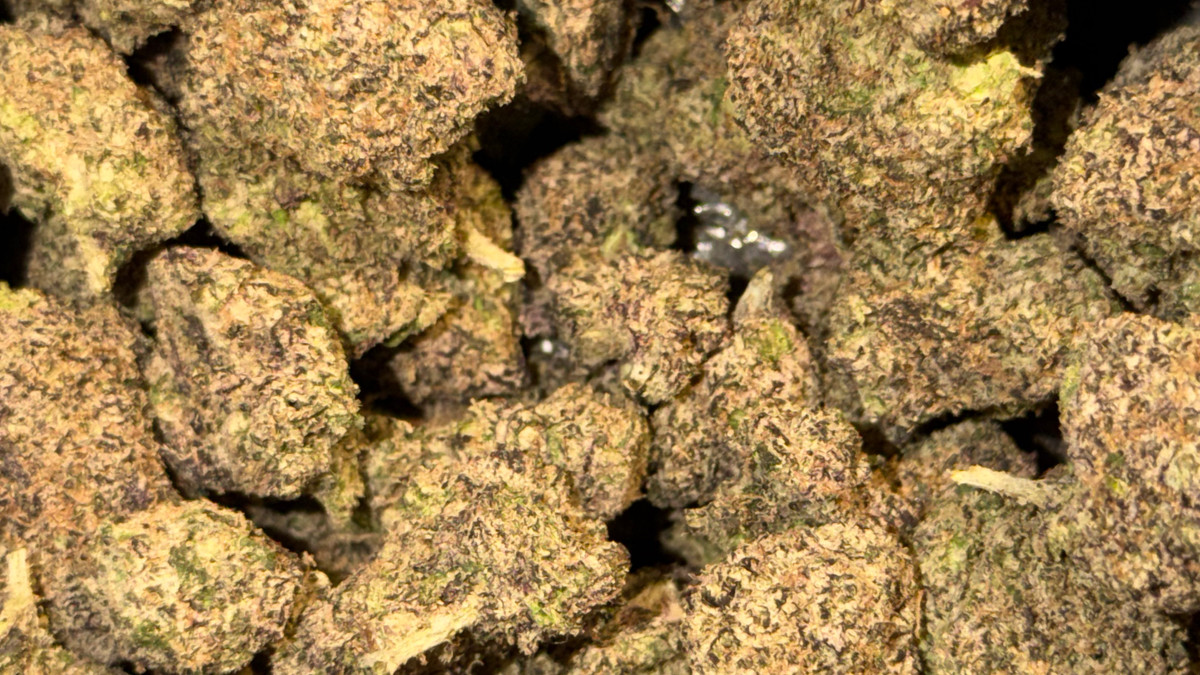
These comparisons use broad consumer descriptions and are not substitutes for a current product label. Names can cover multiple cuts, so compare the terpene profile and COA when available.
Strain | Type | Flavor | Effect | Best for |
|---|---|---|---|---|
Alien | Indica-leaning hybrid | Earthy, sweet, herbal, sometimes gassy | Relaxed and potentially heavy | Evening sessions and experienced consumers |
OG Kush | Hybrid | Earth, pine, citrus, fuel | Balanced-to-relaxing | Consumers who enjoy classic Kush character |
Gorilla Glue | Hybrid | Diesel, chocolate, earth | Strong, calming, and potentially sedating | High-tolerance consumers seeking a pronounced experience |
Gelato | Hybrid | Sweet fruit, cream, and spice | Mood-lifting with body relaxation | Consumers who prefer dessert-like flavor |
Medical and wellness reports
Some consumers report choosing Alien during personal relaxation routines or when they want a less stimulating experience. Those reports are subjective and should not be confused with clinical evidence. Cannabis affects people differently, and products with similar names can have different cannabinoid and terpene profiles.
If you use prescription medication, have a health condition, are pregnant or breastfeeding, or are considering cannabis for a specific symptom, speak with a qualified healthcare professional. Do not change prescribed treatment based on a strain description, and remember that impairment and unwanted psychological effects are possible.
How to Grow Alien
Alien is best approached as a documented cultivar rather than a guaranteed formula. The name covers more than one reported line, so the ranges below are practical estimates for commonly described Alien-type plants, not promises; keep your garden records and adjust to the phenotype in front of you.
For home growers in the DMV, environmental control matters as much as genetics. Humid summers, sudden weather changes, and dense flowers can turn an otherwise productive plant into a mold-management project.
Use this grow section for education and follow the laws that apply where you live.
Here are commonly reported planning ranges for Alien-type plants.
Spec | Details |
|---|---|
Grow difficulty | Moderate |
Indoor flowering time | Approximately 8–10 weeks |
Outdoor harvest window | Commonly October in the Northern Hemisphere |
Yield potential | Indoor: roughly 1–2 ounces per square foot; outdoor: approximately 1–3 pounds per plant under favorable conditions |
Plant height and stretch | Medium to tall; commonly 1.5–2.5 times the vegetative height after the flip |
Ideal climate | Warm, dry, stable conditions with strong airflow and controlled humidity |
Mold and pest resistance | Often described as moderate; dense flowers still require active inspection and prevention |
Grow Difficulty
Alien is best rated Moderate. It can reward a steady grower and may tolerate ordinary variation better than a highly finicky boutique cultivar, but the reported stretch, medium-to-tall structure, and potentially dense flowers demand planning. Feeding mistakes may show quickly, and an overfed plant can lose vigor even when the canopy still looks healthy.
This profile suits an intermediate cultivator or a first-time grower who has reliable environmental control and is willing to monitor daily. Beginners working outdoors in a humid Mid-Atlantic summer should choose a sheltered, well-ventilated site and avoid treating “moderate resistance” as immunity to bud rot, mites, or powdery mildew.
Canopy, Training and Pruning
Expect reasonably vigorous vegetative growth with node spacing that can vary by phenotype. Plan for noticeable stretch after the move to 12/12, commonly around one-and-a-half to two-and-a-half times the pre-flip height. Start with topping or low-stress training early enough for recovery, then use a SCROG net to spread branches before the flowers stack.
LST can open the center and improve light distribution without creating major wounds. Defoliation should be selective rather than aggressive: remove damaged leaves and growth that blocks airflow, but preserve healthy fan leaves during the plant’s main bulking period. Support branches before they carry full flowers, because brittle lateral growth can become a problem late in bloom.
Feeding, Climate and Environment
Alien-type plants are commonly treated as moderate feeders. Avoid chasing dark-green leaves with extra nitrogen, particularly after the stretch, and watch for signs that the cultivar wants less rather than more. A balanced base program and attention to calcium and magnesium can help, but supplements should respond to the medium, water quality, and actual deficiency evidence instead of being added automatically.
As a general planning range, many growers target about 75–85°F in vegetative growth with humidity around 55–70%, then move toward roughly 70–80°F and 45–55% humidity in flower, lowering humidity further as dense flowers mature. Maintain steady air movement above and below the canopy, provide fresh-air exchange, and inspect inner flowers regularly. In DC, Maryland, and Virginia outdoor gardens, humid nights, summer storms, and warm October weather make spacing, morning watering, pruning discipline, and rain protection especially important.
Harvest Timing and Curing
Use trichomes as the primary cue, viewed with a loupe or microscope rather than judged from a distance. Clear trichomes generally indicate the plant is still developing; mostly cloudy trichomes with a smaller amber share are often chosen for a more alert expression, while a higher amber proportion is commonly selected for a heavier, more settled effect. Alien’s ideal point depends on the phenotype and the experience you want, so use the plant’s aroma and maturity alongside the trichomes.
Receding white pistils, swollen bracts, and a developed aroma can support the decision, but none is a standalone harvest rule. Dry slowly in darkness with gentle airflow, avoiding direct fan blast on the flowers. Once the small stems begin to snap rather than bend wetly, cure in clean containers, burping carefully at first and monitoring for excess moisture; cool, dark storage helps protect volatile terpenes.
Home Grow Rules in the DMV
As a plain-language educational summary, adults 21 and older in DC may grow up to six plants, with no more than three mature, and a household maximum of 12. Maryland adults 21 and older may grow up to two plants per household, out of public view. Virginia adults 21 and older may grow up to four plants per household, with labeling and out-of-sight rules.
Home-grow laws can change and may include additional restrictions about visibility, secure locations, landlords, and local rules. Check current guidance from the relevant DC, Maryland, or Virginia authority before planting, and do not assume that home cultivation rules authorize sales or delivery.
Similar strains worth trying
If Alien’s reported profile sounds appealing, OG Kush is a logical comparison for earthy, piney, fuel-forward character. Gorilla Glue may interest consumers who want a more pronounced diesel-and-earth profile, while Gelato is a better direction for someone who prefers sweet fruit, cream, and a more dessert-like aroma.
When comparing products, focus on the specific batch rather than the name alone. A terpene report, cannabinoid profile, harvest or package date, and producer information can tell you more than a strain family label copied across several formats.
The Bud Lords Take
Our take: Alien is most interesting when the product lets its earthy, layered aroma come through instead of relying on a big THC number. It makes sense as an evening-leaning option for experienced adults, but the name is too broad to predict a uniform experience. Start with the label, pay attention to the terpene profile, and keep the first session conservative.
For DMV readers, the legal details are especially important. DC operates under Initiative 71 gifting rules, which are not the same thing as a conventional regulated retail market; do not treat a strain guide as permission to buy, sell, or receive cannabis in any particular way. Maryland and Virginia have their own rules and limits, and products are for adults 21 and older only.
Whether you encounter Alien as flower, a pre-roll, a concentrate, or a cartridge, the responsible question is not simply “How strong is it?” Ask what was tested, when it was packaged, how the product was made, and whether the format matches the setting. Those answers will usually serve you better than a dramatic strain name.
Alien strain FAQ
Here is what most people ask about Alien in this area.
Is Alien an indica or sativa?
Alien is commonly described as an indica-leaning hybrid, but the label can cover different genetics. Check the producer’s description and the batch COA for the most useful current information.
What does Alien taste like?
Common descriptions include earth, herbs, sweetness, pine, citrus, and light fuel. The exact flavor depends on the phenotype, curing, storage, and terpene profile.
Is Alien good for daytime use?
Some consumers find it too relaxing for demanding daytime activities, while others experience a lighter effect at a smaller amount. Do not drive or operate equipment after using cannabis, and judge your response cautiously.
How long does Alien take to flower?
Commonly reported indoor flowering times are about eight to ten weeks, with outdoor harvest often placed around October in the Northern Hemisphere. Actual timing varies by phenotype, climate, and growing conditions.
Alien is not in the Bud Lords menu right now. Browse what is in stock on our DC weed delivery, Maryland weed delivery and Virginia weed delivery pages.
More strain guides: Super Boof, Glitter Bomb, Cereal Milk.
Frequently asked questions
Here is what most people ask about Alien in this area.
What Alien is?
Alien is a cannabis strain name used for several related or regionally distinct products, so shoppers should treat the label as a starting point rather than a guarantee of one fixed genetic profile. It is commonly described as an indica-leaning hybrid with earthy, sweet, herbal, and sometimes fuel-like character. Reported THC levels often fall in the mid-to-high teens through the mid-20s, although the actual result depends on the cultivar, grower, harvest, curing, and product format.
How it compares?
These comparisons use broad consumer descriptions and are not substitutes for a current product label. Names can cover multiple cuts, so compare the terpene profile and COA when available.
How to Grow Alien?
Alien is best approached as a documented cultivar rather than a guaranteed formula. The name covers more than one reported line, so the ranges below are practical estimates for commonly described Alien-type plants, not promises; keep your garden records and adjust to the phenotype in front of you. For home growers in the DMV, environmental control matters as much as genetics.
Is Alien an indica or sativa?
Alien is commonly described as an indica-leaning hybrid, but the label can cover different genetics. Check the producer’s description and the batch COA for the most useful current information.
What does Alien taste like?
Common descriptions include earth, herbs, sweetness, pine, citrus, and light fuel. The exact flavor depends on the phenotype, curing, storage, and terpene profile.
Is Alien good for daytime use?
Some consumers find it too relaxing for demanding daytime activities, while others experience a lighter effect at a smaller amount. Do not drive or operate equipment after using cannabis, and judge your response cautiously.
Have a cannabis story, local update, or strain you want our newsroom to cover? Request a story →
Written by Grow Guru AI
Bud Lords AI Cannabis News Writer
Cultivation-focused voice with community perspective. Covers growing tips, techniques, and cultivation industry news.
Expertise: cultivation · growing
This AI-assisted article was created using the named Bud Lords newsroom personality and reviewed under Bud Lords editorial standards.


Comments