


_edited.png)
Death Star Strain Guide: Diesel x Earthy x Deeply Relaxing

What Death Star is
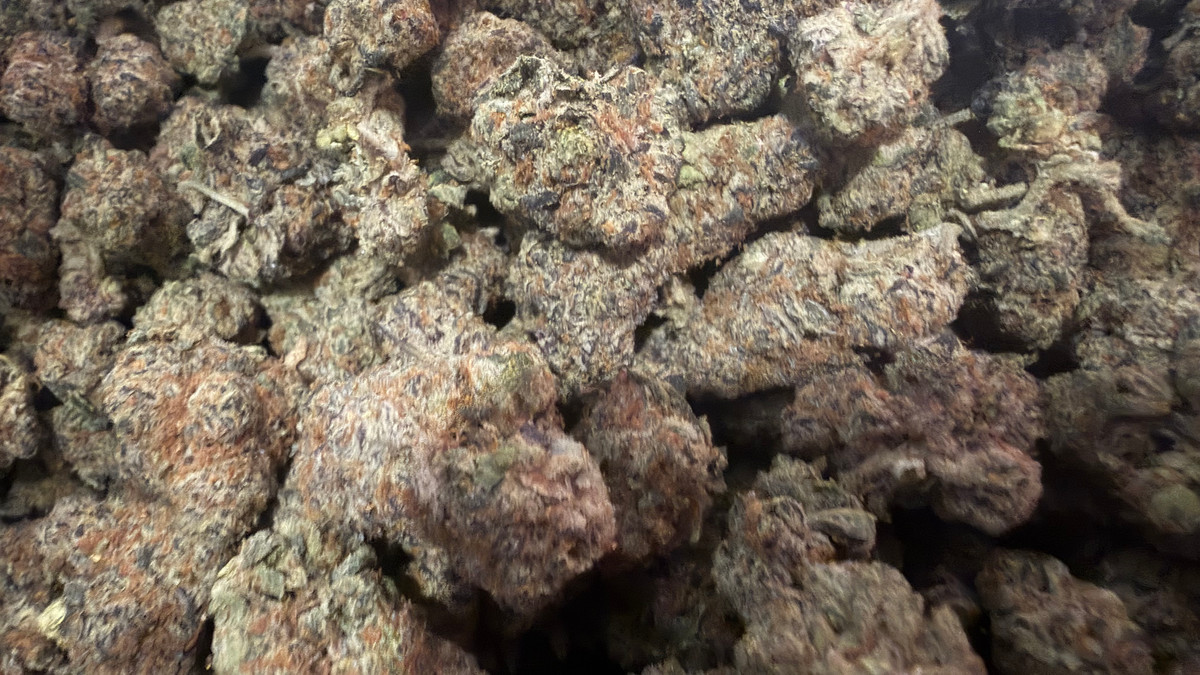
Death Star is commonly described as an indica-dominant hybrid with a sharp diesel aroma, earthy flavor, and a relaxing effect profile. Its name can sound intimidating, but the experience is usually discussed in more practical terms: strong, calming, and better suited to people who already understand how they respond to higher-THC cannabis.
Reported potency often falls in the roughly 18% to 25% THC range for flower, although the actual number depends on the cultivar, harvest, cure, and testing laboratory. That range is not a guarantee. Death Star may suit experienced consumers looking for evening relaxation, while newer consumers should approach any high-THC product slowly and pay attention to the package label.
Product Highlights
The chart below summarizes commonly reported Death Star traits. Exact characteristics can shift between growers, breeders, extraction methods, and batches.
Spec | Details |
|---|---|
Strain type | Indica-dominant hybrid, commonly reported |
Commonly reported THC range | About 18%–25% in flower; verify the current batch label |
Dominant terpenes | Myrcene, caryophyllene, and limonene are commonly associated with its profile |
Effect profile | Relaxing, heavy, euphoric, and potentially sedating at higher amounts |
Best time of day | Evening or another time when alertness and mobility demands are low |
Available formats | Flower, pre-rolls, concentrates, live resin carts, live rosin, distillate carts, and disposable vapes where offered |
Lineage and genetics
Death Star is commonly reported as a cross of Sensi Star and Sour Diesel. That pairing helps explain the strain’s reputation: Sensi Star is associated with dense, powerful indica influence, while Sour Diesel contributes a louder fuel character and a more noticeable cerebral edge.
Its exact breeder history and original seed-line documentation are not consistently established across public strain references. For that reason, lineage should be treated as commonly reported rather than proven for every product carrying the Death Star name. A dispensary label, producer, or cultivator may be working with a particular cut that differs from another grower’s version.
Aroma, flavor and terpene profile
The classic Death Star profile leans toward diesel, fuel, damp earth, and herbal spice. Some batches also show citrus or lemon notes, especially when limonene is more prominent, while others emphasize pepper, wood, or a slightly skunky finish.
Myrcene is commonly associated with earthy, musky aromas; caryophyllene can contribute peppery spice; and limonene may add brightness. Terpenes do not guarantee a specific effect, and their percentages can vary substantially from one harvest to another, so the most useful approach is to smell the flower when possible and read the batch-specific terpene panel.
Reported effects and common uses
Consumers commonly describe Death Star as beginning with a noticeable mood lift or mental shift before settling into physical relaxation. Larger amounts may feel heavy or sleepy, while smaller amounts may be more manageable for a calm evening at home. Individual responses depend on tolerance, metabolism, setting, and the product’s actual cannabinoid and terpene content.
Common non-medical reasons people mention include relaxing after work, watching a movie, listening to music, or easing into sleep preparation. These are reported experiences, not medical claims. Cannabis can also cause unwanted effects such as anxiety, dizziness, dry mouth, impaired coordination, or difficulty concentrating, so avoid driving and keep intoxicating products away from children and pets.
Formats and hardware
Flower and pre-rolls offer the clearest view of Death Star’s cured plant character. A joint or pre-roll usually produces effects within minutes when inhaled, while the flavor can change with burn temperature, paper, grind, and storage. Concentrates are more variable: live resin generally preserves a vivid, fresh-frozen terpene character, live rosin uses solventless pressure and heat, and distillate usually provides a more purified THC base with flavor added or blended separately.
Vape hardware typically includes a cartridge or disposable reservoir, a heating chamber, a coil, a mouthpiece, and either a button or draw-activated sensor. The coil heats the oil into an aerosol; it does not simply “burn” the extract. Lower settings, often around 2.2–2.8 volts or roughly 350–400°F when a device displays temperature, can preserve delicate flavor, while higher settings may create thicker vapor but also harsher taste and faster terpene loss. Stay within the manufacturer’s range rather than treating these figures as universal instructions.
Draw-activated devices fire when an airflow sensor detects an inhale; button devices require a press. Short, gentle draws are generally easier on the coil than repeated long pulls. Inhaled products usually feel faster than edibles, but onset and intensity still vary. Live resin and live rosin often taste more strain-forward, while distillate may feel more uniform from puff to puff but less representative of the original flower.
Batch testing and label reading
A certificate of analysis, or COA, is a laboratory document tied to a particular cannabis batch. Look for the batch or lot number on the package and confirm that the COA uses the same identifier. A useful report may include cannabinoids, terpenes, moisture or water activity, microbial screening, pesticides, heavy metals, and residual solvents when relevant to the product.
The cannabinoid panel may list total THC, THCA, CBD, CBDA, and other compounds. Flower often shows substantial THCA because that compound converts to THC when heated, while a vape or concentrate label may emphasize active THC. Terpene percentages can help explain why two products with the same strain name smell different, but they do not predict an exact personal experience.
Numbers can change from batch to batch, even when the packaging uses the same strain name. Treat the label as a snapshot of the product in your hands, not a permanent specification for Death Star as a whole. This section is educational only and is not a substitute for advice from a qualified professional.
How it compares
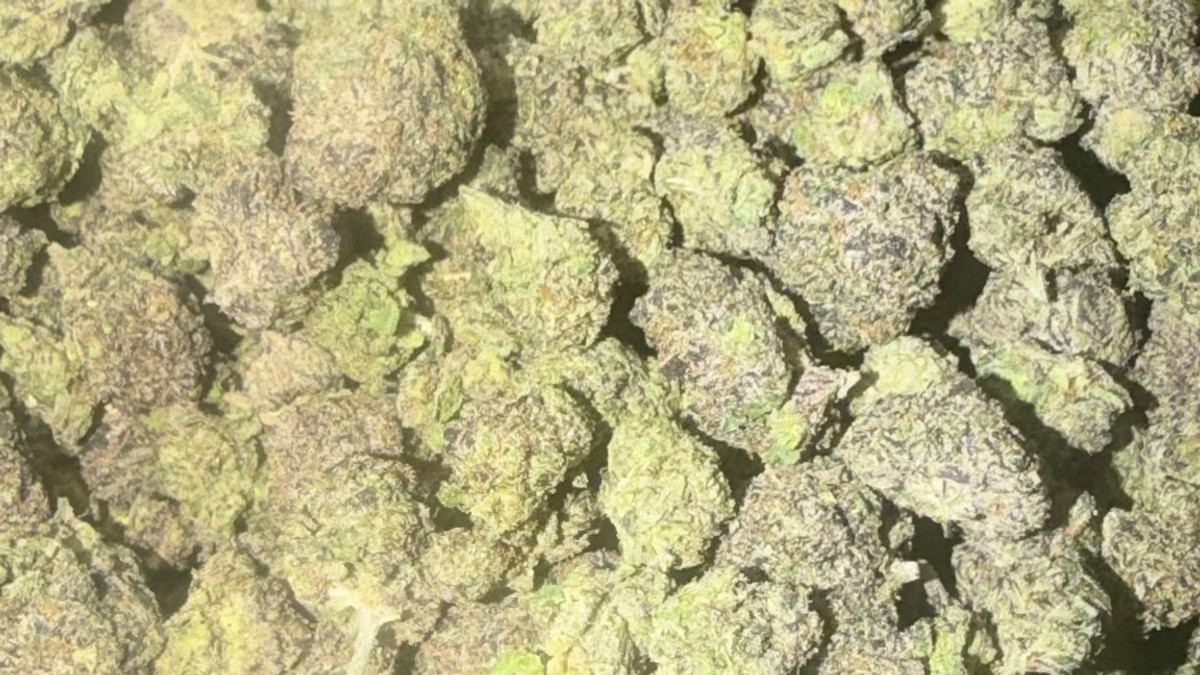
Death Star sits in a broad family of diesel-forward and indica-leaning cultivars. The comparison below uses commonly reported profiles, not guarantees about every seed line, cut, or retail batch.
Strain | Type | Flavor | Effect | Best for |
|---|---|---|---|---|
Death Star | Indica-dominant hybrid | Diesel, earth, spice, citrus | Relaxing, euphoric, heavy | Evening sessions and experienced consumers |
Sour Diesel | Sativa-dominant hybrid | Fuel, lemon, herbal notes | More cerebral and energetic for many users | Daytime creative or social settings, depending on tolerance |
Sensi Star | Indica | Earth, citrus, spice | Deeply relaxing and body-focused | Quiet evenings and unwinding |
OG Kush | Hybrid | Earth, pine, lemon, fuel | Balanced euphoria with physical relaxation | People seeking a familiar all-around hybrid profile |
Medical and wellness reports
Some adults report using Death Star while managing stress, difficulty settling down, discomfort, or appetite changes, but those reports are not proof that the strain treats a condition. Cannabis effects are personal, and a product that feels calming to one person may feel uncomfortable or sedating to another.
If you use prescription medication, have a medical condition, are pregnant or breastfeeding, or are considering cannabis for a specific symptom, speak with a qualified healthcare professional. Do not use strain descriptions as a substitute for diagnosis, treatment planning, or medication guidance.
How to Grow Death Star
Death Star is commonly treated as a moderate indoor cultivar with enough vigor to reward structured training. The numbers below are commonly reported ranges, not guarantees; phenotype, environment, container size, nutrition, and the grower’s technique can all change the result.
For Mid-Atlantic outdoor gardens, the main challenge is not simply getting the plant large. It is keeping dense flowers dry and well ventilated through humid weather, especially during late summer and early fall.
Grow Specs provide a practical starting point before the hands-on details.
Spec | Details |
|---|---|
Grow difficulty | Moderate |
Indoor flowering time | About 8–10 weeks |
Outdoor harvest window | Commonly reported around October in the Northern Hemisphere |
Yield potential | Indoor: roughly 350–500 g/m²; outdoor: roughly 500–700 g per plant under favorable conditions |
Plant height and stretch | Medium to tall; commonly reported moderate stretch after the flip |
Ideal climate | Warm, stable, dry-to-moderate humidity with strong airflow |
Mold and pest resistance | Moderate and dependent on canopy management; dense flowers require prevention |
Grow Difficulty
Death Star is best rated Moderate. It can be forgiving when temperature and irrigation are reasonably stable, but it is not a set-it-and-forget-it plant: the stretch, vigorous lateral growth, and potentially dense colas create more work during flower.
It suits an intermediate grower or a first-time cultivator who is prepared to monitor the garden closely. Beginners can succeed, but should not rely on the strain’s reported resilience to cover overwatering, poor airflow, or major feeding mistakes.
Canopy, Training and Pruning
Vegetative growth is commonly described as vigorous, with moderate node spacing and enough stretch after the move to 12/12 to justify early planning. Topping and low-stress training can spread the plant across a screen, while SCROG is useful for keeping multiple flowering sites at an even distance from the light.
Remove weak interior growth gradually rather than stripping the plant in one pass. Defoliation can improve airflow, but excessive leaf removal may stress the plant and expose flowers to intense light. Support branches before the flowers gain weight, because dense tops can become brittle late in bloom.
Feeding, Climate and Environment
Death Star is commonly treated as a moderate-to-heavy feeder once established, though young plants should not be pushed. A balanced nitrogen supply supports vegetative growth, while calcium and magnesium may need attention in filtered or soft water; always read the nutrient manufacturer’s guidance and watch the plant rather than chasing a fixed schedule.
Many growers target roughly 75–85°F in veg with relative humidity around 55%–70%, then move toward approximately 68–80°F and 40%–55% humidity in flower. In humid DC, Maryland, and Virginia summers, use strong air exchange, circulation above and below the canopy, covered soil, and careful watering. Powdery mildew and bud rot are environmental risks even when a cultivar is described as moderately resistant.
Harvest Timing and Curing
Use a loupe or microscope to inspect trichomes rather than relying only on calendar estimates. Mostly cloudy trichomes with a smaller amber portion are commonly chosen for a balanced, alert-to-relaxed harvest, while more amber can produce a heavier-feeling result; clear trichomes generally indicate that the flowers are still developing.
Darkening pistils and a mature, louder aroma can support the decision, but neither signal is decisive alone. Dry slowly in darkness with controlled airflow, avoid blowing fans directly at the flowers, and cure in clean airtight containers with regular early venting. Protecting the terpene profile means avoiding excessive heat and rushing the dry.
Home Grow Rules in the DMV
As a plain-language guide, adults 21 and older in DC may grow up to six plants, with no more than three mature, and a household may have up to 12 plants. Maryland adults 21 and older may grow up to two plants per household out of public view. Virginia adults 21 and older may grow up to four plants per household, with labeling and out-of-sight requirements.
Home-grow rules can change and additional restrictions may apply, so check current local law before planting. This information is educational only, not legal advice.
Similar strains worth trying
If Death Star’s reported profile appeals to you, Sour Diesel is the logical comparison for a louder fuel aroma and a more cerebral direction. Sensi Star leans further into dense, earthy relaxation, while OG Kush offers a familiar bridge between fuel, citrus, pine, and body effects.
When comparing products, focus on the actual batch rather than the name alone. Look at the terpene panel, total cannabinoids, cultivation date when provided, extraction method, and whether the product is flower, a pre-roll, live resin, live rosin, or distillate.
The Bud Lords Take
Our take: Death Star is most interesting when its diesel edge and heavier indica influence stay in balance. It is not necessarily the strain to reach for when you need maximum daytime focus, but it can make sense for an intentional evening session when you have no driving, work, or other high-attention task ahead.
For DMV readers, the legal setting matters as much as the cultivar profile. DC operates under Initiative 71 gifting rules, which are distinct from a standard regulated retail model, while Maryland and Virginia have their own separate adult-use and home-grow rules. Products are for adults 21 and older, and possession, purchase, gifting, delivery, and home cultivation should be checked against current jurisdiction-specific requirements.
Whether you choose flower, a pre-roll, or a vape, start with the package information and respect the product’s strength. A future Death Star batch may not smell, test, or feel exactly like the last one, so let the label and your own response—not the strain name—guide the session.
Death Star strain FAQ
Here is what most people ask about Death Star in this area.
Is Death Star indica or sativa?
Death Star is commonly described as an indica-dominant hybrid. Exact balance can vary by phenotype, breeder, and product batch.
What does Death Star taste like?
Its commonly reported flavor combines diesel or fuel with earth, herbal spice, and sometimes citrus or lemon.
Is Death Star good for beginners?
Its reported potency and relaxing profile may be more comfortable for experienced consumers. Newer consumers should use caution, read the label, and avoid assuming a strain name predicts a specific experience.
How long does Death Star take to flower?
Indoor flowering is commonly reported at about eight to ten weeks, while outdoor harvest is often placed around October in the Northern Hemisphere. Actual timing depends on the phenotype and growing conditions.
Death Star is not in the Bud Lords menu right now. Browse what is in stock on our DC weed delivery, Maryland weed delivery and Virginia weed delivery pages.
More strain guides: Super Boof, Glitter Bomb, Cereal Milk.
Frequently asked questions
Here is what most people ask about Death Star in this area.
What Death Star is?
Death Star is commonly described as an indica-dominant hybrid with a sharp diesel aroma, earthy flavor , and a relaxing effect profile. Its name can sound intimidating, but the experience is usually discussed in more practical terms: strong, calming, and better suited to people who already understand how they respond to higher-THC cannabis. Reported potency often falls in the roughly 18% to 25% THC range for flower, although the actual number depends on the cultivar, harvest, cure, and testing laboratory.
How it compares?
Death Star sits in a broad family of diesel-forward and indica-leaning cultivars. The comparison below uses commonly reported profiles, not guarantees about every seed line, cut, or retail batch.
How to Grow Death Star?
Death Star is commonly treated as a moderate indoor cultivar with enough vigor to reward structured training. The numbers below are commonly reported ranges, not guarantees; phenotype, environment, container size, nutrition, and the grower’s technique can all change the result. For Mid-Atlantic outdoor gardens, the main challenge is not simply getting the plant large.
Is Death Star indica or sativa?
Death Star is commonly described as an indica-dominant hybrid. Exact balance can vary by phenotype, breeder, and product batch.
What does Death Star taste like?
Its commonly reported flavor combines diesel or fuel with earth, herbal spice, and sometimes citrus or lemon.
Is Death Star good for beginners?
Its reported potency and relaxing profile may be more comfortable for experienced consumers. Newer consumers should use caution, read the label, and avoid assuming a strain name predicts a specific experience.
Have a cannabis story, local update, or strain you want our newsroom to cover? Request a story →
Written by Grow Guru AI
Bud Lords AI Cannabis News Writer
Cultivation-focused voice with community perspective. Covers growing tips, techniques, and cultivation industry news.
Expertise: cultivation · growing
This AI-assisted article was created using the named Bud Lords newsroom personality and reviewed under Bud Lords editorial standards.


Comments