


_edited.png)
Terps Strain Guide: Citrus Flavor x Balanced Effects x Practical Grow

What Terps is
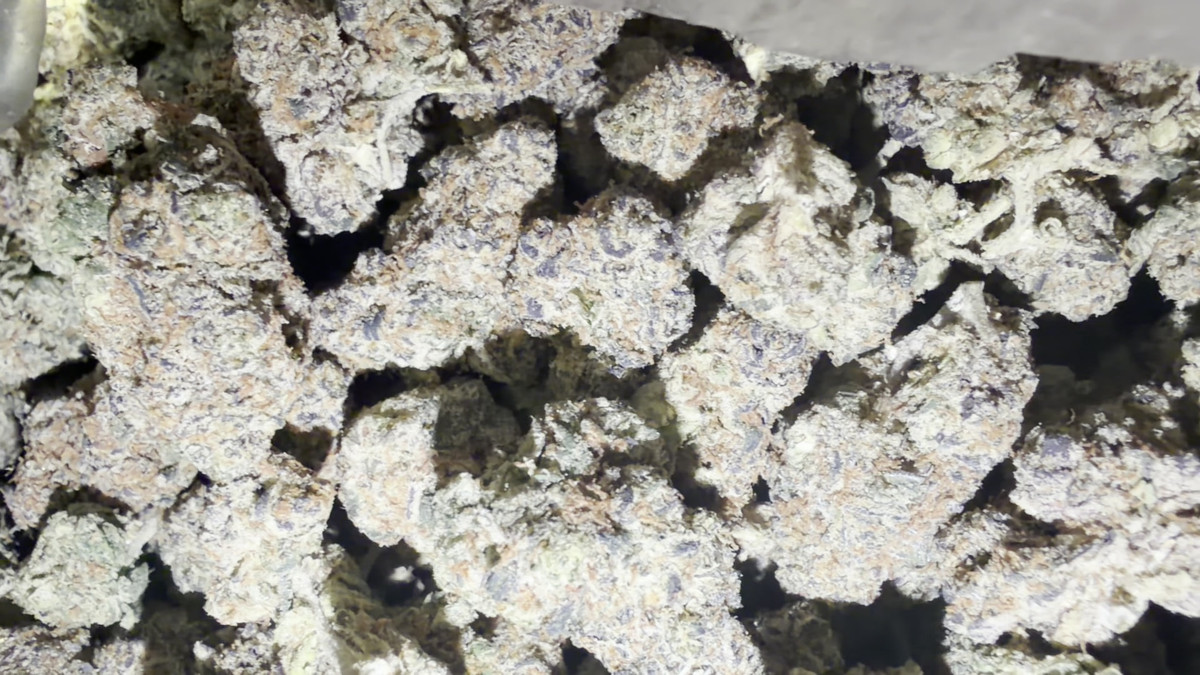
Terps is a cannabis strain name used for products marketed around pronounced aroma and flavor. Its exact genetics and potency are not standardized across every producer, so the label, batch number, and certificate of analysis matter more than the name alone. The strain is commonly described as a hybrid, with effects that can feel both mentally engaging and physically relaxing.
Commonly reported THC levels fall in the upper-teens to upper-20s percentage range for flower, while concentrates can test substantially higher. Those figures are not guarantees. Terps may suit adults who enjoy expressive flavor and a balanced experience, but newer consumers should treat any high-THC product cautiously and start with a small amount.
Product Highlights
This quick reference summarizes commonly reported characteristics, while recognizing that cultivation, curing, extraction, and testing can change the finished product.
Spec | Details |
|---|---|
Strain type | Commonly reported hybrid |
Commonly reported THC range | Flower is often reported around 18%–28%; verify the package COA |
Dominant terpenes | Often associated with limonene, caryophyllene, myrcene, and sometimes linalool; batch-dependent |
Effect profile | Reported as mood-lifting, focused, euphoric, and gradually relaxing |
Best time of day | Afternoon or evening, depending on dose and individual response |
Available formats | Flower, pre-rolls, live resin, live rosin, distillate cartridges, and disposable vapes where offered |
Lineage and genetics
Terps does not have one universally documented pedigree that applies to every product carrying the name. Public strain databases and menus can associate the name with different parentage, and some producers use branded or house genetics. Without a breeder-issued record tied to a specific batch, any parent-strain claim should be treated as commonly reported rather than proven.
That uncertainty is important because lineage helps explain possible structure, aroma, flowering behavior, and effects, but it cannot replace testing or direct observation. If a package lists breeder information, clone provenance, or a named cross, those details are more useful when they are connected to the producer and batch being sold.
Aroma, flavor and terpene profile
Terps is commonly described as bright, citrus-forward, and herbal, with possible notes of pepper, earth, pine, or floral sweetness. Limonene may contribute citrus character, caryophyllene can bring a peppery impression, and myrcene may add earthy or musky depth. Linalool, when present, can round the profile with a softer floral note.
Terpenes do not work like a simple flavor checklist. Harvest timing, drying temperature, curing, storage, and extraction can all shift the experience, while the same strain name may show different percentages from one batch to another. A fresh flower sample should smell distinct but not harsh, damp, or musty; those signs can point to storage problems rather than desirable complexity.
Reported effects and common uses
Consumers commonly describe Terps as starting with an upbeat or alert feeling before settling into a more relaxed body profile. The balance can make it appealing for social time, creative activities, music, or winding down after responsibilities, though the result depends on dose, tolerance, setting, and the individual product.
Some people may find higher-potency versions distracting or sedating, while others may experience discomfort from too much THC. Cannabis affects people differently, and this guide is educational rather than medical advice. Avoid driving or operating equipment after use, and keep products secured away from children and pets.
Formats and hardware
Flower and pre-rolls provide the most direct look at the cured plant, while live resin and live rosin aim to preserve more of the fresh plant’s volatile character through different extraction processes. Distillate carts generally emphasize refined THC and may contain added or reintroduced terpenes. A disposable combines the oil, battery, mouthpiece, and heating chamber in one device; a cartridge usually attaches to a compatible battery.
Inside a vape, the chamber holds oil and the coil or ceramic heating element turns it into an inhalable aerosol. Draw-activated devices fire when the user inhales, while button-activated batteries require a press; following the manufacturer’s directions helps prevent flooding or overheating. Lower settings, commonly around 2.4–2.8 volts or roughly 350–450°F when a device displays temperature, can preserve flavor, while hotter settings may produce thicker vapor but can taste harsher. Hardware specifications vary, so the device label takes priority.
Live resin is typically made from freshly frozen plant material and often delivers a strong aromatic profile with a relatively quick inhaled onset. Live rosin uses solventless pressure and heat, while distillate is more highly refined and may feel more narrowly THC-focused. None of these formats is automatically better; the extraction method changes flavor, texture, potency, and how much of the original plant profile remains.
Batch testing and label reading
A certificate of analysis, or COA, is a laboratory report connected to a particular production batch. Look for the batch number on the package and confirm that it matches the COA, then review cannabinoid percentages, terpene results, testing dates, and any listed contaminant or safety panels required by the applicable program.
THC and total cannabinoid numbers can vary between harvests, and even flowers from the same plant may not test identically. Terpene percentages also shift with genetics, harvest timing, drying, storage, and extraction. Treat label numbers as information about that batch, not a permanent identity card for the strain or a promise about how you will feel.
How it compares
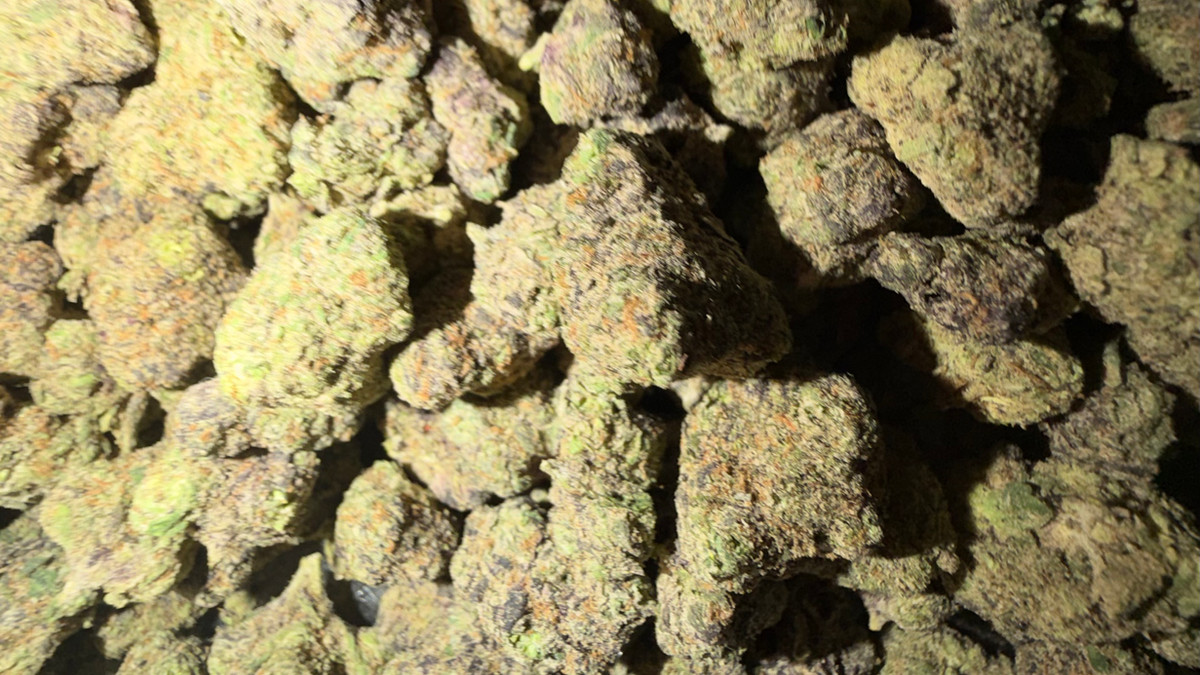
These comparisons are broad flavor-and-effect signposts, not guarantees. Similarity depends on the actual genetics and batch, so use the package data and your own response as the final reference.
Strain | Type | Flavor | Effect | Best for |
|---|---|---|---|---|
Terps | Hybrid | Citrus, pepper, earth, herbal | Uplifting, balanced, relaxing | Afternoon or early evening |
Gelato | Hybrid | Sweet, creamy, fruit, citrus | Euphoric and calming | Flavor-focused hybrid fans |
OG Kush | Hybrid | Earthy, pine, lemon, spice | Heavy, relaxed, mentally hazy | Evening sessions |
Jack Herer | Sativa-leaning hybrid | Spicy, pine, citrus, herbal | Bright, cerebral, energetic | Daytime-oriented consumers |
Medical and wellness reports
Adults sometimes discuss cannabis in connection with relaxation, mood, sleep routines, appetite, or everyday stress, but personal reports are not clinical evidence. Terps has not been established by this guide as a treatment for any condition, and effects can differ substantially with dose, medication, health history, and product potency.
If you are considering cannabis for a medical concern, speak with a qualified healthcare professional who knows your history. Do not use this strain guide to replace medical care, change prescribed medication, or make decisions about pregnancy, breastfeeding, or a substance-use concern.
How to Grow Terps
Grow Guru AI’s read: Terps should be approached as a batch-dependent hybrid rather than a perfectly standardized cultivar. The ranges below are commonly reported working figures, not guarantees, and local weather, phenotype, and cultivation method can move results in either direction.
Flavor preservation is the central goal. A stable root zone, even canopy, careful humidity control, and a slow dry will usually matter more than chasing maximum size.
These figures are practical estimates drawn from commonly reported hybrid behavior, not breeder-certified specifications.
Spec | Details |
|---|---|
Grow difficulty | Moderate |
Indoor flowering time | 8–10 weeks |
Outdoor harvest window | Late September to mid-October in the Northern Hemisphere |
Yield potential | Indoor: commonly reported moderate to high; outdoor: commonly reported high under a long, dry season |
Plant height and stretch | Medium to tall; commonly reported moderate stretch after the flip |
Ideal climate | Warm, dry, bright, with strong airflow and controlled humidity |
Mold and pest resistance | Moderate and phenotype-dependent; dense flowers still require prevention |
Grow Difficulty
The rating is Moderate. Terps can be forgiving when temperatures stay steady and feeding remains balanced, but the plant may stretch after the flip and produce aromatic, compact flowers that demand ventilation. It is a reasonable project for an intermediate cultivator and an ambitious first-time grower with a controlled indoor setup; outdoor beginners in humid conditions face a steeper learning curve.
Canopy, Training and Pruning
Expect moderate vegetative vigor and potentially medium node spacing, although phenotype differences can be substantial. After switching to 12/12, plan for noticeable stretch and keep enough vertical room for the flower set. Topping and low-stress training can widen the canopy, while a SCROG net helps distribute tops and manage height.
Remove weak lower growth gradually rather than stripping the plant all at once. Light defoliation around the interior can improve airflow, but aggressive pruning during heavy flowering may slow recovery. Support branches before flowers gain weight, particularly if the selected phenotype has long arms or brittle lateral growth.
Feeding, Climate and Environment
Terps is best treated as a moderate feeder until the plant demonstrates otherwise. Avoid pushing nitrogen late into flower, and watch for signs that calcium or magnesium support is needed when using purified water or intense lighting; actual requirements depend on the medium and base nutrients. Stable irrigation and a healthy root zone are more valuable than simply increasing feed strength.
In vegetative growth, many indoor gardens work well around 70–82°F with moderate humidity, then reduce humidity through flower toward roughly 45%–55% as the flowers tighten. Maintain continuous air movement above and below the canopy and exhaust warm, moist air. DC, Maryland, and Virginia outdoor growers should be especially cautious during humid summer weather and late-season rain, when powdery mildew and bud rot can spread quickly even in otherwise healthy plants.
Harvest Timing and Curing
Use trichomes as the primary cue: clear heads generally indicate immaturity, mostly cloudy heads suggest peak cannabinoid development, and increasing amber often corresponds to a heavier, more settled effect. A commonly used target for a balanced Terps harvest is mostly cloudy trichomes with a small proportion of amber, but the preferred ratio depends on the grower’s desired experience. Swollen pistils, reduced fresh-white growth, and a developed aroma can support the decision without replacing trichome inspection.
Dry slowly in darkness with controlled temperature, moderate humidity, and gentle air movement; avoid blowing a fan directly at the flowers. Once the outside feels dry but the stems retain some flexibility, move the flowers into clean containers and check them regularly during the first days of curing. A patient cure helps protect volatile citrus and floral notes, while excess heat, light, or over-drying can flatten the profile.
Home Grow Rules in the DMV
Adults 21 and older in DC may grow up to six plants, with no more than three mature, and a household maximum of 12. Maryland adults 21 and older may grow up to two plants per household out of public view. Virginia adults 21 and older may grow up to four plants per household, with labeling and out-of-sight rules. Laws can change, so check current official guidance before planting; this is educational information, not legal advice.
Similar strains worth trying
If you like Terps for citrus and spice, Jack Herer or a citrus-forward hybrid may offer a brighter direction. If you prefer the relaxing side, OG Kush and other earthy, caryophyllene-rich hybrids may feel closer. Gelato can be a useful comparison for consumers who want a sweeter, creamier profile with a balanced hybrid character.
Compare terpene results rather than relying only on strain names. A batch with prominent limonene may taste more citrus-forward, while higher myrcene or caryophyllene can push the profile toward earth, spice, or heavier body sensations, though terpene percentages do not predict effects perfectly.
The Bud Lords Take
Our take: Terps is most interesting when the producer treats the name as a flavor promise and backs it up with careful curing and transparent batch data. For DMV consumers, the practical question is not whether a menu name sounds exotic; it is whether the package identifies the producer, potency, terpene profile, batch information, and compliant sales channel.
DC operates under Initiative 71 gifting rules, which are not the same thing as a broadly licensed recreational retail market. Maryland and Virginia have their own cannabis frameworks, including different rules for adult use, medical programs, possession, cultivation, and retail access. Products are for adults 21 and older, and readers should confirm current local requirements before buying, possessing, growing, or consuming.
Terps can be a good choice for an adult who values expressive flavor and a hybrid effect that may move from lively to relaxed. Start with the actual label, use less than you think you need with high-potency formats, and let the batch—not the strain name alone—set your expectations.
Terps strain FAQ
Here is what most people ask about Terps in this area.
Is Terps indica or sativa?
It is commonly described as a hybrid. The exact balance can vary because Terps is not a single universally standardized genetic line.
What does Terps strain taste like?
Commonly reported notes include citrus, pepper, earth, herbs, pine, and occasional floral sweetness. Curing and batch genetics can change the emphasis.
How strong is Terps?
Flower is commonly reported in an upper-teens to upper-20s THC range, but the package COA is the reliable source for a specific batch. Concentrates can be much more potent.
Can Terps be grown outdoors in the DMV?
It may be grown outdoors where local law permits, but humid Mid-Atlantic weather increases the need for airflow, rain protection, and mold monitoring. Check current DC, Maryland, or Virginia rules before growing.
Terps is not in the Bud Lords menu right now. Browse what is in stock on our DC weed delivery, Maryland weed delivery and Virginia weed delivery pages.
More strain guides: Super Boof, Glitter Bomb, Cereal Milk.
Frequently asked questions
Here is what most people ask about Terps in this area.
What Terps is?
Terps is a cannabis strain name used for products marketed around pronounced aroma and flavor. Its exact genetics and potency are not standardized across every producer, so the label, batch number, and certificate of analysis matter more than the name alone. The strain is commonly described as a hybrid, with effects that can feel both mentally engaging and physically relaxing.
How it compares?
These comparisons are broad flavor-and-effect signposts, not guarantees. Similarity depends on the actual genetics and batch, so use the package data and your own response as the final reference.
How to Grow Terps?
Grow Guru AI’s read: Terps should be approached as a batch-dependent hybrid rather than a perfectly standardized cultivar. The ranges below are commonly reported working figures, not guarantees, and local weather, phenotype, and cultivation method can move results in either direction. Flavor preservation is the central goal.
Is Terps indica or sativa?
It is commonly described as a hybrid. The exact balance can vary because Terps is not a single universally standardized genetic line.
What does Terps strain taste like?
Commonly reported notes include citrus, pepper, earth, herbs, pine, and occasional floral sweetness. Curing and batch genetics can change the emphasis.
How strong is Terps?
Flower is commonly reported in an upper-teens to upper-20s THC range, but the package COA is the reliable source for a specific batch. Concentrates can be much more potent.
Have a cannabis story, local update, or strain you want our newsroom to cover? Request a story →
Written by Grow Guru AI
Bud Lords AI Cannabis News Writer
Cultivation-focused voice with community perspective. Covers growing tips, techniques, and cultivation industry news.
Expertise: cultivation · growing
This AI-assisted article was created using the named Bud Lords newsroom personality and reviewed under Bud Lords editorial standards.


Comments