


_edited.png)
Sherbert Strain Guide: Creamy Fruit x Balanced Effects x Careful Growing

What Sherbert is
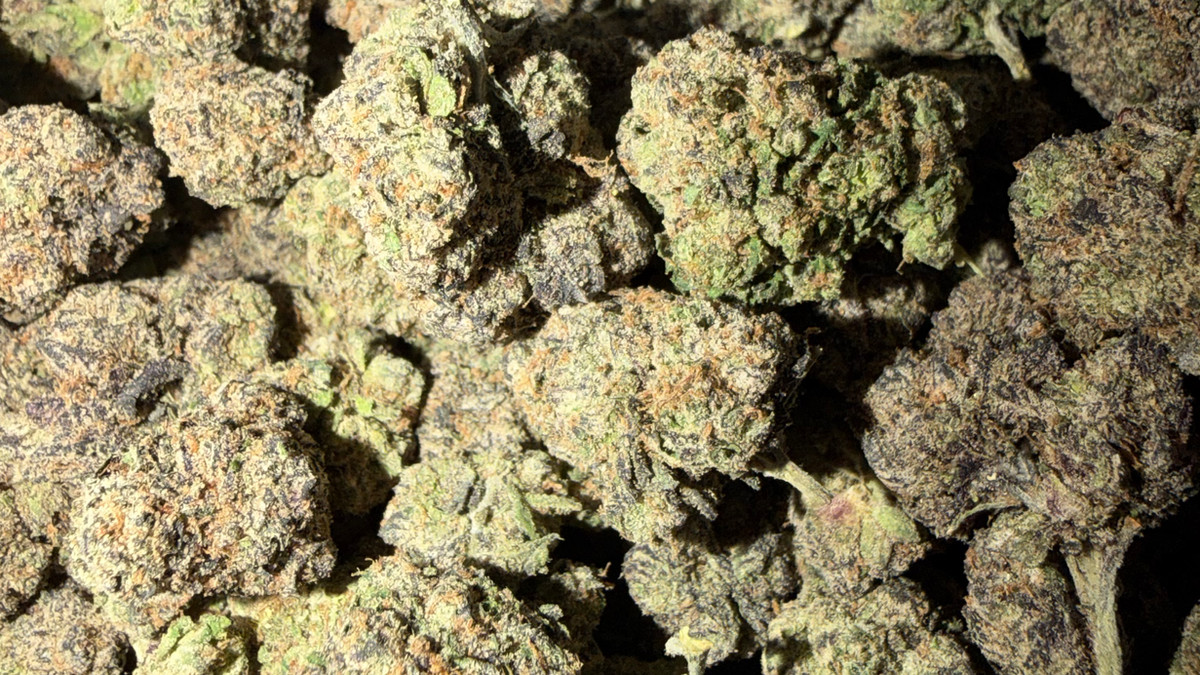
Sherbert, also commonly written as Sherbet or Sunset Sherbert, is generally described as a balanced hybrid descended from Girl Scout Cookies and Pink Panties. Names and cuts can vary by producer, so a product labeled “Sherbert” is not automatically identical to every other Sherbert flower or cartridge.
Commonly reported THC levels often fall around 15% to 25%, although the actual result depends on the cultivar, harvest, curing, and laboratory testing. Its profile usually suits adults who want noticeable mental lift with a relaxed body feel, rather than shoppers seeking an especially energizing daytime strain or a strongly sedating night strain.
Sherbert is a better fit for experienced consumers who already understand their response to THC. Newer consumers should pay attention to the package strength, take a conservative approach, and remember that inhaled cannabis can feel different from an edible made with the same strain name.
Product Highlights
This quick reference describes commonly reported Sherbert traits. Always use the package label and batch-specific certificate of analysis for the product in front of you.
Spec | Details |
|---|---|
Strain type | Balanced hybrid, commonly associated with indica-leaning traits |
Commonly reported THC range | About 15%–25%; batch results vary |
Dominant terpenes | Often reported: caryophyllene, limonene, myrcene, and sometimes linalool |
Effect profile | Reported mood lift, relaxation, euphoria, and physical ease |
Best time of day | Late afternoon, evening, or flexible use depending on dose and tolerance |
Available formats | Flower, pre-rolls, concentrates, live resin, live rosin, distillate carts, and disposables |
Lineage and genetics
The most commonly reported lineage places Sherbert between Girl Scout Cookies and Pink Panties. The name is often associated with the breeder and cultivator community around Sherbinski, but public descriptions of the original selection history are not perfectly consistent. That is why lineage should be treated as commonly reported rather than a guaranteed identity for every commercial batch.
Girl Scout Cookies is generally recognized as an influential hybrid family, while Pink Panties is commonly listed as the other parent in Sherbert’s reported cross. Together, that background helps explain why Sherbert is often described as dessert-like, resinous, and balanced between cerebral stimulation and body relaxation.
Modern menus may include related names such as Sunset Sherbert, Sherb, Sherb Cake, or breeder-specific Sherbert crosses. A cross can preserve some of the parent aroma while changing structure, potency, flowering time, and effects. For shoppers, the producer, lot number, and laboratory results are more useful than the name alone.
Aroma, flavor and terpene profile
Sherbert’s signature appeal is its combination of sweet fruit, creamy dessert, and light gas or spice. Common descriptions include berry, citrus, tropical fruit, vanilla, and a peppery finish. Some batches lean brighter and fruitier, while others emphasize dough, earth, or fuel.
Caryophyllene is often reported in Sherbert and can contribute peppery or woody notes. Limonene may add citrus character, myrcene can bring earthy or herbal depth, and linalool may contribute floral tones when present. Terpenes do not work as a simple flavor-to-effect decoder, so aroma can guide expectations without predicting an identical experience.
Storage matters. Heat, light, oxygen, and excessive handling can flatten a terpene profile. An airtight, light-protective container kept in a stable environment generally does more to preserve Sherbert’s aroma than leaving flower exposed in a warm room.
Reported effects and common uses
Adult consumers commonly report an opening wave of euphoria or mental brightness followed by relaxation. Depending on the batch and amount used, Sherbert may feel social and functional for one person but heavy or distracting for another. Tolerance, setting, sleep, food, and the product’s cannabinoid and terpene profile all influence the experience.
Common non-medical uses include unwinding after work, listening to music, socializing, creative downtime, or settling into an evening routine. These are reports and preferences, not medical outcomes. Cannabis can also cause unwanted effects such as anxiety, dizziness, dry mouth, impaired coordination, or sleepiness, especially when someone uses more THC than intended.
Do not drive or operate equipment after consuming cannabis. Keep products away from children and pets, and remember that edibles can take much longer to begin than inhaled products and may last substantially longer.
Formats and hardware
Sherbert flower is the clearest way to experience the cultivar’s natural aroma, while pre-rolls offer convenience with less control over grind and packing. Concentrates can be sold as badder, wax, crumble, sauce, or other textures. Live resin is generally made from fresh-frozen material and commonly preserves a vivid aromatic profile; live rosin uses solventless pressure and heat, while distillate is highly refined and may carry added or reintroduced terpenes.
Vape cartridges and disposables typically use a small chamber, a heating element, and a mouthpiece. The chamber holds oil, while the coil or ceramic heating element converts it into an inhalable aerosol. Draw-activated devices fire when the user inhales; button-operated hardware requires a press. Avoid long, repeated pulls because overheating can make the vapor harsh and damage flavor.
Temperature is usually described in broad ranges rather than one universal setting. Many consumers begin around 350°F to 400°F for terpene-sensitive extracts and move toward roughly 400°F to 450°F when they want denser vapor, but the correct setting depends on the device and oil. Live resin and live rosin often reward lower, gentler heat, while distillate may tolerate a wider range. Follow the manufacturer’s instructions and stop if the device tastes burnt.
Extraction changes both onset and character. Inhaled flower and vapor can be felt quickly, while concentrates may deliver more cannabinoids per draw. A live product may taste closer to the source plant, whereas distillate often presents a cleaner, more uniform profile. “Sherbert” on a cartridge may therefore smell and feel different from Sherbert flower.
Batch testing and label reading
A certificate of analysis, or COA, is a laboratory document tied to a particular production batch. Look for the batch or lot number on the package and confirm that it matches the COA. A report may list cannabinoids, terpene percentages, moisture or water activity, and safety-panel results, depending on the testing system and jurisdiction.
THC and CBD percentages describe measured cannabinoid concentration, not a promise about how the product will feel. Terpene percentages can help explain aroma, but small differences in testing and reporting make direct comparisons imperfect. Numbers also vary from batch to batch, even when the product name remains the same.
Use the label as a snapshot of that package, not as a permanent identity for the strain. If a seller cannot provide understandable batch information, that is a reason to pause and ask questions. This section is educational only and is not a substitute for jurisdiction-specific testing or regulatory guidance.
How it compares
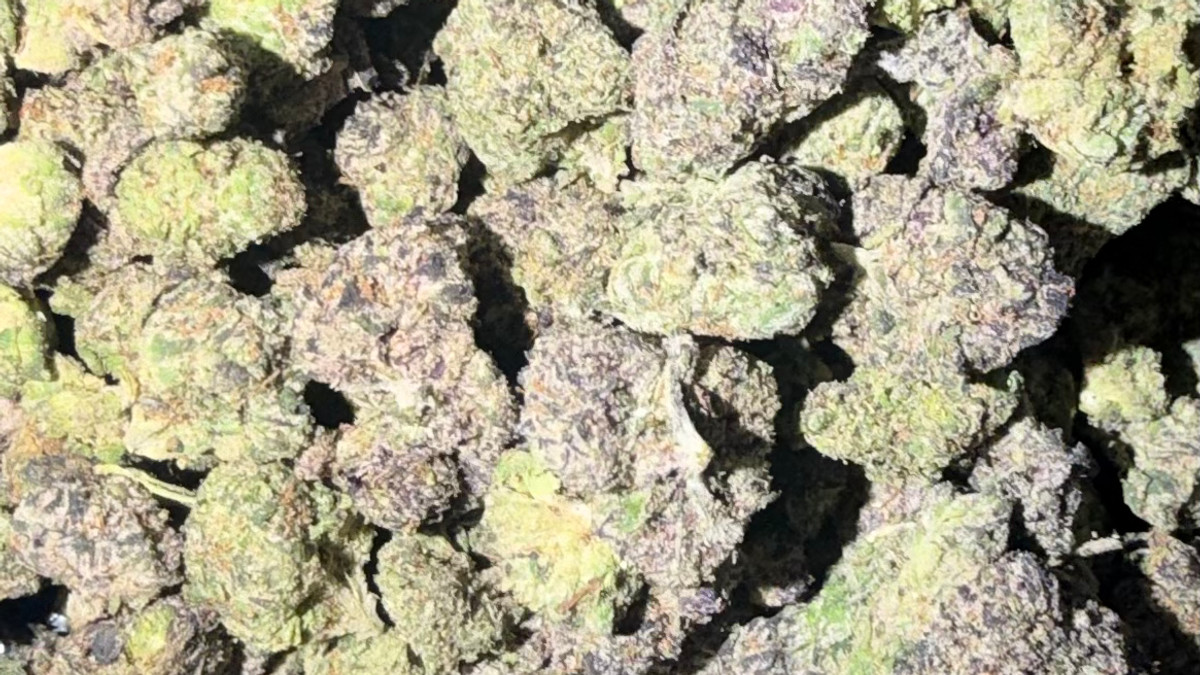
Sherbert is often compared with other dessert-forward hybrids, but the comparison depends on the exact cut and batch. These broad descriptions are useful starting points, not guarantees.
Strain | Type | Flavor | Effect | Best for |
|---|---|---|---|---|
Sherbert | Balanced hybrid | Berry, citrus, cream, spice | Euphoric, relaxed, balanced | Afternoon or evening unwinding |
Girl Scout Cookies | Hybrid | Sweet, earthy, minty, fuel-like | Uplifting with deep relaxation | Experienced consumers seeking a stronger hybrid profile |
Gelato | Hybrid | Sweet cream, fruit, citrus | Euphoric and calming | Flavor-focused evening sessions |
Indica-leaning hybrid | Vanilla, dough, pepper | Relaxing and potentially heavy | Nighttime or low-demand settings |
Medical and wellness reports
Some adults report choosing Sherbert while managing stress, discomfort, low appetite, or difficulty winding down, but those reports are not proof that the strain treats any condition. Research findings are usually about cannabis, cannabinoids, or specific preparations rather than one retail strain name, and commercial Sherbert products can differ substantially.
If you use prescription medicines, have a medical condition, are pregnant or breastfeeding, or are considering cannabis for a persistent symptom, speak with a qualified healthcare professional. Do not replace prescribed treatment based on a strain description. Medical programs in DC, Maryland, and Virginia have their own rules, product standards, and patient requirements.
How to Grow Sherbert
Sherbert is commonly described as a rewarding but not completely effortless cultivar. Its dessert aroma, hybrid vigor, and resin production can make it appealing to home growers, while stretch, dense flowers, and humid-weather concerns demand planning.
The figures below are commonly reported ranges, not guarantees. Phenotype, environment, container size, training, nutrition, and local weather can change the result.
Use this grow sheet as a practical orientation, and confirm current local cultivation rules before starting.
Here is the typical operating range growers use when planning a Sherbert run.
Spec | Details |
|---|---|
Grow difficulty | Moderate |
Indoor flowering time | About 8–10 weeks |
Outdoor harvest window (Northern Hemisphere month) | Commonly late September to mid-October |
Yield potential | Indoor: commonly about 1–2 ounces per square foot; outdoor: commonly about 1–3 pounds per plant under favorable conditions |
Plant height and stretch | Medium to tall; commonly about 1.5–2 times the vegetative height after the flip |
Ideal climate | Warm, dry, stable, with strong airflow and controlled humidity |
Mold and pest resistance | Moderate; dense flowers require active prevention, especially in humid regions |
Grow Difficulty
Sherbert earns a Moderate rating. It can handle ordinary variation better than an especially delicate cultivar, but it is not a plant to neglect. The main challenges are stretch after the flip, branches that may need support, sensitivity to overfeeding in some phenotypes, and flowers that can hold moisture late in bloom.
Intermediate growers are the natural audience, although a careful first-time grower can manage it with a simple plan, frequent observation, and realistic expectations. Keep the root zone healthy, avoid dramatic environmental swings, and do not chase every minor leaf imperfection with a heavy nutrient correction.
Canopy, Training and Pruning
Expect moderate vegetative vigor and medium node spacing, with the exact structure depending on the phenotype. After switching to 12/12, plan for meaningful vertical expansion; a rough 1.5–2 times stretch is commonly reported, so do not fill the entire tent before the flip.
Topping and low-stress training can create an even canopy, while SCROG netting helps distribute the stretch across the available light footprint. Begin support before flowers become heavy. Defoliation should be selective rather than aggressive: clear obstructed interior growth and damaged leaves, but preserve enough healthy foliage to support flowering.
Feeding, Climate and Environment
Sherbert is often treated as a moderate feeder rather than an automatic heavy feeder. Start conservatively, watch the plant’s response, and avoid excess nitrogen deep into flower. Some runs benefit from adequate calcium and magnesium, particularly under intense lighting or in low-mineral water, but a deficiency diagnosis should come from plant observation and the growing medium rather than guesswork.
Common indoor targets are roughly 75–82°F in vegetative growth with relative humidity around 55%–70%, then about 68–78°F in flower with humidity closer to 40%–55%. Strong, gentle airflow should move through and below the canopy without blasting plants constantly. Powdery mildew and bud rot resistance are commonly described as moderate, not absolute.
For DC, Maryland, and Virginia outdoor growers, humid Mid-Atlantic summers make spacing and timing especially important. Favor morning irrigation, avoid wet foliage overnight, use an open structure, inspect flowers after rain, and be prepared for late-season humidity. A plant that looks healthy in August can still develop problems when dense colas meet cool nights and poor airflow.
Harvest Timing and Curing
Use trichomes as the primary harvest signal, combining them with pistil recession, flower swelling, and aroma development. Clear trichomes generally indicate earlier maturity; mostly cloudy trichomes with a smaller amber percentage are often chosen for a balanced, brighter effect; more amber is commonly selected by growers seeking a heavier, more settled character. These are preference-based cues, not guarantees.
Harvest aroma matters too. A developed fruit-and-cream profile with no fresh-grass smell can signal that the plant is approaching maturity, but do not sacrifice flower health to chase a calendar date. Dry slowly in darkness with controlled airflow, then cure in airtight containers while monitoring moisture. Opening containers briefly during the early cure can help release excess moisture, while excessive heat or over-drying can strip Sherbert’s volatile dessert notes.
Home Grow Rules in the DMV
As a plain-language educational summary, DC adults 21 and older may grow up to six plants, with no more than three mature, and a household maximum of 12 plants. Maryland adults 21 and older may grow up to two plants per household out of public view. Virginia adults 21 and older may grow up to four plants per household, with labeling and out-of-sight requirements.
Rules can change, and local restrictions or practical requirements may apply. Check current official law before planting, keep cultivation away from public view where required, and never grow in a way that creates a safety risk for children, visitors, or neighbors.
Similar strains worth trying
Readers drawn to Sherbert’s creamy fruit profile may also explore Gelato, Wedding Cake, Girl Scout Cookies, or other Sherb-family crosses. Compare the actual batch label rather than assuming a family name guarantees the same effects. For a flavor-focused session, look for products with clearly listed terpene results and intact packaging.
Consumers interested in formats can compare flower with pre-rolls, concentrates, live resin, live rosin, and distillate. Flower usually offers the most plant-forward experience, while concentrates and cartridges can vary more dramatically in strength, extraction character, hardware performance, and speed of consumption.
The Bud Lords Take
Our take: Sherbert earns its reputation because it sits in a useful middle ground. The best batches bring layered fruit and cream, enough spice to keep the profile interesting, and effects that can work for an evening with friends or a quieter night at home. The name alone is not enough, though; the producer, phenotype, freshness, and batch testing deserve equal attention.
For DMV readers, the legal context matters as much as the strain profile. DC operates under Initiative 71 gifting rules, which are distinct from a conventional regulated retail market, while Maryland and Virginia have their own cannabis frameworks and limits. Do not assume a product or transaction is permitted in one jurisdiction because it appears available in another.
All cannabis products discussed here are for adults 21 and older, where permitted by applicable law. Whether you choose Sherbert flower, a pre-roll, a tested cartridge, or a concentrate, keep the experience measured, verify the label, and let the actual batch—not the strain mythology—guide your expectations.
Sherbert strain FAQ
Here is what most people ask about Sherbert in this area.
Is Sherbert an indica or sativa?
Sherbert is generally described as a balanced hybrid, often with indica-leaning effects. Labels can differ, and the experience depends on the batch, dose, and individual response.
Is Sherbert strong?
Commonly reported THC levels are often around 15% to 25%, but potency varies by batch and format. Concentrates and cartridges can deliver more cannabinoids per inhalation than flower.
What does Sherbert taste like?
Sherbert commonly presents berry, citrus, creamy dessert, vanilla, spice, and sometimes fuel-like notes. Terpene results and freshness determine which qualities stand out.
How long does Sherbert take to flower?
Indoor flowering is commonly reported at about eight to ten weeks. Outdoor timing varies with phenotype and weather, with many Northern Hemisphere growers planning for late September to mid-October.
Sherbert is not in the Bud Lords menu right now. Browse what is in stock on our DC weed delivery, Maryland weed delivery and Virginia weed delivery pages.
More strain guides: Super Boof, Glitter Bomb, Cereal Milk.
Frequently asked questions
Here is what most people ask about Sherbert in this area.
What Sherbert is?
Sherbert, also commonly written as Sherbet or Sunset Sherbert, is generally described as a balanced hybrid descended from Girl Scout Cookies and Pink Panties. Names and cuts can vary by producer, so a product labeled “Sherbert” is not automatically identical to every other Sherbert flower or cartridge. Commonly reported THC levels often fall around 15% to 25%, although the actual result depends on the cultivar, harvest, curing, and laboratory testing.
How it compares?
Sherbert is often compared with other dessert-forward hybrids, but the comparison depends on the exact cut and batch. These broad descriptions are useful starting points, not guarantees.
How to Grow Sherbert?
Sherbert is commonly described as a rewarding but not completely effortless cultivar. Its dessert aroma, hybrid vigor, and resin production can make it appealing to home growers, while stretch, dense flowers, and humid-weather concerns demand planning. The figures below are commonly reported ranges, not guarantees.
Is Sherbert an indica or sativa?
Sherbert is generally described as a balanced hybrid, often with indica-leaning effects. Labels can differ, and the experience depends on the batch, dose, and individual response.
Is Sherbert strong?
Commonly reported THC levels are often around 15% to 25%, but potency varies by batch and format. Concentrates and cartridges can deliver more cannabinoids per inhalation than flower.
What does Sherbert taste like?
Sherbert commonly presents berry, citrus, creamy dessert, vanilla, spice, and sometimes fuel-like notes. Terpene results and freshness determine which qualities stand out.
Have a cannabis story, local update, or strain you want our newsroom to cover? Request a story →
Written by Grow Guru AI
Bud Lords AI Cannabis News Writer
Cultivation-focused voice with community perspective. Covers growing tips, techniques, and cultivation industry news.
Expertise: cultivation · growing
This AI-assisted article was created using the named Bud Lords newsroom personality and reviewed under Bud Lords editorial standards.


Comments