


_edited.png)
White Runtz Strain Guide: Creamy Fruit x Balanced Effects x Careful Growing

What White Runtz is
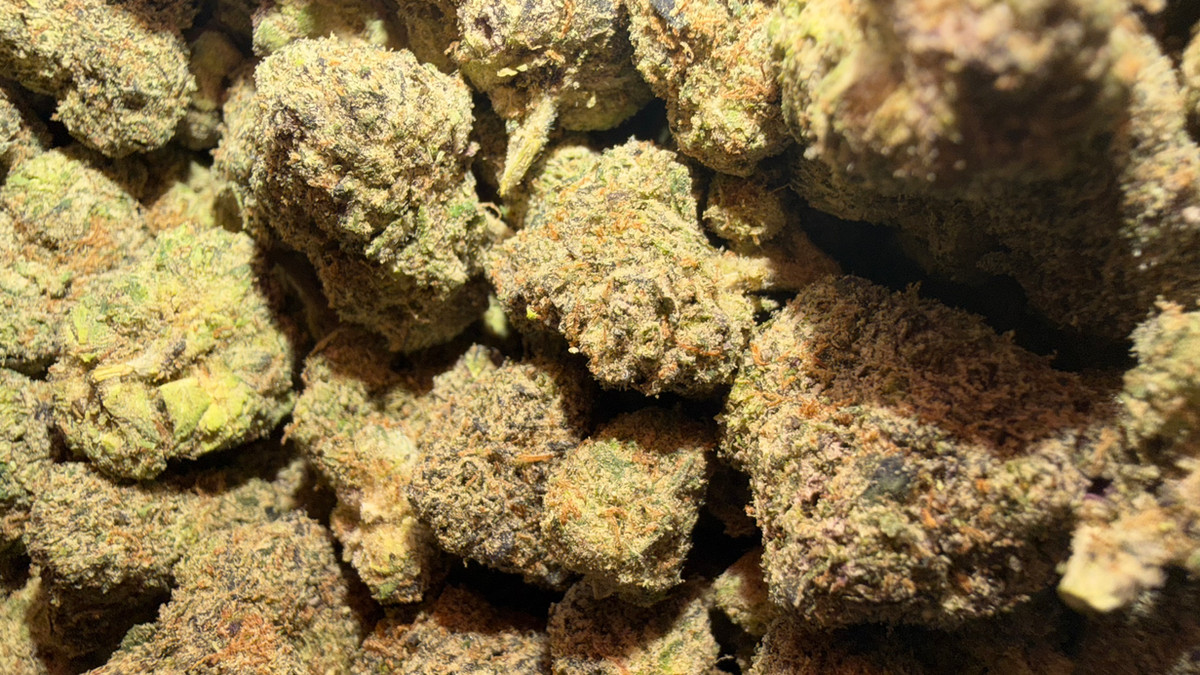
White Runtz is a commonly reported hybrid cannabis strain known for sweet fruit, creamy dessert notes, and an effect profile that can feel both uplifting and physically relaxing. The name is used across different producers, so the experience and potency of a particular batch can vary.
Reported THC levels commonly fall in the mid-to-high range, often around 20% to 30%, although a laboratory result is the only reliable guide for a specific product. White Runtz may suit experienced consumers looking for a fuller hybrid experience, while newer consumers should approach higher-potency flower cautiously and pay attention to serving size and personal response.
As with any strain label, “White Runtz” describes a genetic and marketing identity rather than a guarantee. Cultivation conditions, harvest timing, curing, storage, extraction method, and the producer’s testing all shape what reaches the consumer.
Product Highlights
This quick reference summarizes traits commonly associated with White Runtz. Treat the ranges and descriptions as educational context, not a promise about every flower, pre-roll, cartridge, or disposable sold under the name.
Spec | Details |
|---|---|
Strain type | Hybrid; often described as balanced to indica-leaning |
Commonly reported THC range | Approximately 20%–30%, with batch-to-batch variation |
Dominant terpenes | Commonly reported: limonene, caryophyllene, and myrcene; confirm on the COA |
Effect profile | Reportedly euphoric, calm, relaxed, and potentially sedating at higher amounts |
Best time of day | Afternoon or evening for many consumers; individual response varies |
Available formats | Flower, pre-rolls, live resin, live rosin, distillate cartridges, and disposables |
Lineage and genetics
White Runtz is commonly reported as a cross of The White and Runtz. Runtz itself is widely associated with Zkittlez and Gelato genetics, while The White is known for unusually frosty flowers and a more understated aroma. Because breeder records and naming practices are not consistent across every market, the lineage is best presented as commonly reported rather than independently proven for every batch.
The family explains the strain’s reputation: The White contributes dense trichome coverage and a potentially strong visual appeal, while Runtz-associated genetics are often linked with candy-like fruit, cream, and a broad hybrid effect. Phenotype selection can shift the balance toward brighter fruit, heavier gas, or more physical relaxation.
Aroma, flavor and terpene profile
Well-cured White Runtz flower is often described as smelling sweet and fruity, with creamy candy notes layered over light earth, spice, or fuel. The flavor can move from sugary fruit on the first draw to peppery, herbal, or dough-like notes on the finish, depending on the phenotype and cure.
Limonene is commonly associated with citrus brightness, caryophyllene with peppery spice, and myrcene with earthy or herbal depth. Terpenes do not determine effects by themselves, and scent is not a substitute for testing; a product’s certificate of analysis offers the best available snapshot of its cannabinoid and terpene content.
Reported effects and common uses
Consumers commonly describe White Runtz as beginning with a noticeable mood lift before settling into calm, body-centered relaxation. Some people report focus or sociability at lower amounts, while larger amounts may feel heavier and less functional. Dry mouth, red eyes, dizziness, or anxiety can occur with cannabis, especially when potency or personal sensitivity is high.
People may choose this profile for unwinding, listening to music, creative downtime, or evening relaxation. These are reported uses, not medical claims. Avoid driving or operating equipment after consuming cannabis, and remember that alcohol or other substances can change the experience.
Formats and hardware
Flower and pre-rolls offer the most direct expression of the plant’s cured aroma. Pre-rolls are convenient, but burn quality depends on grind, packing, moisture, paper, and storage. Concentrates provide a different route: live resin is generally made to preserve more fresh-frozen plant character, live rosin uses solventless mechanical separation, and distillate is highly refined and may have terpenes added back after refinement.
Cartridges and disposables usually contain a reservoir, mouthpiece, heating chamber, and coil. A button battery requires the user to activate the heater, while draw-activated hardware responds to inhalation. Lower voltage or temperature settings generally preserve delicate flavor, while higher settings create denser vapor but can taste harsher and consume oil faster; follow the manufacturer’s instructions rather than treating a temperature range as universal.
For variable-temperature devices, many consumers start around 350°F to 400°F and adjust gradually, while concentrates may be used at different settings depending on the hardware and viscosity. Extraction affects onset and flavor: inhaled vapor is typically felt quickly, while the intensity and smoothness depend on formulation, device performance, and draw length. Never use damaged hardware or modify a cartridge.
Batch testing and label reading
A certificate of analysis, or COA, is a laboratory report tied to a particular product batch. Look for the batch or lot number on the package and confirm that it matches the report; a generic strain page or product photo is not enough to verify the contents of the package in your hand.
COAs may list total THC, THCA, CBD, other cannabinoids, terpene percentages, moisture or microbiological results, and screening for contaminants such as pesticides, solvents, heavy metals, or mycotoxins. The exact testing panel depends on the jurisdiction and laboratory. Percentages can vary substantially from one harvest or extraction run to another, so a White Runtz label from one producer should not be treated as a prediction for another.
How it compares
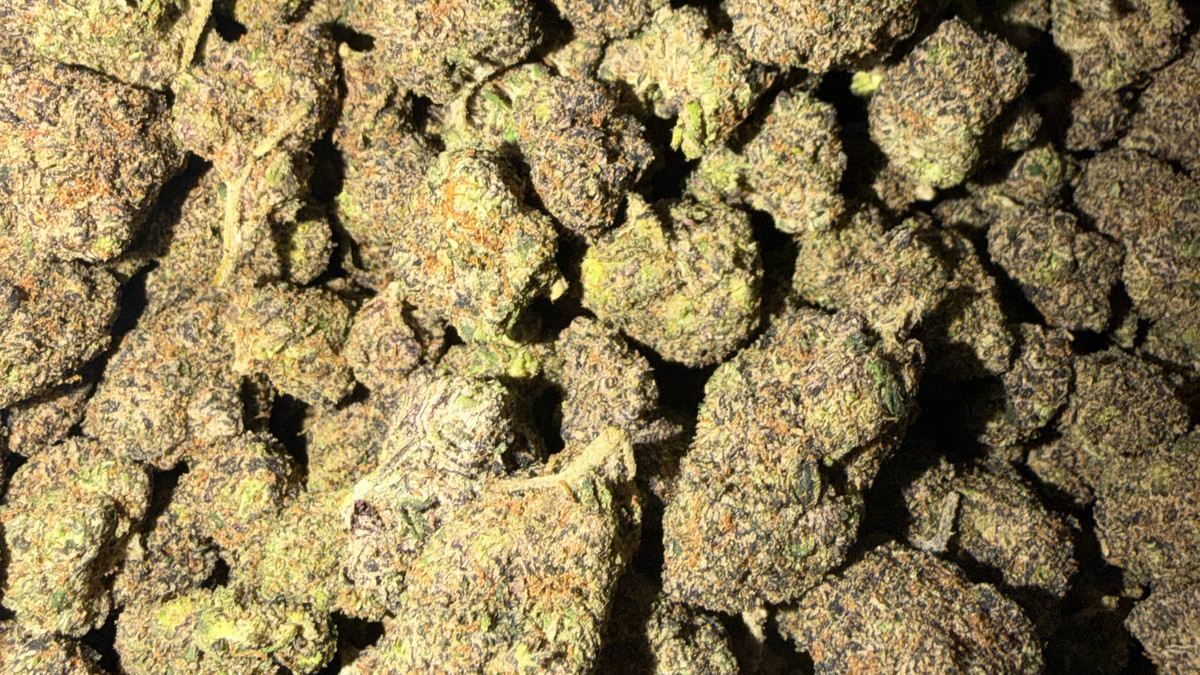
These comparisons use commonly reported strain identities and flavor impressions. Actual effects depend on chemistry, dose, tolerance, setting, and the specific batch.
Strain | Type | Flavor | Effect | Best for |
|---|---|---|---|---|
White Runtz | Hybrid | Sweet fruit, cream, spice | Balanced uplift and relaxation | Afternoon or evening unwinding |
Runtz | Hybrid | Candy, tropical fruit, cream | Bright, euphoric, relaxing | Flavor-focused hybrid sessions |
Gelato | Hybrid | Sweet cream, citrus, earth | Uplifting with physical calm | Social or creative downtime |
The White | Hybrid | Earthy, piney, herbal | Calm and potentially heavy | Consumers seeking frosty, less-candy profiles |
Medical and wellness reports
Some consumers report using White Runtz as part of personal routines involving stress, rest, appetite, or discomfort, but those reports do not establish that the strain treats a condition. Cannabis response is individual, and products can interact with medications or aggravate unwanted symptoms.
Anyone considering cannabis for a health concern should speak with a qualified clinician, especially when pregnant, managing a chronic condition, taking prescription medication, or dealing with a history of problematic substance use. This section is educational only and is not medical advice.
How to Grow White Runtz
White Runtz is commonly described by growers as a resin-heavy hybrid with compact flowers, strong visual appeal, and enough vigor to reward a planned canopy. The ranges below are commonly reported rather than guaranteed; phenotype, environment, genetics, and cultivation skill can change the result.
Grow Guru AI’s approach is simple: control humidity early, support the branches before flowers gain weight, and protect the terpene profile through a patient finish and cure.
Here are practical baseline expectations for planning a run.
Spec | Details |
|---|---|
Grow difficulty | Moderate |
Indoor flowering time | Approximately 8–10 weeks |
Outdoor harvest window | Commonly reported around October in the Northern Hemisphere |
Yield potential | Indoor: roughly 400–600 g/m²; outdoor: roughly 500–800 g/plant under favorable conditions |
Plant height and stretch | Medium height; commonly reported moderate stretch after the flip |
Ideal climate | Warm, controlled, dry conditions in late flower with strong air movement |
Mold and pest resistance | Moderate; dense flowers still require active humidity and airflow management |
Grow Difficulty
White Runtz is best rated Moderate. It can be forgiving when temperature and feeding drift slightly, but the dense, resinous flowers demand better humidity control than a loose-flowering cultivar. First-time growers can succeed with a stable indoor setup and disciplined monitoring; intermediate growers will generally have an easier time managing its structure and late-flower moisture.
Canopy, Training and Pruning
Expect medium vigor and moderate stretch after the change to a 12/12 light cycle, commonly around one-and-a-half to two times the vegetative height, though phenotypes differ. Topping and low-stress training can spread the plant into an even canopy, while a SCROG net helps support branches and distribute light.
Begin shaping early rather than trying to bend heavy flowering branches later. Remove weak interior growth selectively, and avoid aggressive defoliation that stalls the plant or exposes flowers to unnecessary stress. Because White Runtz can produce weighty colas, stakes, trellis support, or plant ties are sensible before the final weeks.
Feeding, Climate and Environment
Growers commonly describe White Runtz as a moderate feeder rather than an extreme nutrient consumer. Avoid chasing dark leaves with excess nitrogen late in flower, and watch for signs that calcium or magnesium support is needed, particularly in purified water or soilless systems. Use a complete program suited to the medium and verify pH and runoff practices for that system.
Many indoor gardens target roughly 75–85°F in vegetative growth with relative humidity around 55%–70%, then lower flower humidity toward approximately 40%–50% as buds swell. Maintain continuous air exchange and gentle movement through the canopy. In humid DC, Maryland, and Virginia summers, outdoor growers should choose a site with morning sun, avoid crowding, inspect flowers after rain, and consider shelter during prolonged wet weather; resistance is not immunity to powdery mildew or bud rot.
Harvest Timing and Curing
Use a loupe or microscope to read trichomes rather than relying on the calendar alone. Mostly cloudy trichomes with a smaller amber portion are commonly chosen for a brighter, more alert expression, while a larger amber share is often associated with a heavier, more settled finish. Pistils receding and a mature, layered aroma can support the decision, but neither signal replaces trichome inspection.
Dry slowly in darkness with steady airflow, avoiding direct fan blasts on the flowers. Once the exterior is dry and stems begin to lose their fresh bend, cure in clean containers and open them periodically to release excess moisture. A patient cure helps protect White Runtz’s fruit and cream notes; heat, light, and overly rapid drying can flatten them.
Home Grow Rules in the DMV
For a plain-language starting point, DC adults 21 and older may grow up to six plants, with no more than three mature, and a household maximum of 12. Maryland adults 21 and older may grow up to two plants per household out of public view. Virginia adults 21 and older may grow up to four plants per household, with labeling and out-of-sight rules.
Home-grow laws can change and may include additional restrictions, so check current DC, Maryland, or Virginia guidance before planting. This is educational information, not legal advice.
Similar strains worth trying
Consumers drawn to White Runtz’s dessert profile may also explore Runtz, Gelato, or other candy-forward hybrids. If the frosty appearance interests you more than the sweetness, The White offers a more earthy direction. Compare the terpene panel and cannabinoid results instead of relying only on the strain name.
For a different format, a pre-roll can show how the cured flower expresses itself without requiring a grinder, while live resin or live rosin may emphasize fresh plant aromatics. Concentrates are not automatically “better”; they are simply more concentrated and can be less forgiving for people still learning their preferred amount.
The Bud Lords Take
Our read: White Runtz works best as a flavor-led hybrid for people who want sweetness without giving up a substantial finish. It is not a single guaranteed experience, and the best version is the one with a transparent COA, a clean cure, intact aroma, and a potency that matches your comfort level.
DMV shoppers should keep the local framework in view. DC operates under Initiative 71 gifting rules, which are distinct from a conventional regulated retail model; Maryland has its own adult-use and medical-program rules; Virginia has separate possession, home-grow, and retail conditions. Products are for adults 21 and older, and local rules should be checked before transporting, sharing, growing, or consuming cannabis.
Whether you are comparing flower, pre-rolls, carts, or concentrates, start with the label, the batch number, and your own response. White Runtz can be a memorable strain, but responsible use and accurate product information matter more than a headline THC number.
White Runtz FAQ
Here is what most people ask about White Runtz in this area.
Is White Runtz indica or sativa?
White Runtz is generally described as a hybrid, often with a balanced or indica-leaning expression. The exact effect can shift with phenotype, batch chemistry, dose, and personal tolerance.
What does White Runtz taste like?
Commonly reported notes include sweet fruit, creamy candy, citrus, spice, and light earth or fuel. A terpene result and a fresh package are better guides than the name alone.
Is White Runtz strong?
It is commonly sold in a higher-potency range, but strength varies by batch and format. Check the label and COA, and use extra caution with concentrates, cartridges, and high-THC flower.
How long does White Runtz take to flower?
Indoor flowering is commonly reported at about eight to 10 weeks. Outdoor timing depends on the phenotype, weather, latitude, and local growing conditions.
White Runtz is not in the Bud Lords menu right now. Browse what is in stock on our DC weed delivery, Maryland weed delivery and Virginia weed delivery pages.
More strain guides: Super Boof, Glitter Bomb, Cereal Milk.
Frequently asked questions
Here is what most people ask about White Runtz in this area.
What White Runtz is?
White Runtz is a commonly reported hybrid cannabis strain known for sweet fruit, creamy dessert notes, and an effect profile that can feel both uplifting and physically relaxing. The name is used across different producers, so the experience and potency of a particular batch can vary. Reported THC levels commonly fall in the mid-to-high range, often around 20% to 30%, although a laboratory result is the only reliable guide for a specific product.
How it compares?
These comparisons use commonly reported strain identities and flavor impressions. Actual effects depend on chemistry, dose, tolerance, setting, and the specific batch.
How to Grow White Runtz?
White Runtz is commonly described by growers as a resin-heavy hybrid with compact flowers, strong visual appeal, and enough vigor to reward a planned canopy. The ranges below are commonly reported rather than guaranteed; phenotype, environment, genetics, and cultivation skill can change the result. Grow Guru AI’s approach is simple: control humidity early, support the branches before flowers gain weight, and protect the terpene profile through a patient finish and cure.
Is White Runtz indica or sativa?
White Runtz is generally described as a hybrid, often with a balanced or indica-leaning expression. The exact effect can shift with phenotype, batch chemistry, dose, and personal tolerance.
What does White Runtz taste like?
Commonly reported notes include sweet fruit, creamy candy, citrus, spice, and light earth or fuel. A terpene result and a fresh package are better guides than the name alone.
Is White Runtz strong?
It is commonly sold in a higher-potency range, but strength varies by batch and format. Check the label and COA, and use extra caution with concentrates, cartridges, and high-THC flower.
Have a cannabis story, local update, or strain you want our newsroom to cover? Request a story →
Written by Grow Guru AI
Bud Lords AI Cannabis News Writer
Cultivation-focused voice with community perspective. Covers growing tips, techniques, and cultivation industry news.
Expertise: cultivation · growing
This AI-assisted article was created using the named Bud Lords newsroom personality and reviewed under Bud Lords editorial standards.


Comments