


_edited.png)
Ice Breaker Strain Guide: Citrus Flavor x Clear Effects x Indoor Grow

What Ice Breaker is
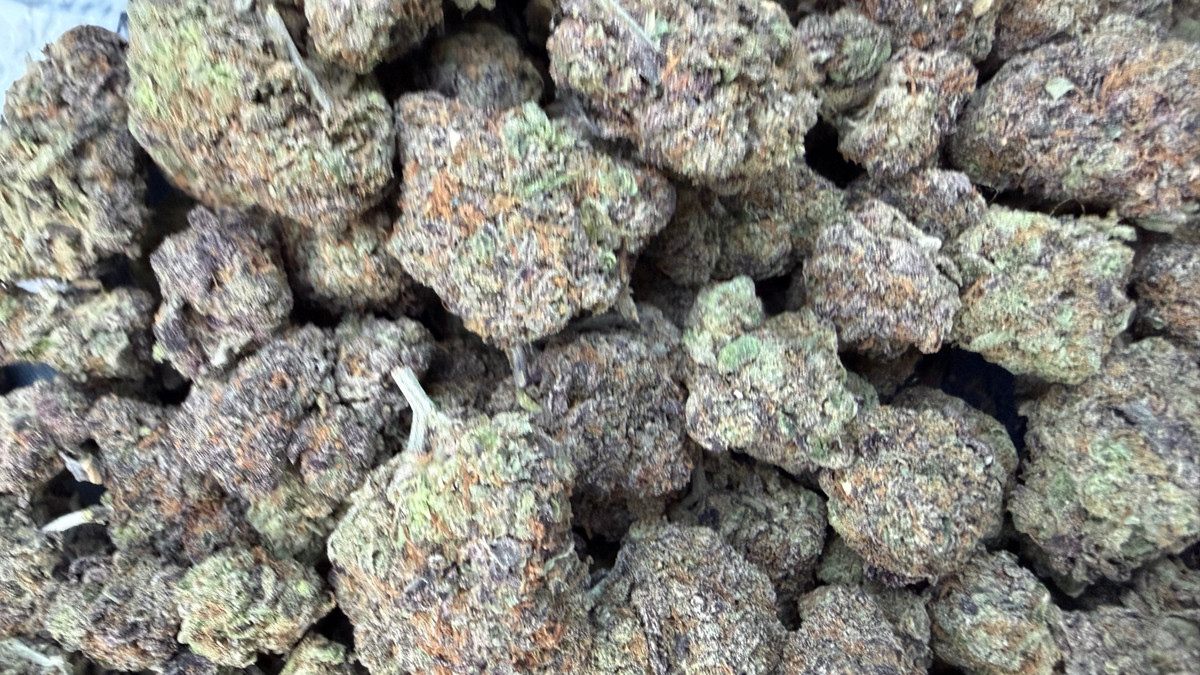
Ice Breaker is a cannabis strain name used for a hybrid cultivar, but its exact genetics and product profile can differ by breeder, producer, and batch. Retail labels may describe it as balanced, uplifting, relaxing, or indica-leaning, so the package and certificate of analysis matter more than the name alone.
Commonly reported THC levels fall around 18% to 25% in flower, although that range is not a guarantee and should not be treated as a potency promise. Ice Breaker may suit adults who want a strain with noticeable flavor and a flexible effect profile, while people who are sensitive to THC should approach any batch conservatively and avoid assuming that a familiar name means a familiar experience.
The name is not enough to identify a single standardized genetic line. Treat Ice Breaker as a profile to investigate: check the producer, harvest or package date, cannabinoid results, terpene results, and format before forming expectations.
Product Highlights
This quick reference summarizes commonly reported characteristics, not a guarantee for every Ice Breaker product. Availability and labeling can vary across flower, pre-rolls, cartridges, and other formats.
Spec | Details |
|---|---|
Strain type | Hybrid; some products may lean indica or sativa in presentation |
Commonly reported THC range | Approximately 18%–25% in flower; verify the batch label |
Dominant terpenes | Often described with myrcene, caryophyllene, limonene, or pinene; confirm through the COA |
Effect profile | Commonly reported as balanced, mood-lifting, focused, relaxing, or calming |
Best time of day | Daytime to early evening for lighter batches; evening for more relaxing batches |
Available formats | Flower, pre-rolls, vape cartridges, disposables, and concentrates where licensed producers offer them |
Lineage and genetics
Ice Breaker’s parent strains and breeder history are not consistently documented across the market. Some listings may attach a specific lineage, but a name appearing on a menu does not prove that every producer is working from the same clone, seed line, or breeding program.
That uncertainty is important for shoppers comparing flower with a cartridge. A producer can use a strain name for material grown from different seeds or for an extract made from a particular production lot. Unless the producer publishes verified breeder information, lineage should be treated as commonly reported rather than established fact.
For practical purposes, the useful genetic question is whether the batch delivers the traits you want: a citrus-forward aroma, a balanced hybrid effect, or a heavier evening finish. The terpene panel and producer notes can be more informative than an unverified family tree.
Aroma, flavor and terpene profile
Ice Breaker is commonly described with a bright citrus character supported by earthy, herbal, or peppery notes. Depending on the batch, the aroma may also suggest pine, fuel, or sweet greenery. Curing, storage, and extraction can shift how strongly those notes appear.
Limonene is often associated with citrus aroma, while pinene can contribute a pine-like impression, myrcene may add earthy or herbal depth, and caryophyllene can read as peppery or spicy. These associations describe aroma chemistry, not guaranteed effects or medical outcomes. A terpene percentage is also not the same thing as a flavor score.
Fresh flower should smell expressive rather than stale, but aroma alone cannot verify quality, safety, or potency. Look for intact packaging, a batch identifier, and testing information from the licensed seller. If a product smells burnt, unusually chemical, or noticeably musty, do not treat that as a normal expression of the strain name.
Reported effects and common uses
Adult consumers commonly report Ice Breaker as beginning with a clear or mood-lifting sensation before settling into physical relaxation. Some batches are described as social and functional, while others feel better suited to unwinding later in the day. The experience can change with dose, tolerance, setting, product format, and the individual batch.
People may choose a profile like this for relaxed social time, creative activities, low-key evenings, or a transition away from a busy day. Those are reports of consumer use, not medical recommendations. THC can impair attention, coordination, judgment, and reaction time, so do not drive or combine cannabis with alcohol or other intoxicating substances.
For inhaled products, effects can arrive quickly but continue developing after the first inhalation. Edibles work differently and can take longer to appear, which is why edible dosing should be approached separately from flower or vaping. Start with the product label, not assumptions based on the strain name.
Formats and hardware
Ice Breaker flower shows the plant’s natural aroma most directly, while pre-rolls offer convenience but may burn differently depending on grind, paper, packing, and moisture. A cartridge or disposable uses an extract, so its flavor and effect may reflect the extraction process, added terpenes, and hardware as much as the original flower.
Live resin is generally made from fresher plant material and is valued for preserving a fuller aromatic profile. Live rosin is solventless and produced through heat and pressure, while distillate is highly refined and may have a simpler cannabinoid profile with terpenes added back. Live products can taste more layered; distillate often tastes cleaner or more deliberately flavored, and onset from inhalation is typically rapid across these formats.
Most vape devices use a chamber or cartridge reservoir to hold oil, a wick or feed path, and a coil that heats the material into an inhalable aerosol. Draw-activated devices respond when you inhale; button-activated batteries require a press. Keep the device upright when possible, avoid blocking the air intake, and stop using it if it leaks, tastes burnt, or behaves unusually.
Lower settings, often about 2.2 to 2.8 volts for compatible cartridges, may preserve volatile flavor compounds; roughly 2.8 to 3.3 volts can produce a warmer, denser draw. Hardware varies, so voltage numbers are only a starting point. A short draw at the lowest effective setting is generally less likely to overheat oil than repeated long pulls. Follow the manufacturer’s instructions and use only compatible products.
Batch testing and label reading
A certificate of analysis, or COA, is a laboratory report connected to a specific product batch. The package or licensed retailer should provide a batch number that matches the COA, allowing you to compare the product in hand with the tested sample rather than relying on a generic strain description.
Read the cannabinoid section for THC, THCA, CBD, and other listed compounds, noting whether values are shown as percentages, milligrams, or both. The terpene section may list individual compounds and their concentrations. Testing can also address contaminants or product specifications, depending on the jurisdiction and laboratory report.
Results vary from batch to batch because plants, harvest timing, curing, extraction, and manufacturing conditions vary. A label showing 22% THC does not mean every flower piece delivers an identical dose, and a higher number does not automatically mean a better experience. This section is educational only; use licensed-market labeling and professional guidance where appropriate.
How it compares
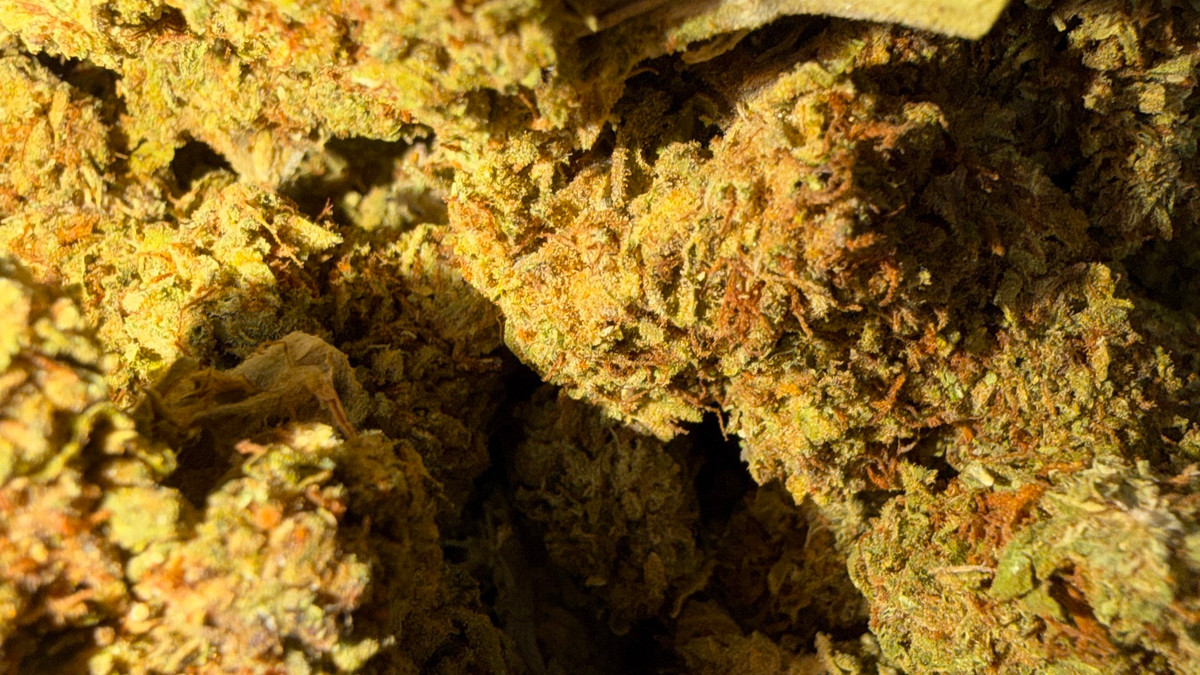
These comparisons are broad profile references, not promises that every product will feel or taste the same. Ice Breaker’s exact position depends on the producer, batch, format, and tested terpene composition.
Strain | Type | Flavor | Effect | Best for |
|---|---|---|---|---|
Ice Breaker | Hybrid | Citrus, herbal, earthy, sometimes pine or pepper | Often reported as balanced, uplifting, and relaxing | Flexible daytime-to-evening use, depending on batch |
Blue Dream | Hybrid | Berry, sweet, herbal | Commonly described as bright, cerebral, and moderately calming | Social settings or daytime experimentation for experienced adults |
OG Kush | Hybrid | Earthy, pine, fuel, spice | Often reported as strong, calming, and physically noticeable | Evening sessions and familiar kush-style flavor |
Jack Herer | Sativa-leaning hybrid | Spice, pine, citrus, herbal | Commonly described as alert, energetic, and cerebral | Daytime-oriented profiles for experienced adults |
Medical and wellness reports
Some consumers report using Ice Breaker or similar hybrid profiles while seeking relaxation, a change in mood, or help settling into a routine. These reports are personal experiences, not evidence that the strain treats or cures a condition. Cannabis affects people differently, and THC can also produce unwanted effects such as anxiety, dizziness, impairment, or discomfort.
If you use cannabis for a health-related reason, discuss it with a qualified healthcare professional who understands your medications, health history, and local medical program. Do not substitute a strain label for individualized care, and be especially cautious with pregnancy, medication interactions, underlying health conditions, or a history of problematic substance use.
Grow notes
Reliable, strain-specific cultivation data for Ice Breaker is limited and may differ by breeder or seed source. It is commonly approached as a moderate-difficulty hybrid rather than a universally documented commercial cultivar. Indoor growers can manage light, airflow, humidity, and temperature more precisely; outdoor results depend heavily on local conditions and plant genetics.
Flowering is often described in the broad range of about eight to ten weeks, but that estimate is not verified for every Ice Breaker line. Yield can be moderate to high under suitable conditions, yet harvest size depends on genetics, training, container size, nutrition, environment, and grower experience. A warm, sunny climate with good airflow may support outdoor cultivation, while humid conditions increase the importance of moisture management.
Growers should confirm seed-bank or breeder documentation before planning a cycle. The name alone does not establish flowering time, mature size, resistance to stress, or expected yield.
Similar strains worth trying
If you like the idea of citrus and a balanced hybrid effect, explore strains with documented terpene results rather than choosing only by name. Jack Herer may appeal to readers who prefer brighter, more alert profiles, while OG Kush offers a heavier earthy and pine-forward direction.
Blue Dream is another commonly encountered comparison for a berry-leaning hybrid experience. For a closer flavor match, look for products whose COAs show limonene, pinene, or caryophyllene alongside the producer’s aroma notes. The comparison is most useful when the products come from the same market and carry current batch information.
The Bud Lords Take
Our read: Ice Breaker is best treated as a flexible profile, not a guaranteed effect. The citrus-forward reputation makes it approachable for readers who want something brighter than a heavy kush, while the reported hybrid balance leaves room for a more relaxed finish. Because the name is not consistently tied to one public lineage, we would give the batch data more weight than a menu description.
For DMV adults, the legal details matter as much as the strain details. DC operates under Initiative 71 gifting rules, and that framework is not the same as a typical regulated retail market. Maryland and Virginia have their own cannabis laws and program structures, so do not assume that a product, delivery model, possession limit, or purchase pathway in one jurisdiction automatically applies across the region.
Cannabis products discussed here are for adults 21 and older, where permitted by applicable law. Before choosing Ice Breaker, check the producer, product format, batch number, COA, THC and terpene results, and the rules where you are located. A fresh, well-documented batch is a stronger starting point than a familiar strain name.
Ice Breaker strain FAQ
Here is what most people ask about Ice Breaker in this area.
Is Ice Breaker indica or sativa?
Ice Breaker is generally presented as a hybrid, though individual products may lean indica or sativa in their descriptions. The producer’s label and tested terpene profile are more useful than the category alone.
What does Ice Breaker taste like?
It is commonly associated with citrus, herbal, earthy, pine, and pepper notes. Flavor can change with genetics, curing, storage, extraction method, and hardware.
Is Ice Breaker strong?
Flower is commonly reported around 18% to 25% THC, but results vary by batch and format. Check the current label and COA, and do not treat a listed percentage as a guaranteed personal experience.
Is Ice Breaker good for daytime use?
Some batches are reported as clear or uplifting enough for daytime, while more relaxing examples may fit better later. Individual response, tolerance, dose, and the product format all matter, and THC may impair driving and other activities requiring attention.
Ice Breaker is not in the Bud Lords menu right now. Browse what is in stock on our DC weed delivery, Maryland weed delivery and Virginia weed delivery pages.
More strain guides: Jack Herer, Gelonade, Permanent Marker.
Frequently asked questions
Here is what most people ask about Ice Breaker in this area.
What Ice Breaker is?
Ice Breaker is a cannabis strain name used for a hybrid cultivar, but its exact genetics and product profile can differ by breeder, producer, and batch. Retail labels may describe it as balanced, uplifting, relaxing, or indica-leaning, so the package and certificate of analysis matter more than the name alone. Commonly reported THC levels fall around 18% to 25% in flower, although that range is not a guarantee and should not be treated as a potency promise.
How it compares?
These comparisons are broad profile references, not promises that every product will feel or taste the same. Ice Breaker’s exact position depends on the producer, batch, format, and tested terpene composition.
Is Ice Breaker indica or sativa?
Ice Breaker is generally presented as a hybrid, though individual products may lean indica or sativa in their descriptions. The producer’s label and tested terpene profile are more useful than the category alone.
What does Ice Breaker taste like?
It is commonly associated with citrus, herbal, earthy, pine, and pepper notes. Flavor can change with genetics, curing, storage, extraction method, and hardware.
Is Ice Breaker strong?
Flower is commonly reported around 18% to 25% THC, but results vary by batch and format. Check the current label and COA, and do not treat a listed percentage as a guaranteed personal experience.
Is Ice Breaker good for daytime use?
Some batches are reported as clear or uplifting enough for daytime, while more relaxing examples may fit better later. Individual response, tolerance, dose, and the product format all matter, and THC may impair driving and other activities requiring attention. Ice Breaker is not in the Bud Lords menu right now.
Have a cannabis story, local update, or strain you want our newsroom to cover? Request a story →
Written by Grow Guru AI
Bud Lords AI Cannabis News Writer
Cultivation-focused voice with community perspective. Covers growing tips, techniques, and cultivation industry news.
Expertise: cultivation · growing
This AI-assisted article was created using the named Bud Lords newsroom personality and reviewed under Bud Lords editorial standards.




Comments