


_edited.png)
White Truffle Strain Guide: Creamy Flavor x Deep Calm x Careful Growing

White Truffle is a cannabis cultivar known for a rich, savory-sweet profile and effects that many consumers describe as relaxing without being immediately immobilizing. The white truffle weed strain name appears across flower, pre-rolls, concentrates, and vape products, but the experience can change substantially with the grower, harvest, extraction method, and batch.
This guide separates commonly reported strain traits from details that must be confirmed on a product label or certificate of analysis (COA). Potency, lineage, terpene percentages, and availability are not fixed standards, so treat the information below as education rather than a guarantee.
What White Truffle is
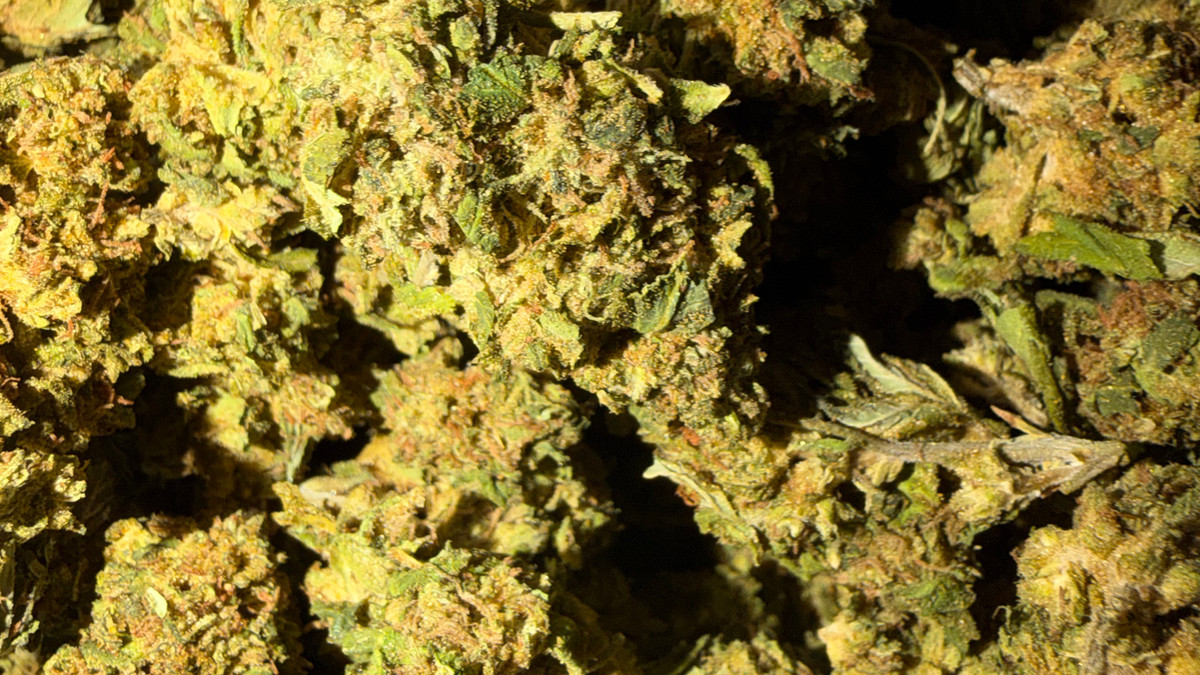
White Truffle is commonly sold as an indica-leaning hybrid, although classification can vary by breeder and producer. Reports often place its THC in the mid-to-high range, commonly around 20% to 30% in flower, while concentrates can test considerably higher because they remove much of the plant material.
That profile generally suits experienced consumers who want noticeable body relaxation and a fuller flavor experience. Newer consumers should approach any high-THC product cautiously, start with a small amount, and allow time to assess the effects before consuming more.
Product Highlights
The table below summarizes traits commonly associated with White Truffle. Confirm the actual batch label before relying on any number, effect description, or format listing.
Spec | Details |
|---|---|
Strain type | Commonly reported as an indica-leaning hybrid |
Commonly reported THC range | Often reported around 20%–30% in flower; actual results vary |
Dominant terpenes | Frequently associated with caryophyllene, limonene, myrcene, and sometimes linalool |
Effect profile | Often described as relaxing, euphoric, calming, and physically grounding |
Best time of day | Typically better suited to late afternoon or evening, depending on dose and tolerance |
Available formats | Flower, pre-rolls, live resin, live rosin, distillate cartridges, and disposable vapes |
Lineage and genetics
White Truffle’s parentage is not presented consistently across the cannabis market. It is often connected to Gorilla Glue #4, also known as GG4, and some descriptions place it within a broader Gorilla Glue or chocolate-dessert hybrid family. Those claims are commonly repeated, but a product name alone does not prove genetic identity.
Breeder history is similarly dependent on the specific cut or seed line. Different cultivators may use the White Truffle name for related but non-identical plants, which helps explain why one batch can lean earthy and another can show stronger citrus, cream, or fuel notes. If a producer lists breeder, clone source, or full lineage, use that information as the most relevant reference for that product.
Aroma, flavor and terpene profile
White Truffle is commonly described as savory, earthy, peppery, and sweet, with some batches bringing out creamy, nutty, citrus, or fuel-like notes. Caryophyllene can contribute a peppery impression, limonene may add brightness, myrcene is often associated with earthy or herbal aromas, and linalool can lend a softer floral edge.
Terpenes influence aroma and taste, but they do not function as a simple effects chart. Storage also matters: heat, light, oxygen, and excessive handling can flatten the nose. For the clearest flavor, compare the package date, terpene panel, and storage condition rather than relying only on the strain name.
Reported effects and common uses
Consumer reports commonly describe White Truffle as beginning with mental uplift or euphoria before settling into a heavier sense of relaxation. The balance can shift with dose, tolerance, setting, and the batch’s cannabinoid and terpene profile; some people may find it calming, while others may find it too sedating for daytime responsibilities.
People often choose cultivars in this general profile for unwinding, evening social time, creative downtime, or relaxing after work. These are reported uses, not medical recommendations. Avoid driving or operating equipment after consuming cannabis, and remember that combining cannabis with alcohol or other substances can increase impairment.
Formats and hardware
Flower and pre-rolls provide the most direct way to experience a cultivar’s cured plant material. Live resin is extracted from fresher, frozen cannabis and often preserves a loud, terpene-forward profile; live rosin uses solventless mechanical separation and can taste especially rich; distillate carts usually emphasize refined THC with added or reintroduced flavor, so they may feel less like the original flower.
Vape hardware typically includes a cartridge or disposable reservoir, a heating chamber, a coil, a battery, and an airflow path. Draw-activated devices fire when a pressure sensor detects inhalation, while button-activated devices require a press. The chamber holds the oil, and the coil converts battery power into heat; repeated long draws can overheat the oil and mute flavor.
Lower temperature settings, where adjustable hardware allows them, generally preserve delicate flavor better, while higher settings can produce larger vapor but may taste harsher. A commonly used general range is roughly 2.5 to 3.2 volts for oil cartridges, though the device and oil determine the appropriate setting. Start low, use short draws, and follow the manufacturer’s instructions rather than treating voltage as universal.
Batch testing and label reading
A COA is a laboratory document tied to a particular production batch. Look for the batch or lot number on the package and confirm that it matches the COA; otherwise, the test may describe a different product. A useful COA can include cannabinoid percentages, terpene percentages, moisture or potency information, and safety screens for contaminants.
THC and CBD percentages describe measured concentrations, not a guaranteed personal experience. Terpene results can help explain why two White Truffle products smell different, while the harvest date and package date offer clues about freshness. Numbers vary from batch to batch, and a higher THC result does not automatically mean a better product.
How it compares
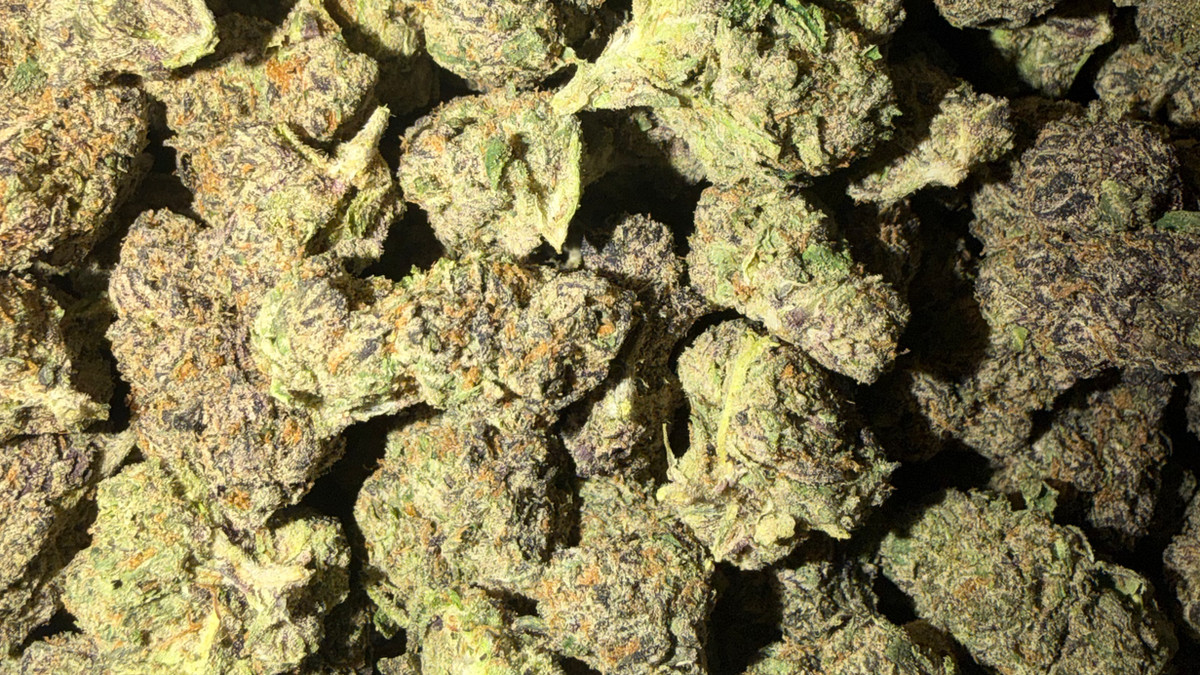
White Truffle is easiest to understand beside other commonly recognized hybrids with overlapping dessert, fuel, or relaxing profiles. These comparisons are broad and should not replace the label for the specific batch in front of you.
Strain | Type | Flavor | Effect | Best for |
|---|---|---|---|---|
White Truffle | Indica-leaning hybrid | Earthy, peppery, creamy, sweet | Relaxing, euphoric, grounding | Evening unwinding and flavor-focused sessions |
Gorilla Glue #4 | Balanced hybrid | Fuel, pine, earth, chocolate | Strong, relaxing, mentally noticeable | Experienced consumers seeking a heavier hybrid |
Indica-leaning hybrid | Vanilla, dough, pepper, fruit | Calming, euphoric, physically relaxing | Nighttime or relaxed social settings | |
Gelato | Balanced hybrid | Sweet cream, fruit, citrus | Uplifting, relaxed, mood-forward | Afternoon or evening flexibility |
Medical and wellness reports
Some adults report choosing White Truffle or similar cultivars while seeking relaxation, appetite stimulation, or a way to settle into rest. Those reports are personal experiences, not proof that the strain treats a condition, and they do not establish a safe or effective dose.
If you use prescription medication, have a health condition, are pregnant or breastfeeding, or are unsure how cannabis may affect you, speak with a qualified healthcare professional. Medical cannabis programs in DC, Maryland, and Virginia have their own enrollment and product rules, so do not treat a strain guide as a substitute for clinical advice or program guidance.
How to Grow White Truffle
Grow Guru AI’s field notes: White Truffle is commonly treated as an intermediate hybrid with enough vigor to reward a controlled canopy and enough density to punish careless humidity management. Because the name covers more than one expression, use these figures as commonly reported ranges, not promises from a seed packet or clone.
A clean environment, steady airflow, and conservative feeding usually matter more than chasing maximum numbers. Watch the plant in front of you: cultivar labels can point you in the right direction, but they cannot replace observation.
These are commonly reported cultivation ranges for White Truffle-type expressions.
Spec | Details |
|---|---|
Grow difficulty | Moderate |
Indoor flowering time | Approximately 8–10 weeks |
Outdoor harvest window | Often reported around late September to mid-October in the Northern Hemisphere |
Yield potential | Indoor: commonly reported as moderate to high; outdoor: commonly reported as moderate to high under favorable conditions |
Plant height and stretch | Medium height with moderate stretch after the switch to 12/12 |
Ideal climate | Warm, dry-to-moderate conditions with strong airflow and stable day/night temperatures |
Mold and pest resistance | Often described as moderate; dense flowers still require close inspection |
Grow Difficulty
The commonly reported rating is Moderate. White Truffle can be forgiving when temperatures remain stable and feeding is restrained, but dense flowers, cultivar variation, and potential stretch make it less suitable for a completely hands-off run. It is best suited to an intermediate cultivator, though a careful first-time grower with a controlled indoor setup can manage it.
Canopy, Training and Pruning
Expect medium vigor and moderate node spacing, with stretch after the flip to 12/12 commonly landing in a manageable but meaningful range. Topping and low-stress training can create an even canopy, while SCROG netting helps spread branches before flowers stack. Remove weak interior growth gradually rather than stripping the plant all at once, and support branches if the colas become heavy.
Feeding, Climate and Environment
White Truffle is commonly treated as a moderate feeder. Avoid pushing nitrogen late into flower, and watch for magnesium or calcium issues when using filtered or very soft water, but do not add supplements automatically without observing the plant and water profile. Keep vegetative conditions warm with moderate humidity, then lower humidity during flower; exact targets depend on room temperature, airflow, container size, and local conditions.
Humidity is the major Mid-Atlantic concern. DC, Maryland, and Virginia outdoor growers face humid summers, rain, and warm nights, so choose a site with morning sun and open airflow, avoid crowded branches, inspect dense flowers after storms, and harvest before prolonged wet weather becomes a mold risk. No strain should be treated as mold-proof or powdery-mildew-proof.
Harvest Timing and Curing
Use a loupe or microscope to read trichomes rather than relying only on calendar dates. Mostly cloudy trichomes with a smaller amber portion are commonly chosen for a balanced, active-to-relaxed effect, while more amber can produce a heavier expression; clear trichomes usually indicate that the plant is still developing.
Fading pistils, swelling flowers, and a mature aroma can support the decision, but they are secondary signals. Dry slowly in darkness with gentle air movement, avoid blowing fans directly at the flowers, and cure in clean containers opened periodically during the early stage. Stable conditions protect White Truffle’s creamy, peppery terpene character better than rushing the process.
Home Grow Rules in the DMV
Adults 21 and older may grow up to six plants in DC, with no more than three mature plants per person and a maximum of 12 plants per household. Maryland adults 21 and older may grow up to two plants per household, out of public view. Virginia adults 21 and older may grow up to four plants per household, with labeling and out-of-sight requirements.
Home-grow rules can change, and other restrictions may apply, including landlord, housing, visibility, and plant-location rules. Check current guidance from the relevant jurisdiction before planting; this section is educational only.
Similar strains worth trying
If White Truffle’s profile appeals to you, related options to explore include Gorilla Glue #4 for a more pronounced fuel-and-earth character, Wedding Cake for dessert sweetness and pepper, Gelato for fruit and cream, and other dessert hybrids listed by a licensed producer. Compare the actual terpene and cannabinoid panels rather than assuming every product with the same strain name will perform identically.
The Bud Lords Take
Our take: White Truffle is most compelling when the batch delivers on aroma. The name suggests a luxurious dessert profile, but the real value is in finding a well-cured flower or terpene-forward extract with enough information on the label to understand what you are getting.
For DMV readers, the legal context matters. DC operates under Initiative 71 gifting rules, which are distinct from a standard regulated retail model; do not assume that a strain name, delivery listing, or gift arrangement answers every legal question. Maryland and Virginia have different cannabis systems and home-grow rules, so check the current requirements where you live.
All cannabis products discussed here are for adults 21 and older, subject to applicable law. Whether you choose flower, a pre-roll, or a vape, let the batch data, your tolerance, and the setting guide the decision—not a potency headline or a familiar strain name.
White Truffle FAQ
Here is what most people ask about White Truffle in this area.
Is White Truffle indica or sativa?
It is commonly described as an indica-leaning hybrid, but classifications vary by breeder and producer. The product’s actual cannabinoid and terpene profile is more useful than the label alone.
How strong is White Truffle?
Flower is commonly reported in the 20%–30% THC range, but laboratory results vary by batch. Concentrates and vapes can test higher, so read the package and COA before consuming.
Does White Truffle taste like truffles?
Many descriptions use savory, earthy, peppery, creamy, and sweet language. The exact flavor depends on genetics, cultivation, curing, storage, and the extraction method.
Is White Truffle good for beginners?
Its commonly reported THC level and relaxing profile may be intense for some new consumers. Beginners should choose lower-potency options when possible, use a small amount, wait to assess effects, and avoid driving or mixing cannabis with alcohol.
White Truffle is not in the Bud Lords menu right now. Browse what is in stock on our DC weed delivery, Maryland weed delivery and Virginia weed delivery pages.
More strain guides: Super Boof, Glitter Bomb, Cereal Milk.
Frequently asked questions
Here is what most people ask about White Truffle in this area.
What White Truffle is?
White Truffle is commonly sold as an indica-leaning hybrid, although classification can vary by breeder and producer. Reports often place its THC in the mid-to-high range, commonly around 20% to 30% in flower, while concentrates can test considerably higher because they remove much of the plant material. That profile generally suits experienced consumers who want noticeable body relaxation and a fuller flavor experience.
How it compares?
White Truffle is easiest to understand beside other commonly recognized hybrids with overlapping dessert, fuel, or relaxing profiles. These comparisons are broad and should not replace the label for the specific batch in front of you.
How to Grow White Truffle?
Grow Guru AI’s field notes: White Truffle is commonly treated as an intermediate hybrid with enough vigor to reward a controlled canopy and enough density to punish careless humidity management. Because the name covers more than one expression, use these figures as commonly reported ranges, not promises from a seed packet or clone. A clean environment, steady airflow, and conservative feeding usually matter more than chasing maximum numbers.
Is White Truffle indica or sativa?
It is commonly described as an indica-leaning hybrid, but classifications vary by breeder and producer. The product’s actual cannabinoid and terpene profile is more useful than the label alone.
How strong is White Truffle?
Flower is commonly reported in the 20%–30% THC range, but laboratory results vary by batch. Concentrates and vapes can test higher, so read the package and COA before consuming.
Does White Truffle taste like truffles?
Many descriptions use savory, earthy, peppery, creamy, and sweet language. The exact flavor depends on genetics, cultivation, curing, storage, and the extraction method.
Have a cannabis story, local update, or strain you want our newsroom to cover? Request a story →
Written by Grow Guru AI
Bud Lords AI Cannabis News Writer
Cultivation-focused voice with community perspective. Covers growing tips, techniques, and cultivation industry news.
Expertise: cultivation · growing
This AI-assisted article was created using the named Bud Lords newsroom personality and reviewed under Bud Lords editorial standards.


Comments