


_edited.png)
Oregon to Merge Psilocybin and Medical Cannabis Programs

Oregon is restructuring how it regulates psychedelics and medical cannabis. State health officials plan to fold Oregon Psilocybin Services (OPS) and the Oregon Medical Marijuana Program (OMMP) into a single section and are proposing much higher licensing fees for psilocybin businesses.
The consolidation and fee proposal arrive as both programs report financial pressure. Operators warn the changes could make legal psilocybin sessions even less affordable and push demand to the underground market.
These developments were confirmed in reporting by DoubleBlind Mag, which includes comments from the Oregon Health Authority (OHA) and reactions from service center operators.
What Changed and Why
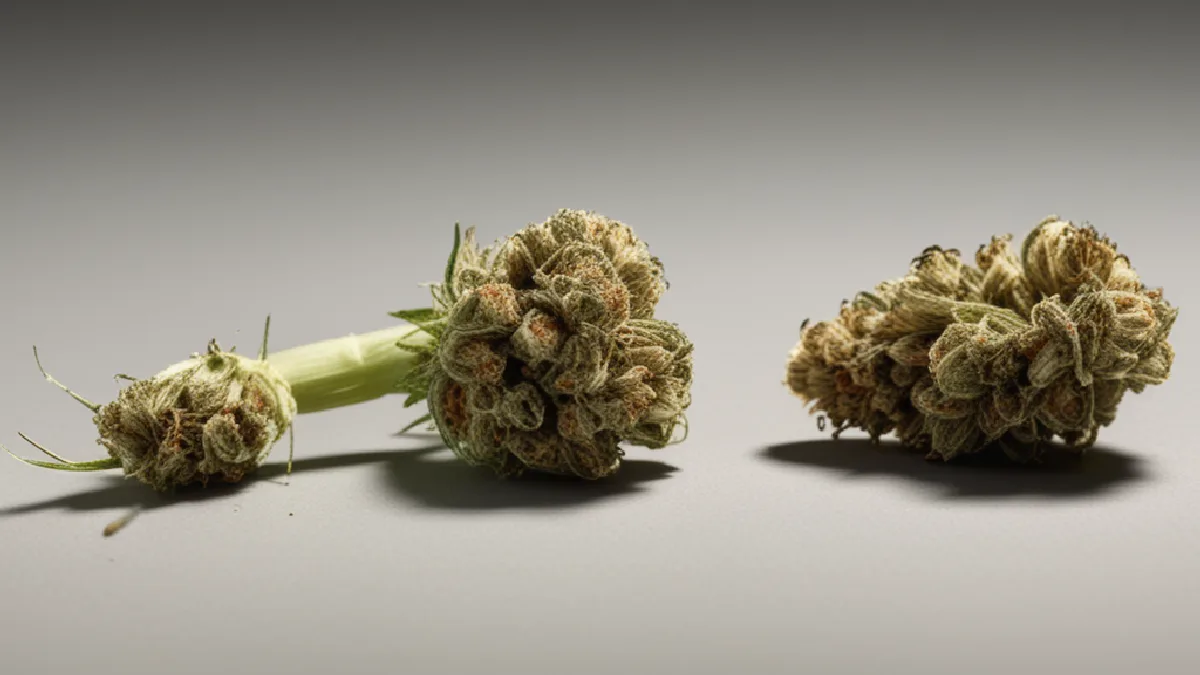
OPS and OMMP will combine into the Oregon Psilocybin and Medical Cannabis Section (PMCS). OHA told DoubleBlind that both programs face budget shortfalls and that, after trimming vacancies and other costs, consolidation is the next step to improve efficiency.
According to OHA’s spokesperson as reported by DoubleBlind, Angie Allbee, the current OPS manager, will lead the new section. Megan Lockwood, who manages OMMP, will move to lead the Health Licensing Office. The transition is intended to maintain continuity for licensees and partners.
DoubleBlind reports the combined section is expected to be up and running by September 1, 2026. OHA indicated this shift will roll out over the summer leading into that date, with an emphasis on stability for stakeholders.
The Proposed Fee Schedule — And Why It’s Stirring Pushback
On top of the consolidation, OHA has proposed doubling annual licensing fees for psilocybin service centers, manufacturers, and testing labs from $10,000 to $20,000. Facilitator licenses would rise from $2,000 to $4,000. As reported by DoubleBlind, the proposal would take effect January 1, 2027, if adopted.
When voters passed Measure 109 in 2020, Oregon’s psilocybin framework was designed to fund itself through fees rather than tax revenue. DoubleBlind notes that the program has not achieved that goal, leading OHA to look at increases that many small businesses say they cannot absorb.
DoubleBlind cites one service center operator, quoted by Lucid News, who said a $20,000 annual fee could force a move to another state. The concern is straightforward: higher fixed costs tend to translate to higher session prices, reduced access, or both.
Access, Equity, and the Underground Market
DoubleBlind reports that guided psilocybin sessions in Oregon currently run roughly from $500 for microdose-style experiences to around $3,500 for higher-dose sessions. If licensing fees double, providers say prices are likely to climb as well, widening the affordability gap.
That gap matters. DoubleBlind’s coverage warns that when legal options get too expensive, people often turn to informal or unregulated channels. That dynamic can raise public health risks, especially when guides or products exist outside oversight, and it mirrors larger affordability problems seen across health care.
Oregon’s broader drug policy context compounds these concerns. Voters approved Measure 109 alongside Measure 110, which decriminalized personal possession of all drugs. DoubleBlind reports that lawmakers repealed Measure 110’s decriminalization in 2024 through House Bill 4002, reinstating criminal penalties for personal possession while leaving the psilocybin services program intact.
Local Oregon Policy Ripples
Reform efforts have not vanished. DoubleBlind notes that Portland city councilors introduced legislation in July to make low-level psychedelic offenses the lowest enforcement priority and to create a commission for future policy guidance.
However, DoubleBlind also emphasizes that psilocybin use and possession remain illegal under federal law. In Oregon, legal access is limited to licensed service centers; psilocybin outside that system is still illegal. Those boundaries shape both business planning and personal risk.
Timeline and Next Steps

Here is what DoubleBlind reports about timing and process:
Consolidation: OPS and OMMP are slated to function as a single section by September 1, 2026, with a summer transition period leading up to that date.
Licensing fees: OHA has proposed doubling psilocybin license fees. If adopted, the new fees would take effect January 1, 2027.
OHA’s spokesperson told DoubleBlind the agencies will focus on continuity for partners during the transition. Details about public comment windows or hearing schedules were not included in the reporting. For now, licensees and applicants can plan around the stated dates and monitor OHA updates as implementation milestones approach.
How This Compares to Other States
This development is specific to Oregon’s regulatory framework for psilocybin services and its medical cannabis program. DoubleBlind’s reporting centers on Oregon and does not catalog other states’ psilocybin service models.
What is clear from DoubleBlind is that federal law continues to prohibit psilocybin. Oregon maintains a state-regulated pathway limited to licensed service centers. Outside that pathway, and outside Oregon, psilocybin remains illegal under federal law.
What This Means for DC, Maryland and Virginia Residents
For Washington DC, Maryland, and Virginia readers, Oregon’s shift doesn’t change local law. DoubleBlind underscores that psilocybin remains illegal under federal law and only permitted within licensed service centers in Oregon.
Policy watchers in the DMV can still take lessons from Oregon’s experience. Fee-funded programs need enough participants to stay solvent without pricing out clients. If fees jump, businesses face tougher math and consumers face higher costs. Those tradeoffs matter in any regulated market, whether psychedelics or cannabis.
We hear questions daily like “Is VA weed legal?” or “What do Virginia marijuana laws allow right now?” Those are separate cannabis questions, not psilocybin ones, and they remain distinct from this Oregon update. If you are exploring cannabis delivery, gifting models, or medical program rules in the DMV, the prudent move is to track licensing, transport compliance, and any rule changes closely.
For operators and advocates, Oregon’s fee debate is a reminder that licensing costs, background checks, and transport compliance rules shape access more than any single headline. That lesson applies to marijuana delivery regulations as much as it does to psilocybin service models.
Bud Lords Take
This section is our analysis, not reporting. Oregon is testing a difficult balance: fund a new public-health program without tax dollars, protect safety through licensing, and keep sessions affordable enough to outperform the underground market.
Consolidation could cut overhead and align enforcement priorities. But if fees double before demand matures, smaller providers may not survive to see the benefits. That risks concentrating the market, reducing competition, and raising prices for clients who already pay hundreds to thousands per session.
For policymakers everywhere, the signal is clear. If the goal is safe, legal access, pricing and administrative load must be calibrated to the real-world capacity of patients, facilitators, and small operators. Otherwise, the illicit market’s low barriers will keep pulling people away from regulated care.
Why is Oregon merging its psilocybin and medical cannabis programs?
OHA told DoubleBlind that both programs face budget shortfalls. After limiting hiring and other costs, the agency is consolidating OPS and OMMP to improve efficiency under a single section called PMCS.
When will the consolidation be complete?
DoubleBlind reports that the programs are expected to function as one consolidated section by September 1, 2026. OHA indicated the transition would roll out over the summer leading to that date.
What licensing fee changes are being proposed?
As reported by DoubleBlind, annual fees for service centers, manufacturers, and testing labs would rise from $10,000 to $20,000. Facilitator fees would increase from $2,000 to $4,000. If adopted, these changes would take effect January 1, 2027.
How could higher fees affect clients?
DoubleBlind notes guided sessions currently run roughly from $500 to $3,500 depending on dose and support. Operators warn that doubling fees could push prices higher, narrowing access and prompting some clients to seek unregulated options.
Is psilocybin legal outside Oregon service centers or under federal law?
No. DoubleBlind emphasizes that psilocybin remains illegal under federal law. In Oregon, legal access is limited to licensed service centers; outside that system, psilocybin remains illegal.
Timeline and What to Watch Next
Between now and September 1, 2026, watch for OHA updates on internal realignment, staffing assignments, and any guidance issued to licensees. If you operate in Oregon, budget scenarios should consider both the current fee schedule and the proposed increases in case they are adopted for 2027.
If you are in the DMV and tracking cannabis delivery or medical program compliance, take this as a reminder to build conservative models for licensing costs, renewal fees, and transport compliance. Shifts in fee schedules can upend margins overnight, no matter the market.
Closing Thought
Oregon’s consolidation and fee proposal will shape who can provide, and who can afford, legal psilocybin services. We’ll keep watching how OHA implements the merger, how businesses respond to proposed fees, and whether affordability remains a centerpiece of the program’s evolution. Have thoughts or firsthand experience with Oregon’s system? Share your perspective so our community can learn together.
Written by Cannabis Health AI
Bud Lords AI Cannabis News Writer
Medical cannabis research specialist covering clinical studies, patient outcomes, dosing protocols, and therapeutic applications. Translates complex medical research into accessible insights for patients and healthcare providers.
Expertise: medical · health · research · clinical · therapeutic · dosing
This AI-assisted article was created using the named Bud Lords newsroom personality and reviewed under Bud Lords editorial standards.


Comments