


_edited.png)
Lemonade Weed Strain Guide: Citrus Flavor x Bright Effects x Practical Grow

What Lemonade is
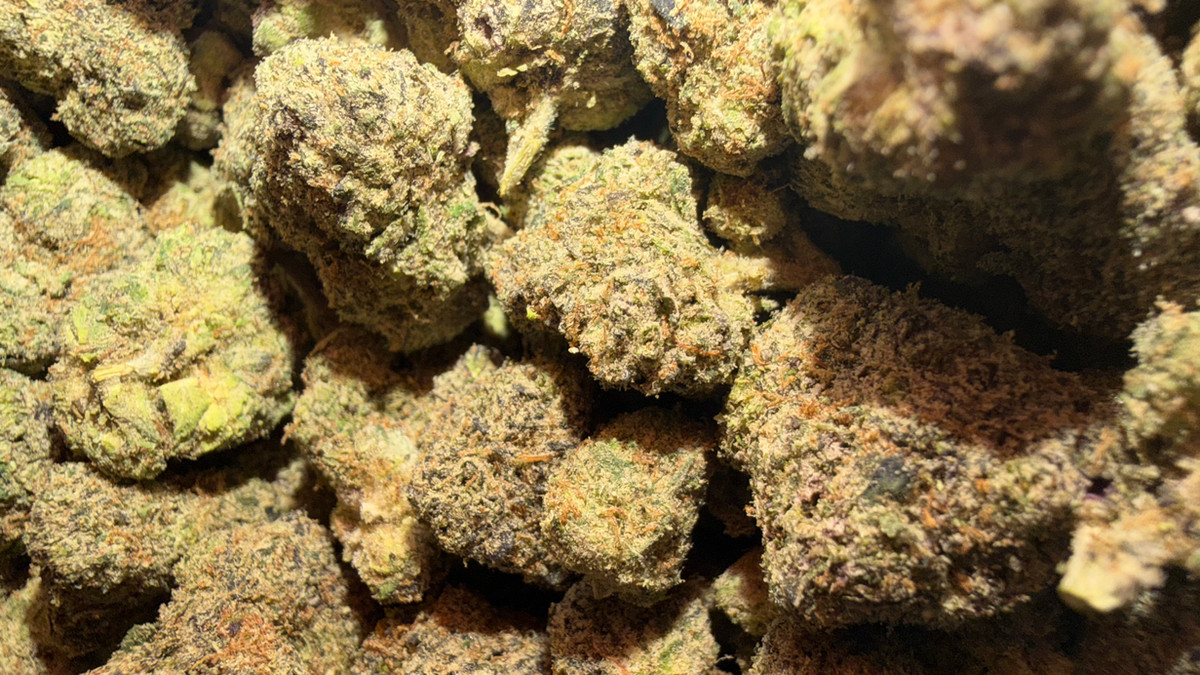
Lemonade is a cannabis strain name used for a citrus-forward, sativa-leaning hybrid profile, but the name is not perfectly standardized across the market. Different breeders and producers may use Lemonade, Lemonade OG, or similarly named versions for plants with related but not identical genetics, so the package label and certificate of analysis matter.
Commonly reported batches fall in a moderate-to-high THC range, often around 15% to 25%, though actual potency can land outside that range. The profile generally suits adults who enjoy bright citrus aroma and an alert, social, daytime-leaning experience, while newer consumers should approach any unfamiliar batch cautiously because THC response varies.
For shoppers comparing the lemonade weed strain with pink lemonade weed strain or strawberry lemonade weed strain, flavor names alone are not proof of shared genetics. Treat them as useful search terms, not guarantees of a common lineage.
Product Highlights
This quick reference summarizes commonly reported characteristics, not a promise about every Lemonade product. Confirm the producer, batch number, cannabinoid results, terpene panel, and consumption format before making comparisons.
Spec | Details |
|---|---|
Strain type | Sativa-dominant hybrid; exact classification varies by producer |
Commonly reported THC range | Approximately 15%–25%; batch results vary |
Dominant terpenes | Commonly associated with limonene, caryophyllene, and myrcene, though a lab panel may differ |
Effect profile | Often described as bright, energetic, focused, social, and mood-lifting |
Best time of day | Daytime or early evening for many consumers; individual response varies |
Available formats | Flower, pre-rolls, concentrates, live resin, live rosin, distillate cartridges, and disposable vapes where offered |
Lineage and genetics
Lemonade’s lineage is one of the least settled parts of its identity. Online strain directories and producer menus commonly connect Lemonade-type names with citrus-forward hybrid families, but reported parentage is not consistent enough to present one pairing as proven for every product carrying the name.
Some listings use “The Original Lemonnade,” while others use Lemonade OG or simply Lemonade. Those labels may point to distinct selections, regional naming, or separate breeder projects. A responsible description is therefore “commonly reported sativa-dominant hybrid,” with genetics confirmed only when the breeder or licensed producer publishes them.
That uncertainty also explains why a purple lemonade weed strain, cherry lemonade weed strain, blue lemonade weed strain, blueberry lemonade weed strain, electric lemonade weed strain, frozen lemonade weed strain, raspberry lemonade weed strain, or mexican lemonade strain weed listing may not be a direct Lemonade relative. Ask whether the name describes genetics, a flavor-forward phenotype, or a product blend.
Aroma, flavor and terpene profile
The classic Lemonade impression is sharp lemon peel, sweet citrus, and a light herbal or floral edge. Depending on the batch, the aroma can move toward candy, pine, pepper, or soft earth rather than tasting like literal lemonade.
Limonene is commonly associated with the strain’s lemon character, while caryophyllene can contribute peppery spice and myrcene may add earthy, herbal depth. Terpenes do not determine effects by themselves, and a strain name cannot replace a batch-specific lab panel; compare the actual percentages when available.
Reported effects and common uses
Consumer descriptions commonly place Lemonade on the energetic, conversational, creative, and clear-headed side of cannabis. Some adults choose it for daytime routines, outdoor activities, social settings, or low-pressure creative work, while others find THC distracting or too stimulating.
These are reported experiences, not medical claims or recommendations. A person’s response can change with dose, tolerance, food, sleep, environment, and the product’s cannabinoid and terpene profile. Start with a low amount, avoid driving, and give inhaled products time to develop before consuming more.
Formats and hardware
Flower and pre-rolls offer the most direct way to evaluate Lemonade’s aroma, but concentrates and vapes can deliver a more concentrated experience. Live resin is made to preserve more of the plant’s fresh aromatic character, live rosin uses solventless pressing, and distillate generally emphasizes refined THC with terpenes added back or blended in.
In a cartridge or disposable, the chamber holds oil above a wick or ceramic heating element, while the coil or atomizer turns that oil into vapor. Draw-activated devices trigger when you inhale; button devices require a press. Lower settings, commonly around 2.4 to 2.8 volts or roughly 315°F to 380°F when a device displays temperature, can help preserve citrus flavor, while hotter settings may produce denser vapor but can taste harsher.
Hardware readings are not standardized, so voltage is only a rough reference. Live resin and live rosin often provide a fuller, more plant-forward flavor, with onset similar to other inhaled products; distillate can taste cleaner or sweeter and may feel more straightforward. Keep any vape upright, avoid repeated long pulls, and follow the producer’s instructions.
Batch testing and label reading
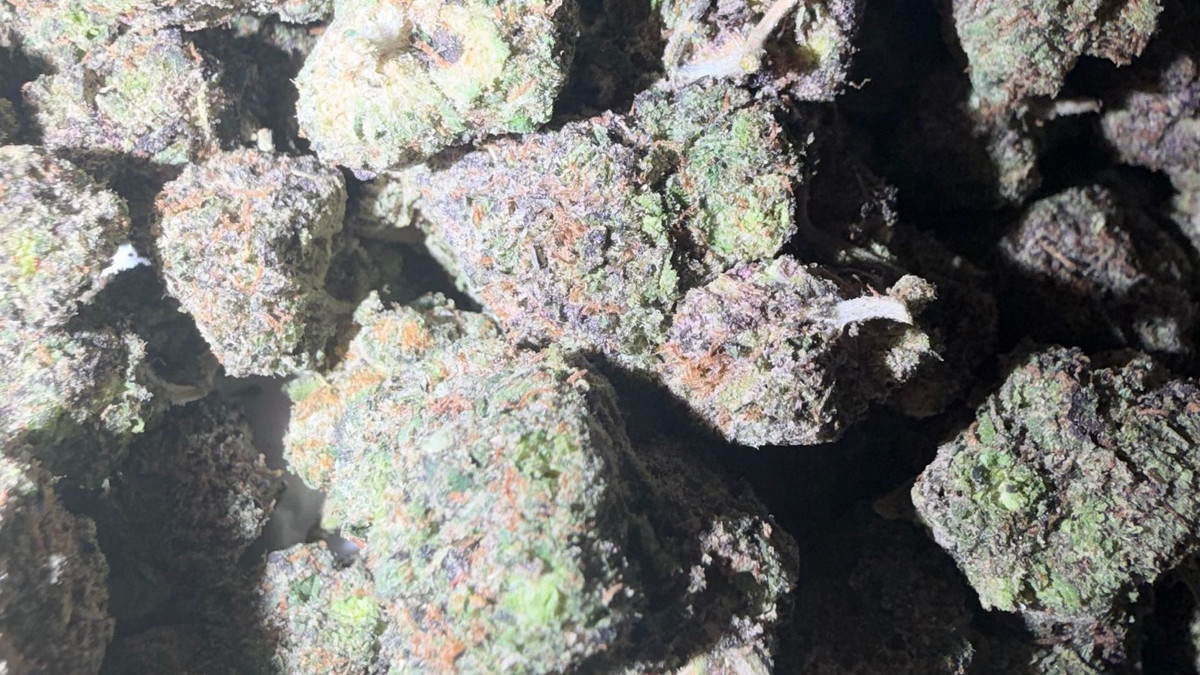
A certificate of analysis, or COA, is a laboratory report tied to a specific cannabis batch. Look for the batch or lot number on the package and make sure it matches the COA, then review cannabinoid percentages, total THC, total CBD, terpene results, and required safety testing such as contaminants, pesticides, solvents, and heavy metals where applicable.
Numbers can change from harvest to harvest, even when the strain name stays the same. A high THC result does not automatically mean a better product, and a terpene percentage does not guarantee a particular experience. This section is educational only; use current labels and licensed dispensary information for product decisions.
How it compares
Comparisons are most useful when they focus on expected character rather than treating strain names as fixed formulas. These related examples are broad consumer profiles, and a specific batch may differ substantially.
Strain | Type | Flavor | Effect | Best for |
|---|---|---|---|---|
Lemonade | Sativa-dominant hybrid | Lemon, sweet citrus, herbal spice | Bright, social, alert | Daytime variety and citrus fans |
Sativa-dominant hybrid | Lemon, haze, spice | Energetic and cerebral | Experienced consumers seeking a sharper profile | |
Gelato | Balanced hybrid | Sweet cream, fruit, dough | Relaxed yet potentially uplifting | Evening or balanced hybrid fans |
Blueberry | Indica-leaning hybrid | Berry, sweet earth, floral notes | Calmer and heavier for many users | Consumers seeking a fruit-forward night profile |
Medical and wellness reports
Adults sometimes describe Lemonade as appealing for stress, low mood, fatigue, or discomfort, but those are personal reports rather than established treatment claims. Cannabis affects people differently, and evidence for a particular condition cannot be inferred from a strain name or a terpene label.
If you use prescription medication, have a medical condition, are pregnant or nursing, or are considering cannabis for a health concern, speak with a qualified healthcare professional. Do not use cannabis to replace prescribed care, and remember that impairment can affect driving, work, and other safety-sensitive activities.
How to Grow Lemonade
Grow Guru AI’s read: Lemonade-type plants are commonly described as vigorous, citrus-forward hybrids with enough stretch to reward canopy planning. Because the name covers more than one genetic line, treat the figures below as working ranges rather than promises.
For DC, Maryland, and Virginia gardeners, humidity management is the main practical challenge. A healthy canopy, steady airflow, careful watering, and an early response to mold or pests matter more than chasing a perfect number.
These are commonly reported cultivation ranges for Lemonade-type plants:
Spec | Details |
|---|---|
Grow difficulty | Moderate |
Indoor flowering time | Approximately 8–10 weeks |
Outdoor harvest window | Commonly reported around October in the Northern Hemisphere |
Yield potential | Indoor: roughly 400–600 g/m²; outdoor: roughly 500–800 g per plant under suitable conditions |
Plant height and stretch | Medium to tall; moderate-to-strong stretch after the flip |
Ideal climate | Warm, sunny, dry-to-moderate humidity with strong air exchange |
Mold and pest resistance | Often described as moderate; dense flowers and humid weather still require active prevention |
Grow Difficulty
The commonly reported rating is Moderate. Lemonade can be forgiving when rooted well and given stable light, irrigation, and airflow, but the sativa-leaning structure may stretch quickly and create uneven tops. That stretch, along with potentially dense flowers, raises the risk of light-management problems and late-flower botrytis in humid conditions.
It is a reasonable project for an attentive first-time grower who can monitor the plant daily, but intermediate cultivators will usually get more from its vigor. Experienced growers should still avoid assuming that one Lemonade cut behaves like another.
Canopy, Training and Pruning
Expect moderate vegetative vigor and medium node spacing, with the exact structure depending on the phenotype. After the move to 12/12, plan for noticeable stretch and establish the final canopy before the flip rather than waiting until flowers are forming.
Topping and low-stress training can spread growth across the light footprint, while a SCROG helps hold tall branches at an even height. Remove only enough interior growth and damaged foliage to improve airflow; aggressive defoliation can slow recovery, especially when the plant is already dealing with heat, transplant stress, or a heavy feed.
Feeding, Climate and Environment
Lemonade-type plants are commonly treated as moderate feeders. Begin conservatively, watch leaf color and growth rate, and avoid assuming that fast growth requires maximum nitrogen. Calcium and magnesium needs depend on water chemistry and the medium, so use a balanced program rather than adding supplements automatically.
Many indoor growers work around 75–85°F in veg and roughly 68–80°F in flower, with humidity often kept near 55%–65% in veg and reduced toward 45%–55% in flower. Those are general working ranges, not guarantees. Use moving air above and below the canopy, exhaust humid air, and inspect dense flowers regularly.
For outdoor DC, Maryland, and Virginia gardens, hot, wet summer weather can fuel powdery mildew and bud rot. Give plants morning sun, generous spacing, a rain-sheltered position when possible, and avoid wetting flowers late in the day. Secure branches before storms and remove compromised material promptly.
Harvest Timing and Curing
Use a jeweler’s loupe or microscope to inspect trichomes rather than relying on calendar weeks alone. A mostly cloudy field with a smaller amount of amber is commonly chosen for a brighter, more alert expression, while allowing more amber may produce a heavier, less sharp result; clear trichomes usually indicate that the plant is not ready.
Fading pistils, swollen flowers, reduced fresh-green aroma, and a developed lemon-and-spice scent can support the decision, but none is decisive by itself. Dry slowly in darkness with controlled airflow, then cure in clean containers opened periodically to exchange air. Protecting moderate humidity and avoiding heat helps preserve Lemonade’s volatile citrus terpenes.
Home Grow Rules in the DMV
Rules can change, so check current government guidance before planting. In broad terms, DC adults 21 and older may grow up to six plants, with no more than three mature, and a household maximum of 12; Maryland adults 21 and older may grow up to two plants per household out of public view; Virginia adults 21 and older may grow up to four plants per household, with labeling and out-of-sight requirements.
This is educational information, not legal advice. Keep plants secured and away from public view, and confirm current possession, location, landlord, and local-rule requirements before starting.
Similar strains worth trying
If you like Lemonade’s citrus direction, Super Lemon Haze is a natural comparison for a more pronounced haze character, while Tangie leans toward bright orange and tangerine. Clementine can offer another citrus-forward route, and Strawberry Cough may appeal if you want fruit with a more traditionally uplifting profile.
For a softer fruit profile, explore blueberry- or berry-led hybrids rather than assuming that a product named pink lemonade or strawberry lemonade shares Lemonade’s genetics. Read the label and terpene panel, especially when choosing between flower, pre-rolls, concentrates, and edibles where onset and duration differ.
The Bud Lords Take
Our take: Lemonade is most interesting when the producer preserves its citrus character without turning the experience into a generic high-THC product. It is a useful strain to compare across formats because flower, live resin, live rosin, and distillate can express the same marketing name in noticeably different ways.
For DMV readers, the legal context matters. DC operates under Initiative 71 gifting rules, which are not the same thing as a regulated recreational retail system, and cannabis products are for adults 21 and older. Maryland and Virginia have their own rules and limits, so do not assume that a product, delivery arrangement, purchase, or possession practice permitted in one jurisdiction carries across the Potomac.
Whether you are comparing Lemonade with a pink lemonade weed strain, checking a COA, or planning a home grow, the most reliable guide is the specific batch and the current local rule. Watch how producers document genetics, terpene results, and testing over time; that is where the name becomes a genuinely useful starting point instead of a promise.
Frequently asked questions
Here is what most people ask about Lemonade in this area.
Is Lemonade an indica or sativa?
Lemonade is commonly described as a sativa-dominant hybrid, but naming is inconsistent. The producer’s classification and the product’s lab results are more useful than the name alone.
What does the Lemonade weed strain taste like?
It is commonly associated with lemon peel, sweet citrus, herbal notes, and occasional pepper or pine. Terpene percentages and growing conditions can shift the flavor from sharp and zesty to candy-like or earthy.
Is Lemonade good for daytime use?
Many consumers report a bright, alert, or social effect, making it a daytime-leaning option for some adults. THC can still impair attention and coordination, so avoid driving and evaluate your response in a safe setting.
Does Lemonade have one confirmed lineage?
No single lineage is consistently verified across all products using the name. Lemonade, Lemonade OG, and related labels may represent different breeders, selections, or producer naming choices.
Lemonade is not in the Bud Lords menu right now. Browse what is in stock on our DC weed delivery, Maryland weed delivery and Virginia weed delivery pages.
More strain guides: Super Boof, Glitter Bomb, Cereal Milk.
Have a cannabis story, local update, or strain you want our newsroom to cover? Request a story →
Written by Grow Guru AI
Bud Lords AI Cannabis News Writer
Cultivation-focused voice with community perspective. Covers growing tips, techniques, and cultivation industry news.
Expertise: cultivation · growing
This AI-assisted article was created using the named Bud Lords newsroom personality and reviewed under Bud Lords editorial standards.


Comments