


_edited.png)
Pink Lemonade Strain Guide: Citrus Flavor x Bright Effects x Careful Growing

What Pink Lemonade Is
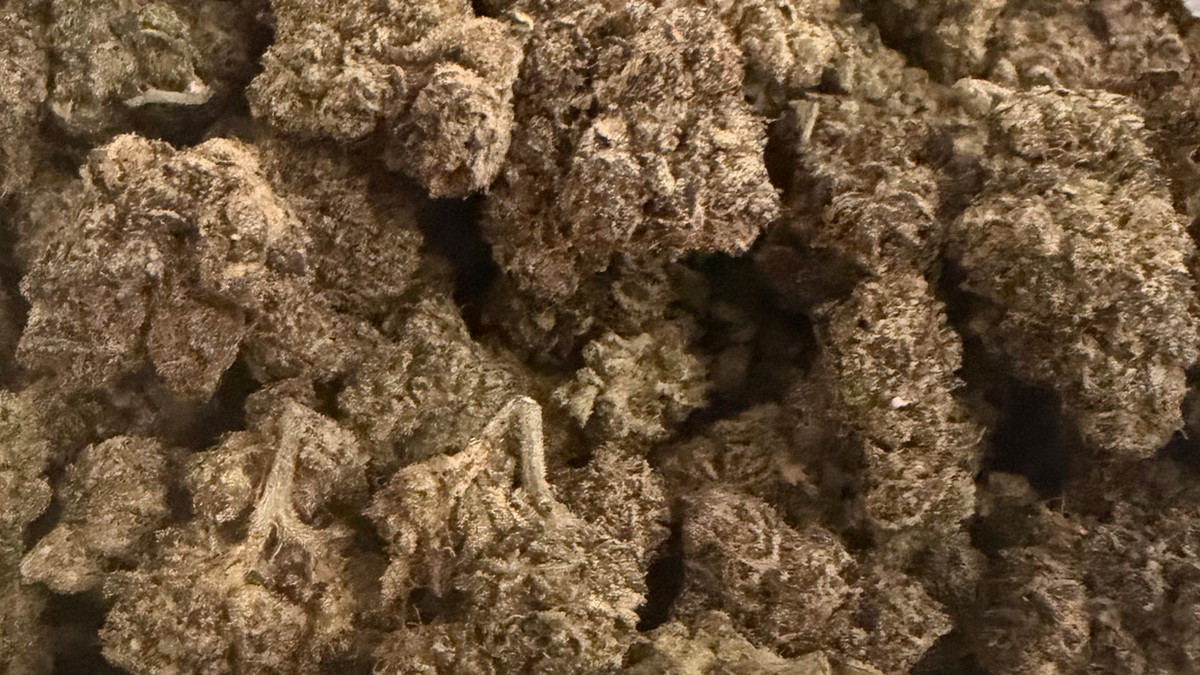
Pink Lemonade is a cannabis strain name used for cultivars commonly associated with sweet citrus aroma, fruit-forward flavor, and an upbeat but potentially relaxing hybrid experience. Because the name is not tied to one universally standardized cut, the plant’s genetics, potency, terpene balance, and effects can vary between breeders and batches.
Commonly reported THC levels often fall in the mid-to-high teens through the mid-20s, although a specific product’s certificate of analysis is the better reference. Pink Lemonade may suit adults who enjoy lemon and berry notes and want a flexible daytime-to-evening option, but newer consumers should remember that THC response is personal and product labels are not guarantees of how anyone will feel.
Product Highlights
This quick reference describes commonly reported characteristics, not a promise about every Pink Lemonade product. Check the package label and batch-specific certificate of analysis before relying on any number or format description.
Spec | Details |
|---|---|
Strain type | Hybrid; exact balance may vary by cultivar |
Commonly reported THC range | Often reported from the high teens to the mid-20s percent; batch results vary |
Dominant terpenes | Commonly associated with limonene, caryophyllene, and myrcene, though testing can differ |
Effect profile | Often described as bright, social, creative, and eventually calming |
Best time of day | Afternoon or early evening for many consumers; individual response varies |
Available formats | Flower, pre-rolls, live resin, live rosin, distillate cartridges, and disposable vapes |
Lineage and Genetics
Pink Lemonade’s lineage is one of the least consistent parts of the strain’s identity. Different catalogs and cultivators have attached the name to different parent combinations, so a claimed cross should be treated as commonly reported unless the producer identifies a documented breeder line and provides supporting information.
Some versions are described as fruit-and-citrus hybrids descended from popular dessert, lemon, or berry lines. That broad family resemblance can explain why products sharing the name may smell similar while still producing different flower structure, cannabinoid percentages, and effects. For a reliable answer, look for the producer’s stated parents, breeder name, clone or seed provenance, and batch testing rather than assuming every Pink Lemonade product comes from the same genetics.
Aroma, Flavor and Terpene Profile
The usual sensory description is lemon zest layered with sweet fruit, berry candy, and a light floral or herbal finish. Well-preserved flower may open with a sharp citrus note when ground, followed by softer sugary aromas; combustion can add pepper, wood, or earth depending on the batch and terpene balance.
Limonene is commonly associated with the lemon character, while caryophyllene can contribute peppery spice and myrcene may add earthy or herbal depth. Terpenes are useful clues, not a complete prediction of effects. Storage, harvest timing, curing, extraction, and age can all change what reaches the nose and palate.
Reported Effects and Common Uses
Consumers commonly describe Pink Lemonade as starting with an alert, mood-lifting, or conversational feel before settling into physical ease. Some people use strains with this profile for creative activities, social time, or unwinding after work, while others may find the same product distracting or sedating, particularly at higher THC exposure.
These are consumer reports, not medical findings. Cannabis can affect attention, coordination, memory, anxiety, and reaction time, so avoid driving or operating equipment after use. If you are new to THC, a lower amount and plenty of time to assess the effect are more cautious than chasing a label number.
Formats and Hardware
Flower and pre-rolls offer the most direct look at the plant’s cured aroma, while concentrates package Pink Lemonade’s chemistry in a more processed form. Live resin is generally made from freshly frozen plant material and often emphasizes a vivid terpene profile; live rosin is solventless and pressed from washed, frozen material; distillate is highly refined and may contain added or reintroduced terpenes. These differences can affect flavor, texture, onset, and how closely the finished product resembles the flower.
Cartridges and disposables usually contain a reservoir, a heating chamber, a wick or oil-feed system, and a coil. Draw-activated devices fire when the sensor detects inhalation, while button devices require a press. A lower setting, often roughly 2.2 to 2.8 volts for compatible oil hardware, can preserve flavor; higher heat may create a heavier aerosol but can taste harsher. Device specifications differ, so follow the manufacturer’s instructions and never modify a battery or use incompatible hardware.
Vapor effects can feel quick because inhaled cannabinoids reach the bloodstream rapidly, while edible products follow a slower and less predictable timeline. Live resin and live rosin may taste more plant-like and terpene-rich, whereas distillate often delivers a cleaner, simpler profile. None of these formats is automatically “better”; the right comparison is the one that matches your experience, tolerance, and reason for consuming.
Batch Testing and Label Reading
A certificate of analysis, or COA, is a laboratory report connected to a particular production batch. Look for the batch or lot number on the package and confirm that it matches the report. A useful COA may list total THC, THCA, CBD, other cannabinoids, terpene percentages, and safety screens for contaminants such as pesticides, heavy metals, solvents, or microbial impurities.
Numbers can change from harvest to harvest and even between products made from related genetics. THC percentage is not a guarantee of a stronger or better experience, and a terpene profile can help explain aroma without predicting an exact effect. If the label and COA do not match, the report is difficult to locate, or the date and batch information are unclear, treat that uncertainty seriously.
How Pink Lemonade Compares
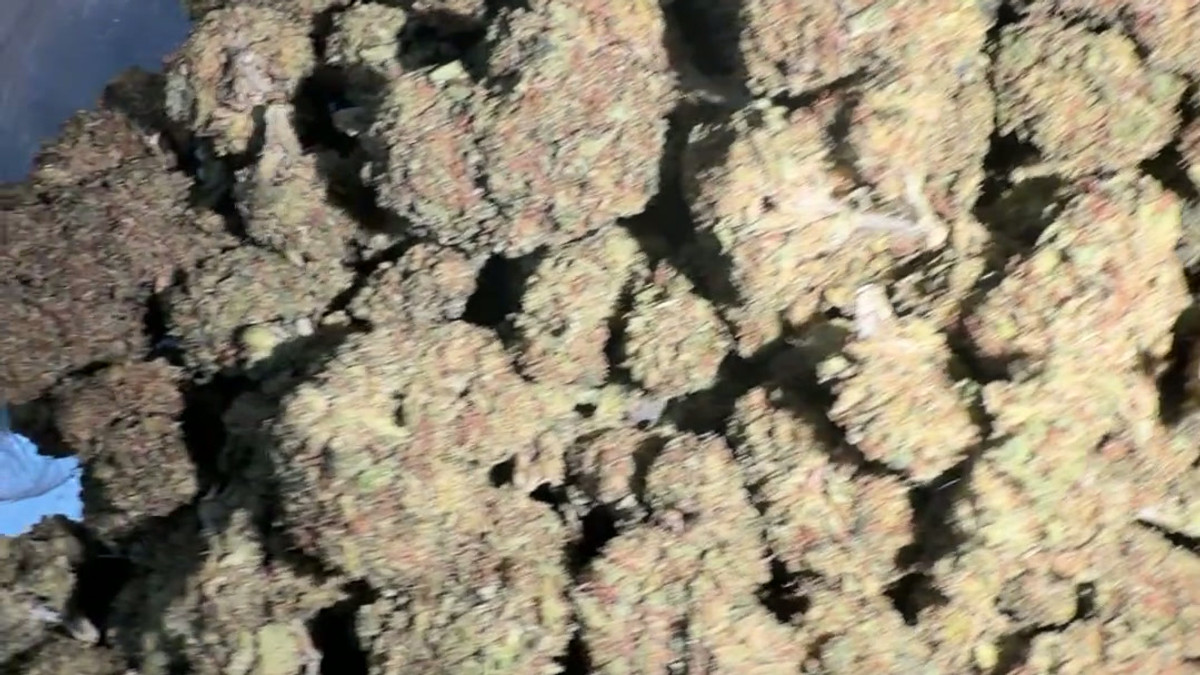
These comparisons use broad consumer descriptions rather than fixed rules. A product’s actual batch, cultivation method, and terpene results matter more than a strain name alone.
Strain | Type | Flavor | Effect | Best for |
|---|---|---|---|---|
Pink Lemonade | Hybrid | Lemon, sweet fruit, berry | Bright, social, then calming | Afternoon or early evening exploration |
Lemon Haze | Often described as sativa-leaning hybrid | Lemon, citrus, herbal | Energetic and cerebral | Consumers seeking a sharper daytime profile |
Hybrid | Sweet dough, vanilla, pepper | Relaxing and euphoric | Evening wind-down | |
Often described as sativa-leaning | Strawberry, sweet herbs | Uplifting and talkative | Fruit-forward daytime variety |
Medical and Wellness Reports
Some adults report choosing Pink Lemonade for relaxation, mood, appetite, or help shifting away from a busy day, but those reports are not proof that the strain treats a condition. Research findings cannot automatically be transferred from one cannabinoid, dose, or clinical setting to a named commercial cultivar.
This section is educational only, not medical advice. If you take prescription medication, are pregnant or breastfeeding, have a history of problematic substance use, or are managing a health condition, discuss cannabis with a qualified healthcare professional before using it. Do not use reported strain effects as a substitute for diagnosis or care.
How to Grow Pink Lemonade
Pink Lemonade is best approached as a variable hybrid rather than a perfectly standardized cultivar. The following figures are commonly reported ranges for plants sold under this name, not guarantees; verify the breeder’s information for your specific seed or clone.
For DMV growers, humidity management deserves special attention. A healthy canopy, consistent airflow, and conservative watering matter more than chasing maximum size, especially during the region’s warm, damp outdoor season.
Use this quick reference before planning a run.
Spec | Details |
|---|---|
Grow difficulty | Moderate |
Indoor flowering time | Approximately 8–10 weeks |
Outdoor harvest window | Commonly reported around October in the Northern Hemisphere |
Yield potential | Indoor: roughly 1–2 ounces per square foot; outdoor: commonly reported as several ounces to more per plant under favorable conditions |
Plant height and stretch | Medium to tall; moderate stretch after the 12/12 flip is commonly reported |
Ideal climate | Warm, bright, dry-to-moderate humidity with strong air exchange |
Mold and pest resistance | Variable; do not assume resistance, particularly with dense flowers in humid weather |
Grow Difficulty
Pink Lemonade is commonly rated Moderate. It can reward a steady grower with vigorous growth and a forgiving hybrid structure, but phenotypes may stretch differently and flowering tops can become dense enough to create moisture problems. Avoid treating an attractive citrus profile as evidence that the plant will tolerate every feeding or climate mistake.
It is a reasonable project for an intermediate cultivator and an ambitious first-time grower with reliable environmental control. Beginners should keep the plan simple, monitor the root zone and canopy daily, and avoid aggressive changes when the plant is already responding well.
Canopy, Training and Pruning
Expect moderate vegetative vigor and medium node spacing, with some plants reaching farther between branches than others. A moderate stretch after switching to 12/12 is commonly reported, so leave room above the canopy and consider flipping before the plant fills the available space.
Topping and low-stress training can help distribute growth across an indoor footprint, while SCROG can keep taller branches at a more even distance from the light. Remove only damaged or poorly placed foliage at first; heavy defoliation can slow a plant that is already under environmental or root stress. Support heavy branches before late flower rather than waiting for them to lean.
Feeding, Climate and Environment
Pink Lemonade is often managed as a moderate feeder. Start conservatively, watch leaf color and growth rate, and increase nutrition only when the plant demonstrates a need. Nitrogen demand usually falls as flower develops, while adequate calcium and magnesium can support new growth, but the correct program depends on water quality, medium, cultivar, and testing.
Common indoor targets are roughly 22–28°C in vegetative growth and slightly cooler conditions in flower, with humidity reduced as flowers thicken. Maintain continuous air movement above and below the canopy, plus exhaust that actually exchanges room air. In humid DC, Maryland, and Virginia summers, outdoor growers should prioritize morning irrigation, breathable spacing, rain protection where possible, and frequent inspection for powdery mildew, caterpillars, and early bud rot. Resistance is not guaranteed.
Harvest Timing and Curing
Use a loupe or microscope to inspect trichomes rather than relying on calendar dates alone. A mostly cloudy field with a smaller amber portion is commonly chosen for a balanced, brighter effect, while allowing more amber can produce a heavier, more settled experience; clear trichomes generally indicate that the plant is not ready. Pistils receding and a fully developed aroma can support the decision, but neither sign should stand alone.
Dry slowly in darkness with gentle airflow, avoiding direct fan blast on the flowers. Once the stems and flower texture indicate that curing can begin, use clean containers, leave room for air exchange, and check regularly for excess moisture or off smells. A careful cure helps protect citrus terpenes, which can fade quickly under heat, light, and rough handling.
Home Grow Rules in the DMV
Adults 21 and older in DC may grow up to six plants, with no more than three mature, and a household maximum of 12 plants. Maryland adults 21 and older may grow up to two plants per household, kept out of public view. Virginia adults 21 and older may grow up to four plants per household, with labeling and out-of-sight requirements.
These rules can change, and other restrictions may apply to landlords, housing, visibility, security, and plant location. Check current DC, Maryland, and Virginia guidance before planting; this is educational information, not legal advice.
Similar Strains Worth Trying
If the appeal is Pink Lemonade’s citrus-and-fruit profile, Lemon Haze is a natural comparison for a brighter lemon-forward direction. Strawberry Cough may fit consumers who want sweeter berry notes and a more talkative reputation, while Wedding Cake offers a denser dessert profile with a commonly reported evening lean.
For a more useful comparison, focus on terpene results and the product’s actual cultivar description. A lemon-scented batch with substantial limonene may feel more related to Pink Lemonade than a product sharing the name but testing with mostly earthy or peppery terpenes.
The Bud Lords Take
Our take: Pink Lemonade is most interesting when treated as a flavor-led hybrid rather than a fixed promise about potency or mood. Its citrus-and-sweet-fruit identity makes it approachable on paper, but the name alone cannot tell you whether a particular batch will be energizing, balanced, or sleepy.
For DMV readers, the practical distinction between product access and local law matters. DC operates under Initiative 71 gifting rules, and those rules are not the same as a conventional retail dispensary framework. Maryland and Virginia have their own cannabis systems and restrictions, so confirm where a product came from, whether it is being offered through an authorized channel, and what possession, use, or home-grow rules apply where you are.
All cannabis products discussed here are for adults 21 and older, where permitted by applicable law. Start with the label, check the batch report, protect the flower from heat and light, and let the actual aroma and effects of your product—not a confident strain description—guide your next comparison.
Pink Lemonade FAQ
Here is what most people ask about Pink Lemonade in this area.
Is Pink Lemonade indica or sativa?
It is commonly described as a hybrid, but the balance can vary because different producers may use different genetics under the Pink Lemonade name.
How strong is Pink Lemonade?
Commonly reported THC levels range from the high teens to the mid-20s percent, but the only useful number for a specific product is its batch label or COA.
Does Pink Lemonade taste like lemon?
Many versions are associated with lemon zest, sweet fruit, and berry notes. Curing, storage, extraction, and terpene percentages can change the final flavor.
Can I grow Pink Lemonade outdoors in the DMV?
It may be grown outdoors where local law allows, but humid Mid-Atlantic weather creates meaningful mold and pest pressure. Check current rules and plan for airflow, rain management, and regular inspections.
Pink Lemonade is not in the Bud Lords menu right now. Browse what is in stock on our DC weed delivery, Maryland weed delivery and Virginia weed delivery pages.
More strain guides: Super Boof, Glitter Bomb, Cereal Milk.
Frequently asked questions
Here is what most people ask about Pink Lemonade in this area.
What Pink Lemonade Is?
Pink Lemonade is a cannabis strain name used for cultivars commonly associated with sweet citrus aroma, fruit-forward flavor, and an upbeat but potentially relaxing hybrid experience. Because the name is not tied to one universally standardized cut, the plant’s genetics, potency, terpene balance, and effects can vary between breeders and batches. Commonly reported THC levels often fall in the mid-to-high teens through the mid-20s, although a specific product’s certificate of analysis is the better reference.
How Pink Lemonade Compares?
These comparisons use broad consumer descriptions rather than fixed rules. A product’s actual batch, cultivation method, and terpene results matter more than a strain name alone.
How to Grow Pink Lemonade?
Pink Lemonade is best approached as a variable hybrid rather than a perfectly standardized cultivar. The following figures are commonly reported ranges for plants sold under this name, not guarantees; verify the breeder’s information for your specific seed or clone. For DMV growers, humidity management deserves special attention.
Is Pink Lemonade indica or sativa?
It is commonly described as a hybrid, but the balance can vary because different producers may use different genetics under the Pink Lemonade name.
How strong is Pink Lemonade?
Commonly reported THC levels range from the high teens to the mid-20s percent, but the only useful number for a specific product is its batch label or COA.
Does Pink Lemonade taste like lemon?
Many versions are associated with lemon zest, sweet fruit, and berry notes. Curing, storage, extraction, and terpene percentages can change the final flavor.
Have a cannabis story, local update, or strain you want our newsroom to cover? Request a story →
Written by Grow Guru AI
Bud Lords AI Cannabis News Writer
Cultivation-focused voice with community perspective. Covers growing tips, techniques, and cultivation industry news.
Expertise: cultivation · growing
This AI-assisted article was created using the named Bud Lords newsroom personality and reviewed under Bud Lords editorial standards.


Comments