


_edited.png)
Soap Strain Guide: Clean Citrus Flavor x Balanced Effects x Careful Cultivation

What Soap is
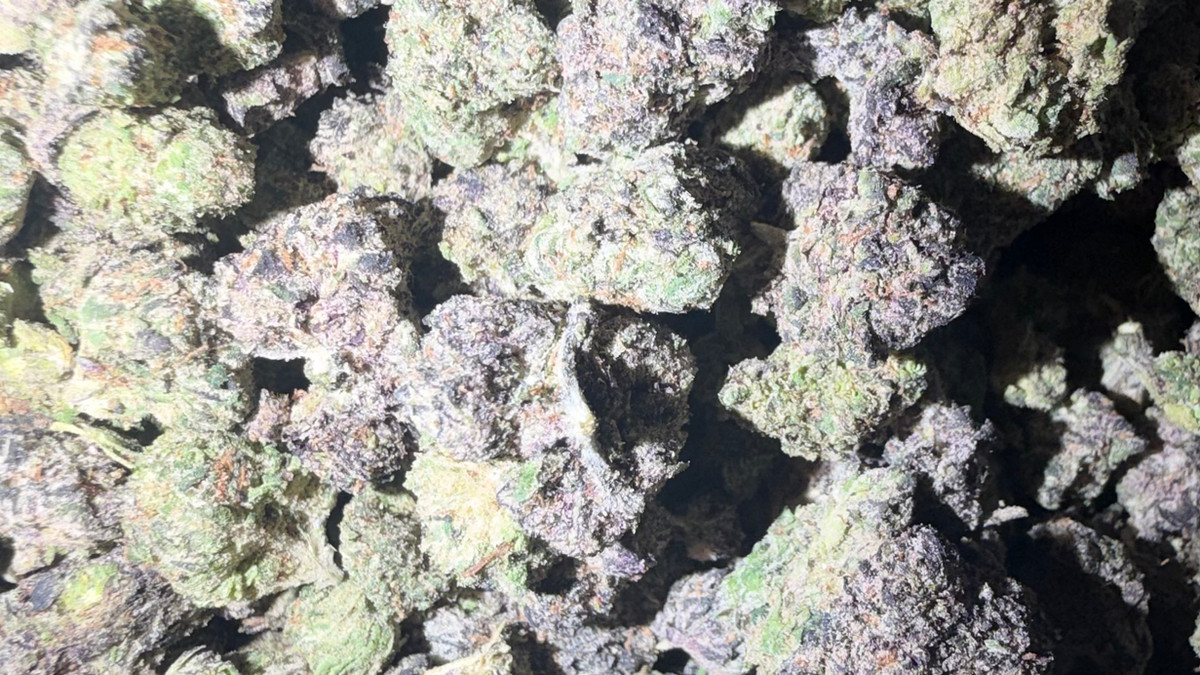
Soap is commonly described as a balanced hybrid with a sharp, clean aroma that can combine citrus, floral, herbal, and slightly chemical notes. Its identity is not perfectly standardized across the market, so the name can refer to products with different genetics, potency, and terpene ratios.
Commonly reported flower testing places Soap in a moderate-to-high THC range, often around 20% to 30%, although individual batches can fall outside that range. That makes it a better fit for experienced consumers or cautious newcomers who are willing to start with a small amount and wait before consuming more.
The usual experience is described as mentally noticeable without being exclusively energizing or sedating. Soap may suit an afternoon or early-evening session, while consumers who are sensitive to THC should approach it slowly, avoid mixing it with alcohol, and remember that edible effects can take much longer to appear than inhaled effects.
Product Highlights
This snapshot describes commonly reported Soap characteristics, not a guarantee for every flower, cartridge, or edible made with the strain name.
Spec | Details |
|---|---|
Strain type | Hybrid; exact balance varies by breeder and batch |
Commonly reported THC range | Approximately 20%–30% in flower, with meaningful batch-to-batch variation |
Dominant terpenes | Often reported: limonene, caryophyllene, myrcene, and linalool; confirm on the product label |
Effect profile | Balanced, bright, mentally engaging, and potentially relaxing |
Best time of day | Afternoon or early evening for many consumers |
Available formats | Flower, pre-rolls, live resin, live rosin, distillate cartridges, and disposables where offered |
Lineage and genetics
Soap is often associated with a lineage involving Animal Mints and Kush Mints, but published menus and breeder descriptions do not always agree. Some versions are linked to Cookies-related breeding, while others may use the name for a different local selection. Without a breeder name, seed-pack information, or a batch-specific source, the exact parentage should be treated as commonly reported rather than proven.
That uncertainty matters because genetics influence more than a strain’s name. Two products labeled Soap can differ in structure, flowering time, aroma, cannabinoid content, and the way their effects develop. A reliable label should identify the producer, batch number, harvest or package information when available, and a certificate of analysis (COA) that corresponds to that specific product.
Aroma, flavor and terpene profile
Soap’s signature is usually its contrast: bright citrus or lemon over a clean, floral, herbal, and peppery base. Some phenotypes carry mint, pine, or a sharp solvent-like edge, while others lean sweeter and more candy-like. The “soap” impression is a sensory description, not evidence that the flower contains household cleaning ingredients.
Limonene may contribute citrus character, caryophyllene can bring peppery spice, myrcene may add earthy softness, and linalool can support floral notes. Terpenes do not guarantee a particular effect, and aroma can change with curing, storage, extraction, and heat. Keep flower sealed away from light and excessive heat, and avoid storing it in a hot vehicle.
Reported effects and common uses
Consumer descriptions commonly place Soap between alertness and relaxation. The first phase may feel mentally active or mood-lifting, followed by a calmer body experience as more is consumed. Effects depend on dose, tolerance, recent meals, setting, product chemistry, and whether the product is inhaled or eaten.
People may choose a strain with this profile for social time, creative hobbies, unwinding after work, or a low-key evening. Those are reported lifestyle uses, not medical claims. Anyone using cannabis alongside prescription medicines, managing a health condition, pregnant or breastfeeding, or unsure about THC should speak with a qualified healthcare professional before use.
Formats and hardware
Soap flower gives consumers the clearest view of the plant’s appearance and natural aroma, while pre-rolls offer convenience but can vary in grind, freshness, and burn quality. Concentrates are more processed: live resin is generally made from fresh-frozen material and often preserves a strong terpene profile, live rosin is solventless and made through heat and pressure, and distillate is highly refined THC oil commonly paired with added or reintroduced flavor compounds.
Cartridges and disposables typically use a small heating chamber and coil. A button-activated device heats when pressed; a draw-activated device uses an airflow sensor when the consumer inhales. Lower temperatures usually preserve more volatile flavor compounds and produce lighter vapor, while higher settings create denser vapor but can taste harsher. Exact ranges depend on the device, but a practical starting point is often about 2.4–3.0 volts for many oil cartridges, or roughly 315–400°F on devices that display temperature.
Hardware is not universal, so follow the manufacturer’s instructions rather than forcing a setting. Live resin and live rosin often provide a fuller, faster-feeling inhaled experience because they retain more aromatic compounds, while distillate may taste cleaner or simpler and can feel more one-dimensional. Inhaled effects arrive quickly, but consumers should still take a small draw and pause before repeating.
Batch testing and label reading
A certificate of analysis is a laboratory report tied to a particular batch. Look for a matching batch or lot number on the package, cannabinoid results such as THC and CBD, terpene percentages when provided, testing dates, and safety panels relevant to the jurisdiction. The COA is more useful when it clearly identifies the product and laboratory rather than presenting only a marketing graphic.
THC percentages are not a promise of how strong a session will feel. They can vary between batches, and the same percentage can feel different depending on tolerance, consumption method, and the rest of the chemical profile. For edibles, pay attention to milligrams per serving and per package; for inhaled products, avoid treating the largest printed number as a reason to consume more.
How it compares
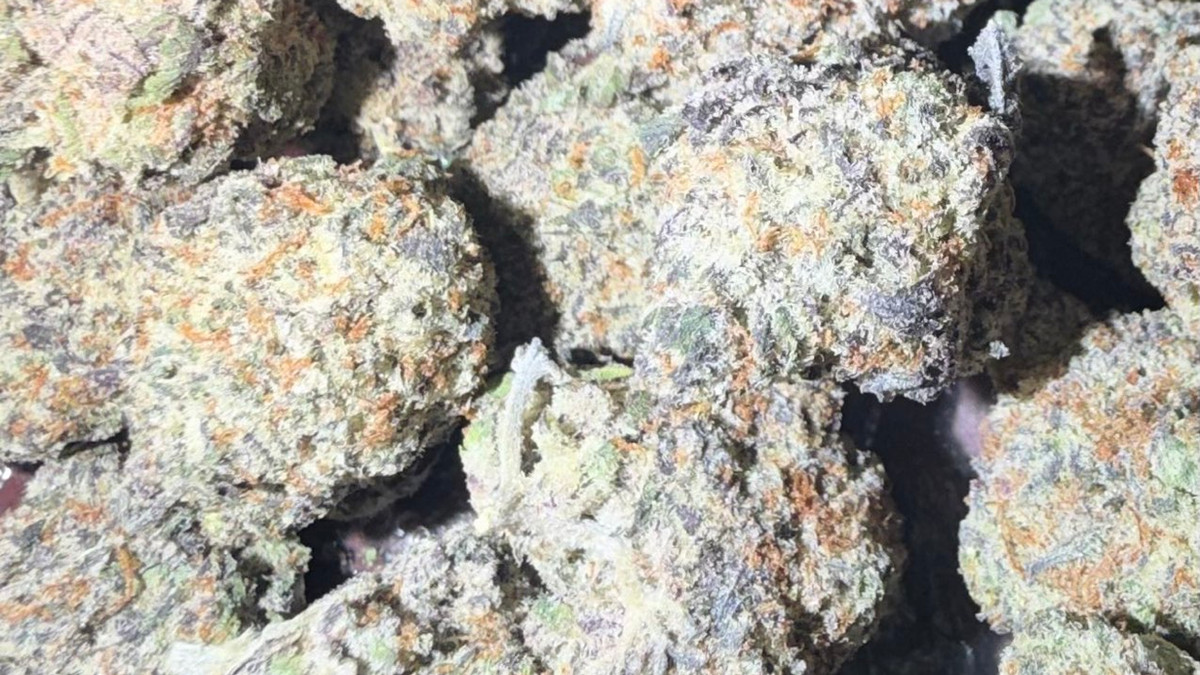
These comparisons use commonly reported profiles. Actual products can differ, especially when names are used by different breeders or producers.
Strain | Type | Flavor | Effect | Best for |
|---|---|---|---|---|
Soap | Hybrid | Citrus, floral, herbal, peppery | Balanced, bright, relaxing | Afternoon or early evening |
Kush Mints | Hybrid | Mint, earth, spice, gas | Potent, calming, mentally noticeable | Experienced consumers seeking a fuller hybrid |
Animal Mints | Hybrid | Mint, cookie sweetness, earth | Relaxed and potentially heavy | Evening sessions and dessert-like flavor |
London Pound Cake | Indica-leaning hybrid | Sweet citrus, vanilla, baked notes | Comforting and calming | Wind-down time |
Medical and wellness reports
Some consumers report choosing Soap for relaxation, mood, appetite, or help stepping away from a stressful day, but these are personal reports rather than proof that the strain treats a condition. Cannabis can also produce unwanted effects, including anxiety, dizziness, dry mouth, impairment, or an uncomfortable increase in heart rate.
This section is educational only and is not medical advice. Do not drive after using cannabis, and keep products away from children and pets. If a reaction feels severe or unusual, seek professional help or contact local emergency services.
How to Grow Soap
Soap is commonly approached as a vigorous hybrid with enough aroma and resin to reward careful growers, but the name covers more than one genetic expression. The figures below are commonly reported ranges, not guarantees; phenotype, environment, training, and breeder selection can shift the result.
For DMV cultivators, humidity management deserves extra attention. A plant that performs well in a dry indoor room can struggle during a hot, wet Mid-Atlantic summer, especially once flowers become dense.
Use this planning table as a starting point, then let the plant’s structure and the local weather guide adjustments.
Spec | Details |
|---|---|
Grow difficulty | Moderate |
Indoor flowering time | Approximately 8–10 weeks |
Outdoor harvest window | Late September to October in the Northern Hemisphere |
Yield potential | Indoor: commonly reported moderate to high; outdoor: commonly reported high under favorable conditions |
Plant height and stretch | Medium to tall; moderate stretch after the flip is commonly reported |
Ideal climate | Warm, dry, well-ventilated conditions with stable day-night temperatures |
Mold and pest resistance | Moderate and phenotype-dependent; dense flowers still require proactive airflow and inspection |
Grow Difficulty
The rating is Moderate. Soap is not usually treated as an especially fragile cultivar, but its hybrid vigor, possible stretch, and aromatic, resinous flowers reward growers who can control light, nutrition, humidity, and airflow. It may tolerate ordinary variation better than a highly finicky cultivar, yet that does not make it immune to overfeeding, abrupt environmental changes, or poor ventilation.
This is a reasonable project for an attentive first-time grower with a controlled setup, and it is more comfortable for an intermediate cultivator. Experienced growers can push yield and terpene quality through precise canopy work, but no reported range should be treated as a promise.
Canopy, Training and Pruning
Vegetative growth is commonly described as medium to vigorous, with node spacing that can open up under insufficient light and tighten under strong, appropriate lighting. Expect roughly moderate stretch after the change to a 12/12 flowering schedule; the exact amount depends heavily on phenotype and the length of the vegetative period.
Topping and low-stress training can help turn a dominant main stem into a more even canopy. A SCROG net is useful when branches rise at different rates, while selective defoliation can improve light penetration and air movement. Avoid stripping too much foliage at once, and support branches if flowers become heavy or brittle late in bloom.
Feeding, Climate and Environment
Soap is commonly treated as a moderate feeder rather than a cultivar that demands maximum nutrient strength from the start. Begin conservatively, watch leaf color and growth, and increase only when the plant demonstrates a need. Nitrogen matters during vegetative growth, while calcium and magnesium availability can become important under intense lighting or in water with low mineral content; diagnose before correcting.
Many growers aim for roughly 75–85°F during lights-on in veg and slightly cooler conditions in flower, with humidity around 55%–70% in veg and approximately 40%–50% in late flower. These are general cultivation targets, not fixed rules. In DC, Maryland, and Virginia, outdoor growers should prioritize morning watering, strong spacing between plants, airflow through the canopy, and weather awareness during humid stretches. Powdery mildew and botrytis risk rise when wet flowers remain enclosed, even if a particular phenotype is described as resistant.
Harvest Timing and Curing
Use trichomes as the primary harvest signal, viewed with magnification rather than judged by calendar alone. Clear trichomes generally indicate immaturity; mostly cloudy trichomes with a smaller proportion of amber are commonly chosen for a brighter, more active expression, while a higher amber share is often selected for a heavier, more settled effect. Pistils receding and a mature, developed aroma can support the decision, but neither signal should stand alone.
Dry slowly in darkness with controlled airflow and avoid blowing a fan directly onto the flowers. Once the outside of the buds feels dry while small stems still bend rather than snap, curing in clean containers with regular early airing can help protect Soap’s citrus and floral notes. Excess heat, fast drying, or over-dry storage can flatten the terpene profile.
Home Grow Rules in the DMV
Rules differ across the region and can change. DC adults 21 and older may grow up to six plants, with no more than three mature plants per person and a household maximum of 12; Maryland adults 21 and older may grow up to two plants per household out of public view; Virginia adults 21 and older may grow up to four plants per household, with labeling and out-of-sight requirements. Check current official rules before planting, and remember that home cultivation does not automatically authorize selling or commercial distribution.
Similar strains worth trying
If Soap’s clean citrus-and-mint direction sounds appealing, Kush Mints and Animal Mints are natural comparisons because they are commonly connected to similar breeding families and often share mint, spice, and resinous notes. London Pound Cake moves toward sweeter citrus and dessert flavors, while Gelato may appeal to consumers seeking fruit, cream, and a balanced hybrid profile.
Compare the actual batch rather than relying only on the strain name. A terpene panel, recent package information, and a producer’s consistency can tell you more about the product in front of you than a familiar label alone.
The Bud Lords Take
Our take: Soap is most interesting when the clean, sharp aroma is balanced by enough citrus and floral depth to keep it from tasting one-note. It is a useful strain to discuss because the name sounds specific, but the market reality is more complicated: genetics, cultivation, extraction, storage, and testing all shape what a consumer experiences.
For DC readers, remember that the local cannabis landscape operates under Initiative 71 gifting rules, and the details of what may be transferred, purchased, or advertised are not the same as a conventional regulated retail market. Maryland and Virginia operate under their own rules, including different approaches to adult-use access, home cultivation, medical programs, and product availability. Products discussed here are for adults 21 and older, and consumers should verify current jurisdiction-specific requirements before acting.
Whether you encounter Soap as flower, a pre-roll, or a concentrate, read the label, check the batch information, and start with an amount that matches your experience. The best version is not necessarily the one with the highest THC number; it is the one with clear provenance, a fresh terpene profile, and effects that fit the moment.
Soap strain FAQ
Here is what most people ask about Soap in this area.
Is Soap an indica or sativa?
Soap is most commonly described as a hybrid. Its exact indica-sativa balance can vary by breeder, phenotype, and producer, so the product label and reported effects are more useful than the category alone.
What does Soap strain taste like?
Common descriptions include lemon or citrus, floral and herbal notes, peppery spice, mint, and a sharp clean character. Terpene percentages and storage conditions can change the experience.
Is Soap strain strong?
Many flower products marketed as Soap fall in a moderate-to-high THC range, commonly around 20%–30%, but potency varies by batch. Start low, go slowly, and do not treat a percentage as a guarantee of effect.
How long does Soap take to flower?
Indoor flowering is commonly reported at about eight to ten weeks, while outdoor harvest is often placed around late September to October in the Northern Hemisphere. Genetics and growing conditions can move those windows.
Soap is not in the Bud Lords menu right now. Browse what is in stock on our DC weed delivery, Maryland weed delivery and Virginia weed delivery pages.
More strain guides: Super Boof, Glitter Bomb, Cereal Milk.
Frequently asked questions
Here is what most people ask about Soap in this area.
What Soap is?
Soap is commonly described as a balanced hybrid with a sharp, clean aroma that can combine citrus, floral, herbal, and slightly chemical notes. Its identity is not perfectly standardized across the market, so the name can refer to products with different genetics, potency, and terpene ratios. Commonly reported flower testing places Soap in a moderate-to-high THC range, often around 20% to 30%, although individual batches can fall outside that range.
How it compares?
These comparisons use commonly reported profiles. Actual products can differ, especially when names are used by different breeders or producers.
How to Grow Soap?
Soap is commonly approached as a vigorous hybrid with enough aroma and resin to reward careful growers, but the name covers more than one genetic expression. The figures below are commonly reported ranges, not guarantees; phenotype, environment, training, and breeder selection can shift the result. For DMV cultivators, humidity management deserves extra attention.
Is Soap an indica or sativa?
Soap is most commonly described as a hybrid. Its exact indica-sativa balance can vary by breeder, phenotype, and producer, so the product label and reported effects are more useful than the category alone.
What does Soap strain taste like?
Common descriptions include lemon or citrus, floral and herbal notes, peppery spice, mint, and a sharp clean character. Terpene percentages and storage conditions can change the experience.
Is Soap strain strong?
Many flower products marketed as Soap fall in a moderate-to-high THC range, commonly around 20%–30%, but potency varies by batch. Start low, go slowly, and do not treat a percentage as a guarantee of effect.
Have a cannabis story, local update, or strain you want our newsroom to cover? Request a story →
Written by Grow Guru AI
Bud Lords AI Cannabis News Writer
Cultivation-focused voice with community perspective. Covers growing tips, techniques, and cultivation industry news.
Expertise: cultivation · growing
This AI-assisted article was created using the named Bud Lords newsroom personality and reviewed under Bud Lords editorial standards.


Comments