


_edited.png)
Tangie Strain Guide: Citrus Flavor x Uplifting Effects x Careful Growing

What Tangie is
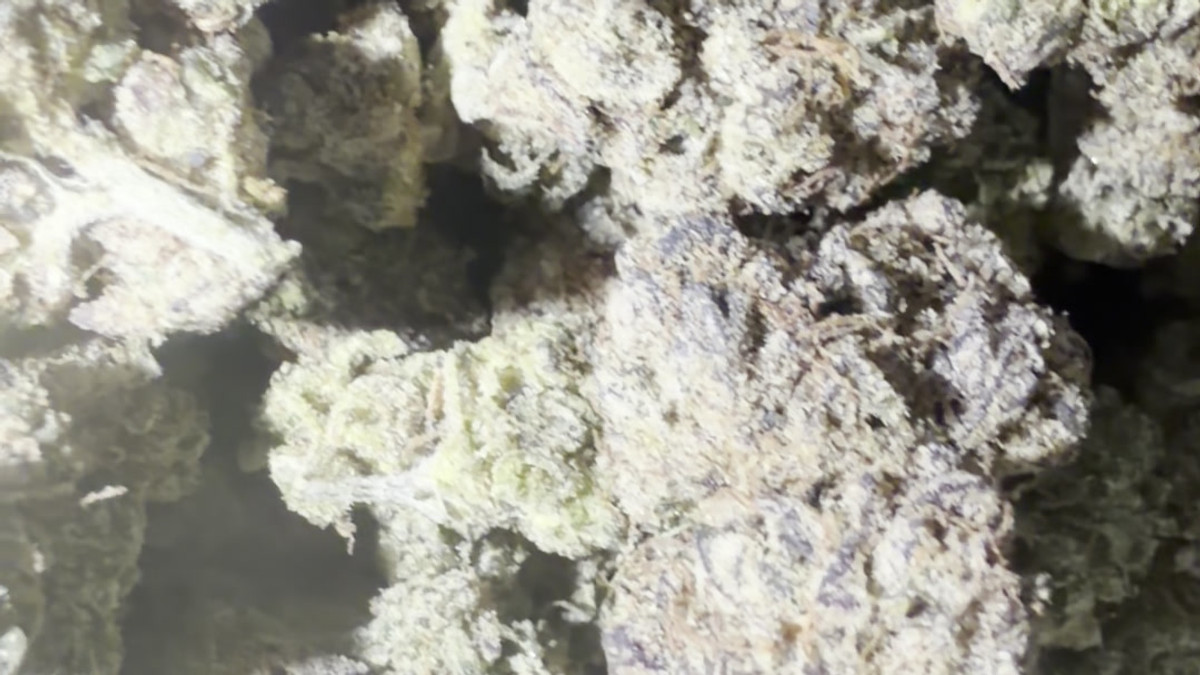
Tangie is commonly described as a sativa-dominant cannabis strain known for bright orange flavor, energetic effects, and a strong terpene presence. Its exact expression can vary by breeder, producer, harvest, and growing method, so the name is best treated as a family of related expressions rather than a promise of one identical experience.
Reported THC levels often fall around 15% to 22%, although some batches may test outside that range. Tangie tends to suit adults who enjoy citrus-forward flower and a more alert, social, or creative feeling, while people sensitive to stimulating effects may prefer a smaller amount and a slower pace. Cannabis affects people differently, and this guide is educational rather than medical advice.
For DMV readers, Tangie may appear as flower, pre-rolls, concentrates, cartridges, and disposable vapes depending on the local market. Product availability, labeling, and purchasing rules differ across Washington, DC, Maryland, and Virginia, so check current local requirements before relying on any strain name or product format.
Product Highlights
This quick reference describes commonly reported Tangie characteristics, not a guarantee for every package. The label and certificate of analysis for the specific batch should take priority over general strain descriptions.
Spec | Details |
|---|---|
Strain type | Commonly reported sativa-dominant hybrid |
Commonly reported THC range | Approximately 15%–22%; batch results vary |
Dominant terpenes | Often limonene, myrcene, and beta-caryophyllene, though the mix varies |
Effect profile | Often described as uplifting, alert, social, creative, and potentially stimulating |
Best time of day | Daytime or early evening for consumers who tolerate energizing products |
Available formats | Flower, pre-rolls, live resin, live rosin, distillate cartridges, and disposable vapes |
Lineage and genetics
Tangie is commonly reported as a cross of California Orange and a Skunk-related cultivar, with DNA Genetics frequently associated with the modern strain’s breeder history. Because cannabis naming is not standardized across the industry, published lineage can differ between seed lines, clone-only cuts, and commercial products using the Tangie name.
That uncertainty matters in practice. Two Tangie-labeled products can share the familiar orange character while differing in plant structure, flowering time, cannabinoid content, and minor terpene profile. Treat lineage as useful background, then use the producer’s batch information to understand the product in front of you.
Aroma, flavor and terpene profile
Tangie’s signature is a vivid citrus aroma that many people compare with tangerine peel, orange candy, and fresh zest. Depending on the batch, that brightness may sit alongside sweet fruit, herbal notes, light earthiness, or a skunky finish. Proper drying and curing are especially important because rough handling can flatten the volatile citrus character.
Limonene is commonly associated with Tangie’s orange-like profile, while myrcene and beta-caryophyllene may add herbal, peppery, or earthy depth. Terpenes do not determine an experience by themselves, and a terpene percentage is not a guarantee of a particular effect. Still, the terpene panel can help consumers compare batches more meaningfully than the strain name alone.
Reported effects and common uses
Consumer reports often describe Tangie as mentally bright, conversational, creative, and motivating, with less heaviness than many indica-dominant cultivars. Others may find the same product intense, distracting, or uncomfortable, particularly when consuming more than intended or choosing a high-THC extract.
People commonly reach for Tangie during daytime creative work, social settings, outdoor activities, or low-pressure routines where an alert feeling is welcome. These are reports about consumer use, not medical claims. If you are new to cannabis, a lower amount and a slower pace can make it easier to understand your response, especially with concentrates and edibles.
Formats and hardware
Flower shows Tangie’s aroma most directly, while pre-rolls offer convenience but can vary in grind, packing, freshness, and burn quality. Concentrates change the experience: live resin preserves more of the plant’s fresh-frozen aromatic profile, live rosin uses solventless pressing, and distillate is refined for a more uniform cannabinoid base that may use added terpenes for flavor.
Cartridges and disposables generally contain a chamber or reservoir, a heating element, a mouthpiece, and either a button or draw-activated sensor. The coil vaporizes oil when heated; repeated long pulls can overheat the chamber, darken the oil, and reduce flavor. Draw activation responds to airflow, so blocked mouthpieces, hard pulls, or rapid repeated use can cause inconsistent performance.
Temperature guidance depends on the device, oil viscosity, and manufacturer, but a lower-to-middle setting is commonly preferred for flavor. As a broad educational range, many vape devices operate around 2.4 to 3.2 volts, while concentrate hardware may be discussed in the approximate range of 350°F to 450°F. Follow the product’s instructions rather than forcing a device outside its designed range.
Extraction method also affects onset and character. Inhaled flower and vapor typically produce effects faster than edibles, while live extracts may offer a fuller aromatic experience and distillate may feel more straightforward or THC-forward. Effects still depend on dose, tolerance, inhalation, product composition, and individual response.
Batch testing and label reading
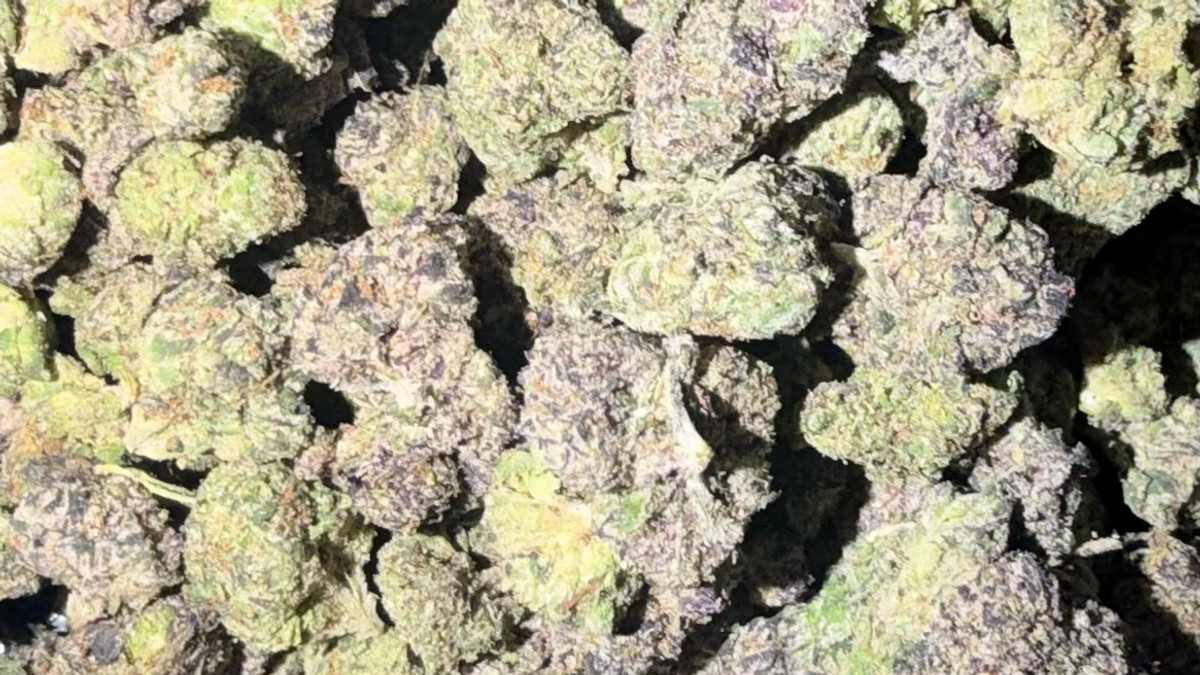
A certificate of analysis, or COA, is a laboratory report tied to a particular product batch. Look for the batch or lot number on the package and confirm that it matches the COA; a general strain page or marketing description cannot replace testing for the item you have.
Read the cannabinoid panel for THC, THCA, CBD, and other listed cannabinoids, remembering that flower may show substantial THCA while a vape or concentrate may list a different balance. The terpene panel can show which compounds were detected and their percentages, while compliance panels may address contaminants such as pesticides, heavy metals, residual solvents, microbes, or mycotoxins depending on the jurisdiction and laboratory report.
Numbers naturally vary from batch to batch because genetics, harvest timing, curing, extraction, storage, and laboratory methods all influence results. A higher THC number does not automatically mean a better product, and a strain label is not a potency guarantee. Use testing information as one part of an informed, responsible decision.
How it compares
These comparisons describe commonly reported identities, not laboratory guarantees. Similar names can overlap across breeders and markets, so compare the actual batch profile when possible.
Strain | Type | Flavor | Effect | Best for |
|---|---|---|---|---|
Tangie | Sativa-dominant hybrid | Orange, tangerine, citrus candy | Uplifting, social, creative | Daytime exploration and citrus fans |
Clementine | Sativa-dominant hybrid | Sweet citrus, orange, tropical fruit | Bright and energetic | Consumers seeking a lively citrus profile |
Sativa-dominant hybrid | Lemon, haze, spice, sweet herbs | Stimulating and cerebral | Experienced consumers who enjoy sharp citrus and haze | |
Agent Orange | Hybrid | Orange, sweet fruit, spice | Balanced, mood-lifting, potentially active | Those wanting citrus with a less narrowly sativa-leaning profile |
Medical and wellness reports
Some adults informally report choosing Tangie for mood, focus, appetite, or daytime routines, but personal reports are not clinical evidence and do not establish that the strain treats or cures a condition. Research findings cannot be assumed to apply to a specific commercial Tangie batch, especially when cannabinoid and terpene levels differ.
If you use cannabis alongside prescription medicines, have a health condition, are pregnant or breastfeeding, or are considering cannabis for a persistent symptom, speak with a qualified healthcare professional. Avoid driving or operating equipment after using cannabis, and remember that impairment can occur even when a product feels familiar.
How to Grow Tangie
Tangie is often grown for its vigorous sativa-leaning structure, citrus aroma, and potentially generous flower production. It can reward a cultivator who plans for stretch and airflow, but its reported performance varies by phenotype, environment, and breeder line.
The ranges below are commonly reported cultivation observations, not guarantees. Local law, plant genetics, equipment, and season length will shape the result.
Use this reference table before choosing a training plan. A healthy root zone, stable climate, and careful observation matter more than chasing a single number.
Spec | Details |
|---|---|
Grow difficulty | Moderate |
Indoor flowering time | Approximately 9–11 weeks |
Outdoor harvest window | Commonly October in the Northern Hemisphere |
Yield potential | Indoor: commonly reported moderate to high; outdoor: commonly reported high under favorable conditions |
Plant height and stretch | Medium to tall, with moderate to heavy stretch after the flip |
Ideal climate | Warm, bright, dry-to-moderate humidity with strong airflow |
Mold and pest resistance | Often described as moderate; dense flowers and humid conditions still require prevention |
Grow Difficulty
Tangie is best rated Moderate. Its vigor can be forgiving when the root zone, light, and irrigation are consistent, but the plant’s stretch and sativa-leaning structure can create problems if the canopy is left unmanaged. It is a reasonable project for an attentive first-time grower, though intermediate cultivators will usually have an easier time controlling height and humidity.
Do not assume reported resilience means immunity. Feeding mistakes, abrupt temperature swings, weak airflow, or late-season humidity can still reduce quality. The biggest recurring challenge is planning enough vertical and horizontal space before flowering begins.
Canopy, Training and Pruning
Vegetative growth is commonly described as vigorous, with moderate-to-wide node spacing and a tendency to gain substantial height after the move to 12/12 lighting. Topping or early low-stress training can create a more even canopy, while a SCROG net helps distribute tall branches before they race upward.
LST is generally useful when applied gradually, and topping is best done early enough for recovery before flowering. Remove damaged or poorly positioned growth rather than stripping the plant automatically. Defoliation should be conservative: open the interior for airflow and light penetration, but preserve enough healthy foliage to support flowering.
Feeding, Climate and Environment
Tangie is commonly treated as a moderate-to-heavy feeder once established, although phenotype and medium make a major difference. Avoid assuming it needs aggressive nitrogen; excessive nitrogen late in flower can delay finishing and muddy the aroma. Watch leaf color, growth rate, runoff or root-zone signals where appropriate, and introduce cal-mag only when the medium, water, or plant response indicates a need.
Many growers target roughly 75–85°F in vegetative growth and about 68–80°F in flower, with humidity reduced as flowers develop. Strong, gentle airflow should move through and above the canopy without constantly blasting leaves. In humid DC, Maryland, and Virginia summers, outdoor growers should prioritize morning irrigation, spacing, rain protection where permitted, and daily inspection after storms because warm nights and wet flowers can encourage powdery mildew or bud rot.
Harvest Timing and Curing
Use trichomes as the primary guide, with clear trichomes generally indicating immaturity and mostly cloudy trichomes signaling a more developed harvest. A grower seeking Tangie’s commonly reported bright, active character may choose mostly cloudy trichomes with limited amber, while more amber can produce a heavier-feeling result; these are preferences, not guarantees.
Receding pistils, swollen bracts, reduced fresh growth, and a developed citrus aroma can support the visual assessment. Dry slowly in darkness with controlled airflow, then cure in clean containers opened periodically to release excess moisture. Protect the terpene profile from heat, light, and overly rapid drying, and do not seal flowers while they feel wet enough to risk mold.
Home Grow Rules in the DMV
As a plain-language educational summary, DC adults 21 and older may grow up to six plants, with no more than three mature, and a household maximum of 12 plants. Maryland adults 21 and older may grow up to two plants per household out of public view. Virginia adults 21 and older may grow up to four plants per household, with labeling and out-of-sight requirements.
Home-grow rules can change and additional restrictions may apply, so check current official DC, Maryland, and Virginia guidance before planting. This is not legal advice, and growing limits do not automatically answer questions about possession, processing, sharing, or transport.
Similar strains worth trying
Consumers drawn to Tangie’s citrus direction may also explore Clementine, Agent Orange, Orange Creamsicle, and Super Lemon Haze. Clementine often leans sweet and bright, Agent Orange can bring a broader orange-and-spice profile, Orange Creamsicle may add creamy dessert notes, and Super Lemon Haze is commonly associated with sharper lemon and haze character.
When comparing products, look beyond the name. Check the harvest or package date, terpene panel, cannabinoid results, extraction method, and whether the product is flower, an inhaled concentrate, or an edible. Those details often explain why two citrus-labeled products feel and taste different.
The Bud Lords Take
Our take: Tangie earns its reputation through personality rather than subtlety. The orange-forward aroma is easy to recognize, and its commonly reported upbeat profile makes it a natural daytime choice for experienced adults who want something lively rather than sedating. The tradeoff is that its brightness can feel too stimulating for some people, especially in high-potency concentrates.
For DMV consumers, the product format and jurisdiction matter as much as the strain name. DC operates under Initiative 71 gifting rules, which are distinct from a conventional regulated retail model, while Maryland has its own regulated cannabis framework and Virginia has separate rules for adult possession and home cultivation. Products are for adults 21 and older, and consumers should verify current local requirements rather than treating online strain descriptions as legal guidance.
Whether you choose Tangie flower, a pre-roll, or a tested vapor product, start with the actual batch information and let the aroma, label, and your own response guide the comparison. The best Tangie is not necessarily the one with the highest THC number; it is the batch whose flavor, freshness, and effect profile fit the moment responsibly.
Frequently asked questions
Here is what most people ask about Tangie in this area.
Is Tangie indica or sativa?
Tangie is commonly described as a sativa-dominant hybrid. Its exact balance varies by breeder, phenotype, and product batch, so the label and reported effects may differ.
What does Tangie taste like?
Tangie is best known for tangerine, orange peel, citrus candy, and sweet fruit notes. Some batches also show herbal, earthy, peppery, or skunky undertones.
Is Tangie good for daytime use?
Many consumers describe Tangie as uplifting and alert, making it a daytime or early-evening option for people who tolerate stimulating cannabis products. Individual responses vary, so avoid assuming the same effect for every batch.
How long does Tangie take to flower?
Indoor Tangie is commonly reported at approximately nine to 11 weeks of flowering, while outdoor plants are often harvested around October in the Northern Hemisphere. Genetics and local weather can shift the timing.
Tangie is not in the Bud Lords menu right now. Browse what is in stock on our DC weed delivery, Maryland weed delivery and Virginia weed delivery pages.
More strain guides: Super Boof, Glitter Bomb, Cereal Milk.
Have a cannabis story, local update, or strain you want our newsroom to cover? Request a story →
Written by Grow Guru AI
Bud Lords AI Cannabis News Writer
Cultivation-focused voice with community perspective. Covers growing tips, techniques, and cultivation industry news.
Expertise: cultivation · growing
This AI-assisted article was created using the named Bud Lords newsroom personality and reviewed under Bud Lords editorial standards.


Comments