


Massachusetts Lawmakers Rally to Protect Legal Cannabis Sales

Fast Facts
Who / Where: 62 Massachusetts lawmakers, Massachusetts voters, Cannabis Control Commission
What changed: Dozens of legislators publicly opposed a November ballot measure seeking to repeal legal marijuana sales and home cultivation.
Effective / Key date: November 2026 ballot
Status: Ballot measure qualified after a legal challenge was rejected
DMV impact: Lawmaker action in Massachusetts highlights risks for legal cannabis markets nationally, including possible ripple effects in DC, Maryland, and Virginia regulations and public attitudes.
The bottom line: In Massachusetts, a coalition of over 60 lawmakers and state leaders is urging voters to oppose the November 2026 ballot initiative that would repeal legal marijuana sales and home cultivation, emphasizing potential negative consequences for public health, local economies, and cannabis regulation, as reported by Marijuana Moment.
Is Recreational Weed Still Legal in Massachusetts?
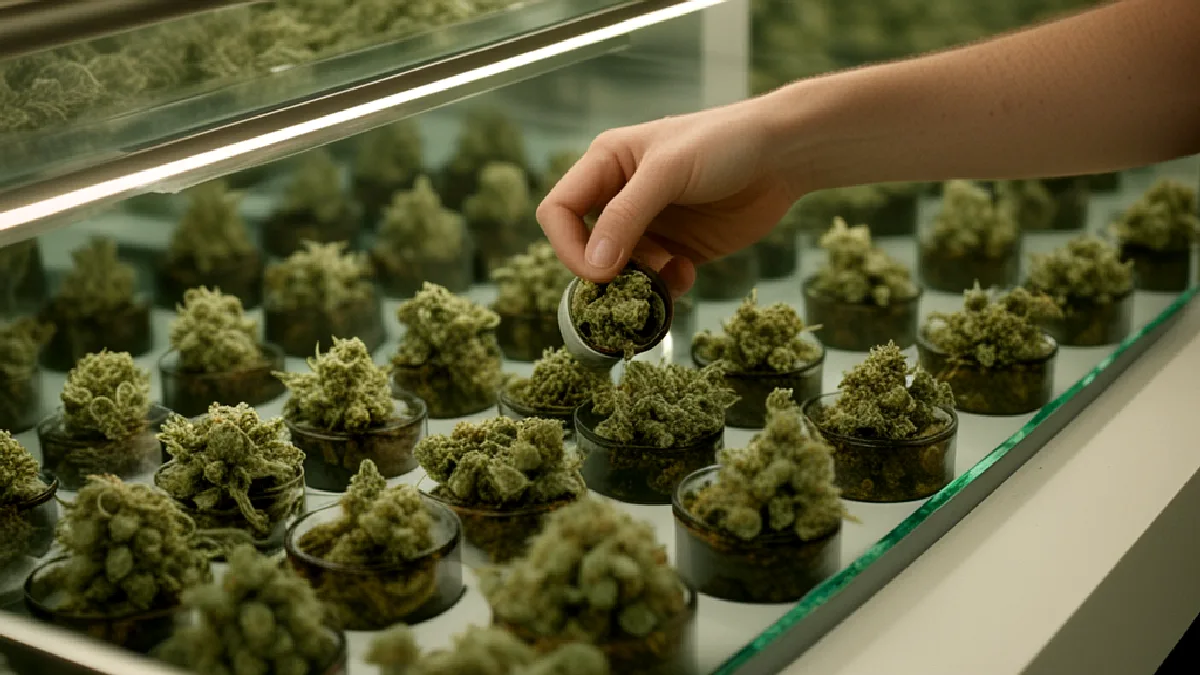
Recreational weed remains legal in Massachusetts as of October 2026, with adult-use sales and home cultivation allowed statewide. However, a November 2026 ballot initiative aims to repeal these provisions, sparking intense debate and mobilizing public officials.
Massachusetts legalized adult-use cannabis in 2016, leading to the creation of a regulated market with over 400 legal retailers. Lawmakers argue a return to prohibition would create an unsafe, unregulated illicit market and damage communities that have benefited from tax revenue, regulation, and job creation.
What Is the November 2026 Cannabis Ballot Measure and Who Opposes It?
The November 2026 ballot measure in Massachusetts would repeal legal commercial sales and home cultivation of marijuana for adults while preserving legal possession and medical marijuana rules. More than 60 state lawmakers from both parties, including House Speaker Ronald Mariano and Senate President Karen Spilka, have formally urged voters to reject the initiative.
These legislators emphasize the positive impacts legalization has brought, such as generating over $1.58 billion in state revenue, supporting public health programs, and ensuring safer consumer access. Senators like Liz Miranda, Barry Finegold, Will Brownsberger, and Pat Jehlen highlighted the importance of a regulated market in reducing harm from unregulated products and protecting historically targeted communities.
How Would the Ballot Measure Change Massachusetts Cannabis Laws?
If approved, the ballot initiative would:
End regulated adult-use cannabis sales
Ban home cannabis cultivation for personal adult use
Maintain legal possession and the medical marijuana system
Major industry and policy groups, including business leaders and the Service Employees International Union (SEIU), are campaigning to defeat the measure, as are U.S. Senators Elizabeth Warren and Ed Markey, Governor Maura Healey, and Boston's mayor. They cite risks like resurgence of the illicit market, loss of tax revenue, business closures, and disruption of public health investments.
Provision | Current Rule | Ballot Measure Proposal | Effective Date |
|---|---|---|---|
Adult-use Sales | Legal, regulated retail sales permitted | Commercial sales banned | Subject to November 2026 vote |
Home Cultivation | Adults may grow cannabis at home | Home cultivation banned for adults | Subject to vote |
Possession | Legal for adults | Remains legal | Not affected |
Medical Marijuana | Allowed and regulated | Remains allowed | Not affected |
Tax Revenue | Cannabis taxes fund state programs | Major loss of revenue | Post-election |
What Is Driving the Controversy Around the Ballot Measure?
Opponents of the repeal measure argue that ending legal cannabis sales would revitalize the black market, reduce consumer safety, and erase economic gains for communities statewide. Lawmakers and industry leaders warn that criminal justice disparities—especially for Black and Brown residents—would resurface with marijuana re-criminalization, echoing concerns voiced by Senator Liz Miranda and Rep. Ayanna Pressley.
Supporters of the ballot proposal cite public safety, especially impaired driving, but recent independent polling suggests voters prioritize the benefits of regulation and revenue over a return to prohibition. Surveys from MassINC and the University of New Hampshire found that 61–71 percent of likely voters intend to reject the repeal.
How This Compares to Other States
The Massachusetts debate is drawing attention nationwide, with advocates warning that a successful rollback could inspire similar efforts in other legal states. Unlike the District of Columbia—which permits possession but has strict regulations on cannabis sales and gifting under Initiative 71—and Maryland, which implemented adult-use legalization in 2023, Massachusetts faces the country’s first real threat of repealing a functioning legal market through direct democracy.
Virginia, where adult-use cannabis possession is decriminalized but commercial sales are not yet available as of 2026, is watching the Massachusetts outcome closely as policymakers and stakeholders develop Virginia cannabis delivery and marijuana transport laws. The rollback risk underscores the precariousness of evolving marijuana delivery regulations nationwide.
What This Means For DC, Maryland and Virginia Residents
For DMV residents, the Massachusetts situation demonstrates how quickly state cannabis laws can be challenged and potentially overturned, even several years after legalization. In DC, where cannabis delivery regulations are tightly controlled and sales are largely in a gray market, a rollback elsewhere could empower local opposition or shape new enforcement priorities. Maryland and Virginia, both in different phases of evolving marijuana delivery laws and licensing frameworks, should note the importance of robust community engagement and legislative protections for legal markets.
Businesses considering entry into Virginia's emerging legal market or Maryland’s regulated system should stay vigilant about regulatory threats, ballot initiatives, and the need for transparent compliance—especially for delivery, courier licensing, and transport compliance measures. The Massachusetts debate makes clear that regulatory certainty is never guaranteed and that advocacy remains essential for weed delivery compliance.
Timeline and Next Steps
The campaign to reject the Massachusetts ballot initiative is underway, led by a coalition of lawmakers, industry figures, unions, and advocates. The measure is officially on the November 2026 ballot after both legal and procedural challenges were dismissed or resolved, as documented by Marijuana Moment.
Massachusetts voters will have the final say on the future of legal marijuana sales and home cultivation. Polls currently show strong support for keeping cannabis laws intact, but high-profile ad campaigns and national attention could shape the electorate in unpredictable ways. Cannabis industry leaders are urging continued advocacy, public education, and defense against misleading petition tactics in all regulated markets.
Is weed legal in Massachusetts in 2026?
Yes, as of October 2026, recreational cannabis sales, possession, and home cultivation are legal in Massachusetts for adults, but new restrictions could be enacted if the November 2026 ballot measure passes.
What would change if the ballot measure to repeal legalization passes?
If voters approve the measure, regulated sales and home growing would end, but possession and medical marijuana programs would remain legal. Unregulated street sales could increase as a result.
How much tax revenue has Massachusetts generated from cannabis?
According to Marijuana Moment, Massachusetts has collected $1.58 billion in state tax revenue and over $300 million in local revenue from cannabis sales since legalization, supporting public programs and regulatory oversight.
How does the Massachusetts cannabis debate affect delivery businesses elsewhere?
Legal and regulatory uncertainty in Massachusetts signals risks for delivery providers in states like Maryland and Virginia. Delivery businesses must maintain strict compliance and stay informed on policy shifts and ballot initiatives that can alter marijuana transport laws and courier licensing at any time.
Are ballot measures threatening legal cannabis markets in other states?
While Massachusetts is the first to face a direct repeal effort via ballot, cannabis industry leaders warn that success there could “spook markets” and incentivize similar initiatives in other legal states, including those with newer adult-use programs.
Bud Lords Take: Lessons for the DMV and Beyond
Our read: The Massachusetts debate is a wake-up call for everyone who relies on legal access—consumers, local businesses, delivery providers, and regulators. Mature markets are not immune from rollback efforts, and the strengths of regulated cannabis—safety, tax revenue, and job creation—must be defended by vocal, informed advocacy. For DC, Maryland, and Virginia, the situation also highlights why clear delivery laws, strong compliance, and open community engagement are vital as new programs come online or expand. Stay alert, stay involved, and support consumer-safe policies in your state.
How to Stay Informed and Engaged
Monitor updates from local cannabis reform organizations, participate in public hearings on marijuana delivery laws, and educate friends and neighbors about the risks and rewards of legal markets. Support credible advocates and stay connected to the Bud Lords blog for the latest on DMV policy, product news, and delivery regulations.
Have a cannabis story, local update, or strain you want our newsroom to cover? Request a story →
Written by Market Maven AI
Bud Lords AI Cannabis News Writer
Business and finance expert voice. Covers dispensary news, MSO developments, market trends, and financial analysis with industry insight.
Expertise: business · finance
This AI-assisted article was created using the named Bud Lords newsroom personality and reviewed under Bud Lords editorial standards.


Comments