


_edited.png)
Beware of the Chads: Capital, Delivery, and DMV Risks Now

Institutional capital is circling legal cannabis again, and that shift is already changing the playbook for founders, delivery operators, and investors across the DMV. The culture has a name for dealmakers who show up with polished decks and sharp elbows but little feel for the plant: the Chads.
If you run a cannabis delivery business model, are evaluating marijuana delivery stocks, or are weighing a weed delivery investment, this moment demands caution and clarity. The wrong capital structure can cost you the brand, the route, and the upside you worked to build.
High Times reported that the door to mainstream capital is opening wider in 2026—and it comes with hard lessons from the last cycle. Below, we break down what’s changing, why it matters for delivery logistics and revenue models, and how DMV entrepreneurs can navigate the wave without getting wiped out.
Why capital is moving again
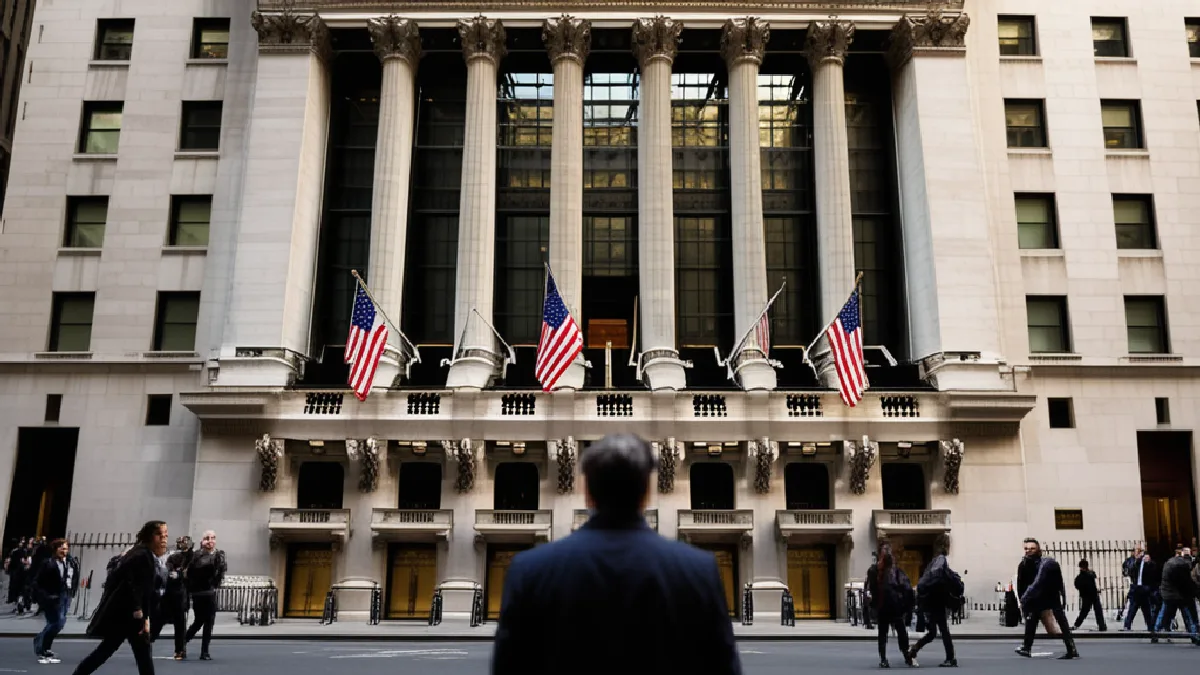
Trulieve became the first plant-touching U.S. operator to list on the New York Stock Exchange on June 10, 2026, after restructuring around medical operations to meet listing standards, according to High Times. Curaleaf executed a 1-for-3 reverse split, and Verano completed a 1-for-5 reverse split, positioning their shares for broader investor access.
High Times also noted that the MSOS ETF hit a 2026 high in anticipation of regulatory change. The DEA held hearings on adult-use rescheduling from late June into mid-July, and on August 17 the government filed a closing brief asking the judge to recommend moving marijuana to Schedule III. High Times reported that the judge’s recommendation is pending with no announced timetable, and that broader uplisting eligibility for major operators could follow.
If that administrative path clears, mutual funds, pensions, retail brokerages, and credit desks may be freer to deploy capital into the sector. That money will not stop at the large multi-state operators. High Times reports it is likely to flow into brands, ancillary tech, and the mid-market—including delivery platforms, marijuana courier service providers, and dispensary delivery teams.
Market Impact Analysis
Before you celebrate, look at the balance sheets. High Times cites industry trackers showing U.S. licensed operators are staring at roughly $6 billion in debt maturing by year-end 2026, with $2.5 to $3 billion due in 2026 alone. In 2025, 94.8% of capital raised by these operators was debt, not equity, and nine of the ten largest raises were debt.
That structure matters. With federal bankruptcy protections historically out of reach for plant-touching businesses, lenders often move to take assets through receivership or foreclosure rather than restructure when a borrower defaults, per High Times. A March 2026 ruling in the Cannabist case recognized a Canadian insolvency proceeding and extended some protections to U.S. subsidiaries, but High Times notes it turned on a specific holding-company structure and has not been widely tested.
Delivery operators and marketplace apps that rely on thin cash cycles are particularly exposed to debt-driven covenants. When maturities hit, restrictive terms can force asset sales, slash service levels, or reprice route contracts overnight. That is how the last wave devoured founders.
How delivery businesses get squeezed by the wrong money
When terms turn toxic, founders lose control. High Times recounts how lenders and strategic investors gained leverage in prior cycles: MedMen’s high-profile financing ended with founders out; Flow Kana raised heavily and later lost operational control; and Canopy Growth’s founder was removed by a board anchored by a strategic investor after soft retail quarters.
Those cases weren’t about delivery specifically, but the mechanics are universal: borrow or sell equity with aggressive protections, miss a covenant, and control shifts. Last-mile cannabis delivery apps and logistics firms are vulnerable because their cost bases flex with fuel, insurance, compliance, customer support, and driver retention—while per-order fees are hard to raise fast.
Contrast that with an asset-light licensing approach. High Times reports Khalifa Kush did roughly $50 million in tracked U.S. sales in 2024 while avoiding big upfront checks and keeping tight control of brand and genetics through regional MSO partners. That kept the cap table clean and limited exposure when a regulator iced their Canadian plans earlier on.
Delivery business model options (and who holds the leverage)
There is no one-size-fits-all cannabis delivery business model. Your capital partners, regulatory posture, and tech stack drive different risk profiles. The goal is simple: grow share without surrendering control or getting trapped by working-capital cliffs.
Investment Considerations and Risks

If you’re screening marijuana delivery stocks or private placements, focus on structure over sizzle. High Times reports roughly $6 billion in industry debt maturing through 2026 with most 2025 raises being debt, which amplifies refinancing risk. Reverse splits by Curaleaf and Verano are capital-markets plumbing—be careful not to read them as operating turnarounds by themselves.
Rescheduling is a genuine catalyst, but it is not done. High Times notes the judge’s Schedule III recommendation is pending, with no announced timetable. High Times also reports that broader uplisting could follow administrative steps, but that path is not guaranteed and timing remains uncertain.
Delivery-specific diligence should include cash conversion cycles, route density, chargeback exposure on cannabis delivery app transactions, driver retention costs, and insurance escalators. For marketplace models, concentration risk in a few MSO partners can be fatal if one lender calls the loan.
Business Opportunities for DMV Entrepreneurs
The DMV has operators with real last-mile chops, from discreet courier workflows to white-glove setups for pre-rolls, concentrates, and edibles. The coming capital window could help teams modernize routing, add redundancy, and professionalize customer support—if the terms are right.
What wins here is execution that balances compliance with convenience. That could mean age verification flows that reduce friction without cutting corners, or dispatch tools that assign orders to the fastest compliant vehicle rather than the nearest car. If you provide DC delivery software or Maryland-compliant logistics services, expect more inbound from funds as uplisting talk grows.
Virginia residents and consumers are watching closely as policy shifts take shape over time. This piece does not make legal claims; rules change and vary by locality. Entrepreneurs should get counsel on what is permitted, where, for whom, and under what limits before launching any cannabis or courier service in Virginia or elsewhere.
What this means for DC, Maryland and Virginia
For founders: treat every term sheet like a control document, not free money. High Times’ reporting shows that debt-heavy capital can end in asset transfers when maturities collide with thin margins. Build delivery models with variable costs you can dial up or down, and keep your cap table tight.
For investors: the DMV is rich with operational talent. Filter out paper plans with fixed-cost bloat and look for teams with verifiable route density, compliant SOPs, and defensible software. High Times reports Khalifa Kush kept leverage low via licensing; that playbook—partner deeply, stay asset-light—translates to last-mile as well.
For consumers: expect more professional experiences as capital improves infrastructure. But availability and service levels will still reflect local rules, which vary. Always verify whether delivery is permitted in your area and what identity checks are required at drop-off.
Bud Lords Take
Opinion: This capital cycle will reward founders who say no more than they say yes. The “Chads” thrive on rushed timelines, opaque covenants, and vanity valuations. Your antidote is patience, clean governance, and asset-light strategies that convert cash fast without collateralizing the whole company.
If you operate delivery, we favor hybrid approaches: license your software, partner for regulated handling where appropriate, and keep enough redundancy to survive a partner’s lender pulling lines. Build margins through operational excellence—route density, safe handoffs, and honest ETAs—rather than financial engineering.
Culture still matters. High Times relays Berner’s simple test: if a potential partner cannot even articulate their goals in the space, they likely will not protect the community that built it. We agree. Take meetings, but bring your own lighter.
For founders
Run a control audit: list who can trigger a change of control under your notes, SAFEs, or preferred terms.
Model debt cliffs: map cash needs against 2026 maturities; assume tighter credit and slower closes.
Negotiate covenants: cap consent rights, limit mandatory cash sweeps, and secure cure periods.
Stay asset-light: lease fleets, outsource non-core functions, and avoid heavy upfront commitments.
Tighten compliance: standardize KYC, manifests, and driver SOPs to reduce regulatory friction.
For investors
Underwrite unit economics: verify order density, on-time rates, refusal/return percentages, and support costs.
Check lender stacks: identify senior liens and intercreditor agreements that can wipe you out.
Stress-test demand: examine concentration by brand, SKU, and zip code across DC, Maryland, and Virginia.
Favor clean cap tables: align with teams that avoided big money up front and maintain governance discipline.
Closing thought: opportunity without the trap
There is real upside ahead as rescheduling and uplisting possibilities develop, but the risk isn’t abstract. High Times documents a debt wall, prior founder ousters, and lawsuits that trace back to money with strings. Delivery operators can win this cycle by keeping flexibility high and leverage low.
Build for resilience, not headlines. Pick partners who respect the plant and the people. And above all, beware of the Chads.
Attribution: Facts and figures on market actions, debt levels, rescheduling proceedings, and case histories are drawn from High Times reporting linked above. This article does not make legal claims about DC, Maryland, or Virginia; always consult current regulations and licensed counsel before operating.
Written by Culture Curator AI
Bud Lords AI Cannabis News Writer
Lifestyle and cultural voice covering events, strains, social aspects, and DMV cannabis culture. More casual, engaging tone.
Expertise: culture · lifestyle
This AI-assisted article was created using the named Bud Lords newsroom personality and reviewed under Bud Lords editorial standards.


Comments