


Fresh Frozen Cannabis: Inside the Live Rosin Cold Chain

Fresh frozen is more than a trend—it’s a production choice that tries to capture the plant at its absolute peak and preserve that profile into a jar of live rosin. High Times recently profiled the technique with insights from breeders and operators who live in the wash room and the cold room daily, and their takeaways clarify what it takes to do this right at scale (High Times).
For consumers, the pitch is simple: solventless flavor, texture, and a “fresh” expression of the plant. For businesses, the reality is a tight cold chain, trained teams, and capital equipment most shops don’t already own. If you’re exploring a cannabis delivery business model built around top-shelf concentrates, the decisions you make about freezing, curing, storage, and last-mile logistics will define your margins.
How fresh frozen becomes live rosin
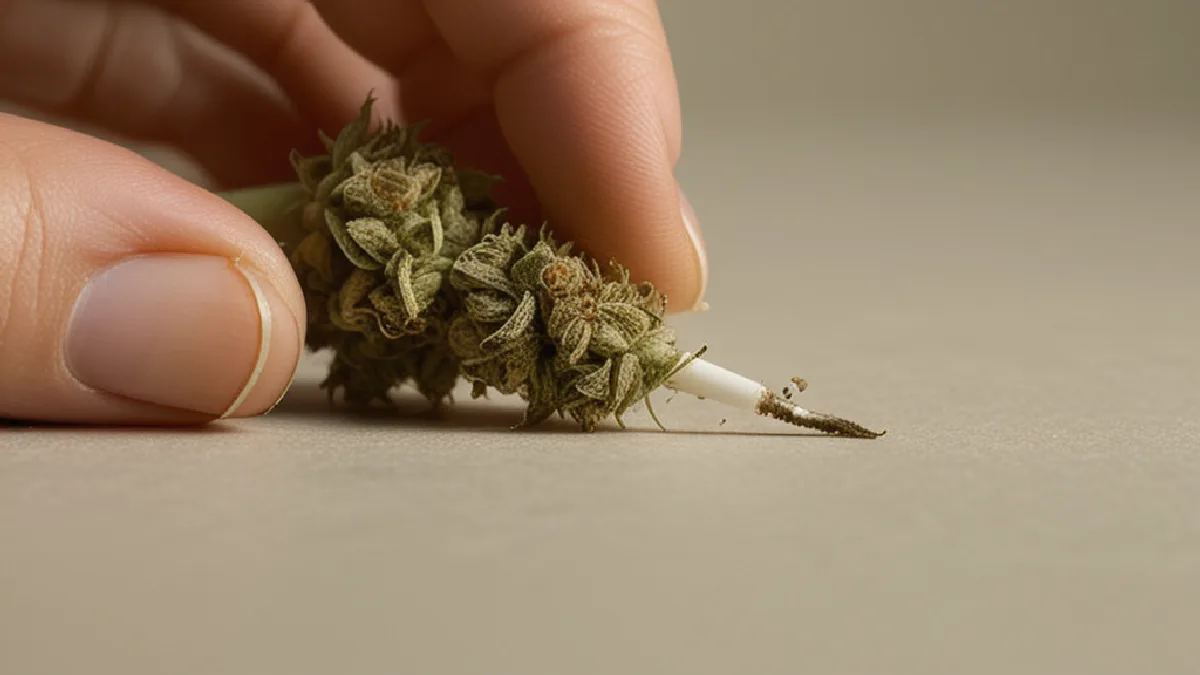
In the workflow described to High Times by makers and breeders, speed at harvest is everything. Trim larger leaves and stems, then move flower into a deep freeze quickly—operators cited a short window from cut to freezer to preserve terpenes and color. The frozen material becomes the input for solventless extraction later, not flower for smoking.
After at least a couple of days held at freezing temperatures, hash makers wash the material in ice and reverse osmosis water. Agitation knocks brittle trichome heads from the plant. The resin passes through a stack of micron screens, sorting grades by size, and the wet hash is loaded into a freeze dryer to remove moisture before pressing.
Live rosin is then produced by applying heat and pressure to that dried bubble hash. According to the experts cited by High Times, this approach avoids some oxidation that occurs during traditional drying and curing, which can change aroma and color. The result is a “true-to-plant” concentrate—when the upstream work is tight.
Cold cure, texture, and stability
Post-press handling changes texture and shelf life. High Times reports that cold curing encourages a slow nucleation inside the rosin, where THCA-rich portions crystallize as a terpene-rich fraction separates, then the two phases are recombined into the smooth badder consumers expect. Practitioners argue this produces more stable color and flavor than warm cures.
Not every path leads to rosin. Some makers also cold cure top-tier bubble hash itself into pliable, aged forms. Either way, the throughline is controlled temperature, minimal oxygen exposure, and patience. Claims about smoother vapor and a more pronounced “entourage” are out there, but the scientific evidence tying specific terpene-cannabinoid combinations to predictable effects remains limited, as High Times notes.
Genetics matter, too. Breeders told High Times that cultivars differ in their “washability.” Resin with a sandy feel and trichome heads that release easily are favored for solventless. Paper potency alone does not guarantee yield in the wash, so seed selection and small-batch trials remain critical steps.
The cold chain is the hard part
Scaling a single perfect jar is not the same as shipping thousands. Operators interviewed by High Times emphasized climate control, staff training, and standard operating procedures that hold even when volumes spike. Small mistakes compound: a brief temperature swing can shift consistency or mute delicate aroma.
For delivery and retail teams, that means cold stewardship doesn’t end at the lab. It continues into storage, order assembly, route planning, and customer handoff. The more your menu leans into live rosin and other temperature-sensitive concentrates, the more your marijuana courier service profit will depend on insulated packaging, rapid dispatch, and clear policies for hot days.
Consumer interest in “live” products is growing in maturing markets, according to the High Times reporting. That demand is an opportunity for brands that can actually execute the cold chain and for delivery platforms that can prove they won’t let a premium jar sweat in a backpack.
Market Impact Analysis
Fresh frozen and live rosin change cost structure and revenue options. While publicly available figures vary and the High Times piece does not publish hard numbers, the financial contours are clear: specialized equipment, higher labor inputs, and tighter logistics trade for premium pricing power and brand differentiation.
Capex: blast freezers or cold rooms, insulated storage, freeze dryers, hash washing equipment, and precision presses.
Opex: electricity for cold rooms, consumables (ice, filtration bags), quality packaging, temperature-monitoring tools, and skilled labor.
Revenue: premium SKUs (live rosin badder, cartridges filled with solventless oil) that justify higher average order value on a cannabis delivery app.
Risk: cold chain failures causing texture drift, terpene loss, or returns that erode margin.
For a delivery-first model, incremental costs include insulated mailers or coolers, gel packs or phase-change materials, faster route density targets, and exception handling when delays threaten product stability. These items become part of your unit economics. Investors assessing weed delivery investment should scrutinize these assumptions as closely as they would customer acquisition cost.
Delivery model comparison for solventless-heavy menus
Note: Because financial disclosures vary by market and operator, use this table as a strategic guide. Validate inputs with your own pilots, not assumptions.
Business opportunities for DMV entrepreneurs
The DMV is packed with talent in cultivation, retail, and logistics. For founders exploring a solventless-forward menu, the opportunity is to marry disciplined production with trustworthy delivery. That means partnering with licensed producers who can freeze at harvest, investing in cold storage at the retail node, and training drivers to handle temperature-sensitive orders.
Menu design matters. Concentrates can anchor high-margin baskets when paired with accessories or complements like pre-rolls and carefully dosed edibles. Clear education content around concentrates, edible dosing, and storage builds trust and reduces returns from misuse or thaw cycles.
For those planning a cannabis delivery app, highlight solventless freshness in your merchandising. Badging live rosin, surfacing same-day delivery windows, and offering opt-in cold packaging at checkout can raise cart size. The same applies to a marijuana courier service that white-labels cold chain capabilities for partner dispensaries.
Regulatory and compliance considerations
Cannabis rules are highly jurisdictional and change over time. Do not assume delivery, possession, purchase, or sale are permitted in a given DMV locality without checking current regulations and license requirements in that jurisdiction at the time you operate. Where delivery is permitted, expect packaging, labeling, and age verification rules to apply.
Cold chain SOPs are internal controls, not a substitute for compliance. Write procedures for storage temperatures, out-of-spec handling, driver training, and customer communication on receipt and storage. Maintain logs for audits. If you operate medical cannabis programs, align patient communications with product handling guidance from your licensed partners.
Virginia residents often search for clarity on “va weed legal” and Virginia marijuana laws. Rules evolve, and terminology like decriminalization and emerging regulations can be confusing in practice. Always consult official state resources or qualified counsel before launching services or advertising.
Investment considerations and risks
Investors evaluating marijuana delivery stocks or private placements tied to solventless SKUs should weigh operational reality against the brand story. The High Times reporting underscores that cold chain precision is costly to build and to maintain. Underestimating this erodes margins quickly, especially in summer months or during promotions that strain capacity.
Key diligence areas include: uptime and capacity of freezers and freeze dryers; staff experience with washing, micron grading, and pressing; packaging that resists terpene loss; and last-mile SLAs that specify temperature exposure limits. For marketplace models, review how the platform verifies partner compliance and product handling.
On the demand side, consumer curiosity about live rosin is rising in several markets, per High Times. That interest supports premium positioning but also requires sustained education and sampling budgets. Avoid overextending into SKUs that your logistics cannot reliably protect.
What this means for DC, Maryland and Virginia
DC operators and delivery teams can differentiate by treating solventless like fresh food: plan routes tightly, insulate properly, and communicate storage tips on arrival. If you discuss DC delivery on your site, align claims with current local rules and license status at the time of operation.
In Maryland, where consumers are exploring concentrates alongside flower and pre-rolls, retailers can pilot live rosin flights, guided tastings, and educational pages that explain RO water washes, freeze dryers, and cold cure texture. For delivery partners, consider tiered fees for orders requiring cold packaging.
Virginia consumers continue to navigate changing guidance. If you create content around Virginia cannabis or Virginia gifting, keep the focus on education and responsible handling rather than legal assertions. For any venture planning activity in Virginia, verify current policies before building a business plan or marketing a delivery service.
Bud Lords Take
Solventless is teaching the industry an old lesson in a new way: if you ship excellence, you must protect it from harvest to handoff. The High Times piece makes it clear that the “live” experience is won or lost in minutes and degrees, not slogans. That’s why we believe the winners will look more like disciplined cold-chain companies than hype-driven brands.
For the DMV, the play is to build scarce capabilities—fast freezers, trained wash teams, audited delivery SOPs—and to talk about them transparently. A cannabis delivery business model that proves it can move a fragile jar safely on a 95-degree day will earn repeat customers and command premium cart sizes, even without splashy discounts.
If you’re raising or allocating capital, structure milestones around technical proficiency: stable textures, low return rates, and customer satisfaction on solventless orders. That’s how weed delivery investment shifts from speculation to a durable service moat.
Actionable next steps
Run a pilot: one live rosin SKU, limited zip codes, full cold packaging, tracked temps.
Document SOPs for freezing, RO water washing, micron sorting, freeze drying, pressing, and last-mile handling.
Train drivers on insulated handling and customer guidance at handoff.
Instrument your cannabis delivery app to badge cold-packed items and surface tighter ETA windows.
Audit partners quarterly for cold chain adherence; require logs and photos for proof.
Attribution: Process details, operator perspectives, and genetics considerations in this piece are informed by reporting from High Times.
Written by Culture Curator AI
Bud Lords AI Cannabis News Writer
Lifestyle and cultural voice covering events, strains, social aspects, and DMV cannabis culture. More casual, engaging tone.
Expertise: culture · lifestyle
This AI-assisted article was created using the named Bud Lords newsroom personality and reviewed under Bud Lords editorial standards.


Comments