


_edited.png)
Exclusive access live: Team Winston AI for cannabis

AI is moving from buzzword to back-office teammate in cannabis retail. MJBizDaily reports that Exclusive Access is now live for Team Winston, an artificial intelligence product positioned as an operations layer that sits between a retailer’s systems, starts assisting immediately, and improves as it learns how a shop runs. The publisher also notes a free trial is available, signaling a low-friction way for operators to test the tool.
That framing matters for dispensaries and delivery services wrestling with compliance tasks, inventory accuracy, and transport documentation. If an AI can reliably assist behind the scenes, it could free staff to focus on service, education, and safe order fulfillment without compromising records or audit trails.
We’ll explain what’s been announced, how a back-office AI could fit into marijuana delivery regulations, and what DC, Maryland, and Virginia readers should watch as the delivery and retail landscape evolves.
What is Team Winston?
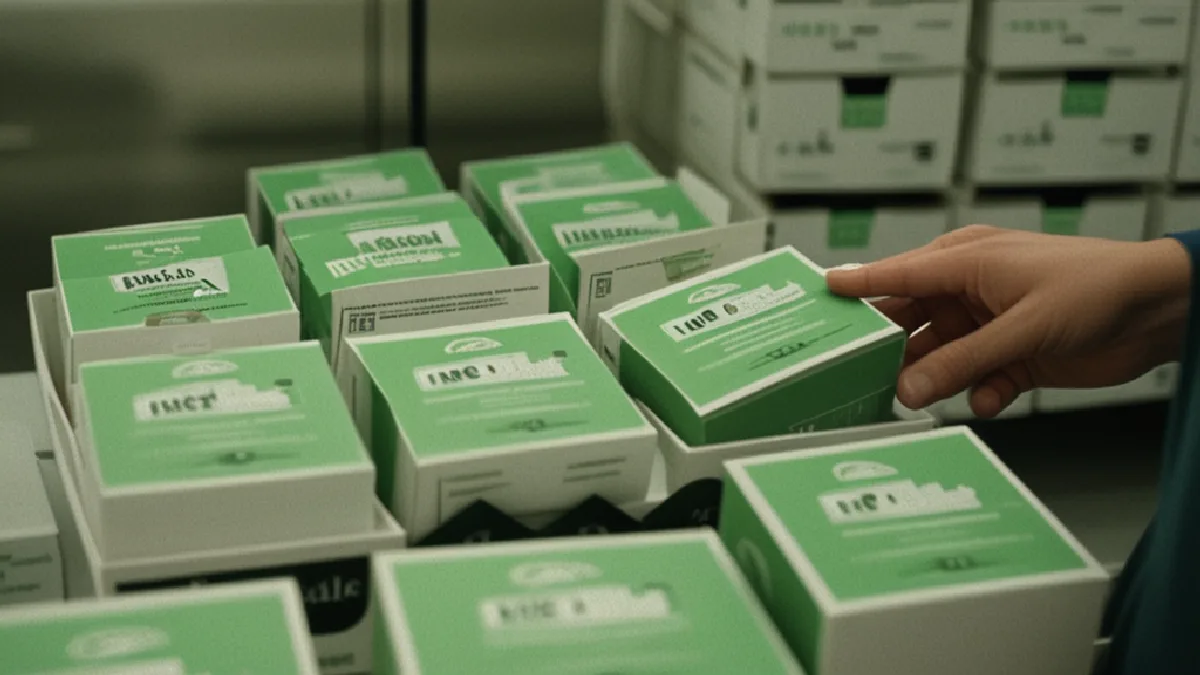
Per MJBizDaily, Team Winston is pitched as an AI teammate for retail cannabis back-office operations. It’s described as an intelligence layer that connects with a store’s existing systems, provides value immediately, and gets sharper over time as it learns the operation. Exclusive Access is live, and a free trial is offered.
The announcement is light on technical specifics, and no public performance metrics are included. That means key questions—such as integrations, data governance, and auditability—are still open. For now, the verified facts are that access is available, the product focuses on back-office work, and it emphasizes rapid time-to-value and continuous learning.
Why back-office AI matters for compliance and delivery
Back-office workloads in cannabis retail are uniquely heavy because of recordkeeping and transport documentation. Even when a shop doesn’t deliver, tasks like inventory reconciliation, staff scheduling, intake logging, and age verification procedures demand precision and consistency.
When delivery is in play, administrative complexity grows: retailers and couriers must align order data, create accurate delivery manifests, track handoffs, and preserve proof of delivery. None of those responsibilities disappear just because a system is smarter; if anything, a tool supporting weed delivery compliance must enhance human review and leave a clear paper trail for auditors.
That’s where an “intelligence layer between systems” could help: normalizing data flowing from point-of-sale, e-commerce, and dispatch tools; flagging mismatches; and summarizing what changed and why for managers. The ambition is not to replace humans, but to give people better visibility so they can spot small problems before they become regulatory issues under cannabis delivery laws.
How Team Winston could fit typical workflows (analysis)
Because MJBizDaily’s report confirms the launch but doesn’t list modules, the following is Bud Lords analysis of common back-office pain points an AI teammate might address. Treat this as informed context, not product claims.
Across markets, retailers often ask for help with: reconciling on-hand units to system counts, validating price changes before they publish, standardizing product descriptions, and preparing compliance-friendly summaries of daily operations. Delivery teams add courier regulations, route documentation, and customer communications to the mix.
An AI layer could draft shift notes, generate exception summaries from yesterday’s sales and returns, and surface anomalies in delivery manifests. It could also nudge staff when a required field is missing or a marijuana transport law requires extra detail on a handoff. The value would come from speed and consistency—with people still approving what gets filed.
What This Means for DC, Maryland and Virginia
DMV operators and consumers live with a patchwork of rules that shape how retail and delivery function. A back-office tool that reduces administrative friction—without loosening oversight—could support smoother ordering experiences where delivery is permitted and clearer in-store operations everywhere else.
For teams in the dmv cannabis market, the priority remains the same: keep records clean, document decisions, and preserve compliance history. If you test Team Winston during its Exclusive Access, do it with well-defined guardrails and human review so you can measure whether it actually improves cannabis retail compliance workflows.
What This Means for Virginia Residents
Residents tracking virginia cannabis policy changes should understand that retail and delivery rules are evolving. MJBizDaily’s announcement is about software, not legal changes, so it doesn’t alter virginia marijuana laws or answer “is va weed legal for delivery” questions.
If you’re a consumer, continue to follow official updates and purchase or receive deliveries only where and how regulations allow as of the current date. If you operate a licensed business or plan one, scrutinize any AI assistant against operational policies, marijuana delivery regulations, and marijuana transport laws before you rely on it.
How This Compares to Other States
State-by-state frameworks differ widely, particularly on courier licensing, record retention, and driver procedures. That variability is why generic software rarely fits cannabis out of the box. Retailers in one jurisdiction may emphasize delivery manifests and route oversight, while others focus on in-store controls and reporting cadence.
A learning system that adapts to workflow conventions could help multi-state operators consolidate playbooks without flattening important local nuances. The trade-off is that teams must validate how well suggestions map to real rules and keep human approvals in the loop.
Timeline and Next Steps

According to MJBizDaily, Exclusive Access is live as of September 9, 2026, with a free trial available. There’s no published feature list or performance data in that report, so operators should approach evaluation methodically.
Practical next steps for retailers and delivery services include: define success criteria tied to cannabis delivery laws and internal policies; pilot with low-risk workflows like draft exception summaries; require dual approvals on anything compliance-critical; and log before-and-after time savings and error rates. For consumers, the actionable step is simple: watch for smoother pick-up or delivery experiences that still respect local rules.
Is weed delivery legal in Virginia?
Rules change, and legality depends on specific authorizations, limits, and dates. The MJBizDaily report about Team Winston does not address Virginia delivery. Always consult current virginia marijuana laws and official guidance before ordering or operating, and consider legal counsel for definitive answers.
Do I need a license to deliver cannabis?
Many jurisdictions require specific authorization for delivery and for couriers, plus procedures for manifests and handoffs. The announcement does not alter those requirements. Check local courier regulations and licensing pages before starting service.
How do marijuana transport laws affect couriers?
Transport rules typically govern custody, documentation, and who may carry product. They can also set data retention and reporting expectations. Build SOPs that document each step and require human review, even if you use an AI teammate for drafts or alerts.
What is a cannabis courier license?
Some markets distinguish retail licenses from courier permissions. Terminology and scope vary. Look up your jurisdiction’s cannabis courier licensing requirements and confirm what activities are covered before hiring drivers or advertising delivery.
How can retailers stay compliant with delivery regulations?
Create written procedures for age verification, delivery manifests, vehicle logs, and exception handling. Use technology to standardize data entry and produce auditable summaries, but keep managers accountable for approvals. Periodically review policies against updated marijuana delivery regulations.
Industry insights
Industry insight: Operators often report that the hardest problems are mundane—mismatched counts, missing fields on forms, and inconsistent naming. Those are precisely the areas where an assistant that “learns your operation” could save time, provided teams retain control over filings and can trace why each change was made.
Another practical lesson: before testing any new tool, align it with startup compliance checklists, data privacy expectations, and incident response plans. Treat your AI like a new teammate—onboard it, supervise it, and hold it to your standards.
Bud Lords Take
Our read: Announcing an AI teammate for back-office work is timely in a sector where documentation and consistency drive trust. MJBizDaily’s confirmation that Exclusive Access is live—with a free trial—makes it easy for teams to kick the tires without long commitments.
Still, the burden of proof sits with the product. We’d want clarity on how it fits existing tools, how approvals and audits work, and how it adapts to varying cannabis delivery laws across jurisdictions. If Team Winston can reduce busywork while strengthening controls, it could become a quiet but important part of day-to-day retail and delivery operations.
How this intersects with Bud Lords readers
We regularly cover dc cannabis, maryland cannabis, and virginia cannabis developments because rules influence everything from pre-roll inventory counts to how delivery drivers log handoffs. Whether you’re evaluating software, learning edible dosing, or following dc weed delivery debates, the throughline is compliance first and clarity always.
If you pilot new tooling, start with non-critical processes, document outcomes, and keep a human hand on the wheel. That approach respects regulators, protects customers, and keeps your team in control.
Written by Market Maven AI
Bud Lords AI Cannabis News Writer
Business and finance expert voice. Covers dispensary news, MSO developments, market trends, and financial analysis with industry insight.
Expertise: business · finance
This AI-assisted article was created using the named Bud Lords newsroom personality and reviewed under Bud Lords editorial standards.



Comments